
Spoiler: It costs less than staying lost but more than just a vacation.
Let’s cut straight through the noise; most people type “Trekking in Nepal cost” into Google looking for a price tag. But if you’re asking us? The real cost isn’t measured in dollars. It’s measured in cold mornings that punch your lungs awake, in trail dust that turns your boots gray, and in the stories you’ll be telling for the next 20 years.
But yeah, we know the numbers matter.
So let’s break this down in a way no tour company brochure will tell you. The actual costs of trekking in Nepal in 2025. What you’re paying for. And what you can’t put a price on.
The mountains are wild, but the permits aren’t free
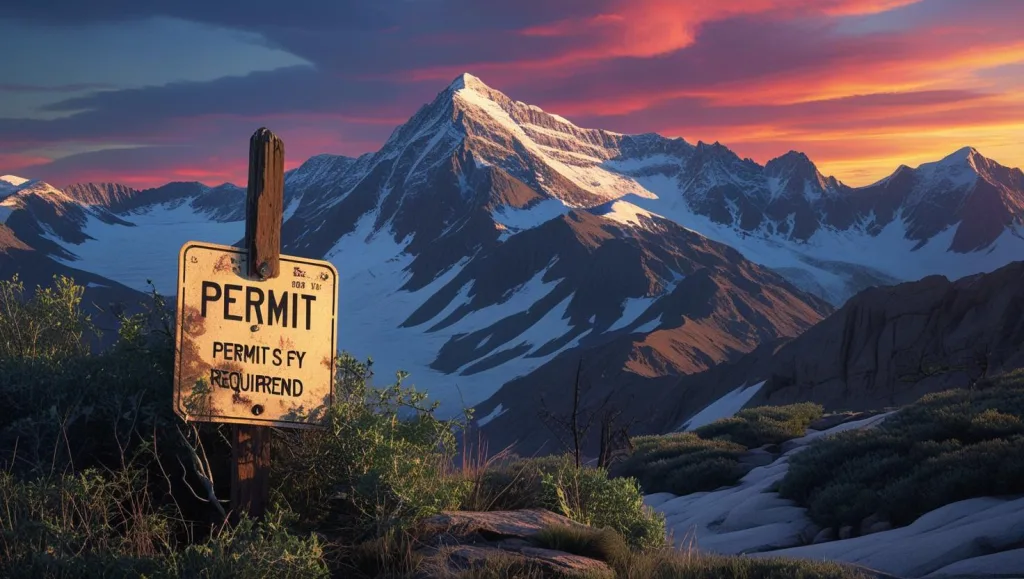
If you think you can just roll into the Annapurna Conservation Area like it’s your backyard, think again. Nepal’s trekking routes are protected, patrolled, and preserved for a reason.
You’ll need:
- TIMS cards
- National park fees
- Restricted area permits in places like Mustang and Dolpo
They’re not charging you to walk on dirt. They’re protecting what makes this place special. Every rupee you spend keeps the trails clean, the wildlife safe, and the next generation of trekkers inspired.
In 2025, permits will run anywhere from $50 to $500+, depending on where your soul decides to wander.
A guide isn’t a GPS; they’re your bridge to the mountains
This one’s personal.
A lot of travelers come in thinking guides are optional. “I’ll save money by trekking solo,” they say. And sure, you can do that. Until you get lost in a fog-drenched forest, or altitude sickness has you gasping at 4 a.m. with no one to help.
Your guide isn’t just someone to lead the way. They’re your translator, your cultural connection, your emergency contact, and sometimes your best friend.
In 2025, a licensed, insured, and experienced trekking guide is worth $35–$45 a day. And they’re worth every cent when it’s your life on the line.
Porters? Same thing. You want to spend 10 days hauling 20 kg on your back? Or do you want to look up at the mountains instead of at your aching feet?
Teahouses are cheap, but the stories inside are priceless
If you’re expecting fancy lodges with hot tubs and mini-bars, wrong country, friend.
But if you’re looking for wood-fired kitchens, paper-thin walls, and warm-hearted families who serve you dal bhat like you’re their own welcome home.
In 2025, expect to pay $7–$25 per night depending on how far you’ve wandered from the road. The higher you climb, the pricier it gets. Not because they’re ripping you off. Because everything up there food, gas, even your mattress got carried on someone’s back or a yak’s shoulders.
Food in the mountains fuels your soul (and your legs)
You’ll eat like a king in the simplest way. Dal bhat twice a day, noodle soups that warm your frozen bones, and momos when you’re craving comfort.
$25 to $40 a day covers your meals.
You’re not paying for Michelin stars. You’re paying for calories that keep you walking when the oxygen thins and the only thing ahead is one more steep switchback.
And please don’t buy bottled water. Bring a filter. Save your cash and save the planet at the same time.
Getting to the trailhead? That’s an adventure of its own
Some treks start right outside Kathmandu. Others begin after bone-rattling jeep rides or hair-raising flights into tiny Himalayan airstrips where the runway looks like it was drawn by a toddler.
Buses? $10–$20.
Jeeps? $150–$300, but worth it if you value your spine.
Flights to Lukla, Jomsom, or Tumlingtar? Around $200–$250 each way, and no, they don’t include your fear of flying.
The journey to the trail is half the story. And honestly? Sometimes the scariest part.
Gear up, but don’t gear out
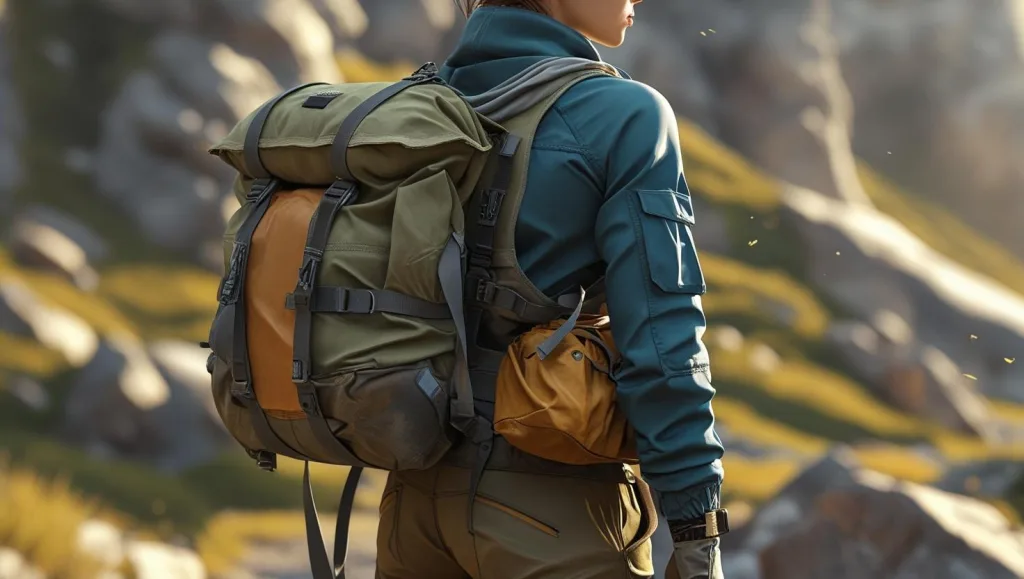
We’re not saying drop $2,000 at REI before you land. Bring your boots, your jacket, and your base layers. Rent the rest in Kathmandu for a fraction of the price.
A full rental kit (sleeping bag, down jacket, poles, and crampons if needed) will set you back about $70–$150 for your whole trek.
And pro tip? Break in your boots before you arrive unless you enjoy blisters bigger than your ego.
These are the most popular trekking routes that people try first.
Everest Base Camp Trek
Annapurna Base Camp Trek
Langtang Valley Trek
Ghorepani Poon Hill
Upper Mustang Trek
Mardi Himal
Khayer Lake Trek
Manaslu Base Camp Trek
Dhorpatan Hunting Trek
Insurance: If you cheap out here, you’ll regret it when the chopper comes
You need travel insurance with emergency evacuation coverage up to 6,000 meters. No exceptions.
If you get altitude sickness at 5,200 meters and need a heli evac? That’s a $4,000–$6,000 ride back to Kathmandu.
Good insurance costs around $100–$150 for your whole trip. Small price to pay for a second chance at life.
The small things add up, so plan for them
Nobody warns you about these, so we will:
- Charging your phone? $3–$5 per hour.
- WiFi that barely works? $7–$10 per day.
- Hot showers? $5–$8 each, and they’ll feel like heaven after day 4.
- Tips for your guides and porters? At least 10% of your trip cost.
And you know what? They’re all worth it. Because these people work their hearts out so your journey feels effortless.
Trekking doesn’t just cost money; it costs comfort
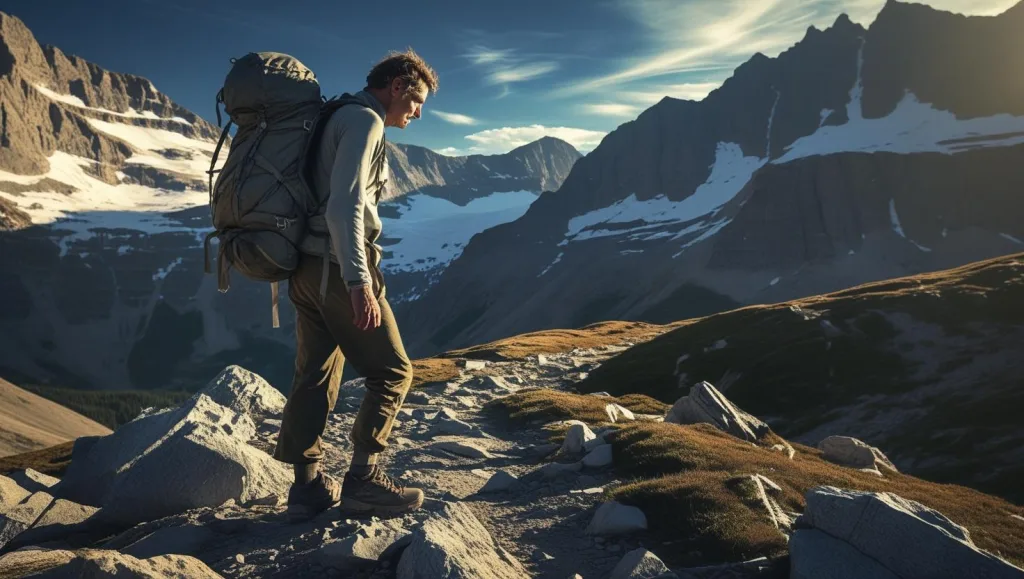
The hidden cost no one talks about? Your comfort zone.
You’ll pay in:
- Cold mornings that bite through your gloves.
- Thin air that steals your breath.
- Sore legs that still carry you forward because turning back isn’t an option anymore.
But what will you gain?
Inner silence. Wild joy. The kind of peace that city life can’t touch.
So what’s the full picture?
When it’s all said and done, here’s what a typical trek costs in 2025 if you do it right ethically, safely, and meaningfully.
- Short treks (Mardi Himal, Langtang, Poon Hill): $800–$1,200 per person
- Classic treks (Everest Base Camp, Annapurna Base Camp): $1,300–$1,900 per person
- Remote, off-the-grid treks (Upper Mustang, Dolpo): $2,200–$3,800 per person
And those are real numbers. No scam deals. No cutting corners at someone else’s expense.
If someone’s offering you a $500 Everest Base Camp trek? Ask yourself, who’s being underpaid, overlooked, or unsafe for that price?
The truth? You won’t remember what you paid.
Months from now, you won’t care whether the trek cost you $1,200 or $1,800.
You’ll remember the laughter around the stove at night, you’ll remember the sun rising behind a wall of ice. You’ll remember the moment you realized you’ve never felt more alive.
That’s what you’re really paying for.
Ready to stop Googling and start trekking?
We’re Blaze Mountain. We grew up in these valleys. We’ve walked these trails since we were kids chasing goats through the fog.
If you want a trekking company that gives a damn about your experience and our mountains, hit us up.
📞 +977 9851022768
✉️ info@trekkinginmountain.com
🌍 trekkinginmountain.com
The mountains are waiting. Are you coming or what?