
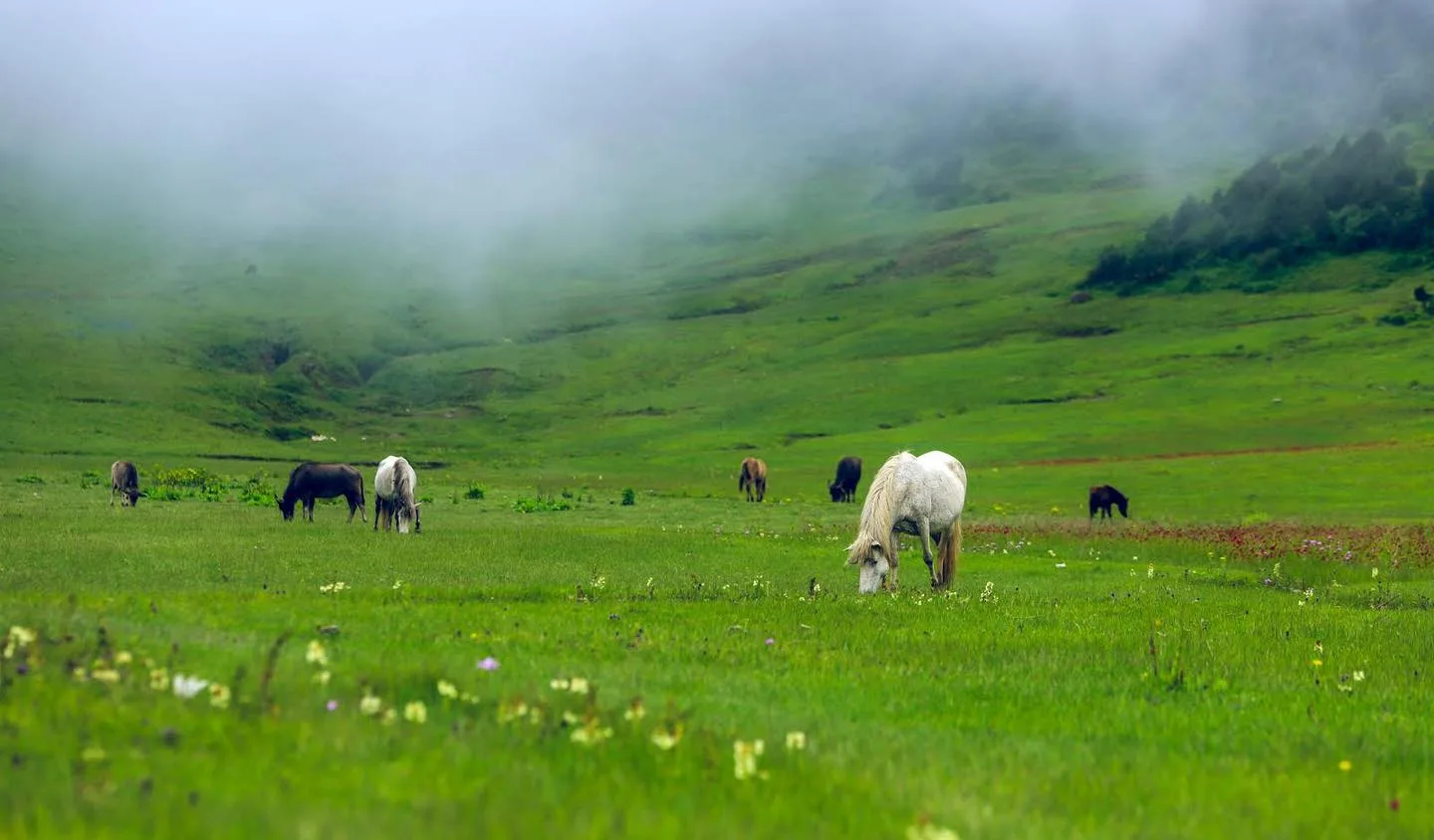
Dhorpatan Hunting Trek - 13 Days
General Info
Trip Overview
The Dhorpatan Hunting Trek is a quite different voyage into the most remote western parts of Nepal that few get to see for their wild and unspoiled beauty. The snow-capped peaks and dense forests house some very rare wildlife, including the Himalayan tahr, musk deer, and blue sheep. It gives an excellent chance to trek through rugged terrain, alpine meadows, and traditional villages for a perfect blend of nature and combined adventure.
Trekking deep inside the breathtaking landscapes and getting panoramic views of the mighty Dhaulagiri mountain range can be enjoyed from within the reserve. A rare opportunity, the trek will start from dense forests to high-altitude pastures, affording one an intimate glimpse into the daily lifestyles of host communities and valuable insight through these communities into many ways of being in harmony with nature. Equipped with erudite leaders, every trek will make sure that it safely accomplishes the expedition but memorably trains you in some history, culture, and ecology of the place.
Blaze Mountain operates the Dhorpatan Hunting Trek, which is rather an adventurous journey into the heart of Nepal's wilderness. From spotting rare wildlife to experiencing the local Sherpa culture, this trek truly is an unforgettable exploration of one of Nepal's most untouched regions. Whether you are a staunch nature lover or an adventure aficionado, the Dhorpatan Hunting Trek holds out a promise for lifetime adventure.
Short Itinerary
- Day 01: Arrival in Kathmandu (1,400m) – A Blaze Mountain representative will greet you and take you to your…
- Day 02: Drive from Kathmandu to Beni (830m) – You start a lengthy, picturesque trip from Kathmandu to Beni after breakfast.…
- Day 03: Drive from Beni to Darbang (1,100m) – The travel continues today along the Myagdi River on rocky mountain routes.…
- Day 04: Trek from Darbang to Takam (1,670m) – The journey starts with a slow ascent past farms, villages, and forests.…
- Day 05: Trek from Takam to Lumsang (2,240m) – The trail today travels through thick pine and rhododendron trees. As you…
- Day 06: Trek from Lumsang to Jaljala Pass (3,400m) – As you ascend toward Jaljala Pass, this is a demanding yet rewarding…
- Day 07: Trek from Jaljala Pass to Dhorpatan (2,860m) – You are heading out to the renowned Dhorpatan Hunting Reserve today. The…
- Day 08: Explore Dhorpatan Hunting Reserve – The purpose of this day is to explore the reserve. You may…
- Day 09: Trek from Dhorpatan to Takura (3,150m) – The route gradually rises through open spaces and woodlands. Trekking in a…
- Day 10: Trek from Takura to Darbang – Today, you follow the track through communities and woodlands as you drop…
- Day 11: Drive from Darbang to Pokhara – After breakfast, you drive back to Pokhara. The journey is scenic, passing…
- Day 12: Drive from Pokhara to Kathmandu – Today you return to Kathmandu by tourist bus or private vehicle. The…
- Day 13: Final Departure – A representative from Blaze Mountain will drop you at the airport according…
About Trip:
The Dhorpatan Hunting Trek is a quite different voyage into the most remote western parts of Nepal that few get to see for their wild and unspoiled beauty. The snow-capped peaks and dense forests house some very rare wildlife, including the Himalayan tahr, musk deer, and blue sheep. It gives an excellent chance to trek through rugged terrain, alpine meadows, and traditional villages for a perfect blend of nature and combined adventure.
Trekking deep inside the breathtaking landscapes and getting panoramic views of the mighty Dhaulagiri mountain range can be enjoyed from within the reserve. A rare opportunity, the trek will start from dense forests to high-altitude pastures, affording one an intimate glimpse into the daily lifestyles of host communities and valuable insight through these communities into many ways of being in harmony with nature. Equipped with erudite leaders, every trek will make sure that it safely accomplishes the expedition but memorably trains you in some history, culture, and ecology of the place.
Blaze Mountain operates the Dhorpatan Hunting Trek, which is rather an adventurous journey into the heart of Nepal's wilderness. From spotting rare wildlife to experiencing the local Sherpa culture, this trek truly is an unforgettable exploration of one of Nepal's most untouched regions. Whether you are a staunch nature lover or an adventure aficionado, the Dhorpatan Hunting Trek holds out a promise for lifetime adventure.
Trip Highlights:
Best Season for this Trip:
If you’re thinking about the Dhorpatan Hunting Trek, go in spring (March to May) or autumn (September to November). The weather is steady, skies stay clear, and the temperature feels just right so the whole trek turns out safer and way more enjoyable. Trails are dry, visibility is perfect, and you really get to soak in the scenery.
Spring is something else. The forests explode with blooming rhododendrons and wildflowers, everything turns lush and green. Plus, animals are out and about, so you have a good shot at spotting blue sheep, Himalayan tahr, or even musk deer if you’re lucky. Autumn brings those crystal-clear skies and crisp air. The views of Dhaulagiri and Annapurna mountains are unreal. Not to mention, the trails stay quiet and the weather makes hiking a breeze. That’s why autumn draws so many trekkers to Nepal.
Honestly, winter and monsoon just don’t work as well. Winter means freezing temperatures and snow, which can make some parts tough to cross. Monsoon hits with heavy rain, slippery tracks, and foggy conditions none of which help your adventure. If you want the best experience, with gorgeous scenery and great weather, spring or autumn is your best bet. Blaze Mountain always suggests you plan your Dhorpatan Hunting Trek for one of those seasons.
Food and Accommodations on Trip:
The Dhorpatan Hunting Trek leads you straight into the heart of western Nepal think remote villages and untouched wild landscapes. You won’t find luxury hotels out here. Instead, you’ll stay in simple teahouses, local lodges, or even camp in tents when you’re deep in the wilderness. It’s nothing fancy, but it’s warm and welcoming, and you really get to soak in authentic mountain life and the calm ways of the locals.
Food on the trek is always fresh and cooked right from what’s around. You’re going to need loads of energy, so the meals deliver. The star dish is Dal Bhat rice, lentils, veggies, and spicy pickles all piled high on your plate. Sometimes you’ll get noodles, soups, fried rice, potatoes, chapati, eggs, whatever’s growing locally. And when the air gets cold, they serve tea, coffee, or herbal brews to warm you up.
The accommodation like I said is basic, but you’ll feel welcome. Teahouses and lodges usually offer twin rooms with decent beds and blankets, plus a simple spot to eat. If you’re trekking through especially remote stretches, you might end up camping, which just adds an extra dose of adventure. When you go with Blaze Mountain, they take care of everything food, beds, logistics. So you get to focus on having a safe, comfortable, and genuinely unforgettable trek through the Dhorpatan region.
Includes / Excludes
Includes:
- ✓ Airport pick-up and drop-off by private vehicle.
- ✓ All ground transportation required for the trek.
- ✓ Necessary trekking permits and Dhorpatan Hunting Reserve entry permits.
- ✓ Experienced English-speaking trekking guide.
- ✓ Porter service for carrying trekking luggage.
- ✓ Accommodation in teahouses, lodges, and camping where required.
- ✓ Three meals a day during the trek (Breakfast, Lunch, and Dinner).
- ✓ Guide and porter salary, insurance, food, and accommodation.
- ✓ First aid kit and basic medical support during the trek.
- ✓ All government taxes and service charges.
Excludes:
- ✗ International airfare and Nepal visa fees.
- ✗ Travel insurance and emergency evacuation costs.
- ✗ Personal trekking equipment and gear.
- ✗ Extra meals and drinks not included in the itinerary.
- ✗ Hot showers, Wi-Fi, charging fees, and personal expenses.
- ✗ Tips for guides and porters.
- ✗ Personal expenses such as laundry, phone calls, and snacks.
- ✗ Any costs caused by weather conditions, natural disasters, or itinerary changes.
- ✗ Alcoholic and bottled beverages.