
Everest Base Camp Trek - 14 Days
General Info
Trip Overview
Short Itinerary
- Day 1: Arrival in Kathmandu (1,400m) – When you arrive in Kathmandu, the energetic capital city of Nepal, your…
- Day 2: Fly to Lukla (2,860m) and Trek to Phakding (2,610m) – One of the most thrilling mountain flights in the world gets you…
- Day 3: Trek from Phakding to Namche Bazaar (3,440m) – As you approach Sagarmatha National Park and head toward Namche Bazaar, it…
- Day 4: Acclimatization Day in Namche Bazaar – A successful hike to Everest Base Camp requires adequate acclimatization. You will…
- Day 5: Trek from Namche Bazaar to Tengboche (3,860m) – Today, the trail offers some of the most breathtaking views of the…
- Day 6: Trek from Tengboche to Dingboche (4,410m) – The route crosses the Imja River after descending through woodlands and taking…
- Day 7: Acclimatization Day in Dingboche – Your body can adjust to the rising altitude with one more acclimatization…
- Day 8: Trek from Dingboche to Lobuche (4,940m) – The path for today is a slow climb through Khumbu's high-altitude valley.…
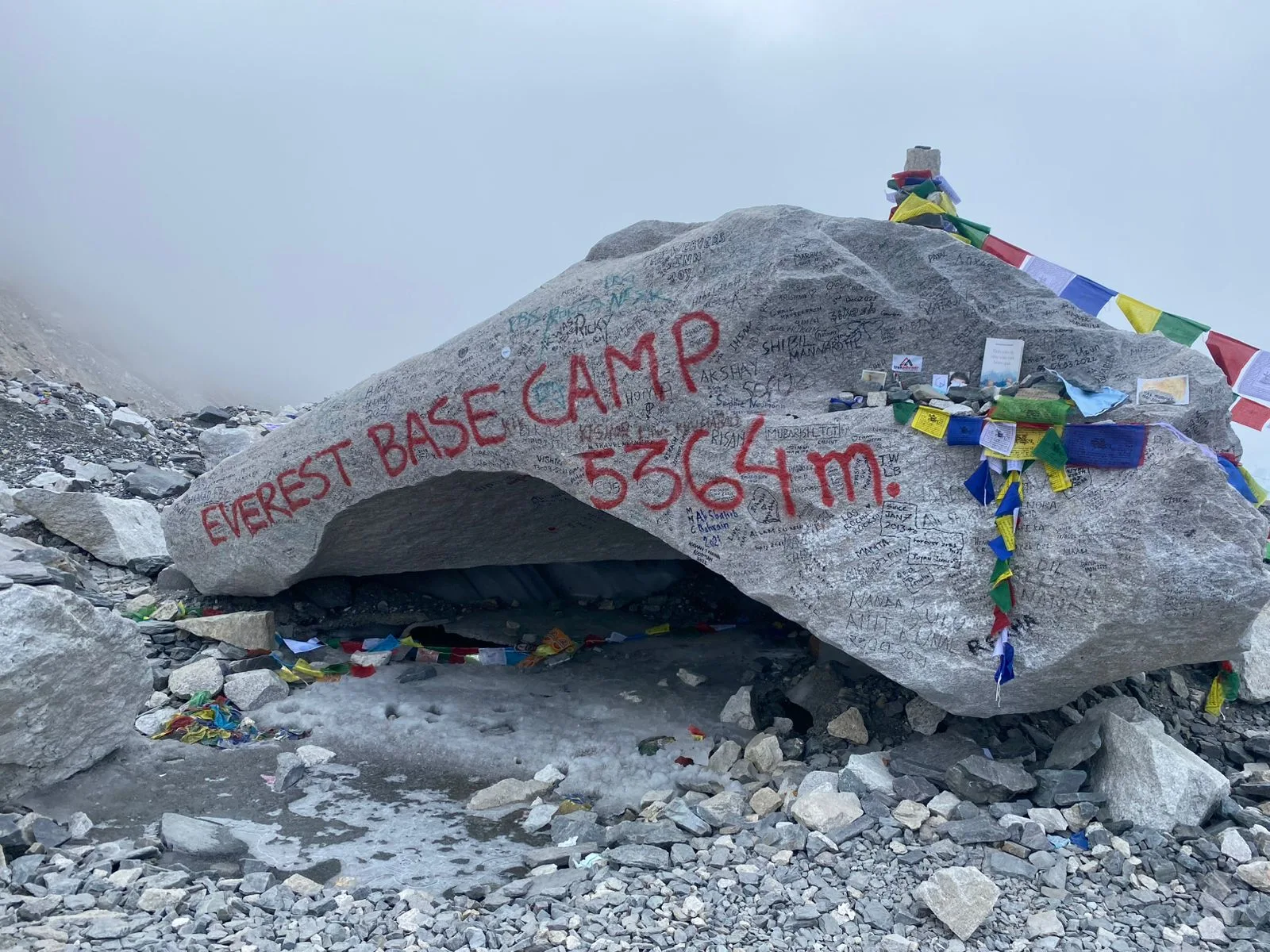
- Day 9: Trek to Everest Base Camp (5,364m) via Gorakshep (5,164m) – Every hiker looks forward to this day. You will arrive in Gorakshep…
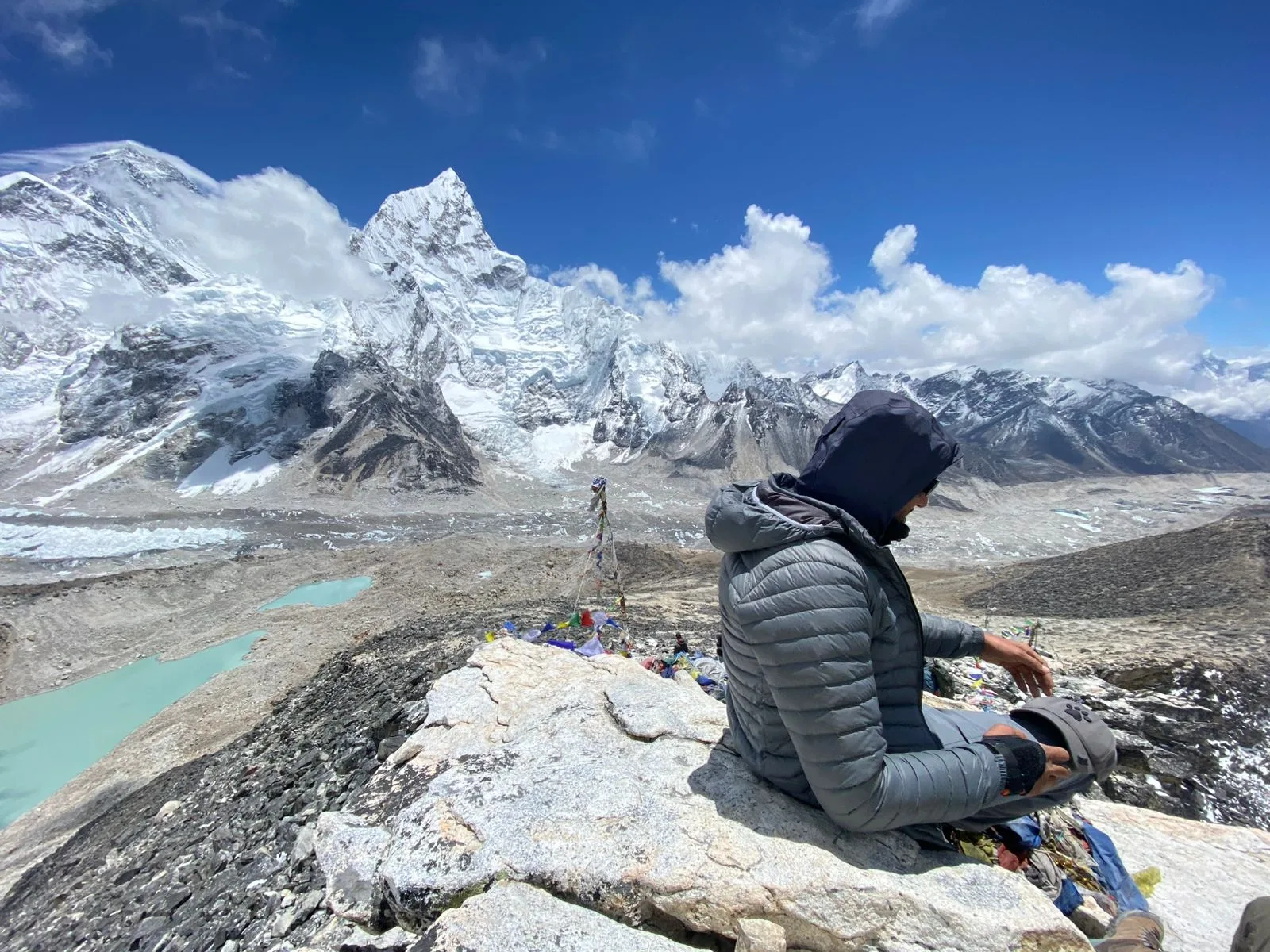
- Day 10: Hike to Kala Patthar (5,545m) and Trek to Pheriche (4,240m) – You will ascend to Kala Patthar, the trek's highest point, before daybreak.…
- Day 11: Trek from Pheriche to Namche Bazaar – Today's hike seems considerably simpler now that you've overcome the primary altitude…
- Day 12: Trek from Namche Bazaar to Lukla – You return through the Dudh Koshi Valley on your last hiking day.…
- Day 13: Fly from Lukla to Kathmandu – You'll take an early morning flight return to Kathmandu, weather permitting. One…
- Day 14: Final Departure – Your amazing trip to Everest Base Camp ends after breakfast. Our staff…
About Trip:
Trip Highlights:
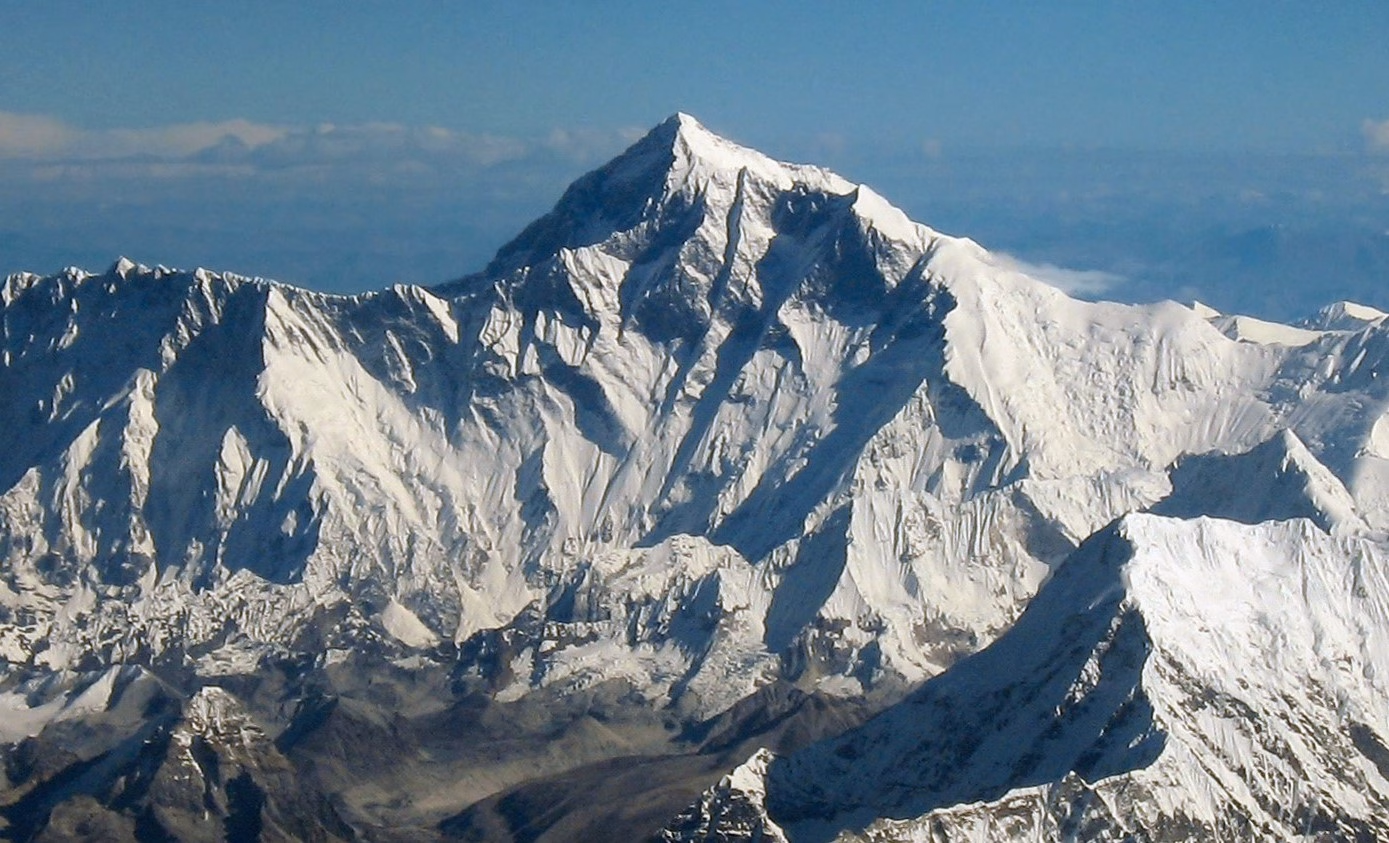
- Trek to the legendary Everest Base Camp at 5,364 meters, standing at the foot of the world’s highest mountain.
- Enjoy breathtaking sunrise views over Mount Everest from Kala Patthar (5,545m), the best viewpoint in the region.
- Experience a thrilling mountain flight to and from Lukla, one of the world’s most scenic airports.
- Explore Namche Bazaar, the vibrant Sherpa hub and gateway to the Everest region.
- Visit the famous Tengboche Monastery surrounded by panoramic Himalayan peaks.
- Walk through Sagarmatha National Park, a UNESCO World Heritage Site rich in natural beauty.
- Cross iconic suspension bridges over deep river valleys and glaciers.
- Discover traditional Sherpa villages, local culture, and warm mountain hospitality.
- Witness spectacular views of Everest, Lhotse, Nuptse, Ama Dablam, and other Himalayan giants.
- Enjoy a once-in-a-lifetime adventure filled with stunning landscapes, high-altitude trails, and unforgettable memories.
Best Season for this Trip:
The Everest Base Camp Trek can be done throughout the year, but each season offers a different trekking experience. Weather, trail conditions, mountain visibility, and temperature all play an important role in your journey. Choosing the right season helps ensure a safer, more comfortable, and more rewarding adventure in the Everest region.
Spring is one of the most popular and recommended seasons for the Everest Base Camp Trek. During this time, the weather is generally stable, with mild daytime temperatures and clear skies that offer spectacular views of Everest and surrounding peaks. The trails come alive with blooming rhododendron forests, fresh mountain air, and vibrant landscapes, making the journey even more scenic and enjoyable. It is also the main climbing season, so trekkers may witness Everest expedition teams preparing for summit attempts at base camp.
Autumn is considered the best overall season for trekking to Everest Base Camp. After the monsoon season, the skies become exceptionally clear, and the mountain views are at their finest. The weather is dry, temperatures are comfortable during the day, and the trails are in excellent condition. This season also brings festive local energy, with major Nepalese festivals like Dashain and Tihar often taking place, allowing trekkers to enjoy both natural beauty and cultural experiences.
Summer in Nepal coincides with the monsoon season, bringing regular rainfall, especially in the lower trekking areas. This can make trails muddy, slippery, and more challenging. Lukla flights are also more likely to be delayed or canceled due to weather conditions. However, summer offers lush green hills, fewer trekkers on the trail, and a quieter overall experience. For those who prefer solitude and don’t mind occasional rain, summer can still be a unique trekking season with proper preparation.
Winter is the coldest season in the Everest region, with freezing temperatures, snow-covered trails, and icy conditions at higher elevations. Despite the cold, winter offers some of the clearest skies and peaceful trekking routes with fewer crowds. The mountain views can be absolutely stunning, and the snowy landscapes create a magical Himalayan experience. This season is best suited for experienced trekkers who are physically prepared and equipped with proper winter clothing and gear.
Food and Accommodations on Trip:
Includes / Excludes
Includes:
- ✓ Airport pick-up and drop-off service in Kathmandu.
- ✓ Domestic flights between Kathmandu/Ramechhap and Lukla.
- ✓ All airport taxes and flight transfers related to the trek.
- ✓ Sagarmatha National Park entry permit and Khumbu Pasang Lhamu Rural Municipality permit.
- ✓ Experienced, government-licensed English-speaking trekking guide.
- ✓ Strong and reliable porter service (one porter for two trekkers).
- ✓ Comfortable teahouse accommodation during the trek.
- ✓ Three daily meals during the trek (breakfast, lunch, and dinner).
- ✓ Fresh seasonal fruits after dinner on selected days.
- ✓ Two acclimatization rest days as per the itinerary.
- ✓ Sleeping bag and down jacket for use during the trek (if needed).
- ✓ First aid medical kit carried by the guide.
- ✓ Oximeter checks to monitor oxygen level and altitude condition.
- ✓ All staff salary, meals, accommodation, insurance, and transportation.
- ✓ Trek completion certificate from Blaze Mountain.
- ✓ All government taxes and service charges.
Excludes:
- ✗ International airfare to and from Nepal.
- ✗ Nepal entry visa fee.
- ✗ Travel insurance, including emergency helicopter evacuation.
- ✗ Extra hotel nights in Kathmandu due to early arrival, late departure, or flight delays.
- ✗ Personal trekking gear and equipment not mentioned in the included section.
- ✗ Lunch and dinner in Kathmandu before and after the trek.
- ✗ Personal expenses such as drinks, snacks, Wi-Fi, hot showers, charging, and laundry.
- ✗ Tips for guide, porter, and driver.
- ✗ Any additional costs caused by weather, flight cancellation, natural disasters, or personal emergencies.
- ✗ Optional activities, private room upgrades, or extra services not listed above.
Detailed Itinerary of Everest Base Camp Trek:
Day 1: Arrival in Kathmandu (1,400m)
Day 2: Fly to Lukla (2,860m) and Trek to Phakding (2,610m)
Day 3: Trek from Phakding to Namche Bazaar (3,440m)
Day 4: Acclimatization Day in Namche Bazaar
Day 5: Trek from Namche Bazaar to Tengboche (3,860m)
Day 6: Trek from Tengboche to Dingboche (4,410m)
Day 7: Acclimatization Day in Dingboche
Day 8: Trek from Dingboche to Lobuche (4,940m)
Day 9: Trek to Everest Base Camp (5,364m) via Gorakshep (5,164m)
Day 10: Hike to Kala Patthar (5,545m) and Trek to Pheriche (4,240m)
Day 11: Trek from Pheriche to Namche Bazaar
Day 12: Trek from Namche Bazaar to Lukla
Day 13: Fly from Lukla to Kathmandu
Day 14: Final Departure
Map:
Tour Images