
[Trip_Info_Shortcode id=’5105′]
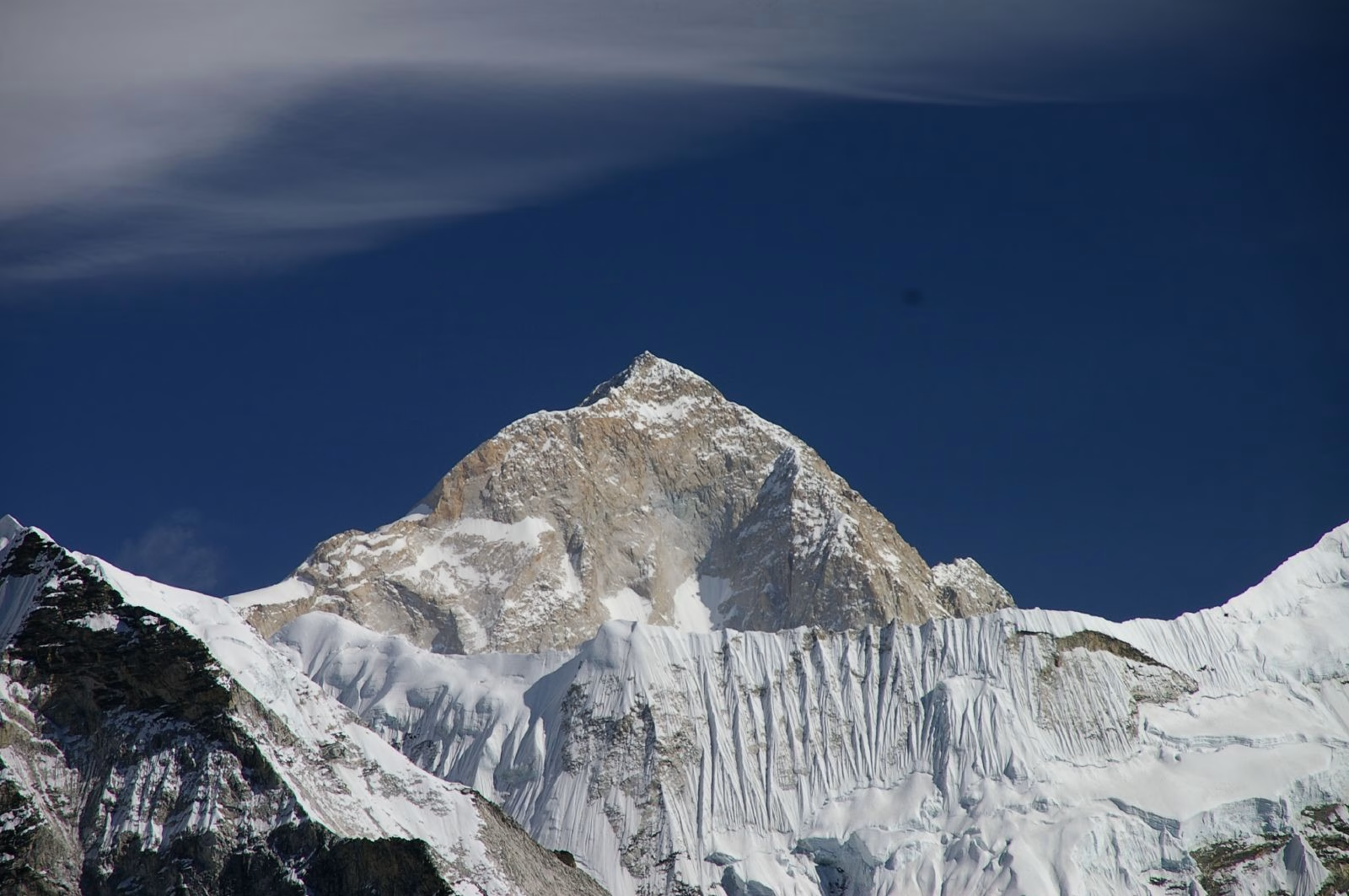
Makalu Expedition has the elevation of 8,485 m, the fifth highest mountain in the world. And it is probably one of the most spectacular mountains in the Himalayan range. It lies in the very remote area of the Makalu-Barun National Park; it gives climbers a bit of rugged wilderness beauty, technical challenges, and breathtaking views. Our expedition to Makalu is for serious adventure-seekers willing to depart from the beaten track. The flight to Tumlingtar and drive to Num village take the climbers through precious forests, alpine pastures, & traditional Sherpa towns. We plan daily travel itineraries to promote gradual acclimatization to increasing altitudes and enhance appreciation. For the rich biodiversity of the Barun Valley.
Using Makalu Base Camp at 4,870 m, the climber spends several days warming up, acclimatizing, and rotating to higher camps. The ascent to the summit involves technical difficulties, steep ice slopes, and open ridges. This requires strong skills, absolute determination, and the wisest teamwork. The summit rewards are astonishing: Everest, Lhotse, Chamlang, and Baruntse overlap on the never-ending horizon. Our guide team, specializing in high-altitude mountaineering, along with our Sherpas and support team, will prioritize your safety and provide the best option to summit this mountain successfully.
Completing the Makalu Expedition does not solely mean summiting but rather going through one of Nepal’s remotest regions. As one descends back down through the magical serenity of Barun Valley and onward towards Kathmandu, unforgettable memories, friendships for life, and a deep sense of fulfillment from having conquered a Himalayan giant will lie. So come join Blaze Mountain for an expedition where challenge meets inspiration at the highest levels.
Trek Note: Makalu Expedition
Trek Duration: 45 Days
Max Elevation: 8,485M
Trek Grade: Extremely Challenging & Technically Demanding
Best Season: Spring (April-May)
Accommodation: Camping
Permits Required: Makalu-Barun National Park Permit, Climbing Permit, Liaison Officer
Putting many trophies on the wall is not easy business; a true high-altitude marathon welcomes skilled mountaineers at a considerably far and sight-rewarding road. This could have been in the Makalu-Barun Valley thousands of years ago, muffled with silences, natural beauty, and challenges at every turn. An aerial flypast of Tumlingtar opens the gates for an overland adventure on wheels that descends into a trek through lush valleys and steep ridges punctuated by the rich culture of villages, all within unspoiled wilderness.
The essence of the last push to the summit of Makalu is an inner strength combined with technical skills and a well-planned strategy for steepness, ice slopes, rock walls, and razor-sharp ridgelines. Each step is dictated by endurance, strategy, and pure willpower: supreme glimpses of Everest, Lhotse, Chamlang, and Baruntse in the foreground to top them all. The descent follows the same path down the magnificent Barun Valley, a time to reflect and contemplate one of the greatest achievements. Thus, the Makalu Expedition is tailored for only those experienced climbers who seek a lonely, tough, and equally rewarding adventure in the Himalayas.
Additional Information:
You can access full details regarding the Makalu Expedition from our website. If you need any extra information or extra service, feel free to contact us. To meet our agent, please follow the link, and/or if you want to talk to us directly, you can call our office at 01-4522505.
Specialty of Makalu Expedition:
The fifth-highest peak in the world, Makalu, rises sharply in the isolated eastern Himalayas and provides one of Nepal’s most challenging and rewarding treks. Because of its extreme remoteness, rough terrain, and challenging climbing routes, it is the perfect destination for seasoned mountaineers looking for an authentic Himalayan experience. The distinctive qualities that set the Makalu Expedition apart are listed below.
- It’s a remotely untouched wilderness of the Himalayas.
Makalu is embraced within the untouched sanctuary of Makalu-Barun National Park in Nepal. All the trails through the park swoop through deep valleys, dense forests, and expansive, rugged alpine zones, far from enthusiastically traveled hiking circuits. The real wilderness and total immersion in nature give a sense that spurs adventure, solitude, and raw beauty in the expedition. - Highly Technical and Tough Climb
Climbing Makalu requires so much technical understanding of rock, ice, and mixed terrain climbing that it is counted as one of the toughest 8000-m peak climbs. From exposed roof ridges or steep-walled ice to high-altitude camps, climbers have to be tactical, clever, and experienced. Makalu’s summit push is the test of almost everything related to climbing skill, endurance, and mental wherewithal. - Breathtaking Scenery and Unique Biodiversity
The trek to Makalu Base Camp traverses some stunning natural landscapes, from verdant subtropical forests to desolate glacial moraines. It houses endangered species like the red panda, snow leopard, and Himalayan tahr. The tour is thus a magnificent representation of vibrant ecological diversity that very few trekkers in Nepal are compensated for. - Genuine Cultural Encounters in Eastern Nepal
The lower trekking routes take climbers to Rai, Sherpa, and Tibetan-influenced communities-forged by time and showered with traditions and warm hospitality. Unadulterated from commercialization-in these villages, one can taste the best culture without the age-old monasteries, as well as peek into life in the secluded highlands of Nepal. - Expert Support and Expedition Excellence
Blaze Mountain offers complete expedition management with experienced Sherpas and top-notch logistics, comprehensive acclimatization strategies, and a safety-first operation. Our team, through its thorough preparation and local expertise, has made it so that you experience Makalu at the highest standards with maximum opportunities for a safe and successful summit.
Is the Makalu Expedition Right for Trekkers and Climbers?
- The Makalu Expedition is a high-altitude challenge intended for experienced climbers with advanced mountaineering skills and endurance.
- Climbers must be prepared for technical ascents, including steep ice walls and exposed ridges, requiring solid ice, snow, and mixed terrain skills.
- Trekkers aiming for a more relaxed adventure can enjoy the trek to Makalu Base Camp, which offers stunning views and remote wilderness but still requires solid fitness and experience at altitude.
- Summit attempts are best suited for climbers with previous experience on peaks above 6,000 meters and who can handle extreme conditions.
- The Makalu Expedition is perfect for climbers who seek isolation, technical challenges, and the satisfaction of conquering the world’s fifth-highest mountain.
- Blaze Mountain provides full support, expert guidance, and all the logistics needed to ensure a safe and successful expedition.
Who Should Join the Makalu Expedition?
- Experienced trekkers who have completed high-altitude treks and want to transition into mountaineering.
- Intermediate to advanced climbers looking for a 7,000-meter peak before attempting 8,000-meter summits.
- Adventure seekers who enjoy remote, off-the-beaten-path Himalayan expeditions.
- Physically fit individuals with a strong mindset and the ability to endure long, challenging climbs.
The Makalu Expedition is an incredible experience that will push your boundaries and reward you with breathtaking Himalayan vistas and a genuine sense of success if you possess the willpower, physical stamina, and enthusiasm for high-altitude adventure. Climbers who are prepared to take on the challenge can participate in this adventure since Blaze Mountain guarantees a safe and well-supported trek.
Best Season for the Makalu Expedition:
Although the Makalu Expedition can be attempted in a number of seasons, the success rate and overall enjoyment of your trek are greatly influenced by the timing of your trek. The four seasons are broken down below, along with information on the ideal time of year to embark on this difficult journey.
- Spring (March to The Best Season for the Expedition
Spring is said to be for the Makalu Expedition since it is characterized by a fair sky, good stable weather, and mild temperatures. During this season, the climber relied more on the weather as the conditions became predictable, thus allowing summiting to be done under optimal climbing conditions. Moderate temperatures did remain while the altitude was stiffer, but there was less snow and ice at the lower levels, backsliding the climb slightly. This season is the best for mountaineers who always want to have a crystal-clear view and enjoy the trekking. - Summer (June to Monsoon Season
Summer here in Nepal is actually a time characterized by monsoon rains. Thus, it becomes a season in which it is not advisable to do the Makalu Expedition, as unpredictable weather, increased avalanche risks, and slippery trails mark this period. Visibility is reduced as a result of dense cloud cover during the monsoon, thus making trekking and climbing more hazardous. Summer climbers vainly planning ascents of Makalu are well advised to postpone their trip. - Autumn (September to Comes with Ideal Conditions for Trekking
Autumn is yet another outstanding season for the Makalu Expedition, after spring. The weather tends to remain stable with crisp, clear skies, making it cool to cold, which is excellent for high-altitude trekking and climbing. The trails will dry, snow conditions will become more manageable, and the best opportunities for a successful summit will be offered. Besides, the months of autumn will enjoy sight of the surrounding peaks that include Everest, Lhotse, and Baruntse, whose whole unit comprises trekkers and climbers’ favorite season. - Winter (December to February)-Cold and Difficult
Conditions become bitterly cold and harsh over the Makalu region during winter, and this is the most difficult season for climbing purposes. The routes become entangled in a thick mass of snow and ice, while the higher camps fall much farther in temperature conditions than ordinary-even less than -20°C. Clear skies make summiting even more difficult, dangerous, and extremely cold. Attempts at attempts during winter on Makalu should be undertaken only by the most experienced and well-prepared climbers. It stands as a true test for resilience and technical skill.
Makalu Weather Table According to Altitudes:
| Altitude (m) | Day Temperature (°C) | Night Temperature (°C) | Weather Conditions |
|---|---|---|---|
| 4,500m–6,500m | 18°C to 25°C | 10°C to 15°C | Warm during the day, cooler at night, generally clear skies. |
| 2,500m – 4,500m | 12°C to 18°C | 5°C to -5°C | Milder temperatures with light rain, cooler evenings with some wind. |
| 6,500m–8,000m | 5°C to 10°C | -5°C to -10°C | Cold with occasional snow, winds start increasing at higher altitudes. |
| Very cold with snowstorms, harsh winds, and low visibility. | -5°C to 0°C | 8,000m–8,485m (Summit) | Very cold with snowstorms, harsh winds, low visibility. |
| Extreme cold, heavy snowstorms, strong winds, and minimal oxygen levels. | -15°C to -20°C | -25°C to -35°C | Extreme cold, heavy snowstorms, strong winds, minimal oxygen levels. |
Local Culture and Tradition Around Makalu:
In this region surrounding Makalu, local cultures share lively ambience, where Rai, Sherpa and Lake Tibet-influenced-associated people stay scattered in remote villages within Makalu-Barun National Park. To them, mountains are much more sacred than mere geographical features: they harbor much deeper connections spiritually to mountains in terms of their lives. Rai and Sherpa have distinct traditions, customs, and celebrations marking the changes in seasons, agricultural cycles, and nature’s veneration. This place also has a Buddhist monastery and stupas, within which ancient rituals and prayers are carried out by monks; therefore, visitors who trek here would have a good understanding of the spiritual wealth of this region.
Local people are also considered highly for the hospitality provided besides high altitudes life skills. A trek could possibly make such interaction possible with local homestays showcasing all the aspects of their cultural dishes, festivals, or dances through storytelling. Tibetan Buddhism has its impact on art and architecture of the villages, with its celebrations causing the prayer flags to flap in the winds as the chants rise into the air. Ancient treasure such as these enriches the Makalu expedition, which tests endurance and is also spiritually penetrating into one of high-altitude Nepal’s heritage.
Food & Accommodation Facilities During Makalu Expedition
A range of food and lodging alternatives are offered to trekkers and climbers to guarantee their comfort and well-being throughout the strenuous Makalu Expedition. Facilities in the area are limited due to its distant location, but they provide the necessary warmth and rest to recuperate from the difficult travel each day. A summary of what to anticipate in terms of lodging and meals during the expedition is provided below:
Food Options:
During the Makalu Expedition, trekkers and climbers will enjoy a combination of local and Western foods to maintain energy levels throughout the challenging trek.
- Local Cuisine: The local cuisine is Tibetan and Sherpa-dominated, with nutritious food like Dal Bhat (rice and lentil soup), Tibetan bread, momos (dumplings), and Sherpa stew. These are rich in carbohydrates and proteins and help to keep trekkers going on long days at high altitudes and aid recovery.
- Western Food: For a bit of variety, some of the lodges along the route have Western food in the form of pasta, pancakes, sandwiches, and fried potatoes. These are comfort foods that are simple to prepare, giving instant energy and a welcome break from traditional local cuisine.
- Beverages & Refreshments: You will also have mid-way snacks like chocolates, biscuits, and dried fruits during the trek. Tea, coffee, and hot chocolate are always on hand, warming and hydrating you, especially after a chilly day on the trail.
Accommodation Options:
Accommodation during the Makalu Expedition is basic yet cozy, offering climbers and trekkers a place to rest after a long day of hiking.
- Tea Houses & Lodges: The most common form of accommodation during the trek are tea houses and lodges. These are simple yet clean, with simple rooms where the trekkers can share a room or hire an individual one. The owners, generally local Rai, Sherpa, and Tibetan communities, provide a warm and hospitable environment.
- More Altitude Accommodations: Once trekkers reach more altitudes, accommodation is simple and rustic. It gets cold weather at the upper levels, with facilities very little, commonly provided with common toilet and bathrooms. In spite of the lack of luxury, there is superb hospitality, with rooms providing the traveler a nice room to sleep in.
- Camp at Higher Altitude: While trekking at a higher altitude, especially on acclimatization days, camping may be required. The camps are established in scenic, idyllic locations, providing the trek members with a serene atmosphere to relax prior to reaching the next phase of the expedition.
With a variety of nutritious food options and welcoming, simple accommodations, the Makalu Expedition ensures that trekkers are both well-nourished and rested during their journey through one of the Himalayas’ most remote regions.
Necessary Gear for the Makalu Expedition:
Proper gear is essential to ensure safety, comfort, and success on the Makalu Expedition. The gear must be suitable for both the lower altitudes and the challenging high-altitude conditions of this trek.
Clothing:
- Base layers (thermal tops and bottoms): Essential for regulating body temperature by wicking away moisture and providing warmth.
- Fleece jacket or down jacket: These layers will keep you insulated and protected from cold weather, especially in high-altitude conditions.
- Waterproof and windproof outer layer: A durable jacket will protect against snow, rain, and strong winds, which are common at higher altitudes.
- Trekking pants (water-resistant): Water-resistant pants will ensure your legs stay dry and comfortable while trekking through varied terrain.
- Insulated gloves and warm hat: Cold hands and head can lead to discomfort and fatigue, so high-quality gloves and a hat are essential for warmth.
- Thermal socks and mountaineering boots (insulated): Thick, moisture-wicking socks combined with sturdy, insulated boots will protect your feet from the cold and ensure comfort on long days.
Climbing Equipment:
- Crampons: These will provide the necessary traction on icy surfaces, preventing slippage when navigating steep or frozen terrain.
- Ice axe: Vital for stability and support on ice and snow-covered slopes, offering extra grip when climbing.
- Harness and ropes: For safety during the climb, ensuring secure movement on vertical sections or ice-covered terrain.
- Climbing helmet: A must-have to protect your head from falling rocks and ice, especially on the summit push and other technical sections of the climb.
Camping and Sleeping:
- Sleeping bag (rated for extreme cold): A high-quality sleeping bag is necessary for warmth during cold nights at higher altitudes, ensuring you get proper rest.
- Sleeping pad for insulation: The sleeping pad provides both comfort and insulation from the cold ground, which is essential for a restful sleep.
- Tent for high-altitude camps: A weather-resistant, insulated tent is necessary to withstand high-altitude conditions, offering shelter from strong winds and snow.
- Headlamp with extra batteries: Essential for navigating the camp area and for any night-time treks. Ensure the headlamp is bright and reliable.
Health & Safety:
- First aid kit: A comprehensive first aid kit, including essentials like bandages, antiseptic, and pain relievers, is crucial for addressing injuries or emergencies on the trail.
- Altitude sickness medication: To prevent and manage symptoms of altitude sickness, carry recommended medications and always monitor your condition.
- Water purification system: Clean drinking water is not always available, so a purification system (tablets, filters, or purifiers) is essential for safe hydration.
- Sunscreen and lip balm: High-altitude sun exposure is intense, and protecting your skin from harmful UV rays is critical, so carry sunscreen and lip balm with SPF.
- Personal hygiene items: Items like biodegradable soap, wet wipes, and hand sanitizer will help maintain hygiene on the trail, where water sources may be limited.
Miscellaneous:
- Trekking poles: Essential for maintaining balance and reducing strain on the knees while trekking across uneven, rocky terrain.
- Sunglasses or goggles: Protect your eyes from harmful UV rays and snow glare at higher altitudes with high-quality sunglasses or goggles.
- Camera and power bank: Capture the incredible scenery and ensure your camera stays charged to document the journey.
- Backpack with rain cover: A reliable backpack will hold all your gear, and a rain cover will protect your equipment during sudden downpours or snowstorms.
Why Choose Makalu Expedition with Blaze Mountain?
Opting for a Makalu expedition with Blaze Mountain means opting for a highly professional, well-organized, and absolutely safe adventure right in the heart of the great Himalayas. Blaze mountains organize high-altitude treks as well as the annual expedition to provide thoroughly professional support to their clients. From the most knowledgeable and extreme expert Sherpa guides of the region to top-of-the-range logistical planning, we’ve got it all lined up for a seamless, memorable experience. Our team strives to ensure the journey is safe and enjoyable, from acclimatization through medical backup and the best equipment to tackle the extreme conditions of the Makalu region.
What differentiates Blaze Mountain from all other travel companies is their devotion to personal service, designing your expedition by your needs. Trekking and climbing support are part of the deal, but this is really more about collecting opportunities for cultural immersion, as we boast incredibly strong ties with the communities surrounding Makalu. If you’re an old snake on the rock or just a budding adventurer, Blaze Mountain has all the expertise, warmth, and care you might need to help you go up Makalu safely. Join us for an adventure which becomes as fulfilling as it is challenging.