
[Trip_Info_Shortcode id=’5067′]
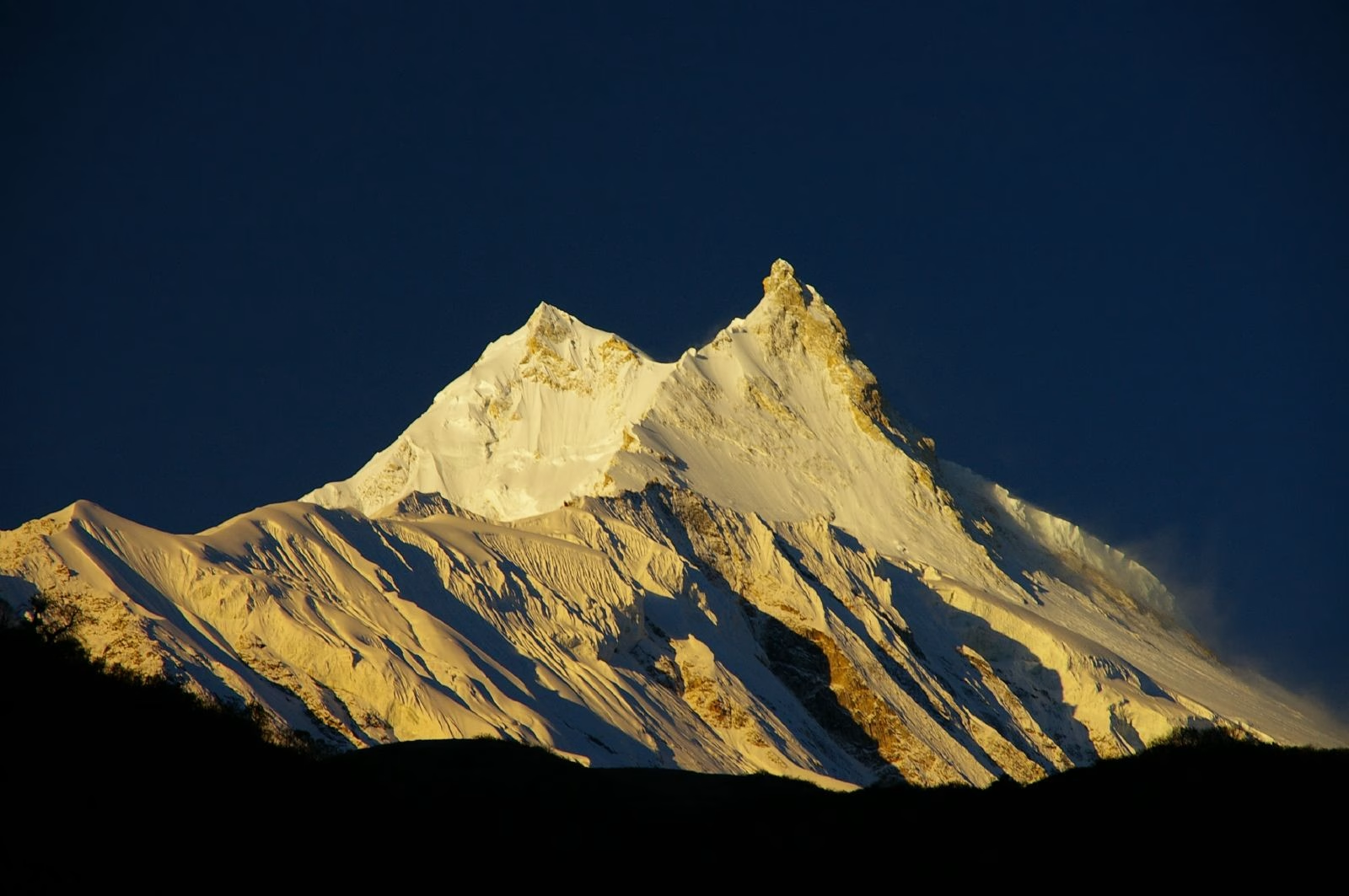
Manaslu Expedition: Thus, it lies in high elevation and extreme fun. It is, after all, home to the eighth-highest peak of this wonderful world, Mount Manaslu (8163m). This climb offers an excellent experience for seasoned mountaineers who are looking for their first expedition at an 8,000-meter peak. Lying in the remote west-central part of Nepal. Manaslu is renowned for its pristine beauty, alpine wilderness, and a thrill such as no other. The expeditions kick off with a beautiful drive from Kathmandu to Arughat. And thus wrap into a trekking trail, rich in cultural experiences, across the Manaslu Conservation Area. Here you travel through picturesque villages, terrace fields, and old monasteries, basking in the dramatic setting of the Himalayas.
From the base camp, climbing involves several rotations through four camps strategically placed along the mountain’s slopes. Each stage in the ascent is carefully planned to obtain acclimatization, safety, and performance in thin air. Supported by experienced Sherpa guides and professionals, climbers continue on to the summit when stable weather conditions permit. The approach requires climbing snow ridges and icy patches and negotiating crevasses, all very technical and requiring high-altitude endurance. The reward for successful summiteers is jaw-dropping views of the neighboring peaks. And a lingering sense of satisfaction to have triumphed over Manaslu.
On the return leg of the trek, these familiar villages will be the venue for quiet contemplation. And raucous celebration shared with other enthusiasts. This journey is not simply an exhilarating achievement in the world. As it also turns out to be a great adventure with much attraction in terms of cultural and natural wonders. The Manaslu Expedition is an expedition for those who want their mountaineering challenges to be serious and want to practice in some of the most isolated sections of Nepal.
Trek Note: Manaslu Expedition
Trek Duration: 36 Days
Max Elevation: 8,163M
Trek Grade: Strenuous & Technically Demanding
Best Season: Spring (April-May), Autumn (September-October)
Accommodation: Teahouses & Camping
Permits Required: Manaslu Restricted Area Permit, MCAP Permit, Climbing Permit, Liaison Officer
Manaslu is becoming increasingly popular among climbers attempting to make their first 8,000-meter summit in Nepal’s rare and untouched regions. The expedition starts with an overland drive to Arughat and a trek through culturally rich villages of the Budi Gandaki Valley. The walking path gradually climbs through tropical forests, deep gorges, and high alpine settlements, which transition between spectacular scenery and Tibetan-influenced culture.
Climbers will acclimatize and gather strength from the gentle events at Sama Gaon before heading for the Manaslu Base Camp set at 4800 m. The climbing phase follows subsequent acclimatization forays through four higher camps, which were carefully placed for altitude adjustment and safety concerns. The summit push involves an arena where snow-clad ridges and technical ice challenge the climb along with the changing moods of the mountain itself. Such an arena needs skill and patience.
Summit day means exerting the endurance, mental capability, and sheer will required to stand atop Manaslu, an imposing 8,163-meter peak. The descent will follow the track down to Base Camp and onto the lower valleys, providing time for celebration and reflection. The Manaslu Expedition will suit climbers with an adventurous spirit looking for an excellent Himalayan challenge yet a more peaceful experience. Blaze Mountain provides every support needed for a secure ascent, including top expert Sherpa guides, safety equipment, logistics management, and emergency protocols, thus making your journey up there as safe and memorable as the mountain.
Additional Information:
You can access full details regarding the Manaslu Expedition from our website. If you need any extra information or extra service, feel free to contact us. To meet our agent, please follow the link, and/or if you want to talk to us directly, you can call our office at 01-4522505.
Specialty of Manaslu Expedition
In the center of the isolated Himalayas, Manaslu, the eighth-highest mountain in the world, provides an unadulterated, less commercialized expedition experience. Climbers seeking their first 8,000-meter summit are increasingly choosing the Manaslu Expedition because of its difficult routes, cultural immersion, and fewer crowds. These are the unique features that make it unique.
- Ideal 8,000-Meter Peak for New Climbers
Shining at a height of 8,163 m, Manaslu is one of the best initiating peaks in the world of 8,000 m high expedition peaks for experienced high-altitude trekkers. This gives huge technical challenges without that much pressure of overcrowded routes. It is possible for climbers to try their limits on endurance, rope technique, and glacier navigation in a controlled but really exciting environment. It also comes with great personal reward for the summit and lays the pathway for even greater goals in Himalayan summits. - Immaculate Wilderness and Less-travelled Trails
Manaslu, unlike Everest or Annapurna, is still a virgin land of sheer natural beauty and tranquility, untouched by the mass trekking routes. Quite torn ruggedness, gorges, and wild alpine forests cover the trails. The expedition offers solacing views of Manaslu, Himlung, and other enormous peaks in the surroundings. Because there are fewer climbers on the route, it translates to more privacy, solitude, and contact with the mountains. - RG Tibetan Influence and Cultural Richness
The lower parts of the Manaslu region are inhabited by ethnic Gurung and Tibetan communities who have a rich tradition and spirituality. Ancient monasteries, spinning prayer wheels, and colorful prayer flags along your path across the journey. Visiting places like Sama Gaon is a journey that gives a chance for deep cultural insight and warm hospitality. So the mix of adventure along with culture serves to make the experience more holistic and soulful. - Challenging yet Attainable Technical Ascent
Manaslu is not as severe as Everest, but it still demands a solid base of alpine climbing and glacier travel. Fixed rope ascents, crevasse crossings using fixed rope, and rotations at a camp prepare climbers for ascents above 8,000 meters in the future. The push to the summit is high-altitude endurance, technical focus, and weather planning. This is the ultimate heaven for any serious mountaineer-a fulfilling combination of physical challenge and skill refinement. - Professional Assistance and Safety of Expeditions
Every possible aspect of the expedition is taken care of extremely well in every detail. You are among experienced Sherpas, high-altitude porters, and a dedicated logistics team. The itinerary has very sufficient acclimatizations, medical backup, and also emergency arrangements. Your safety, comfort, and summit success are our concerns to create a worthwhile and wonderful Himalayan journey.
Is the Manaslu Expedition Right for Trekkers and Climbers?
- The Manaslu Expedition is ideal for experienced high-altitude trekkers and climbers aiming for their first 8,000-meter summit.
- It combines challenging mountaineering with scenic trekking through remote and culturally rich areas of the Himalayas.
- Climbers should have prior experience at elevations above 5,000 meters and be familiar with basic mountaineering techniques.
- The route includes technical sections with snow, ice, crevasses, and steep ridges that require the use of fixed ropes and crampons.
- Participants must be in excellent physical condition and mentally prepared for long days in extreme weather and altitude.
- The expedition involves multiple acclimatization rotations to higher camps before the final summit push.
- Trekkers without climbing experience can join the approach trek to Base Camp, but summit attempts should be left to trained climbers.
- It is not suitable for beginner trekkers or those without prior multi-day high-altitude experience.
- Blaze Mountain provides professional guides, Sherpa support, and all logistical safety measures to ensure a secure and rewarding climb.
- Overall, this expedition is perfect for those seeking a serious climbing challenge in a less-crowded and truly adventurous setting.
Who Should Join the Manaslu Expedition?
- Experienced trekkers who have completed high-altitude treks and want to transition into mountaineering.
- Intermediate to advanced climbers looking for a 7,000-meter peak before attempting 8,000-meter summits.
- Adventure seekers who enjoy remote, off-the-beaten-path Himalayan expeditions.
- Physically fit individuals with a strong mindset and the ability to endure long, challenging climbs.
The Manaslu Expedition is an incredible experience that will push your boundaries and reward you with breathtaking Himalayan vistas and a genuine sense of success if you possess the willpower, physical stamina, and enthusiasm for high-altitude adventure. Climbers who are prepared to take on the challenge can participate in this adventure since Blaze Mountain guarantees a safe and well-supported trek.
Best Season for the Manaslu Expedition
The Manaslu Expedition is most enjoyable in the spring (April–May) and fall (September–October) seasons. The best climbing conditions, clearest skies, and most consistent weather are available throughout these seasons. While the peak may be ascended year-round, each season brings various obstacles and advantages for trekkers and climbers.
- Spring (March to May) – The Climbing Season
Spring is considered the best climbing season for Manaslu, as it provides perfect conditions for summit attempts. Temperature rising steadily after winter and the snow beginning to stabilize makes climbing safer and more manageable. Days are longer, giving good sunlight and longer climbing windows. The trail is covered in blooming rhododendrons, and Base Camp enjoys mild temperatures to make a comfortable base for climbers. During this period, clear skies and stable weather conditions are common, making acclimatizing smoother and summit pushes easier. Most major expeditions, including some professional teams, come to this mountain to climb during spring. - Summer/Monsoon (June to August) – Harsh Conditions
These months are filled with pouring rain over Nepal, the months considered the very least favorite for the expedition of Manaslu. Heavy rainfall in this country during the summer months brings increased risk of landslides as well as muddy trails, and sometimes the weather turns out to be very unpredictable. Those days, the trail becomes slippery, and visibility can be poor due to frequent cloud cover and rainstorms. Besides, during monsoon, moisture remains continuously pouring, rendering the terrain so hazardous, particularly at higher altitudes. In addition to that, the monsoon time does not favor stable weather patterns, which adds more hazards to climbing above the elevation line. In fact, this time is generally not recommended for climbing. - Autumn (September to November) – Most Suitable for Climbers
Autumn is the second-best season for the Manaslu Expedition after spring. The post-monsoon weather pat approaches further stabilization; clearer skies and cooler, dry conditions prevail, which are perfect for climbing. Days grow a bit shorter during this incredible climbing season; however, the temperatures at Base Camp and even higher altitudes begin to drop much earlier in the season. This seems to be the period of the year in which climbers feel most comfortable, as the crowds of spring thin out quite a bit and leave behind a better chance of enjoying a quieter and more focused expedition experience. Even though the weather in general is more predictable, the chances of rain and storms are much lower than in spring. Clear skies and moderate temperatures at higher altitudes have inspired many climbers to prefer autumn as a season for climbing. - Winter (December through February)- Harsh and Dangerous
Himalayan winter conditions are typical for the mountains, keeping the climbs almost impossible and definitely dangerous. Malediction is the change of temperatures, falling dramatically at higher altitudes, extreme cold, and intolerable gales that form an unfriendly atmosphere for climbers. Snowfall is heavier, and the weather is very unpredictable, so there is a clear chance of avalanches and blizzard conditions. It conditions that make trekking and climbing hard since it lowers temperatures and freezes sources of water. Better avoided, except in the case where a lot of experience in conditions of extreme winter climbing is present and also a good part of the team is professional. Very few expeditions are managed for the summit of Manaslu in winter as they come across lots of challenges in terms of logistics and safety.
Weather Table of Manaslu According to Altitudes
| Altitude (m) | Day Temperature (°C) | Night Temperature (°C) | Weather Conditions |
|---|---|---|---|
| 1,000m – 2,500m | 20°C to 25°C | 10°C to 15°C | Warm during the day, cooler nights, clear skies with occasional clouds. |
| 2,500m – 4,500m | 15°C to 10°C | 5°C to -5°C | Milder temperatures with some light rainfall, colder nights with cool winds. |
| 4,500m – 6,500m | 5°C to 0°C | -10°C to -15°C | Cold with occasional snow, winds begin to pick up in higher elevations. |
| 6,500m – 8,000m | -5°C to -10°C | -20°C to -30°C | Harsh winds, extreme cold, snowstorms more frequent. |
| 8,000m – 8,163m (Summit) | -20°C to -30°C | -30°C to -40°C | Extreme cold, powerful winds, very low oxygen, blizzards common. |
Local Culture and Tradition Around Manaslu
To Manaslu, this wonderful region of western Himalaya becomes a wonderful geographic cradle of democracy by giving a place not only in the realm of beauty but in culture too. The people include Tibetan Buddhists and the Gurung and Tamang ethnicities as important elements in the area. A lifestyle still whenever close to the Tibetan roots has remained intact, as the stronger tong said was influenced by Buddhist traditions. It said to trek around places like Soti Khola, Machha Khola, and Samagaon, within the Manaslu Circuit Trek: wonderful opportunities to experience close life by the local people in an unusual settlement affected by Tibetan influence; ancient customs thus still hold.
Around Manaslu, Buddhism forms the crux of everyday life: here, monasteries, stupas, and prayer wheels dot the landscape. It is more than mere symbols of religious significance, for they are rooted at the spiritual heart of the community. Trekking travelers to this Himalayan area could visit historical monasteries within Samdo and Samagaon, where monks still perform meditation and ritual practices inherited and passed on by their forebearers down to the current generation. Amidst these sceneries dotted by Mani Stones inscribed with intricate prayers and mantras, fluttering prayer flags cast an aura of tranquility and introspection along the trekking route.
Various traditional festivals are celebrated throughout the region, but the biggest two are Lhosar (Tibetan New Year) and Tihar (festival of lights). All these festivals make the village a life dance, song, and eating with spirits associated with deities, ancestors, and mountains. Trekkers have an unrivaled opportunity to enjoy the rich cultural heritage of the area, where the music and dance are used as an avenue for celebration as well as for the spirituality of the community toward the most important aspect: nature. Indeed, this region of Manaslu is a great ordeal of body and culture, something that is wonderful with experience, sharing deep understanding into a life that has not really evolved for centuries.
Food & Accommodation Facilities During Manaslu Expedition
The Manaslu Expedition makes sure that hikers and climbers are comfortable and well-fed throughout their trip by providing a variety of Western cuisine options in addition to traditional local dishes. Because of the high altitude and remote nature of the walk, the facilities, however simple, offer the warmth and shelter that are required. Here’s what to expect during the expedition:
Food Options
During the Manaslu Expedition, trekkers and climbers will be provided with a variety of local and Western food choices to maintain their energy levels.
- Local Cuisine: The cuisine is primarily composed of traditional Tibetan and Gurung food, such as Dal Bhat (lentil soup and rice), Tibetan bread, momos (dumplings), and Sherpa stew. These carbohydrate-rich foods are designed to fuel long days of trekking at high altitudes and provide the proteins and vegetables necessary for strength and recovery.
- Western Food: To break the pace, most of the lodges on the trail offer Western cuisine like pancakes, sandwiches, pasta, and fried potatoes. They are great comfort foods for a quick energy boost, especially for trekkers who have to take a break from the local food.
- Refreshments & Beverages: Chocolates, biscuits, and dried fruits are often available along the trail. As an extra luxury, tea, coffee, and hot chocolate are often served, which serves to give both warmth and hydration after a cold day on the trail.
Accommodation Options
Accommodation during the Manaslu Expedition is simple but comfortable, designed to offer rest and warmth after long days of trekking.
- Tea Houses & Lodges: The most common form of lodging along the trail is from tea-houses and lodges. Rooms are rather basic but comfortable, with options to share with friends or to rent private rooms. Their hospitable and friendly service makes those stays feel a little more homely and, of course, welcoming with the local hosts, primarily coming from the Tibetan and Gurung communities.
- Higher Altitude Accommodation: As the trekker progresses along the ascending trail, the accommodations start getting more basic. At higher altitude, rooms become colder with fewer facilities, mostly including shared toilets and bathrooms. However, such local Sherpa hospitality remains common; even simple arrangements, trekkers feel at home.
- Camping at Height: At higher altitudes camping may be mandatory, mainly for a process of acclimatization. Trekkers will be accommodated in tents pitched in beautiful quiet surroundings among the Himalayas. Camping provides the perfect opportunity to have a good night’s sleep before tackling the next leg of the journey.
With a decent mix of traditional and Western cuisine options and simple, welcoming lodging, the Manaslu Expedition makes sure that hikers are fed and comfortable during the trip. This combination ensures a successful and easy trek by keeping climbers refreshed and energized.
Necessary Gear for the Manaslu Expedition:
Proper gear is essential to ensure safety, comfort, and success on the Manaslu Expedition. The gear must be suitable for both the lower altitudes and the challenging high-altitude conditions of this trek.
Clothing:
- Base layers (thermal tops and bottoms): Essential for regulating body temperature by wicking away moisture and providing warmth.
- Fleece jacket or down jacket: These layers will keep you insulated and protected from cold weather, especially in high-altitude conditions.
- Waterproof and windproof outer layer: A durable jacket will protect against snow, rain, and strong winds, which are common at higher altitudes.
- Trekking pants (water-resistant): Water-resistant pants will ensure your legs stay dry and comfortable while trekking through varied terrain.
- Insulated gloves and warm hat: Cold hands and head can lead to discomfort and fatigue, so high-quality gloves and a hat are essential for warmth.
- Thermal socks and mountaineering boots (insulated): Thick, moisture-wicking socks combined with sturdy, insulated boots will protect your feet from the cold and ensure comfort on long days.
Climbing Equipment:
- Crampons: These will provide the necessary traction on icy surfaces, preventing slippage when navigating steep or frozen terrain.
- Ice axe: Vital for stability and support on ice and snow-covered slopes, offering extra grip when climbing.
- Harness and ropes: For safety during the climb, ensuring secure movement on vertical sections or ice-covered terrain.
- Climbing helmet: A must-have to protect your head from falling rocks and ice, especially on the summit push and other technical sections of the climb.
Camping and Sleeping:
- Sleeping bag (rated for extreme cold): A high-quality sleeping bag is necessary for warmth during cold nights at higher altitudes, ensuring you get proper rest.
- Sleeping pad for insulation: The sleeping pad provides both comfort and insulation from the cold ground, which is essential for a restful sleep.
- Tent for high-altitude camps: A weather-resistant, insulated tent is necessary to withstand high-altitude conditions, offering shelter from strong winds and snow.
- Headlamp with extra batteries: Essential for navigating the camp area and for any night-time treks. Ensure the headlamp is bright and reliable.
Health & Safety:
- First aid kit: A comprehensive first aid kit, including essentials like bandages, antiseptic, and pain relievers, is crucial for addressing injuries or emergencies on the trail.
- Altitude sickness medication: To prevent and manage symptoms of altitude sickness, carry recommended medications and always monitor your condition.
- Water purification system: Clean drinking water is not always available, so a purification system (tablets, filters, or purifiers) is essential for safe hydration.
- Sunscreen and lip balm: High-altitude sun exposure is intense, and protecting your skin from harmful UV rays is critical, so carry sunscreen and lip balm with SPF.
- Personal hygiene items: Items like biodegradable soap, wet wipes, and hand sanitizer will help maintain hygiene on the trail, where water sources may be limited.
Miscellaneous:
- Trekking poles: Essential for maintaining balance and reducing strain on the knees while trekking across uneven, rocky terrain.
- Sunglasses or goggles: Protect your eyes from harmful UV rays and snow glare at higher altitudes with high-quality sunglasses or goggles.
- Camera and power bank: Capture the incredible scenery and ensure your camera stays charged to document the journey.
- Backpack with rain cover: A reliable backpack will hold all your gear, and a rain cover will protect your equipment during sudden downpours or snowstorms.
Why Choose Manaslu Expedition with Blaze Mountain?
Blaze Mountain is the best using when the Manaslu expedition is in question. It essentially comes down to safe and professional guided adventure that is truly one to remember. The well experienced and certified guides in this area have specialized in the Manaslu region and high-altitude mountaineering with the view of additional enjoyment and safety during the journey. They also provide expert local Sherpas who know well the terrain, culture, and weather for additional authenticity and safety in the experience. The guiding team has well trained in first aid and high-altitude rescues, so every trek should be undertaken with the understanding that hands are indeed capable through the entire event.
Blaze Mountain offers complete logistical services from the start to the very end: airport pickups and hotels in Kathmandu and then transportation to the trail into the mountains. Our itinerary is well structured with proper acclimatization schedules to keep you healthy and safe while going through the causeways of high altitudes. We take care of each and every permit and meal and accommodation along the trail so that you can spend all that time concentrating on the journey. Blaze Mountain is dedicated to safety and support for a seamless experience; it will make your trip into Manaslu not just a trek but an unforgettable adventure.