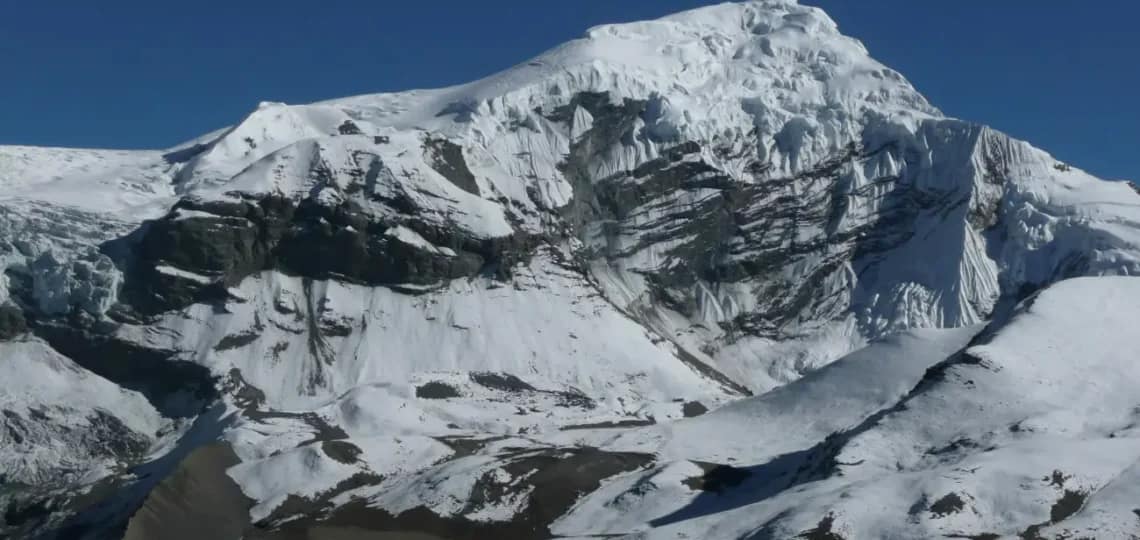
A notice of the mountain(Chulu Sudur Purwa) under the Damodar mountain range open for climbing has been published in the Nepal Gazette. The mountain falls within the Annapurna Conservation Area and is located in Manang district of Gandaki Province. To climb the 6,038 meters mountain, one can go to the base camp via Jomsom, Kagbeni, Jharkot, Muktinath, Thorang la and Ledar. Similarly, the base camp can be reached via Chame, Sipang, Humde, Manang Ledar.
Chulu is often connected to the Annapurna Circuit Trek for climbing. It is where one can see the enchanting views of Annapurna II, Annapurna III and Annapurna IV, Dhaulagiri, Tilicho and Manaslu. The Mountaineering Association of Nepal has been managing the mountain for climbing. Enter Chulu Sudur Purwa, a peak barely anyone’s had a crack at, tucked away in the Annapurna sub-range, and, get this, it’s just now been greenlit for climbing and trekking.
Forget elbowing your way through Everest crowds or getting photobombed on the Annapurna Circuit. Nah, this one’s got actual breathing room. Real wild vibes. It’s the kind of place where you actually feel the mountains, instead of just ticking off another Insta-worthy checklist. So if you’re itching for the real deal, something raw, something legitimately adventurous, Chulu Sudur Purwa is basically calling your name.
The Mountain and Its Mystique
Chulu Sudur Purwa Yeah, not the mountain everyone’s Instagramming, but maybe that’s the whole point. Tucked along the Annapurna trekking trails, it’s always living in the shadow of its flashier neighbors, Chulu East and Chulu West. But honestly? That’s the charm. You won’t be dodging crowds or tripping over noisy trekking groups here. It’s got this raw, untouched vibe that the big names lost ages ago.
We’re talking over 6,000 meters of altitude, so it’s no walk in the park. You’ve got to have your high-altitude game on, no question. Still, it’s doable, challenging, for sure, but not some Everest-level ordeal. And when you finally haul yourself to the summit? Man, the views are bonkers. Annapurna II, III, IV, Gangapurna, and Tilicho Peak all pop into view, and you get this insane panorama of Marsyangdi Valley stretched out below. It kind of feels like you’re looking down on the world.
If you’ve already ticked off the standard Annapurna routes and you’re jonesing for something a little different, a little wilder, this one’s your move.
Best Season to Climb Chulu Sudur Purwa

Alright, let’s get real for a sec climbing in Nepal is all about timing. The Himalayas? Wild, unpredictable, and absolutely bonkers beautiful. Pick the wrong season and you’ll probably end up cursing your life choices somewhere on a soggy, freezing trail. So, when’s the magic moment for Chulu Sudur Purwa? Glad you asked.
Spring (March to May)? Oh man, that’s peak season. Literally. The weather chills out, skies clear up, and the mountains look like they’ve been Photoshopped. Rhododendrons everywhere, like Mother Nature went nuts with a paintbrush. Plus, snow conditions? Stable. No one wants to play Russian roulette with avalanches, right?
Then there’s autumn (September to November). Just after the monsoon packs its bags and leaves. The air feels fresh enough to bottle, the mountains are flexing in full glory, and you get those insane blue skies that make you wonder if you accidentally wandered onto a postcard. Trails get busy, sure, but there’s this buzz people from all over the globe chasing the same thrill. If you’re after those panoramic Annapurna and Manang valley views, autumn’s your golden ticket. No joke.
Now, for the hardcore crowd winter (December to February). Yeah, you can climb, but let’s not sugarcoat it: it’s brutal. Freezing temps, heavy snow, and you’ll probably run into more yaks than humans. If you’re into that kind of solitude and don’t mind your eyelashes freezing together, by all means, go for it.
Summer (June to August)? Just don’t. Monsoon rains turn the trails into slip ‘n slides. Landslides, leeches, mud everywhere. Visibility is basically “guess what mountain I’m on?” Not cute.
So, if you’re eyeing a trip with Blaze Mountain Travel, circle those spring and autumn months in red. That’s when the Himalayas are basically rolling out the red carpet for you. Otherwise, well, hope you like mud and loneliness.
Food and Accommodation on the Trekking Trail
Alright, let’s dig in a little deeper because, seriously, there’s way more to the food on Nepal’s trails than just filling your belly.
First off, there’s this almost ritual vibe to meal times. You drag yourself into a tea house, and it’s like no matter how filthy or broken you feel, someone’s waiting to hand you a hot mug of tea and a smile. You’re not just eating; you’re rejoining civilization, even if it’s just for an hour. And there’s this unspoken camaraderie, too. Hikers from all over the world, crowded around rough wooden tables, swapping tales and blisters, all united by one thing: the pure joy of eating something that isn’t another bland protein bar.
And man, dal bhat isn’t just food; it’s a whole philosophy. Locals will tell you dead serious if you eat dal bhat, you can hike for days. It’s almost a running joke, but there’s some truth to it. Something about that mix of carbs, protein, spice, and veggies just hits right. Plus, most hosts will keep refilling your plate until you physically stop them. You want seconds? Thirds? Go for it. Nobody’s judging.
Oh, and don’t even get me started on the little surprises along the way. You expect noodles, sure, but then you stumble into some tiny lodge where the owner’s baking apple pie at altitude, and it tastes magical. Or you find homemade yak cheese or a thermos of salty Tibetan butter tea (okay, that one’s an acquired taste, but still points for adventure). Sometimes you’ll run into a festival, and suddenly you’re eating sel roti, these sweet, ring-shaped rice doughnuts, straight out of the fryer. It’s like a traveling buffet of Nepalese culture.
The setting’s half the charm, too. You’re huddled up in these drafty, wood-paneled rooms, wrapped in scratchy blankets, steam rising from your plate while the wind howls outside. It’s not five-star dining, but honestly, who cares? There’s something about eating by headlamp, shoveling down hot food with numb fingers, that makes everything taste epic. Plus, after a day of hiking through wild valleys and over suspension bridges, your standards are basically: “Is it hot? Is it edible? Sold.”
So yeah, Nepal’s trekking food isn’t just fuel. It’s comfort, connection, and a crash course in local life all dished up at the end of the world, one steamy plate at a time.
Culture and People of the Region
Annapurna’s not just a bunch of snow-capped monsters poking at the sky, seriously; the real story here is the people. You head up toward Chulu Sudur Purwa thinking you’re all about that mountain life, but man, you walk into these villages, and suddenly it’s like, whoa, culture bomb. There’s this whole patchwork of influences Tibetan, Thakali, and Gurung blending together in a way that makes every stop a brand-new vibe.
Let’s talk about the Thakali folks for a sec. Their food? I mean, dal bhat is good everywhere, but the Thakali version is next level. There’s this buttery, spicy magic to it. You’re freezing at 3,000 meters, and then out comes this steaming plate, and boom, life is good again. And don’t get me started on the apple brandy. Yeah, the local stuff will warm you up and maybe knock you sideways if you’re not careful.
And the Gurung? Masters of making you feel like you’ve just come home, even if you’re a total stranger with mud on your boots. Doors are open, smiles are real, and there’s always a kettle of tea brewing, just in case you’re cold or, you know, a little lost.
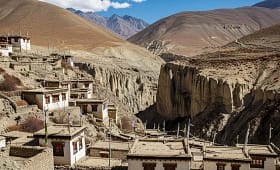
Walking through Manang, or let’s be real, even the random, blink-and-you’ll-miss-them villages, you’re surrounded by history and spirituality. Prayer flags fluttering in the wind, mani walls stacked with centuries of hopes and worries, and these monasteries that honestly look like they’re held together by prayers and a little bit of stubbornness. Kids running around yelling “Namaste!” like it’s the local Wi-Fi password, and old ladies spinning prayer wheels with this kind of meditative grace that makes you want to slow down and just…watch.
If the timing’s right, you stumble into a festival of total sensory overload. Drums pounding, everyone out in their best clothes, the whole village shaking off the daily grind for a day of dancing and chanting. There’s no way to fake that level of community. It just sort of hits you this is what people mean when they talk about “living tradition.” It’s not a museum. It’s messy, loud, and full of laughter and smoke and sometimes a goat wandering through the crowd.
So yeah, the mountains are big, but the stories, the people, and the rituals are even bigger. You start off climbing for the views, but in the end, it’s the shared cups of tea, the music, and the feeling that you’ve peeked into someone else’s world that actually hang around in your memory way longer than any summit photo. The human side of the Himalayas? That’s what sticks.
The Challenge of High-Altitude Climbing
Listen, anything over 6,000 meters isn’t just a “walk in the park.” Chulu Sudur Purwa straight-up demands some respect. We’re talking about a legit Himalayan trek, not some Sunday stroll. You have to show up with lungs of steel, a stubborn streak, and, honestly, the guts to keep moving when your head’s spinning and the air feels thinner than your phone signal up there.
But hey, don’t freak out. With a solid guide and a half-decent plan, high-altitude Nepal can smack you in the soul in the best way. Those rest days kicking around Manang? Total game-changer. Your body gets a breather, and you get to poke around ancient monasteries, wander up little side trails for “acclimatization” (aka gasping and pretending you’re not winded), and pound back ginger tea while the Annapurna massif just sits there, showing off.
The altitude headaches? They fade. But that summit view? That’s living rent-free in your brain forever.
| Altitude (m) | Day Temperature | Night Temperature | What It Feels Like |
|---|---|---|---|
| 2,500 m (Chame) | 15°C to 20°C | 5°C to 10°C | Cool, light jacket weather. Perfect tea house vibes. |
| 3,500 m (Manang) | 10°C to 15°C | 0°C to 5°C | Crisp air, warm sun but chilly shade. Nights need a good sleeping bag. |
| 4,500 m (Base Camp) | 5°C to 10°C | -5°C to 0°C | Day is manageable, nights bite hard. Hot tea is your best friend. |
| 5,500 m (High Camp) | 0°C to 5°C | -10°C to -5°C | Cold hits different here layers, gloves, and grit are non-negotiable. |
| 6,555 m (Summit) | -5°C to -10°C | -15°C or below | Brutal cold, whipping winds. Every breath feels like work but the view is pure Himalayan magic. |
Suggested Itinerary for Chulu Sudur Purwa Trekking and Climbing
Forget boring old PowerPoint itineraries. Here’s how a trek up Chulu Sudur Purwa actually feels none of that “day one, walk; day two, walk more” nonsense. Every single day on the trail? It’s a wild card. Some days you’re gasping for air, wondering why you ever left your couch. Other days, you’re just chilling out, sipping sweet milk tea with a bunch of locals who’ve probably seen more mountain sunrises than you’ve had hot dinners.
So, if you want to know what’s really up, here’s a rough-and-ready rundown for tackling Chulu Sudur Purwa. Props to Blaze Mountain Travel for piecing together an itinerary that doesn’t just drag you up the mountain but actually gives you space to breathe, soak it all in, and, you know, not totally collapse by day three.
Day 1: Arrival in Kathmandu (1,400m)
Your Nepal trekking journey begins in Kathmandu, the chaotic yet colorful capital of Nepal. The air smells of incense, motorbikes weave through ancient alleys, and every corner is packed with temples. Blaze Mountain staff will meet you at the airport, and by evening, you’ll enjoy a traditional Nepali dinner while your guide briefs you on the Himalayan trekking adventure ahead.
Day 2: Drive to Besisahar and Syange (1,100m)
Leaving Kathmandu, the road winds through green hills, terraced farms, and rivers that roar like they have something to prove. After reaching Besisahar, the gateway to the Annapurna Circuit trek, you’ll continue toward Syange, a riverside village that hums with trekkers preparing for the journey.
Day 3: Trek from Syange to Dharapani (1,960m)
Your Nepal trekking tour begins! The trail follows the Marsyangdi River, passing waterfalls that explode from cliffs like silver ribbons. The villages along the way still feel traditional, with stone houses, prayer flags, and smiling locals. By night, you’ll reach Dharapani, a hub where trekkers heading in different directions cross paths.
Day 4: Trek from Dharapani to Chame (2,670m)
The air turns crisper as you climb higher. The Annapurna trekking route here is lined with pine forests, apple orchards, and occasional glimpses of Annapurna II. Chame, the district headquarters of Manang, offers hot springs and cozy lodges perfect for your tired legs.
Day 5: Trek from Chame to Pisang (3,200m)
The mountains feel closer now. Walking past prayer walls and suspension bridges, you enter Pisang, a village split into Upper and Lower Pisang. From Upper Pisang, you’ll see panoramic views of Annapurna II and Pisang Peak. This is where Himalayan trekking culture really starts to shine.
Day 6: Trek from Pisang to Manang (3,540m)
The trail divides into lower and higher routes, and the high route through Ghyaru and Ngawal is a dream for photographers—stone villages perched high above the valley, with views of Annapurna III and Tilicho Peak. By evening, you arrive in Manang, the cultural heart of the Annapurna region.
Day 7: Rest and Acclimatization in Manang
This is a crucial part of high altitude trekking in Nepal. Rest days prevent altitude sickness and give you time to explore. You can hike to Gangapurna Lake, visit monasteries, or attend altitude lectures by the Himalayan Rescue Association. Even resting here feels like an adventure.
Day 8: Trek from Manang to Yak Kharka (4,050m)
Leaving Manang, the air grows thinner and the landscape rougher. You’ll pass yak pastures (yes, real yak cheese is sold here!) and climb slowly to Yak Kharka. Every step feels harder, but every view gets bigger.
Day 9: Trek from Yak Kharka to Chulu Base Camp (5,100m)
This is where the Chulu Sudur Purwa climbing expedition breaks from the usual Annapurna trekking route. You’ll leave the main trail and head toward the Chulu range. The trail is steep but rewarding, and by night you’ll set up camp under starry skies at the base of the mountain.
Day 10: Rest and Acclimatization at Base Camp
Climbers spend this day preparing for the summit attempt checking gear, practicing rope techniques, and allowing the body to adapt to the altitude. Sherpas and guides set up the climbing route, and you’ll feel the anticipation building.
Day 11: Summit Day – Chulu Sudur Purwa (6,000m+)
This is the day you’ve been dreaming of. Waking up before dawn, you’ll climb slowly, roped together with your team. Ice, snow, and rock test your endurance, but as the sun rises, the Himalayas turn golden around you. Reaching the summit, you’ll see Annapurna II, III, IV, Tilicho, Gangapurna, and endless ranges glowing under the sky. This moment makes every step worth it. After soaking in the victory, you descend back to Base Camp.
Day 12: Trek back to Yak Kharka
With the summit complete, the trail feels lighter, easier. You’ll descend carefully, retracing your steps back to Yak Kharka. Celebration begins quietly your team knows they’ve conquered something special.
Day 13: Trek from Yak Kharka to Thorong Phedi (4,450m)
Instead of heading straight back, the adventure continues toward the legendary Thorong La Pass trekking route. This keeps the journey circular and adds another Himalayan gem to your story.
Day 14: Cross Thorong La Pass (5,416m) to Muktinath (3,800m)
One of the highlights of the Annapurna Circuit trek crossing Thorong La Pass. It’s a tough climb, but the views are world-class. By evening, you descend into Muktinath, a sacred pilgrimage site where Hindu and Buddhist traditions blend seamlessly.
Day 15: Trek from Muktinath to Jomsom (2,720m)
Walking through the arid Kali Gandaki Valley feels like stepping into Tibet. The wind whistles through the gorge, and you’ll pass villages like Kagbeni, known for their ancient monasteries and apple orchards. By night, you’ll rest in Jomsom.
Day 16: Fly from Jomsom to Pokhara (820m)
A short flight drops you into Pokhara, Nepal’s lake city. After weeks in the mountains, Pokhara feels like paradise lakeside cafes, hot showers, and the chance to relax.
Day 17: Drive/Fly back to Kathmandu (1,400m)
The adventure wraps up back in Kathmandu, where you’ll celebrate your successful Chulu Sudur Purwa trekking and climbing expedition with your team over dinner.
Extra Adventures Along the Route
Climbing Chulu Sudur Purwa doesn’t mean you’re locked into one goal. The surrounding trekking trails in Annapurna offer plenty of detours and side adventures:
- Tilicho Lake Trekking: A detour to one of the highest lakes in the world, a jewel set among snowy ridges.
- Manang Exploration: Wander narrow alleys, visit ancient monasteries, and meet locals whose families have lived here for centuries.
- Hot Springs in Tatopani: After days of tough Nepal trekking tours, nothing beats sinking into natural hot springs with a cold drink.
- Cultural Homestays: Stay with families, eat home-cooked food, and learn how mountain life flows far away from modern chaos.
These little extras turn the journey into a full-on Annapurna trekking adventure.
Why Climb with Blaze Mountain Travel?
Alright, let’s cut the fluff if you think organizing a Nepal peak climb is just like signing up for a hop-on-hop-off bus tour, you’re in for a rude awakening. This is the freakin’ Himalayas, not a stroll in Central Park. You need permits, you need to wrap your head around logistics, you need to not pass out from altitude, and you sure as hell need guides who actually know what they’re doing. That’s where Blaze Mountain Travel comes in swinging, making sure your adventure doesn’t turn into an episode of “I Shouldn’t Be Alive.”
Blaze’s guides? Absolute legends. We’re not talking about someone who’s just read a Lonely Planet guide and thinks they’re Bear Grylls. These folks have bagged Chulu Sudur Purwa more times than most of us have changed our socks. They know which paths actually go somewhere, what to watch out for, and how to keep things fun without getting reckless. Basically, you’re in safe hands, not rolling the dice on some random Sherpa-wannabe.
And when it comes to safety, Blaze doesn’t mess around. They bake acclimatization days right into the plan so you’re not gasping for air and regretting all your life choices by day three. You can actually enjoy the climb, instead of clutching your head and praying for a helicopter.
But here’s the kicker: it’s not just about dragging yourself to the top. Blaze wants you to soak up Nepal while you’re at it. You’ll swing by Gurung and Thakali villages, chow down on real local food (not just sad packet noodles), and trade stories with people who’ve actually lived on these mountains for generations. Suddenly, you’re not just a climber, you’re part of the story.
And honestly, Blaze gets that everyone’s wired differently. Maybe you’re the type who wants to sprint up that peak and flex on Instagram. Or maybe you’d rather take your time, savor the views, and meet some locals along the way. Either way, they’ll tailor the trip to fit your vibe not the other way around.
Bottom line: with Blaze Mountain, scaling Chulu Sudur Purwa isn’t just about ticking off a summit. It’s about the whole messy, beautiful, unforgettable ride. And honestly, isn’t that what you’re really after?