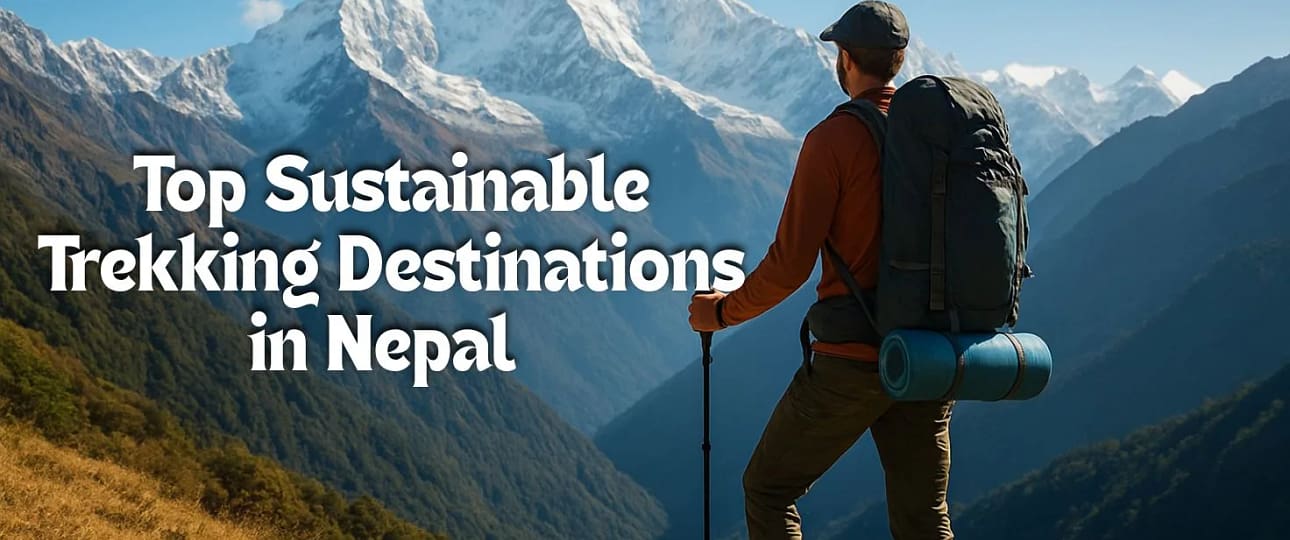
Alright, Sustainable Trekking Destinations let’s be real Nepal isn’t just a postcard with some mountains slapped on it. This place? It’s wild, It’s loud, It’s full of colors, smells, and, honestly, paths that’ll have your calves screaming for mercy and your heart doing little cartwheels. Anyone who heads out trekking here it’s not just about bagging another summit for the ‘gram or checking off the Annapurna Circuit like it’s a grocery list. Nah, it’s about getting mud on your boots in villages where people actually know every trail twist and tree, swapping stories that go way deeper than your average travel blog, and (here’s the kicker) not trashing the place for the next crew. Sustainable trekking?
Yeah, it’s a thing. You get to crash in those mountain lodges that don’t fry the planet, sip your tea in solar-powered teahouses, and wander trails that locals have been taking care of since, like, forever. Every step? Trust me, it matters. You’re not just a tourist you’re part of the story now.
Everest Base Camp – Khumbu Region
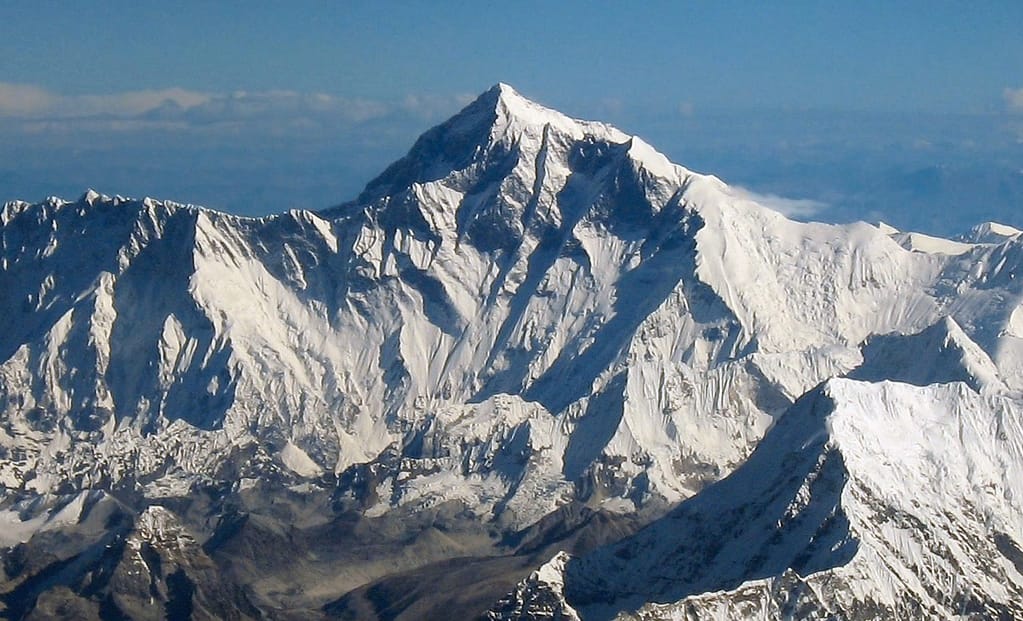
Alright, listen up Everest Base Camp isn’t just some hike you tick off a bucket list. Nah, it’s more like this wild, unforgettable head trip that grabs you by the soul and doesn’t let go. You kick things off in Lukla yeah, that airport everyone loves to post about, and before you know it, you’re shuffling through Namche Bazaar, dodging yaks and bargaining for last-minute gear. The bridges? Wobbly as hell, but hey, that’s half the fun. Old monasteries pop up like scenes out of a fantasy movie, and honestly, it feels like you’ve time-traveled or something.
And the locals? Absolute legends. These Sherpa folks have been living up here forever, and they’ve got the whole eco-friendly thing down way better than most cities. Solar panels on the rooftops, refillable water stations so you’re not tossing plastic everywhere, and the kind of community recycling that makes you rethink your own sloppy habits back home. Oh, and every morning? Ama Dablam shows up looking like the main character, all glittery and dramatic at sunrise. Kinda humbling, not gonna lie.
What really hits different is this mashup of adventure and culture. You slog through spots like Tengboche and Dingboche, meet people who know these mountains like the back of their hand, and suddenly you’re sipping butter tea (it’s weird, but just roll with it), swapping stories about climbers who basically have superpowers. Prayer flags whip around in the wind, and you get this gut feeling that you’re part of something way bigger.
Annapurna Circuit – Around the Annapurna Massif
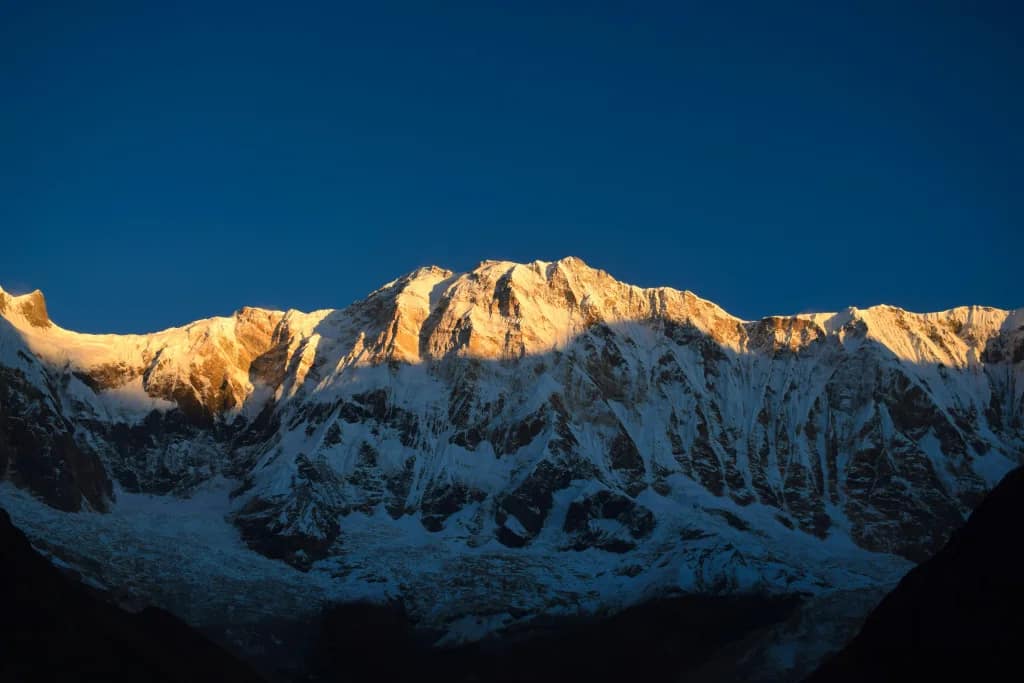
Man, the Annapurna Circuit what a wild ride. You kick things off slogging through these ridiculously green valleys, hacking your way past rice paddies and giant rhododendrons, probably sweating buckets, and then bam you’re up in this dry, high-altitude moonscape near Manang and Thorong La. The switch is nuts. Honestly, every step feels like you’re flipping the channel on a nature documentary.
And the villages? Straight out of a storybook, but with wifi and solar panels. Gurung grandmas in tiny mountain hamlets, prayer flags everywhere, yaks just chilling. Sometimes you’ll stumble into a local festival and feel like you’ve accidentally crashed someone’s family reunion except everyone’s weirdly happy to see you.
And that Thorong La Pass? 5,416 meters. That’s nosebleed altitude, You’re gasping for air, surrounded by more snow and ice than a freezer section, feeling like a tiny speck under a sky that looks way too big. If you weren’t obsessed with trekking responsibly before, you get it now. Reusable bottles, picking up trash, being nice to locals that stuff matters. Keeps the trail epic for whoever’s dumb enough to do it after you. That’s the magic of Annapurna, I guess. It kicks your butt, but you walk away with way more than sore legs.
Langtang Valley – The Valley of Glaciers
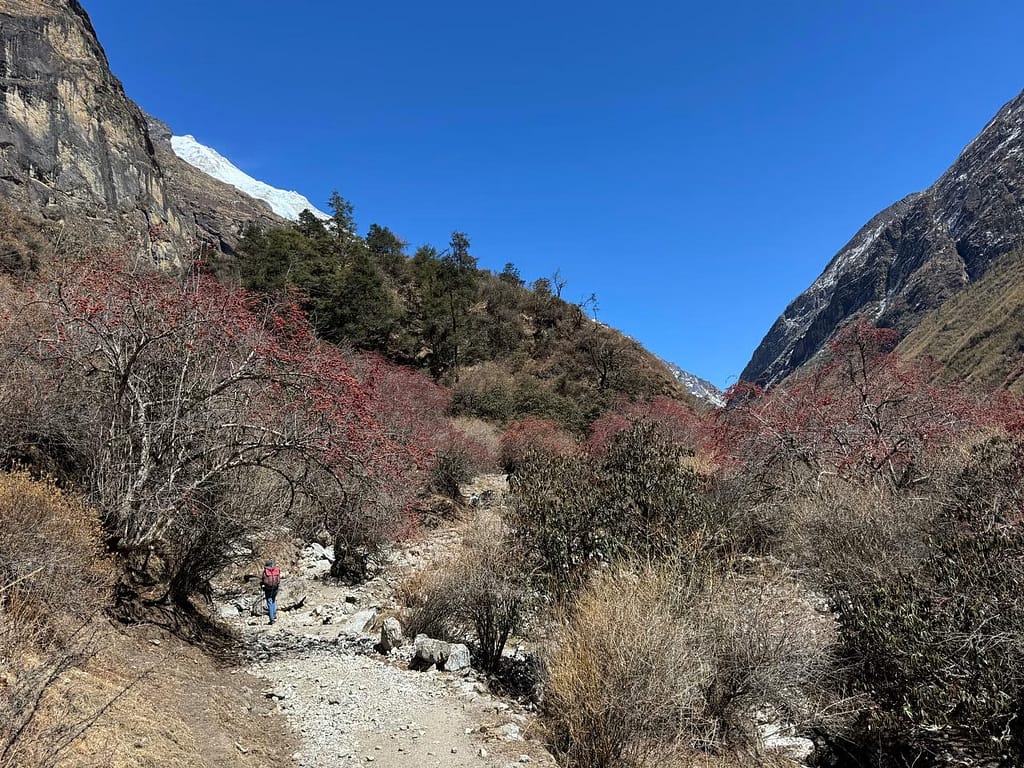
Let’s be real if you’re tired of playing bumper cars with other trekkers on those more famous trails, Langtang is your spot. After the earthquake in 2015, the area basically had to start from scratch. But, honestly? They rebuilt it with some serious eco-cred. Solar panels everywhere, lodges made from local stuff, and this whole vibe of “hey, let’s not trash the planet while we’re here.” You end up trekking through wild rhododendron forests, ducking under bamboo, and crossing rivers that look like they just leaped out of a snow globe. The mountains are right there, in your face, and you’re sleeping in places that don’t feel like they’re ruining the view.
The real magic, though, isn’t just the scenery it’s the people. Syabrubesi and Kyanjin Gompa? Man, you meet the Tamang folks, pop into these old monasteries that smell like incense and history, and get a taste of mountain life that’s about a thousand miles from your average tourist circus. The days move slow, the air’s thin, and there’s this quiet that just sort of seeps into your bones. Gives you space to think, you know? Plus, you start realizing that trekking here isn’t just about snapping photos; it’s about not screwing up something that’s been around way longer than you.
You actually pick up a thing or two about “sustainable trekking,” which, yeah, sounds like a buzzword, but in Langtang, it’s just how things work. Villages have proper trash systems, lodges keep their energy footprint tiny, and you’re kinda expected to pull your weight. By the end, standing there with glaciers all around, you get this weird sense that you’re not just taking from the mountains; you’re giving a little something back. And honestly, that’s way better than just ticking another trek off your list.
Manaslu Circuit – The Untamed, Wild Side of the Himalayas
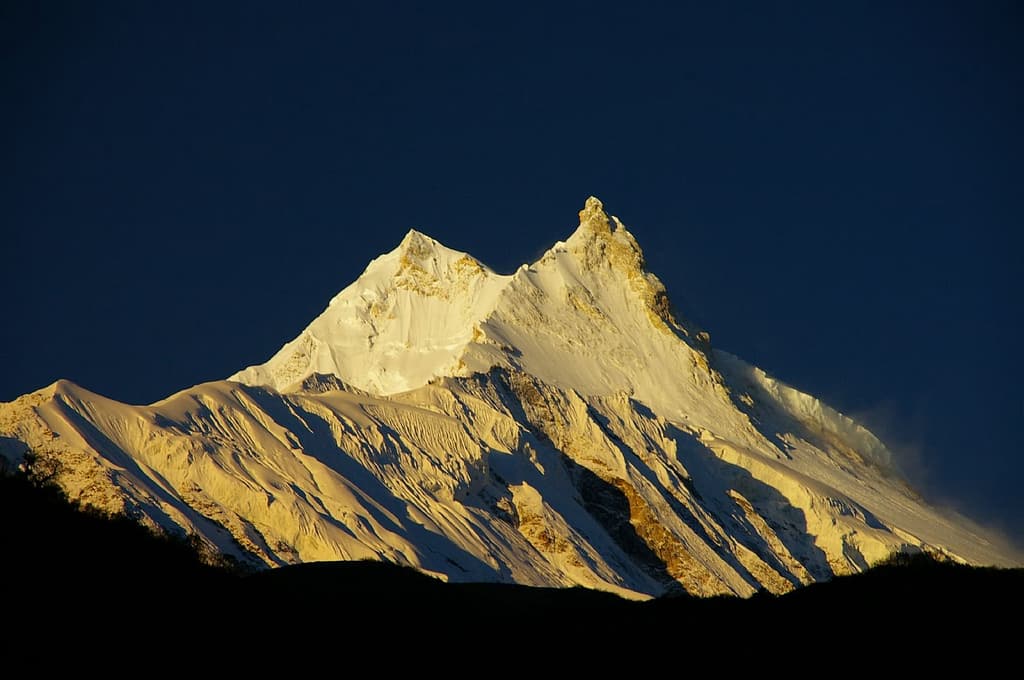
Honestly, if you’re tired of playing bumper-cars with other hikers on the Annapurna or Everest trails, Manaslu is like stumbling onto a secret level in a video game. Hardly anyone around, and the vibe is just… untouched. Forget all the hype about “hidden gems” this place actually delivers. You’re weaving through ancient villages, stumbling across old monasteries that look straight out of a movie, and gasping for air at those high-altitude passes (not kidding, the air’s thin up there).
Walking through spots like Sirdibas, Deng, and Namrung, you start noticing how people do things differently. Locals grow their own veggies behind the teahouses, fire up stoves that don’t guzzle wood, and slap some solar panels on rooftops. It’s like eco-tourism with actual receipts. Every cup of yak butter tea or plate of dal bhat you inhale?
Then there’s the Larkya La Pass over 5,000 meters up, which is code for “prepare to question your life choices.” But man, when you make it, just standing there, wind whipping your face, with Manaslu, Himalchuli, and Ngadi Chuli all showing off it’s unreal. The sense of “heck yeah, I did it!” is off the charts. Bottom line? The Manaslu Circuit isn’t just another notch on your trekking belt. It’s about how you get there, who you meet, and what you leave behind.
Helambu Trek – The Himalayan Village Vibe
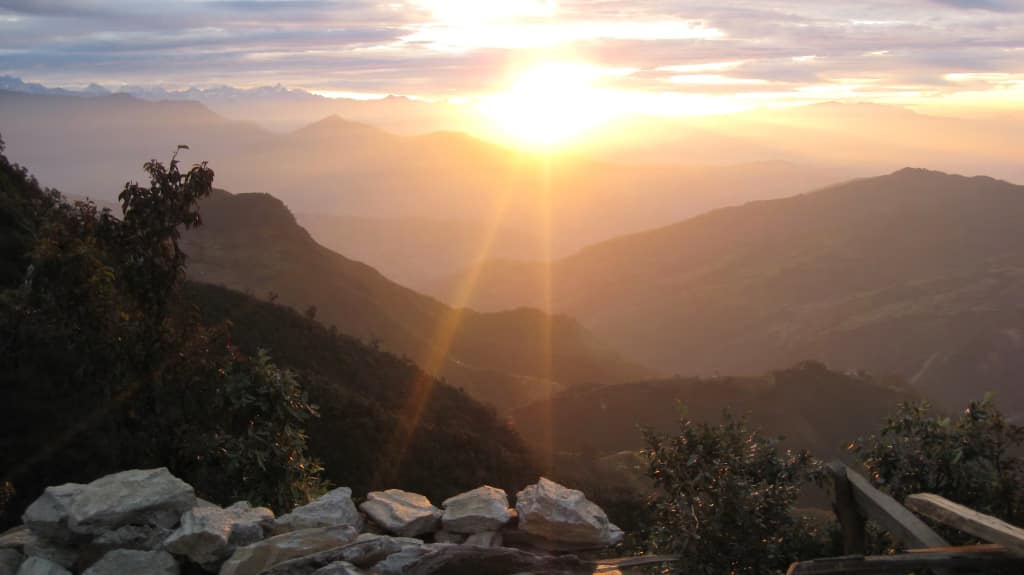
Alright, listen up: if you’re itching to dip your toes into the whole Nepal trekking scene but don’t wanna get steamrolled by crowds or feel like you’re on some mountaineering Hunger Games, Helambu’s your jam. It’s just north of Kathmandu super chill, all green forests, rice terraces that look like somebody’s been playing Minecraft IRL, and these tiny villages where people actually smile and mean it.
Forget the Everest or Annapurna circus Helambu’s more low-key, almost like you’ve stumbled into a secret. The Sherpa and Tamang folks here? Absolute legends. They’ll drag you into their homes or teahouses, hand you a cup of yak butter tea (honestly, try it at least once), and make you feel like you belong. Plus, the whole place is big on eco-stuff: solar lights, teahouses run by locals, and this obsession with keeping the trails cleaner than your average city sidewalk.
You wander through spots like Melamchi, Thadepati, Kutumsang, and you kinda start to get it these people have nailed that whole “tourism without selling your soul” thing. They’re growing their own veggies, cooking over stoves that don’t choke you with smoke, and building lodges that blend right into the hills. Every time you chow down on dal bhat or guzzle another glass of milky tea, you’re basically helping someone send their kid to school or fix the roof. Way better than tossing cash at some faceless hotel chain, right?
Langtang Gosaikunda Trek – Sacred Lakes and Alpine Beauty
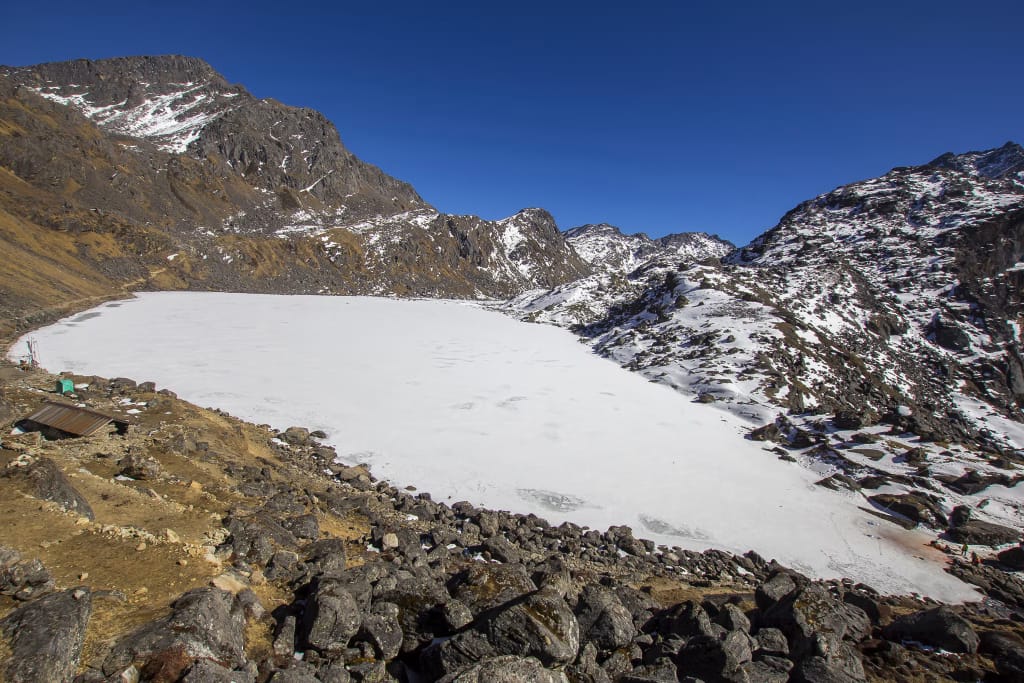
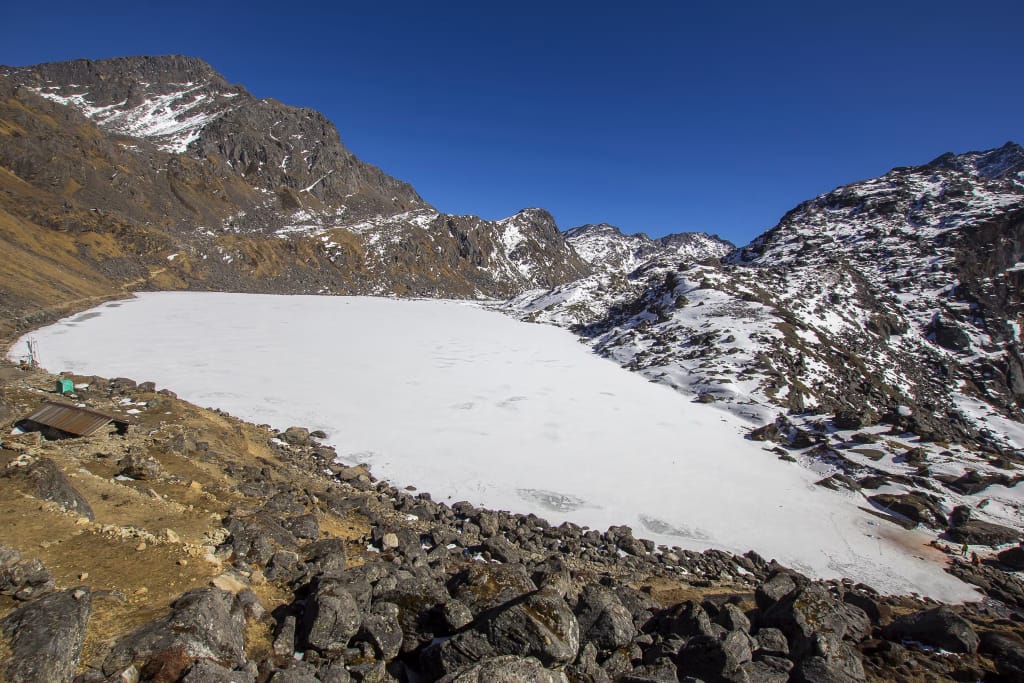
Alright, let’s talk about the Langtang Gosaikunda Trek. It’s not just another hike with pretty views (though, trust me, the views are ridiculous). This one’s got a real spiritual vibe pilgrims, prayer flags, the whole shebang and it winds straight through Langtang National Park. Gosaikunda Lake? Super sacred for both Hindus and Buddhists, so don’t be surprised if you stumble onto a festival or a line of folks making offerings at the water’s edge.
Honestly, what’s cool here is how eco-friendly the whole thing is. Most teahouses run on solar power, so you’re not exactly leaving a trail of carbon behind. And about water no need for plastic bottles everywhere, just refill at natural springs (the water tastes better anyway). Everyone’s big on Leave No Trace. If you litter, expect some serious side-eye.
You’ll pass through laid-back villages like Thulo Syaphru, Bamboo, and Laurebina. People here? Super chill, and a lot of them rely on trekking dollars to get by. They’re not just slinging instant noodles either families grow their own veggies and actually cook you meals with local ingredients. So, yeah, tourism helps, but it’s not wrecking the place.
Dhaulagiri Circuit Trek – For the Masochist Who Loves a Good View
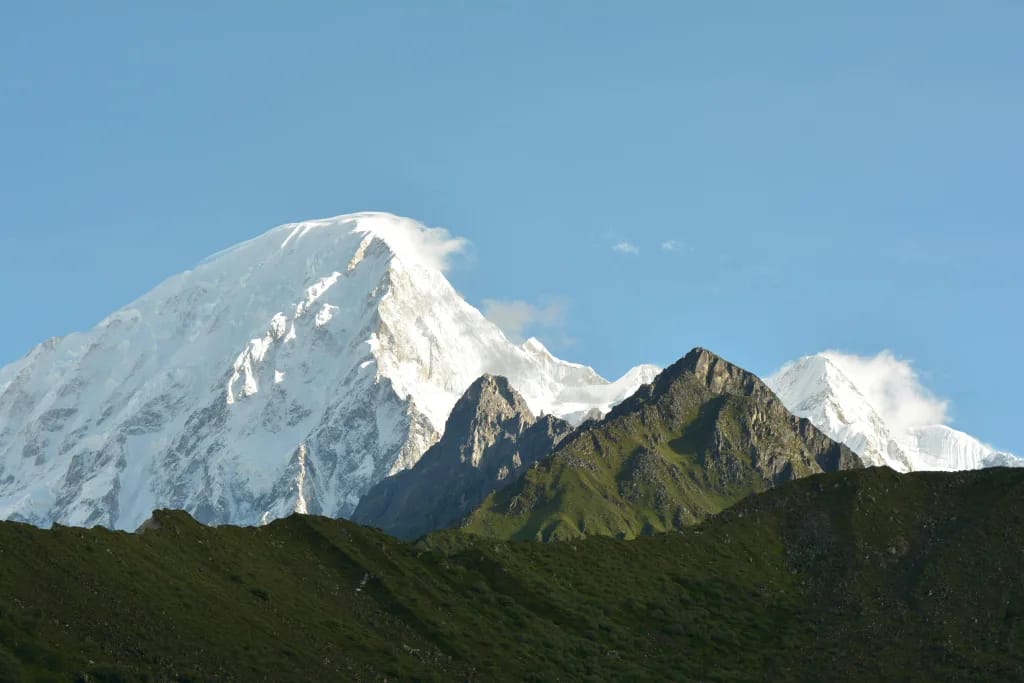
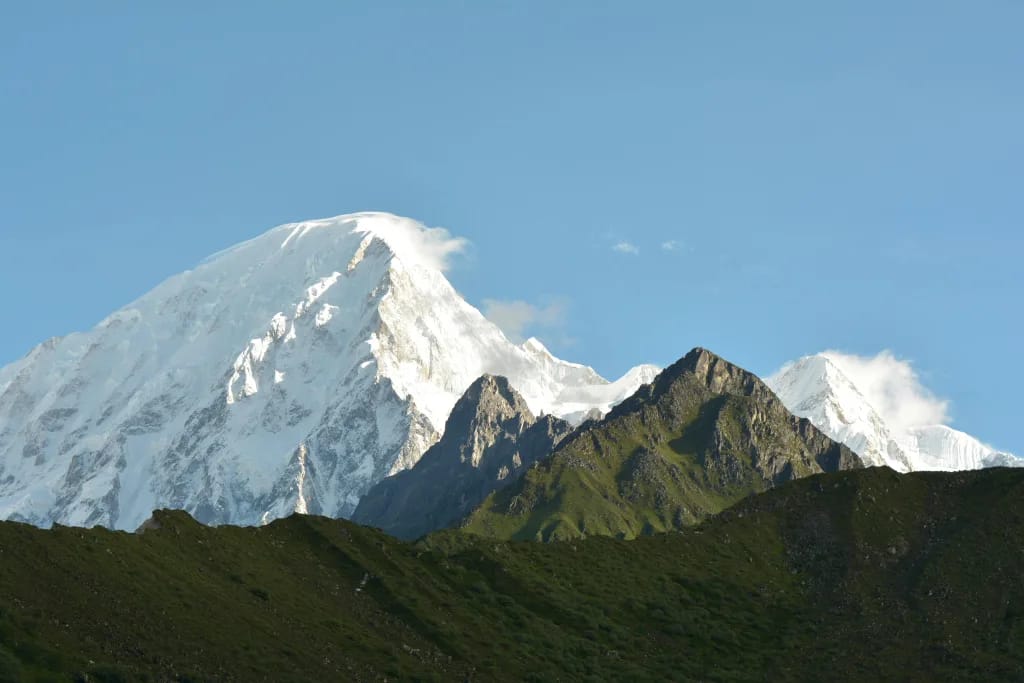
Alright, let’s get one thing straight: the Dhaulagiri Circuit Trek? It’s not for the faint-hearted or your average selfie-chasing tourist. This is for the folks who crave remote places, the kind of “eco trekking” where you’re actually out there, sweating and swearing, not just posing in front of prayer flags. You’re circling Dhaulagiri, which by the way is the seventh highest hunk of rock on the planet. The route’s pure Himalayan madness: hidden valleys that feel like something out of a fantasy novel, glacial rivers cold enough to make your bones ache, and villages where Magar and Gurung traditions are still very much alive (bless their hospitality and their homebrew, honestly).
It’s off the grid, so don’t expect fancy hotels or even hot showers. Lodges? Tiny, local, sometimes solar-powered if you’re lucky, and run by people who actually live there (imagine that). Oh, and your permit money? It actually goes to conservation, not just some bureaucrat’s pocket, which is rare and kinda awesome. You wind your way through places like Beni, Dharapani, and Chame names that probably mean nothing to you now, but will haunt your dreams after those endless uphill climbs.
One minute you’re trudging through meadows that look like the set of some epic movie, the next you’re gawking at glacial lakes or stalking the occasional blue sheep. Cross French Pass and just wow. Not just because your legs are toast, but because you did it the right way respecting the land and the people. Dhaulagiri Circuit is that rare thing: hardcore adventure, real-deal culture, and actual sustainability. Turns out, you can have your adrenaline and save the planet too. Who knew?
Why Sustainable Travel Actually Feels So Much Better
Man, there’s just something about hiking through the hills the right way that hits different. I mean, try walking the Langtang trails or somewhere out in Helambu, and tell me you don’t feel it. The air’s so clean, you could probably bottle it and sell it to city folks. Every breath just wakes you up, you know? Your legs are burning, but honestly, that’s the good pain the kind that reminds you you’re not a desk zombie for once.
But it’s not just about getting sweaty. Your brain chills out, too. Suddenly, you’re noticing all these little things like, who knew prayer flags made that sound when the wind hits just right? Or that a kid waving from a tiny teahouse could make you smile like an idiot? Even the smell of pine or hearing some waterfall way off in the distance, it all just makes you feel… present. Not gonna lie, that’s the kind of trip that actually fixes you up, instead of just leaving you wiped out and craving your own bed.
Tips for Sustainable Travel Destinations
Bro, traveling isn’t just about snapping pics for Instagram or ticking off mountains it’s about feeling every trail, every river, every dusty ridge under your boots. When you’re trekking Annapurna or sneaking through Langtang, don’t be that guy who litters or trashes teahouses. Support the locals, sip their hot chiya, eat dal bhat cooked with love, and leave the trails cleaner than you found them. Every step over wobbly bridges, every grunt up the ridges, every dusty path you walk they all matter. The mountains remember, the rivers remember, and the goats blocking your path definitely notice.
Sustainable travel is in the little things, bro. Refillable water bottles instead of plastic, buying snacks from a smiling old lady in Bhote Koshi, choosing gear that doesn’t choke the forests or rivers it all counts. Wake up before sunrise, watch mist curl over Mardi Himal, feel the pine-scented air hit your lungs, and know you didn’t trash it. Homestays, laughter with porters, goats crossing paths, rivers roaring below, dusty boots all of it becomes part of your story. Adventure is better when it’s messy, alive, and leaves the mountains exactly how you found them.
Best Time to Trek in Nepal and Why

Alright, if you’re thinking about trekking in Nepal, timing is everything. Seriously, you don’t want to be slogging through mudslides or freezing your toes off up there. The golden windows? Spring (March–May) and autumn (September–November). Trust me, you hit those months, and it’s like nature’s showing off just for you.
Spring’s got this whole “enchanted forest” vibe going on. Rhododendrons are popping off everywhere, and everything’s green and alive. The rivers are wild with all that melted snow coming down from the mountains, and when you look up boom, those postcard-perfect views of Annapurna or Everest. It’s almost rude how pretty it is.
Then, autumn rolls in and, honestly, it’s tough to beat. The monsoon’s packed up and left, so you get these ridiculously clear skies. Temperatures? Not too hot, not too cold. Perfect for those sunrise hikes where the mountains basically glow.
Now, outside those sweet spots…eh, not so great. Hit the monsoon (June–August), and you’re dodging leeches, sliding down muddy trails, and hoping the next teahouse hasn’t floated away. Winter (December–February) can get brutal like, “Why did I think this was a good idea?” levels of cold, and the high passes are usually snowed in anyway.
So yeah, stick to spring or autumn if you actually want to enjoy yourself. You’ll get killer views, meet cool locals, and maybe even develop a slight addiction to dal bhat. Just don’t say I didn’t warn you about the other months.
Why Blaze Mountain for a Sustainable Tour
Man, Blaze Mountain isn’t just another trekking company it’s like your backstage pass to Nepal without wrecking it. From the first dusty trail you hit, you’ll see they care about every step: clean trails, local guides who know the mountains better than Google Maps, and homestays that actually pay back to the villages. When you’re sipping chiya at a tiny lodge in Langtang or crossing a roaring river on the Annapurna Circuit, you feel the difference this isn’t just adventure, it’s respect for the mountains, the rivers, the people, and every goat in between. Every trek, every laugh with the porters, every dusty ridge it’s all done without leaving scars behind.
And bro, it’s the small things that hit hardest. Refillable bottles, eco-friendly gear, supporting local snacks, and choosing trails that aren’t overcrowded Blaze Mountain makes all of it happen without you even thinking twice. They mix chaos and beauty perfectly: dusty boots, roaring rivers, pine-scented mornings, local gossip, epic sunrise over Mardi Himal it’s all there, but the mountains stay untouched. With Blaze Mountain, you’re not just trekking; you’re living the story, making the adventure messy, raw, and unforgettable, while leaving Nepal exactly how it should be wild, alive, and untamed.