
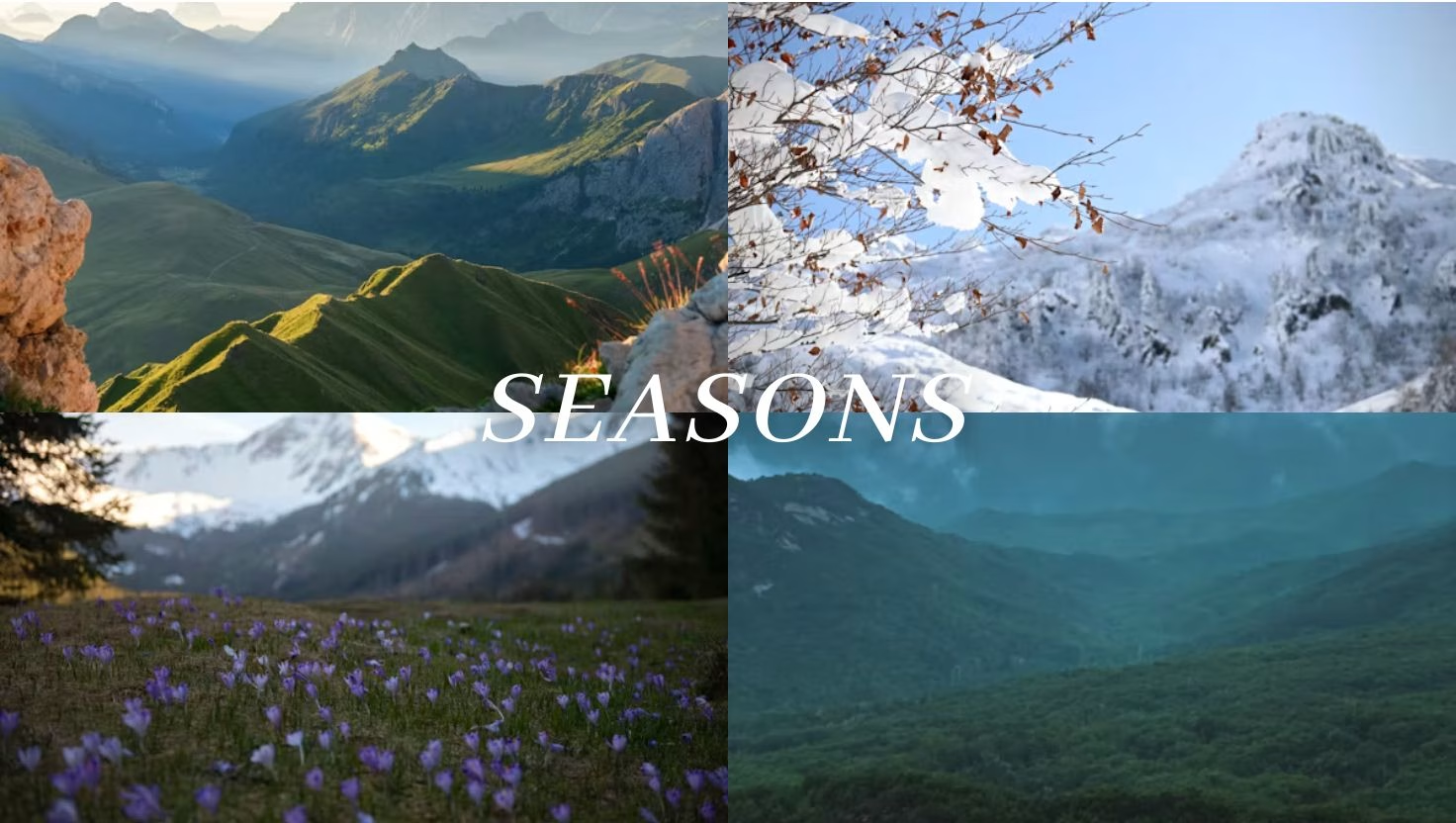
Best Season for Trekking Let’s be real: too many trekking guides will tell you there’s one perfect time to trek Nepal. Spoiler: there isn’t.
Trekking isn’t about chasing the “perfect” season; it’s about what you’re looking for in that moment.
Sometimes you want crystal-clear skies and warm teahouse chats with other trekkers.
Other times, you want complete silence, where the only sound is your boots hitting the trail and the wind cutting through the valley.
So here’s the full breakdown month by month, raw, honest, and with no sugarcoating.
Pick the season that fits your soul, not what the internet tells you is best.
January: Cold, Brutal… and Beautifully Empty
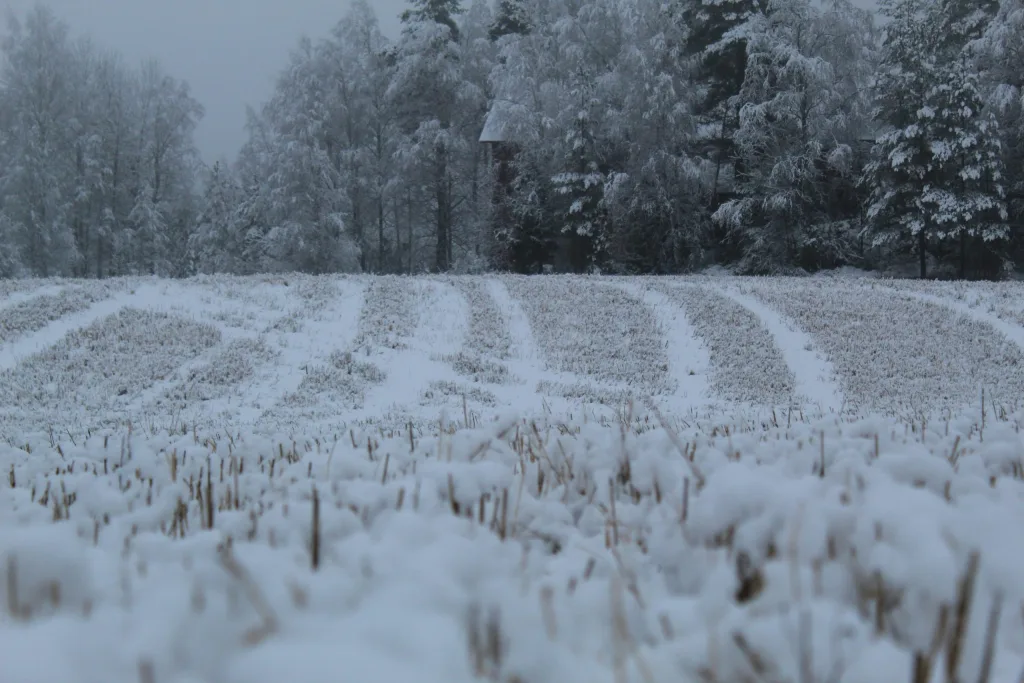
Most people don’t trek in January. And honestly? That’s exactly why you should.
Yes, it’s freezing cold. High passes like Thorong La and Larke La are shut down by snow, tea houses in the upper regions are mostly closed, and your water bottle will freeze overnight if you’re not careful.
But if you head to the lower hills think Ghorepani Poon Hill, and lower Mardi Himal it’s a completely different world.
The air is sharp and clear. The sky burns blue all day long. And the trails? Empty. Just you and the mountains.
It’s raw, it’s honest, & it’s peaceful in a way peak season can’t touch.
February: Still Cold, but the Mountains Start to Smile
February keeps the cold of winter but adds a little hope. The days get longer. The sun stays up just a bit more. And sometimes, if you’re lucky, the wind calms and the silence is pure.
Crowds? Still almost zero. Views? Sharp as a blade.
Perfect for places like Khopra Ridge, Lower Langtang Valley, or the first stretches of the Annapurna foothills.
Upper Mustang and Nar Phu? Still risky most of those remote passes are still snowed in unless it’s been an unusually dry winter.
February trekking is for people who don’t mind cold fingers if it means empty trails.
March: Spring Cracks the Sky Open
March is when the trekking world starts to stir. Rhododendron buds crack open like fireworks across the hills, lighting up the forests in red, pink, and white.
The mornings are still chilly, but you’ll start seeing more trekkers finding their way back to the trails.
Perfect time for treks like Khayer Lake, Mardi Himal, Manaslu Circuit, or Tsum Valley, where you can still grab solitude without fighting the full-on spring crowds.
The trails feel alive, but the mountains are still giving you space to breathe.
April: This is What the Guidebooks Talk About
If Nepal had a “best weather” contest, April would win. Clear skies. Warm days. Flowers blooming like crazy. And the high passes? Open and waiting.
But with perfect conditions come the crowds.
Everest Base Camp, Annapurna Circuit, and Ghorepani are packed with hikers chasing the same sunrise photo. You’ll hear the chatter of hundreds of trekkers from around the world.
Want the same epic weather but fewer people? Head for Nar Phu Valley or Khopra Danda, or stay deeper in the Manaslu region. They’ll still give you the views without the hustle.
May: The Last Window Before the Storm
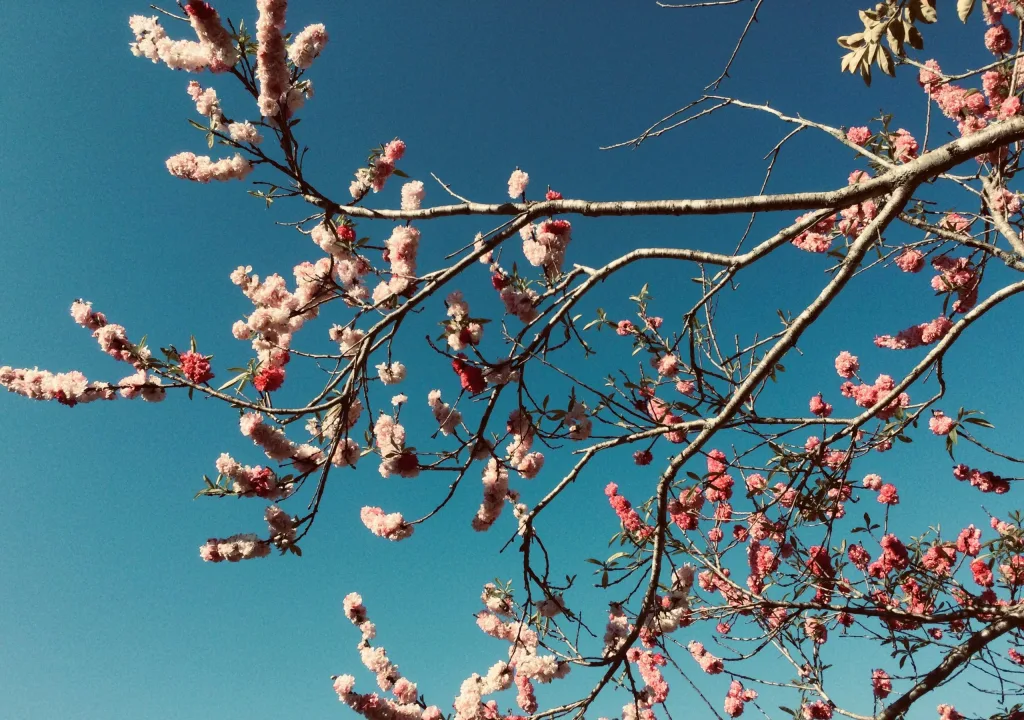
May is Nepal’s slow fade from spring perfection into the first whispers of monsoon.
Early May? Still solid trekking. But as the month stretches on, the air thickens, clouds start building in the afternoons, and you’ll feel the weather shift.
It’s warm, sometimes too warm, and the trails start to quiet again.
This is your last chance before the rains hit, and it’s a great time for Upper Mustang, which stays dry all year thanks to the rain shadow. Lower Annapurna treks still work if you don’t mind the heat.
June: Here Comes the Monsoon
This is where most trekkers bail.
June turns most of Nepal’s trails into a wet, muddy mess. Landslides, swollen rivers, and afternoon storms become the norm.
Leeches come out in the forested trails, and your gear will be soaked before lunch.
But not everywhere. Upper Mustang and Dolpo sit tucked behind the Himalayas, safe from the rains. These trails stay dry and quiet if you’re up for something remote and wild.
June trekking? It’s not for the faint-hearted. But it’s raw and rewarding in ways peak season will never give you.
July: Monsoon in Full Swing
July is loud, wild, and wet. Most trails are washed out, rivers are raging, and clouds roll across the valleys like an ocean.
If you’re trekking in July, there’s really only one place to go: Upper Mustang. Its dry, otherworldly landscape is perfect when the rest of Nepal is drowning. And the best part? Nobody’s there. Just you, some yaks, and ancient Tibetan-style villages clinging to cliffs.
August: Still Raining, but the Light’s Changing
August keeps the rain, but you’ll start feeling change in the air. Mornings break clearer, the rivers settle a little, and if you’re lucky, you’ll catch views of the peaks slicing through the storm clouds.
Stick to Mustang or Dolpo. Or if you’re stubborn enough to trek the lower trails near Pokhara, go early in the morning and duck for cover by afternoon.
August trekking is unpredictable, but that’s what makes it wild.
September: Fresh, Green, and Wide Open
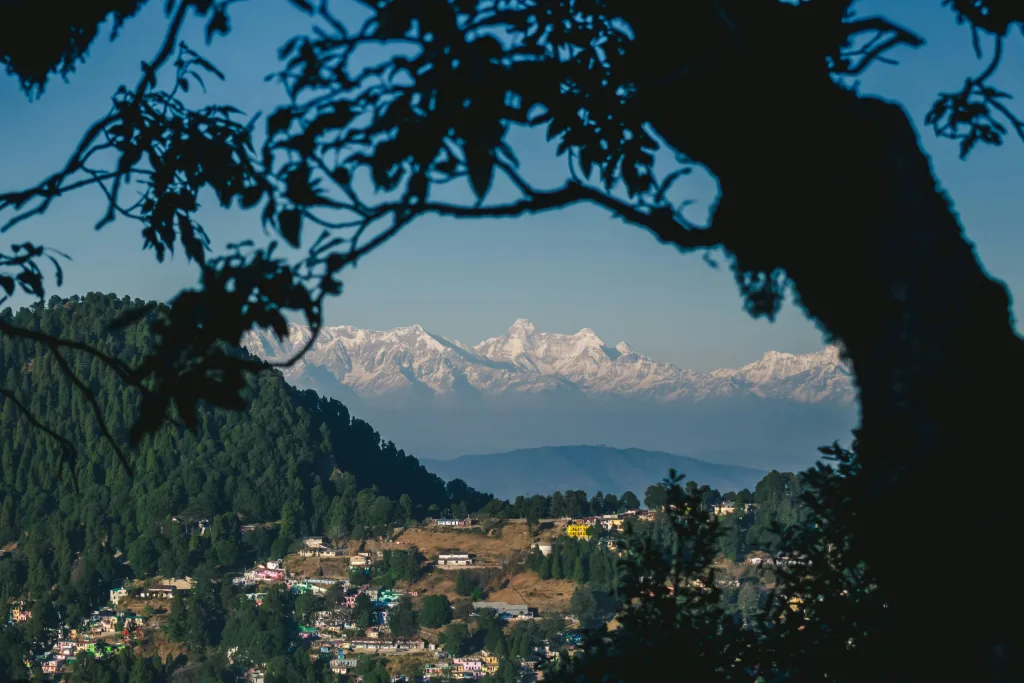
September is the comeback month. The rains back off, the skies clear, and Nepal feels freshly washed. The trails reopen, but the crowds haven’t fully returned yet.
Perfect for those who want the post-monsoon freshness without the October traffic jam.
Manaslu Circuit, Annapurna Circuit, Khopra Ridge, and Everest Base Camp start looking good again.
If you want big views with fewer boots on the trail, September’s your shot.
October: Peak Season, Peak Everything
If there’s a “perfect trekking month,” it’s October.
Clear skies from sunrise to sunset. Crisp air. Stable passes. Dry trails.
But let’s be honest, everyone knows this. Everest, Annapurna, and Langtang turn into trekking highways.
It’s beautiful. It’s iconic. But it’s busy.
If you want safety and perfect weather, October is unbeatable. But if you’re craving solitude, it might not be your month.
November: Clear Skies and Quiet Trails Return
November keeps the skies of October but slowly clears out the crowds.
It gets colder, especially at night. Snow starts flirting with the higher passes. But the views? Still perfect.
This is the month for those who want big mountain energy without peak season crowds.
Manaslu, Langtang, Khopra Ridge, and even Tsum Valley shine in November.
December: Cold, Quiet, and Honest
December is when the trails finally go silent again.
Snow starts closing the high passes. Tea houses thin out. But the lower treks of Ghorepani, Khopra, and Mardi Himal are still magic.
If you don’t mind cold nights and frosty mornings, December gives you something rare: a Nepal that feels untouched again.
These are the most popular trekking routes that people try first.
Everest Base Camp Trek
Annapurna Base Camp Trek
Langtang Valley Trek
Ghorepani Poon Hill
Upper Mustang Trek
Mardi Himal
Khayer Lake Trek
Manaslu Base Camp Trek
Dhorpatan Hunting Trek
Final Thoughts: So When Should You Trek?
Forget what the blogs say. Go when it feels right.
Want company and safe weather? Spring and fall.
Want solitude and crisp skies? Winter.
Want adventure and don’t mind a little mud? Summer monsoon treks.
There’s no wrong season, only the one that fits the trekker you are.
And when you’re ready to stop planning and start walking, Blaze Mountain Treks has your back.
No cookie-cutter tours. Just raw, honest trekking the way Nepal’s meant to be explored.