
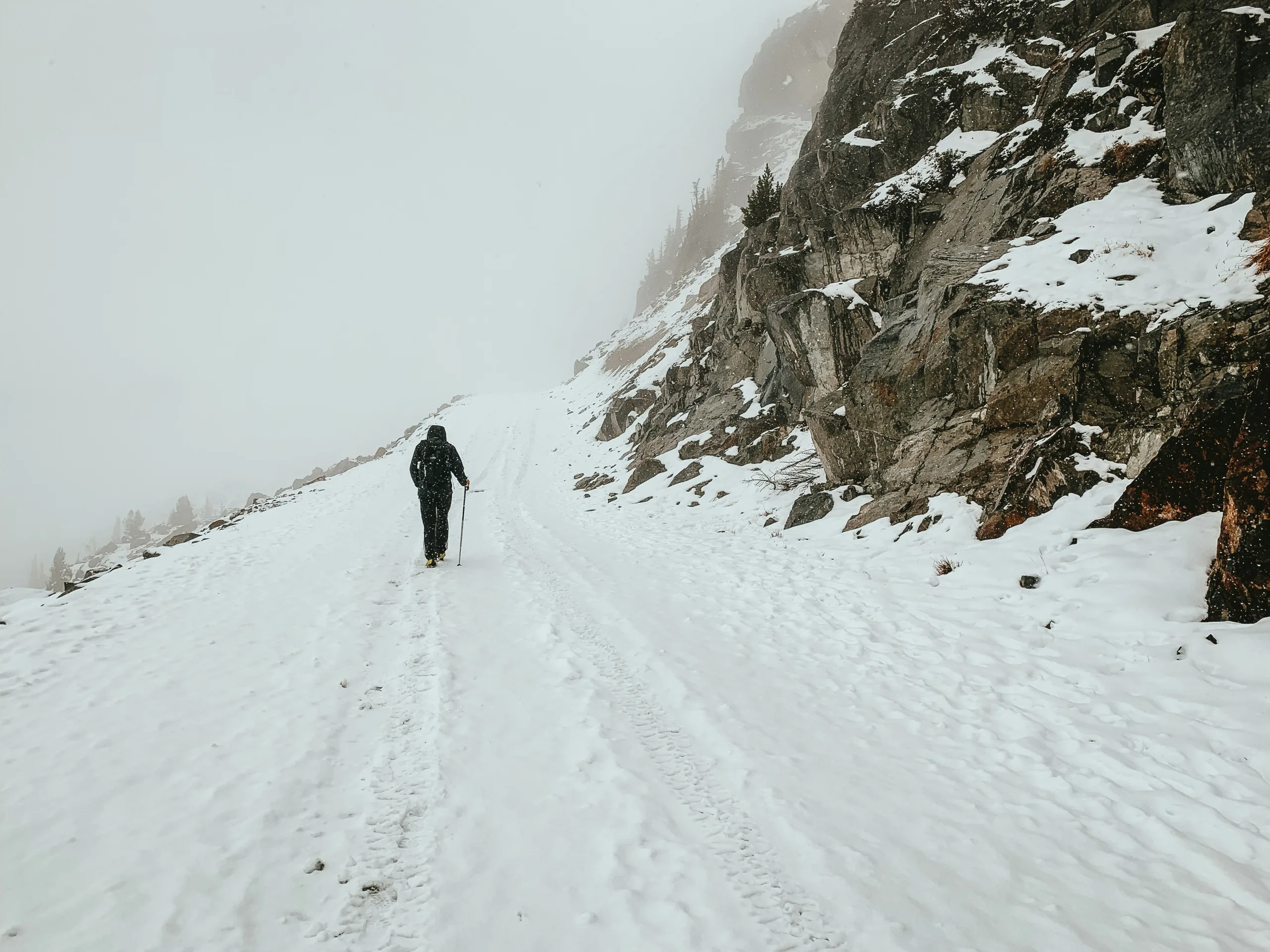
Winter Treks Nobody Does, everyone shows up in October, right? Like clockwork. Tea houses packed tighter than a subway car, trails looking like a shopping mall on Black Friday, and you’re shoulder to shoulder with strangers at every single viewpoint trying to get that shot. Cool. Autumn’s pretty. Got it. But here’s the thing nobody wants to admit: winter trekking in Nepal slaps, and most people are too chickenshit to try it.
Yeah, it’s cold. Your water bottle freezes solid overnight, mornings feel like getting punched in the face by a yeti, and you’re layered up like you’re about to hit Everest summit even though you’re just at a tea house. But what do you get for freezing your ass off? Empty trails. Like, nobody around. Tea house owners who aren’t running around like headless chickens and actually sit down to talk. Mountain views so stupidly clear that autumn looks like you’re squinting through fog. And this whole vibe that just feels more legit, less tourist zoo. Plus some treks are straight up better in winter. For real.
Winter Trekking Isn’t Actually Insane, You’re Just Soft
Let’s pop this bubble right now. Nepal doesn’t close for winter. Locals live there year round, shocker. December through February is off season, but off season just means way fewer people, cheaper prices, and conditions that range from “honestly fine” to “yeah you should probably know what you’re doing.”
The move with winter trekking is being smart about which route you pick. Those gnarly high passes that turn into death traps when snow hits? Skip ’em. Lower elevation routes or those rain shadow zones that basically dodge precipitation? Money. The cold’s not even the worst part. It’s more about knowing which tea houses stay open and being okay with the fact that you might roll into a village and you’re literally the only trekker there. For some people that sounds lonely. For others, that’s the whole point.
Already crushed the autumn classics and want something that doesn’t feel like a conveyor belt? Or just hate crowds and own a decent jacket? Winter’s sitting right there. Pack smart, stop expecting bikini weather at 4,000 meters, and let’s go.
Annapurna Base Camp Winter: Gorgeous But Make It Spicy
ABC in winter is stupid beautiful. Fresh snow dumped on the peaks, that whole amphitheater of mountains looking magazine perfect, and way fewer people clogging the selfie spots. But let’s not pretend it’s a cakewalk. This trek gets spicy because of altitude and the very real fact that avalanches are a thing in certain sections.
Lower parts, trekking through rhododendron forests up to Chomrong and Bamboo, totally fine in winter. Cold mornings that wake you up fast, but nothing wild. Once you push past Deurali heading toward Machapuchare Base Camp and ABC though, temps nosedive. Minus 15 to minus 20 Celsius at night. If your sleeping bag isn’t rated for that, congrats, you won’t sleep. You’ll just shiver and regret life choices.
Views from Annapurna Base Camp in winter though? Unreal. That 360 degree wall of mountains with fresh powder, nobody else around, just you and peaks so big they don’t look real. Makes you forget your toes went numb an hour ago. But avalanche risk is legit after heavy snowfall, so going without a guide who knows current conditions is a dumb move. This isn’t the trek where you wing it in December and hope for the best.
Most tea houses on the ABC route stay open winter, but some bail, so your guide better know which ones are actually operating. And yeah, bring real cold weather gear. Down jacket that actually works, sleeping bag that won’t leave you frozen, layers on layers on layers. If you can deal with the cold and you’re not scared of some risk, ABC in winter hits different. In a good way.
Khopra Ridge and Khayer Lake: The Trek Nobody Even Knows Exists
Here’s one more people should be doing. Khopra Ridge is this community trek that splits off the regular Annapurna routes, gets way less traffic even when it’s busy, and in winter it’s basically a ghost trail. In the best possible way.
You start kinda like the Ghorepani Poon Hill route, but instead of turning around after Poon Hill, you keep pushing toward Khopra Ridge. Trail takes you through villages that maybe see a handful of trekkers all winter, forests that are dead quiet, and up to this ridge with stupid good views of Dhaulagiri, Annapurna South, and Nilgiri.
Real prize is Khayer Lake. Sacred alpine lake chilling at around 4,660 meters, tucked into the mountains like it’s hiding. In winter the lake freezes over and you’re hiking through snow to reach it, which sounds miserable but the solitude is unmatched. You might be the only human at that lake. Just you, frozen water, massive peaks looming, and that weird quiet that only shows up in snow covered mountains.
Community tea houses on Khopra Ridge do stay open winter, though not all of them. The ones that do are cozy as hell because there’s like nobody around, so you get the fireplace to yourself, family style meals, actual conversations instead of rushed checkout vibes. Slower pace, more intimate, way more real than the packed autumn circus.
Difficulty wise, Khopra and Khayer Lake winter are moderate to challenging. Altitude smacks you at the lake, snow can make trails sketchy to follow, so a guide’s smart. But if you want a winter trek that’s off the radar and gives you that “holy shit I have this mountain to myself” feeling, this is the move.
Manang and Annapurna Circuit Winter: Rain Shadow Goldmine
Annapurna Circuit’s famous. Everyone wants to tick it off. But most people skip winter because Thorong La Pass at 5,416 meters sounds terrifying when it’s freezing. And yeah, crossing Thorong La in winter is serious business. Heavy snow, temps that’ll wreck you, timing needs to be perfect or you’re toast.
But here’s the play: you don’t need to do the full circuit to get the best parts. Trekking up to Manang and hanging in the rain shadow zone is actually perfect in winter. Manang sits at 3,540 meters in this high desert area where it barely snows compared to the south side of Annapurna range.
Winter in Manang means clear skies for days, dry trails, and way fewer trekkers than autumn or spring madness. You get to poke around villages like Braga and Manang, check out ancient monasteries, hike up to Gangapurna Lake or Ice Lake without fighting crowds, and soak up this high altitude Tibetan vibe without scrambling for tea house beds.
If you’re experienced and geared up proper, some people do hit Thorong La in winter, but you absolutely need a guide who knows what’s up with current conditions. Snow levels change year to year, and if there’s been a dump, pass closes. Done. But even without the pass, just trekking Manang Valley side in winter is worth it. Mountains look sharper in winter light, air’s so clear it almost stings, and villages are practically yours.
Plus off season means tea house owners are way friendlier, prices drop, and you get this different energy where people actually have time to talk instead of speed running service for the next wave of trekkers.
Upper Mustang Winter: The Secret Nobody’s Talking About
Real talk. Upper Mustang in winter is one of Nepal’s most slept on moves. Most people think winter trekking equals freezing everywhere, but Upper Mustang sits in a rain shadow behind Annapurna and Dhaulagiri. Translation: it barely gets any precipitation all year, winter included.
Upper Mustang in winter is cold, don’t trip, but it’s dry cold with clear skies and sun most days. You’re trekking through this ancient Tibetan landscape, walled city of Lo Manthang, caves, monasteries, desert terrain that looks way more like Tibet than what people picture for Nepal.
Best part? Almost nobody treks Upper Mustang in winter. Trail’s yours. Villages are chill. You experience this restricted area without the tourist flood that hits in spring and autumn. Tea houses stay open because locals actually live there, and honestly they’re hyped to see trekkers in winter because business is dead.
Upper Mustang’s also lower altitude compared to gnarly high passes on other treks. You’re mostly between 3,000 to 4,000 meters, which is high but not gasping for breath high. Landscape’s wild. Eroded cliffs, ancient cave dwellings, stupas against stark desert mountains. In winter with fresh snow on surrounding peaks, it looks fake. But it’s not.
You need a special restricted area permit for Upper Mustang, costs more than regular permits, but in winter some companies run deals because off season. Gear wise, bring warm stuff but you don’t need the extreme polar expedition gear you’d need for ABC or EBC winter. And because Upper Mustang is culturally Tibetan, if you time it for February you might catch Losar, Tibetan New Year, which is absolutely worth the trip alone.
Everest Base Camp Winter: Hardcore Crew Only
Let’s talk big boy stuff. EBC in winter. This trek separates people who hike sometimes from people who are really about this life. Cold as hell, challenging as hell, absolutely not for first timers or anyone who thinks they’re tougher than they are. But if you’ve got experience and legit gear, EBC in winter is one of the most insane treks you’ll ever pull off.
Winter temps at Everest Base Camp drop to minus 20, sometimes minus 30 Celsius at night. Namche Bazaar gets cold but manageable. Once you push past Tengboche and Dingboche toward Lobuche and Gorak Shep, different ballgame. Everything freezes. Water bottles, your boots if you’re dumb enough to leave them outside, even inside your tent if you’re camping.
But the views? Holy shit. Winter air in Everest region is the clearest air on planet earth. Those peaks, Everest, Lhotse, Nuptse, Ama Dablam, they look so sharp and close you think you can reach out and touch them. No haze, no clouds, just pure mountain in your face. And trails are basically empty. You’ll see maybe a few other hardcore souls, but compared to autumn when it’s a conga line, it’s peaceful.
Most tea houses on EBC route stay open winter, especially main ones in Namche, Tengboche, Dingboche, Lobuche. Some smaller lodges close, so having a guide who knows which are running is crucial. And yeah, even with fireplaces, your room’s gonna be freezing. Bring a sleeping bag rated for serious cold or just don’t sleep. Your call.
Biggest challenge with EBC winter isn’t just cold. It’s altitude combined with cold. Your body works way harder in freezing temps at high elevation. You gotta be in decent shape, acclimatize right, and actually listen to your body. Altitude sickness doesn’t give a shit how tough you think you are, it’ll wreck you anyway.
But if you can handle it, summiting Kala Patthar at sunrise in winter with basically nobody around, staring at Everest in crystal winter light, that’s one of those things that stays burned in your brain forever. Hard? Yeah. Cold? Hell yeah. Worth it? Absolutely.
Winter Gear: Don’t Be Cheap, Don’t Be Stupid
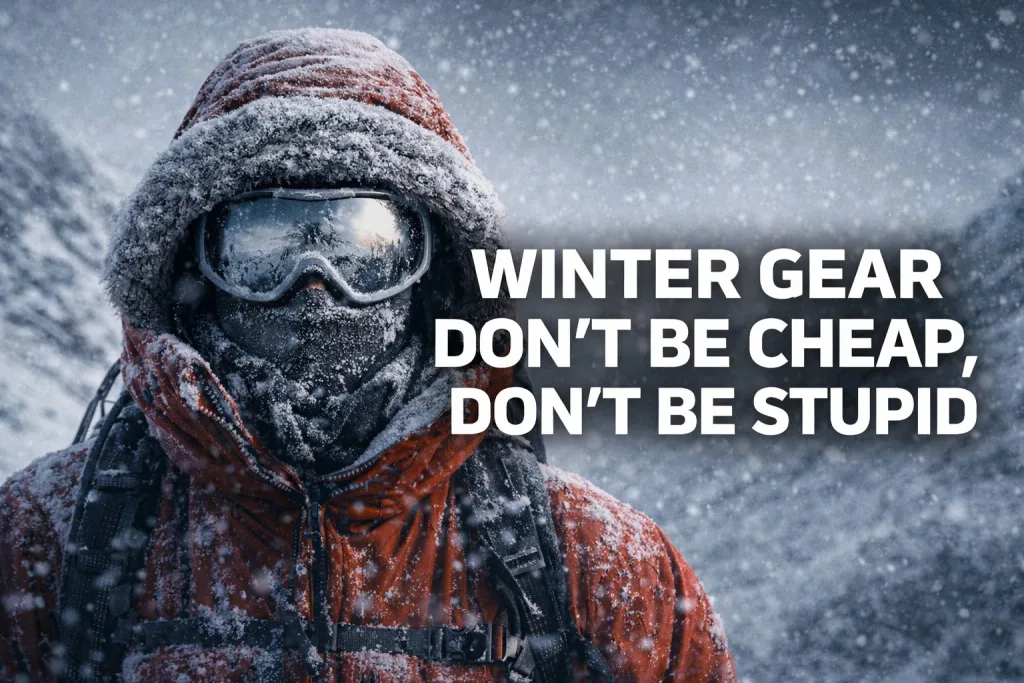
Quick gear talk because winter trekking Nepal isn’t the time to cut corners. You need a four season sleeping bag rated to at least minus 15 Celsius, lower is better. Tea house blankets help but betting your comfort on them is dumb.
Layering’s everything. Base layers that actually wick sweat, insulation like fleece or down, solid windproof shell on top. Your hands and feet suffer most in cold, so quality gloves, warm hat that covers your ears, thick socks, insulated boots. Non negotiable. Hand warmers and toe warmers are lifesavers when it gets brutal.
Good down jacket is essential. Not those puffy Instagram jackets, actual mountaineering down that keeps you alive when temps tank. And bring a water bottle insulator or keep water inside your pack so it doesn’t turn into a popsicle mid hike.
Sunglasses and sunscreen still matter. Sun bouncing off snow at altitude will fry your face and blind you if you’re not careful. Trekking poles help when trails get icy or snow packed.
Should You Actually Do This?
Bottom line. Winter trekking Nepal isn’t for everyone, but it’s way more doable than people think if you pick smart. Upper Mustang and Manang Valley are legit perfect in winter. Khopra Ridge and Khayer Lake give you empty trails and stupid good views. ABC is gorgeous but respect the mountain. EBC is hardcore but incredible if you’re built for it.
You trade warm easy conditions for empty trails, clearer views, and more authentic vibes where locals actually have time to connect. Tea houses are quieter, villages feel real instead of tourist traps, mountains in their purest winter form.
Done the popular stuff in peak season and want something different? Winter’s your play. First timer but you’ve done cold weather hiking before and you’re not soft? Some winter treks are totally manageable with a solid guide. Just don’t underestimate the cold, bring real gear, pick routes that match your level.
Mountains don’t sleep in winter. They’re out there, huge and beautiful, waiting for people willing to freeze a little. Most trekkers bail because they assume winter’s impossible. But that’s exactly what makes it special. Less crowds, more mountain, that raw feeling of being somewhere truly wild when everyone else stayed home wrapped in blankets. Pack warm, trek smart, go see what winter Nepal’s really about.