
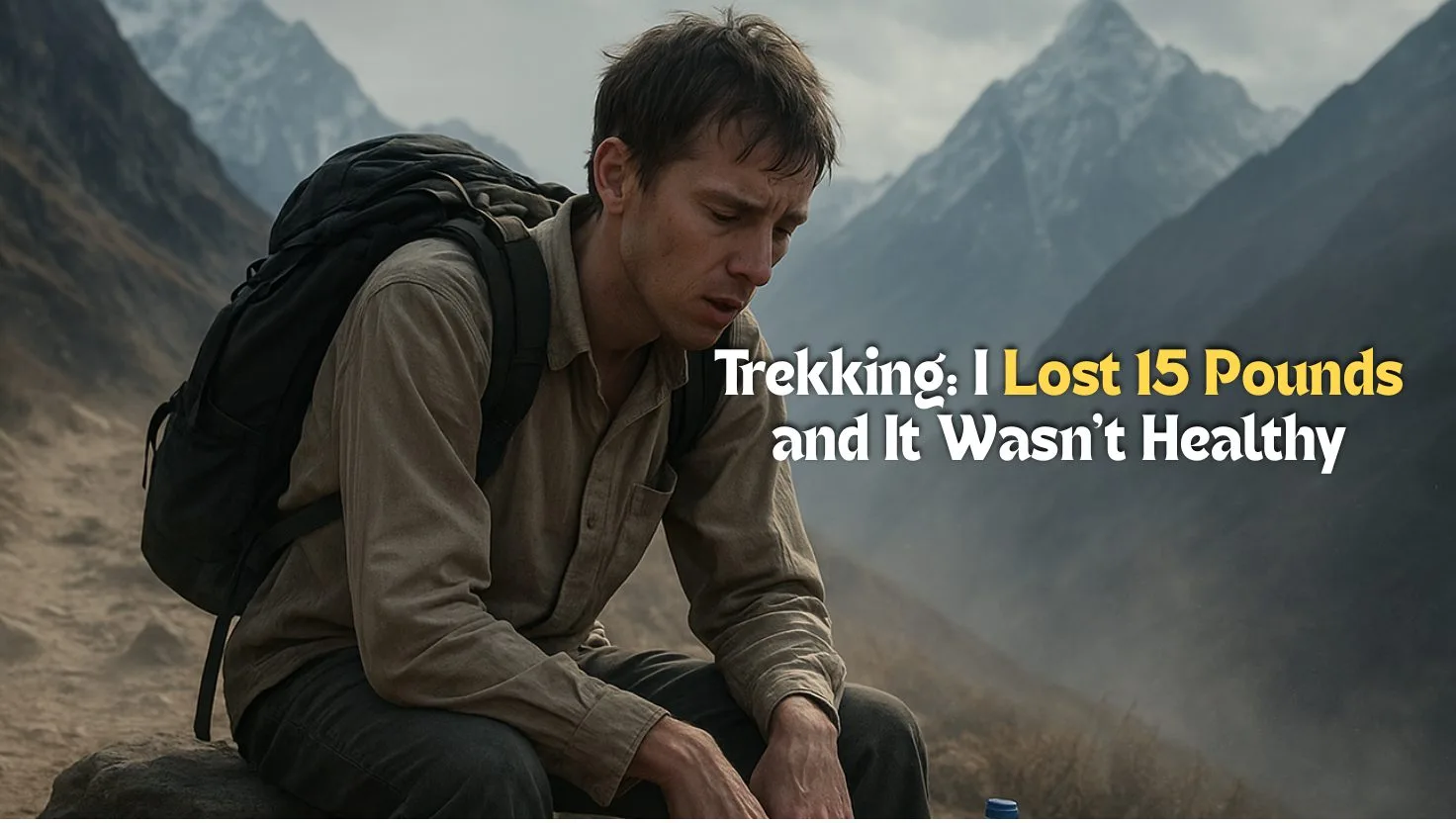
So here’s something people love to brag about after Nepal trekking: the weight loss. “I lost 15 pounds on Everest Base Camp!” sounds impressive, right? Like you accomplished something beyond just the trek itself. Social media posts celebrate the transformation, before-and-after photos get tons of likes, and everyone treats the weight loss as this bonus achievement on top of conquering the mountain.
Except nobody talks about what that weight loss actually represents. Spoiler: it’s not healthy fat loss from exercise. It’s muscle wasting, dehydration, your body literally consuming itself because you’re operating in an extreme environment where proper nutrition is impossible. You’re not getting fitter during high altitude treks – you’re getting weaker, even if the scale says you lost weight.
I’ve seen so many trekkers come back celebrating their weight loss, posting transformation photos, talking about how trekking is the ultimate fitness experience. And yeah, you lost weight. But you also lost muscle mass, bone density, cardiovascular capacity, and possibly some organ function. Your body was in survival mode for weeks, and the weight loss is evidence of stress and deprivation, not health and fitness.
Let’s talk about the reality of mountain weight loss and why it’s not the achievement people think it is.
What You’re Actually Losing Up There
The weight that comes off during high altitude trekking isn’t what you want to lose. You’re not burning fat stores efficiently at altitude – your body is in crisis mode doing whatever it takes to keep you alive with limited oxygen and resources.
Muscle loss happens fast at high altitude because your body can’t synthesize protein effectively in thin air. You’re doing huge amounts of physical work while your body is actively breaking down muscle tissue for energy. The weight loss people celebrate often includes significant lean muscle mass, which is exactly what you don’t want to lose.
Dehydration accounts for a massive portion of trek weight loss. You’re losing water constantly through increased respiration at altitude, and most people don’t hydrate adequately to replace it. That five pounds you lost in the first few days? Probably mostly water weight, and your body desperately needs that water.
Bone density can actually decrease during extended high altitude exposure. Your body prioritizes immediate survival over long-term bone health, so the calcium regulation that maintains bones gets disrupted. You’re not just losing weight – you’re potentially weakening your skeletal structure.
Appetite Destruction at Altitude
High altitude kills your appetite in ways that make proper nutrition basically impossible. Food becomes repulsive when you’re altitude-affected. Your stomach rebels against eating. The smell of tea house kitchens makes you nauseous. But your body needs enormous amounts of calories to function in that environment.
People think they’re doing some kind of intermittent fasting or calorie restriction diet, but really you’re just unable to eat enough because altitude has broken your hunger signals. You’re operating at a massive caloric deficit not by choice but because your body’s regulatory systems aren’t working right.
The math is brutal. You might need 4000-5000 calories per day for the physical demands of trekking at altitude, but you’re managing to choke down maybe 2000 on a good day. That 2000-3000 calorie daily deficit over two weeks adds up to serious weight loss, but it’s starvation weight loss, not healthy fat burning.
Every meal becomes this negotiation between knowing you need to eat and your body refusing food. You force down dal bhat because you know you need calories, but you’re fighting nausea and lack of appetite the whole time. This isn’t mindful eating or healthy portion control – it’s your body malfunctioning under environmental stress.
The Protein Problem Nobody Mentions
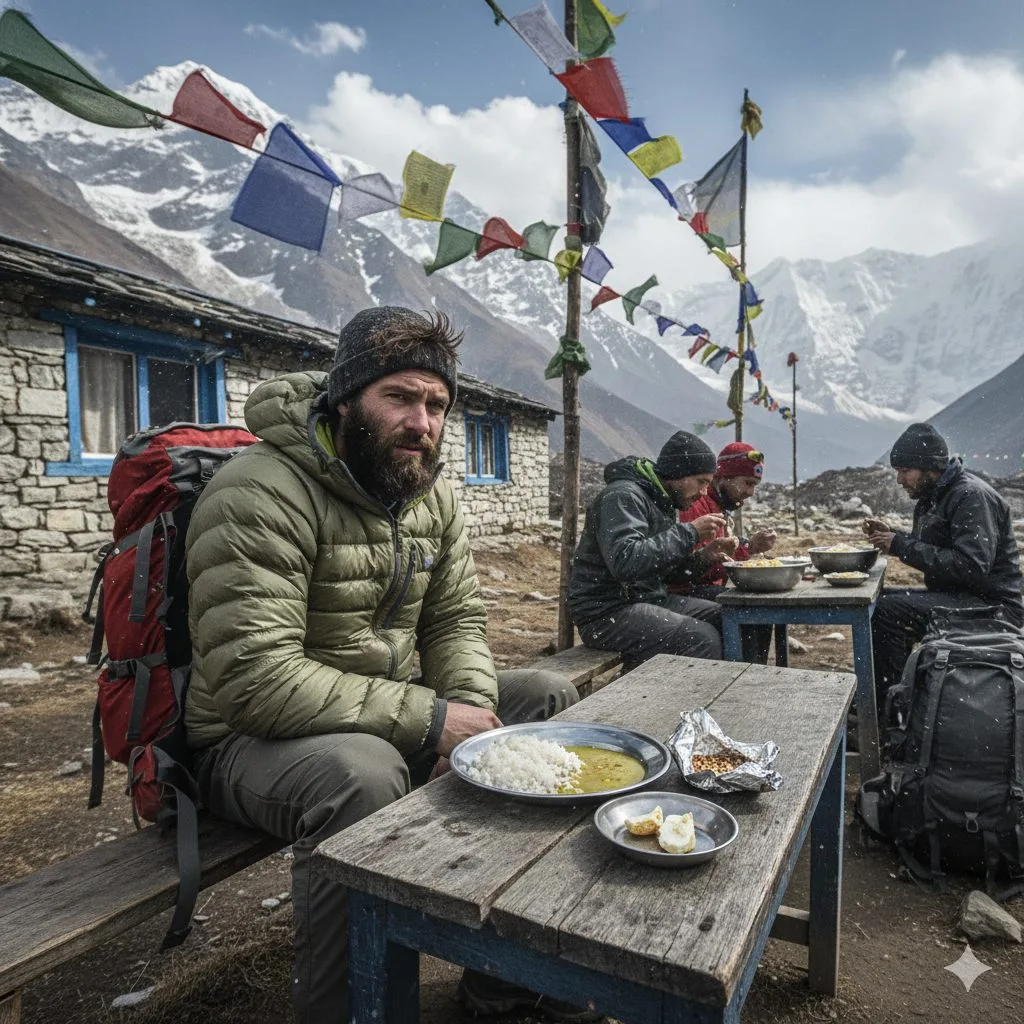
Protein synthesis basically stops working properly at high altitude. Your body loses the ability to build and maintain muscle tissue effectively, which means all that walking uphill isn’t building fitness – it’s destroying muscle while your body can’t repair the damage.
Even if you’re eating adequate protein, which is hard when the main protein sources are dal lentils and the occasional yak meat, your body can’t process and utilize it normally. The metabolic pathways that turn dietary protein into muscle tissue don’t function well in hypoxic conditions.
This is why people come back from treks looking gaunt and weak rather than fit and strong. You lost weight but you’re not in better shape – you’re actually in worse shape because you’ve lost functional muscle mass. That’s not a fitness transformation, that’s body wasting.
The weakness hits you when you get home. Suddenly things that used to be easy are hard because you’ve lost muscle. Your strength is down. Your endurance is worse than before you left. The scale says you lost 15 pounds but your fitness tests would show you’re less capable than you were pre-trek.
Dehydration Masquerading as Weight Loss
The amount of water you lose at altitude is insane. Dry air, increased respiration, altitude diuresis where you pee constantly – you’re dehydrating faster than you can drink water to replace it. A huge portion of trek weight loss is just severe dehydration.
People celebrate losing five pounds in the first three days without realizing that’s literally just water leaving their body. You’re not burning fat that fast – you’re becoming dangerously dehydrated. That’s not something to celebrate, that’s a medical problem.
Chronic dehydration makes everything worse. Your altitude acclimatization is compromised, physical performance decreases & mental function degrades. You feel terrible, look gaunt, and your body is stressed beyond normal limits. But the scale says you’re lighter so it must be good, right?
The rehydration that happens when you get back to lower altitude often returns several pounds within days. That immediate weight gain isn’t you “losing your progress” – it’s your body desperately rehydrating to normal levels. The weight that stays off might be real loss, but a lot of the dramatic numbers people quote are just temporary dehydration.
When Your Body Eats Itself
Catabolism is the medical term for when your body breaks down its own tissues for energy. That’s what happens during extended high altitude trekking when you can’t eat enough and your body is under extreme stress. You’re not losing weight through healthy fat metabolism – your body is consuming itself.
Muscle tissue gets broken down for amino acids when your body can’t get enough from food. Your organs start operating on minimal resources & mmune system weakens. Your body makes the calculation that immediate survival matters more than long-term health, so it sacrifices whatever it needs to keep you moving.
This catabolic state is the opposite of what you want for health and fitness. You’re not building anything or improving anything – you’re in survival mode where your body is literally eating itself to keep functioning. The weight loss is evidence of this crisis state, not a health achievement.
People mistake feeling lighter and moving easier for getting fitter, but really you’re just carrying less mass because your body has consumed its own tissues. That’s not the same as actual fitness improvement where you’re stronger and more capable.
The Cardiovascular Confusion
Your heart rate at altitude is elevated just trying to deliver oxygen to your tissues. You feel like you’re working incredibly hard cardiovascularly, which creates this impression that you must be getting great cardio fitness. But your cardiovascular system isn’t adapting and improving – it’s stressed and compensating.
When you return to sea level, your cardiovascular fitness often isn’t better despite all that elevated heart rate work. The adaptations that happened at altitude don’t necessarily translate to improved performance at normal elevation. You might have gotten better at functioning with limited oxygen, but that’s not the same as improved aerobic capacity.
The weight loss can actually hurt cardiovascular performance because you’ve lost muscle mass including heart muscle potentially. Your heart is working overtime at altitude while your body provides inadequate nutrition for it to maintain itself. That’s stress on the cardiovascular system, not training.
People think the combination of weight loss and cardiovascular challenge means they’re getting really fit, but the reality is often they’re getting temporarily adapted to extreme conditions while becoming overall weaker and less healthy.
Hormone Disruption Nobody Warns About
Extended time at high altitude with inadequate nutrition and severe stress disrupts hormone systems in ways that can persist after you return home. Women commonly experience menstrual cycle disruptions. Men’s testosterone levels can drop. Thyroid function gets affected. These aren’t signs of health improvement.
The stress hormone cortisol stays elevated during altitude exposure, which promotes muscle breakdown and fat storage in the wrong places. Your body’s entire hormonal balance shifts into stress mode, which has consequences beyond just the immediate trek experience.
Sleep disruption at altitude further messes with hormone regulation. Poor sleep quality affects growth hormone, insulin sensitivity, hunger hormones – basically everything involved in metabolism and body composition. The weight loss is happening in the context of completely disrupted metabolic function.
These hormonal disruptions can take weeks or months to normalize after returning from altitude. During that recovery period, people often experience rebound weight gain, continued fatigue, and difficulty with normal exercise. The body is trying to restore balance after the extreme stress.
The Dangerous Social Media Celebration
Instagram and Facebook are full of trek transformation photos celebrating weight loss. Before photos looking healthy and strong, after photos looking gaunt and exhausted but lighter. The framing is always positive – look at this amazing achievement! But those after photos often show someone who is objectively less healthy than they were before.
The social media celebration of trek weight loss encourages people to view extreme stress and deprivation as positive. It creates pressure to restrict eating further or push harder physically to maximize weight loss. The competition becomes about who lost the most weight, not who stayed healthiest during the trek.
Young people especially see these transformation posts and internalize the idea that extreme weight loss is a valuable trek outcome. They might restrict eating intentionally on their own treks, turning an already difficult nutritional situation into something actively harmful. The glorification of weight loss legitimizes disordered eating in an extreme environment.
Nobody posts the aftermath photos weeks later showing the exhaustion, weakness, illness that often follows. The narrative stops at the moment of maximum weight loss, not at the recovery period where your body is trying to repair the damage.
When Eating Disorders Meet Altitude
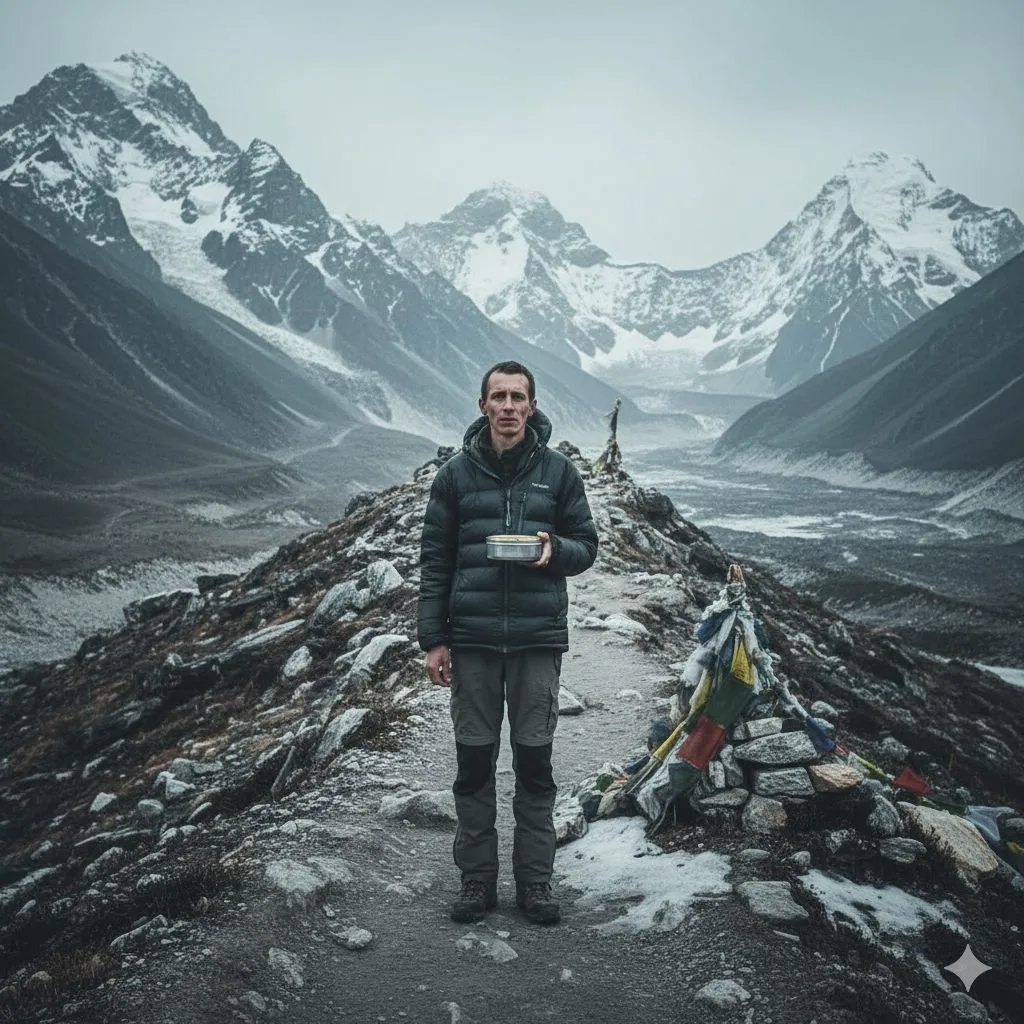
For people with histories of eating disorders or disordered eating patterns, high altitude trekking can become a dangerous opportunity to restrict food in a socially acceptable way. The altitude-induced appetite loss becomes an excuse. The physical challenge justifies not eating enough. The weight loss gets celebrated instead of recognized as a problem.
Trekking companies and guides often don’t recognize eating disorder behaviors at altitude because everyone’s appetite is affected. Someone who’s intentionally restricting might blend in with people who genuinely can’t eat. The cover of “altitude affects everyone’s appetite” can hide active eating disorder behaviors.
The mental calculation of calories burned versus calories consumed becomes dangerous at altitude where your body desperately needs fuel. People with disordered eating might see the extreme caloric deficit as an achievement rather than recognizing it as harmful. The combination of altitude stress and restricted eating can do serious damage.
Recovery from treks where eating was severely restricted, whether intentionally or not, can trigger or worsen eating disorder patterns. The weight loss feels like achievement, the body wants to recover and gain weight, and the psychological struggle with weight restoration can be intense.
The Metabolism Aftermath
After weeks of extreme caloric deficit and physical stress at altitude, your metabolism is completely disrupted. Your body has downregulated metabolic processes to conserve energy & thyroid function has slowed. Your body has adapted to starvation conditions.
When you return home and start eating normally again, your suppressed metabolism means you often gain weight rapidly. This isn’t failure or lack of discipline – it’s your body desperately trying to restore depleted reserves and repair damage. But people interpret it as “losing the progress” from the trek.
The metabolic adaptation can persist for months. Your body remains in conservation mode, holding onto calories, struggling to build muscle, maintaining slower metabolic rate. The temporary weight loss from the trek can result in long-term metabolic challenges that make it harder to maintain healthy weight.
This is the same metabolic damage seen in extreme dieting and calorie restriction. The trek is essentially a crash diet combined with extreme exercise in hostile environment. The metabolic consequences are predictable and often long-lasting.
Muscle Loss Reality Check
The weakness people feel after treks isn’t just fatigue – it’s actual loss of muscle mass and strength. You can measure this with strength tests. Grip strength decreases. Leg strength is reduced. You’ve lost functional capacity along with the weight.
Rebuilding lost muscle requires proper nutrition and training, which many people don’t do systematically after returning. So the muscle loss becomes semi-permanent while any weight regain tends to be fat. You end up lighter but with worse body composition than before the trek.
The muscle wasting affects daily function. Stairs are harder. Carrying things is more difficult. Your body has less reserve capacity. The trade-off of lost weight for lost muscle is not a good deal health-wise, but the focus on scale weight obscures this reality.
For older trekkers especially, muscle loss is serious. Losing muscle mass after age 40 is easy, rebuilding it is hard. A trek that costs you 10 pounds of muscle could take years to recover, if you recover it at all. That’s not a positive health outcome no matter what the scale says.
The Immune System Takes a Hit
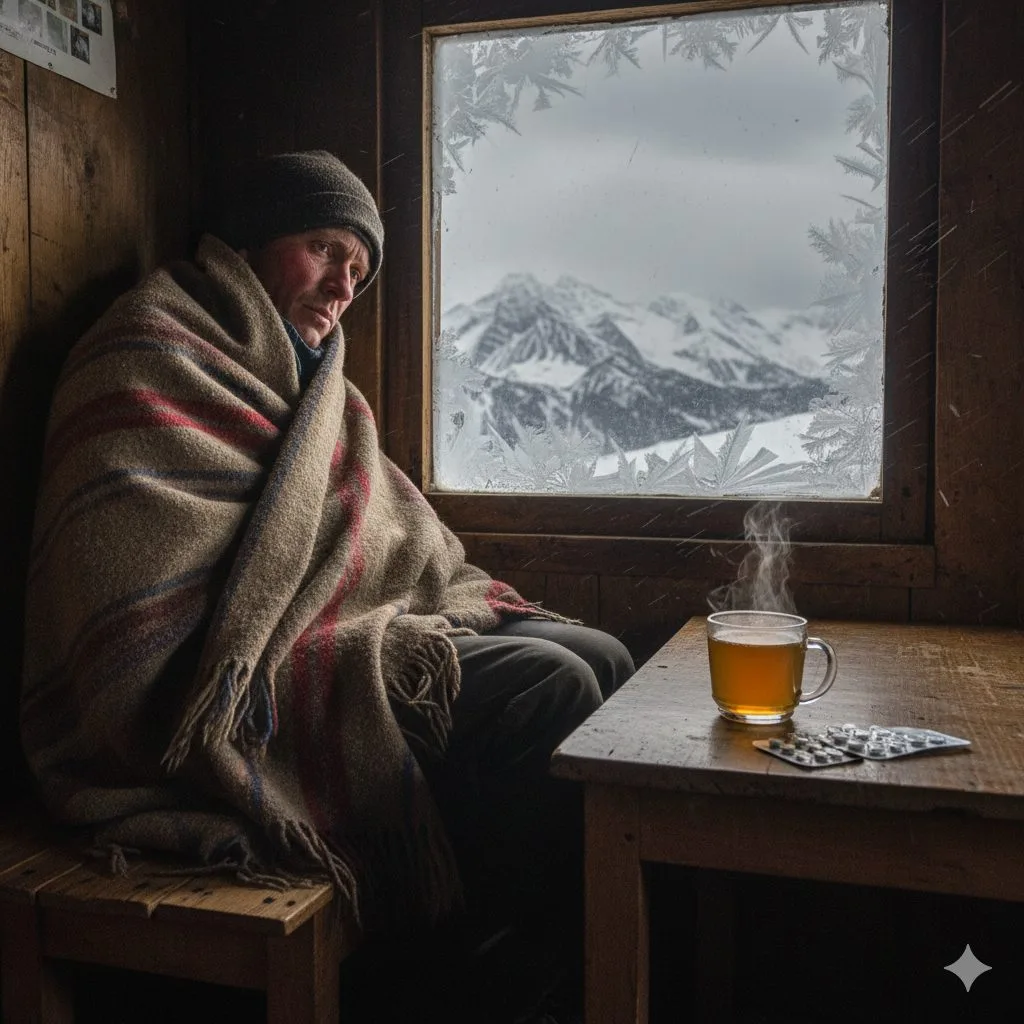
Extended altitude exposure and inadequate nutrition significantly compromise immune function. You’re more susceptible to illness both during and after the trek. That “trek cough” that everyone gets isn’t just altitude – it’s your compromised respiratory immune function.
The weight loss is happening in context of your body sacrificing immune function to prioritize immediate physical survival. You’re burning through resources needed for immune system maintenance. The result is often getting sick during or immediately after treks.
Post-trek illnesses are incredibly common. People attribute them to travel or catching something on the plane home, but often your weakened immune system is the real culprit. Your body is depleted and vulnerable, and any pathogen can take advantage.
The recovery period where your immune system restores itself can take weeks. During that time you’re more susceptible to infections and take longer to recover from illness. The temporary weight loss came at the cost of lasting immune compromise.
Bone Density Concerns
High altitude exposure affects calcium metabolism and bone density. Combine that with inadequate nutrition and increased physical stress on bones, and you have potential for bone health problems that won’t show up for years.
Women especially are at risk because they’re starting from lower bone density baseline. The combination of hormonal disruption from altitude, inadequate calcium intake, and physical stress can accelerate bone density loss. This isn’t measurable immediately but has long-term consequences.
The weight loss often includes loss of bone mineral density along with muscle and fat. This isn’t something that shows up on a regular scale, but specialized testing would reveal it. You’re not just losing soft tissue – you’re potentially weakening your skeletal structure.
Restoring bone density is much harder than rebuilding muscle. The damage done during extended altitude exposure with poor nutrition can have lasting effects on bone health, especially for people who already have risk factors.
Organ Stress Nobody Talks About
Your kidneys, liver, heart – all your organs are stressed during high altitude trekking with inadequate nutrition. They’re working overtime in hostile conditions without adequate resources. This isn’t harmless temporary stress – it can cause lasting effects.
Kidney function is particularly affected by altitude and dehydration. The combination of reduced oxygen, dehydration, and stress can compromise kidney function. Most people recover fully, but the risk exists, especially with repeated altitude exposure.
Liver function deals with processing the metabolic waste products of your body consuming itself. Your cardiovascular system is strained. Your digestive system isn’t functioning normally. Every organ system is stressed beyond normal parameters.
The weight loss happens in this context of system-wide stress and compromise. It’s not isolated fat burning – it’s your entire body in crisis mode, sacrificing whatever necessary for survival. That’s not healthy transformation.
The Recovery Period Nobody Prepares For
After you return from a trek, your body needs substantial recovery time to restore what was lost. This isn’t just rest days – it’s weeks or months of proper nutrition, gentle exercise, and rebuilding. Most people don’t do this systematically.
The immediate period after returning when you’re exhausted and weak is your body screaming for restoration. But people often jump back into normal life without adequate recovery. They interpret continued fatigue as laziness rather than recognizing it as their depleted body needing resources.
Proper recovery requires eating more than normal to restore depleted reserves. But after weeks of restricted eating and weight loss, many people resist this. They want to maintain the lower weight, so they don’t fuel the recovery process properly. This extends the depleted state.
The physical capacity you lost needs to be rebuilt through proper training. But you’re starting from a weakened baseline, so progress is slow. Many people never fully recover to their pre-trek condition, especially if they’re doing repeated treks without adequate recovery between them.
When Weight Loss Becomes the Wrong Goal
The problem isn’t that weight loss happens during treks – it’s inevitable given the conditions. The problem is framing that weight loss as a positive achievement rather than recognizing it as evidence of the extreme stress your body endured.
Making weight loss a trek goal actively encourages unhealthy behaviors. People might restrict eating more than altitude already does. They might push physically beyond smart limits to maximize calorie burn. They turn extreme stress into intentional punishment of their bodies.
The before-and-after photos celebrating weight loss send the message that the value of trekking includes getting smaller. This is especially harmful given that the weight loss represents unhealthy processes. We’re celebrating muscle wasting, dehydration, and starvation adaptation as if they’re fitness achievements.
A healthier framing would acknowledge the weight loss as an expected consequence of extreme conditions, not as a goal or achievement. The accomplishment is completing the trek while minimizing damage to your body, not maximizing weight loss.
The Long-Term Health Perspective
From a long-term health perspective, the ideal trek is one where you lose minimal weight because you managed to eat adequately and stay hydrated despite the challenges. Significant weight loss indicates you couldn’t maintain your body properly in the extreme environment.
People who manage to eat well and maintain their weight during altitude exposure often perform better and feel less destroyed afterward. They’re the ones who actually got stronger rather than just lighter. But they don’t get the social media celebration because the scale didn’t change dramatically.
The health outcomes of trekking should be measured in improved mental health, accomplished goals, expanded capabilities, and positive experiences – not in pounds lost. The weight loss is essentially a side effect of extreme environmental stress, not a health benefit.
If you’re planning to trek, the goal should be to complete it while doing minimal damage to your body. That means eating as much as you possibly can, staying as hydrated as possible, and recognizing that your body is under extreme stress. Weight loss is acceptable as a consequence but shouldn’t be pursued as an objective.
The Bottom Line: Your Body Isn’t a Trophy
The weight you lose during Nepal treks isn’t a trophy or achievement. It’s evidence of the extreme stress and deprivation your body endured. Celebrating it misses the point of what actually happened up there.
Yes, you did something physically challenging. Yes, you accomplished something significant. But the weight loss isn’t the accomplishment – it’s the cost. Your body paid a price in muscle mass, bone density, organ stress, hormonal disruption, and metabolic damage. That’s not something to celebrate.
The social media transformation photos need to stop being about weight loss and start being about actual accomplishment. Completing a difficult trek is impressive regardless of whether your weight changed. The experience, the challenge overcome, the places seen – those are the real achievements.
If you lost significant weight during your trek, focus on proper recovery rather than maintaining that loss. Your body needs to rebuild what was depleted. Trying to keep the weight off is fighting against your body’s legitimate need to restore itself to health.
And maybe think twice before posting those before-and-after weight loss photos celebrating your trek transformation. What you’re actually showing is your body before and after experiencing severe stress and deprivation. That’s not the inspirational message you think it is.