Impact of Gen Z Protests, So here’s the thing about Nepal right now:
It’s complicated. You’ve got these massive Gen Z protests sweeping across the country, and suddenly everyone’s asking the same question: what does this mean for tourism? And honestly, it’s not a simple answer because nothing about Nepal ever is.
The protests aren’t just some random street noise. This is young Nepal basically saying “enough” to a whole mess of issues – unemployment, corruption, the usual political circus that’s been going on forever. But when kids take to the streets in a country where tourism brings in serious money, well, things get messy real quick.
The Numbers Don’t Lie (And They’re Not Pretty)
Let’s talk cold, hard facts for a second. Tourism in Nepal isn’t just some side hustle – it’s the backbone of the economy. We’re talking about an industry that employed over a million people before COVID hit, contributing roughly 8% to the country’s GDP. That’s massive for a country where the average person is just trying to make ends meet.
But here’s where it gets ugly. When protests hit the streets, tourists get nervous. Flight cancellations start rolling in, trekking permits get postponed, and suddenly those carefully planned Everest Base Camp treks are looking more like expensive mistakes than dream adventures.
The ripple effect? It’s brutal. Every canceled booking isn’t just one less tourist – it’s a guide without work, a porter family missing income, a teahouse owner staring at empty rooms. The math is simple and depressing: when tourists don’t show up, entire communities feel it.
Social Media Blackouts: When Tourism Goes Dark
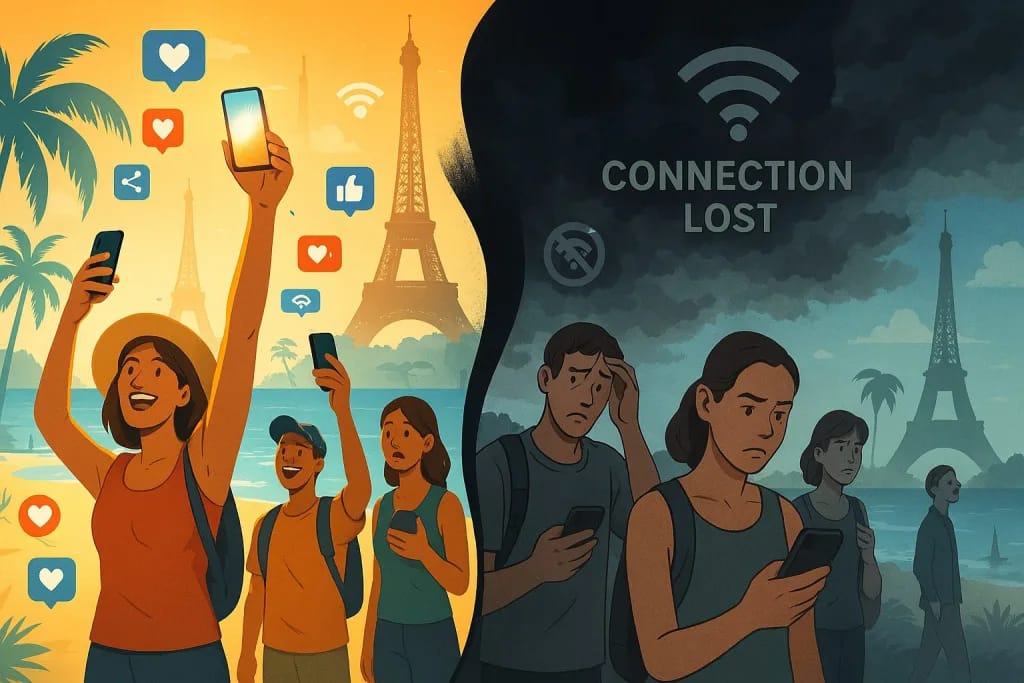
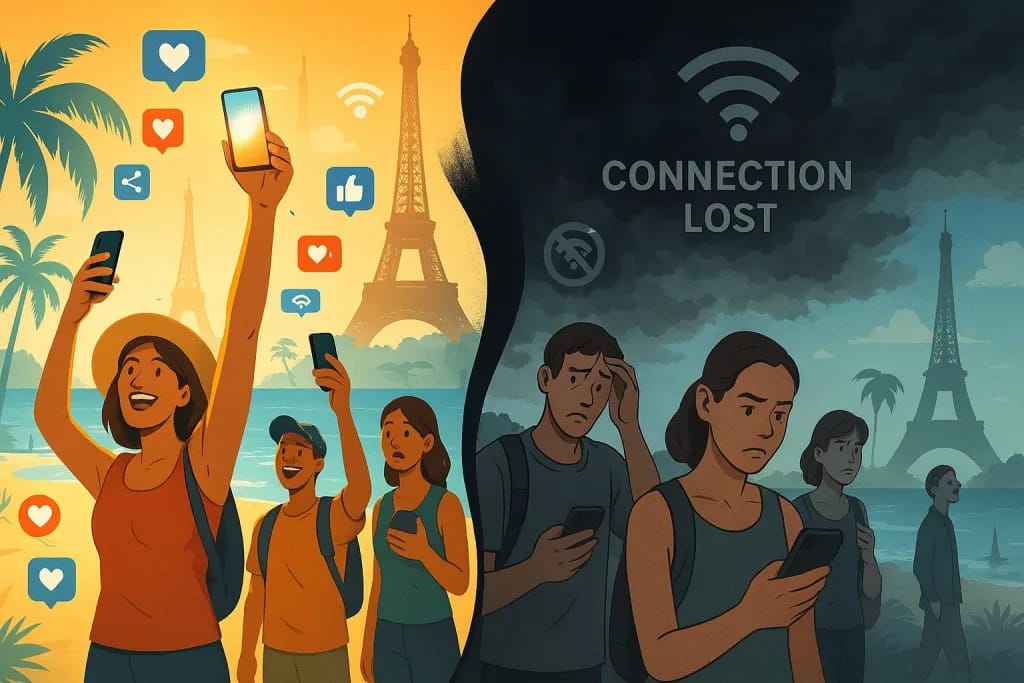
Here’s something that really hits different in 2025 – the social media shutdowns. You cut off Facebook, Instagram, TikTok, and suddenly tourism companies are operating blind. Think about it: how do you run a modern travel business when you can’t post those stunning sunrise shots from Poon Hill? How do you reassure worried travelers when your main communication channels are down?
It’s not just about pretty pictures either. These platforms are literally how tourism businesses stay alive. Customer inquiries, booking confirmations, real-time updates about trek conditions – all of that just vanishes when the government hits the kill switch on social media.
And let’s be real, today’s travelers are addicted to sharing their experiences. Half the appeal of trekking in Nepal is posting those epic mountain selfies and making your friends back home jealous. Take away that ability, and suddenly Nepal feels less attractive to a generation that documents everything.
The Domino Effect: From Kathmandu to the Mountains
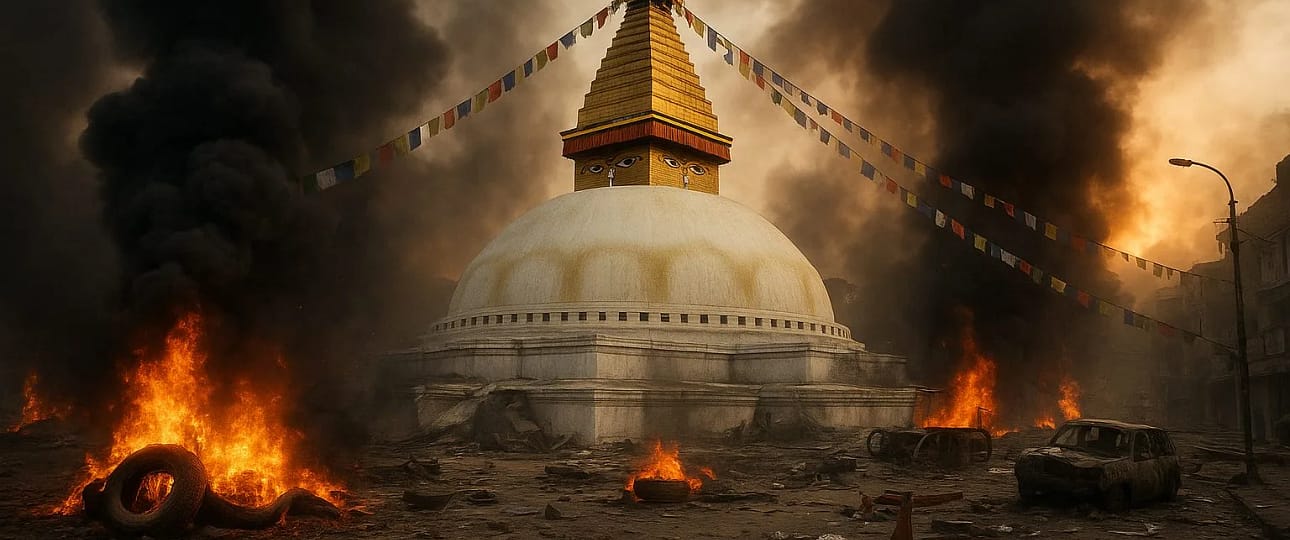
The protests aren’t just a Kathmandu problem – they’re spreading like wildfire across the country, and that’s hitting tourism in ways most people don’t even realize. You’ve got young people in Pokhara, Chitwan, and even remote mountain towns joining in. Suddenly, those “peaceful, off-the-beaten-path” destinations that tourism companies love to sell are making international news for all the wrong reasons.
Transportation gets weird when protests happen. Bandhs (general strikes) mean buses don’t run, domestic flights get canceled, and suddenly that carefully planned itinerary falls apart. Imagine being halfway through a trek and finding out you can’t get back to Kathmandu because the roads are blocked. That’s not the kind of adventure most tourists signed up for.
The psychological impact might be even worse than the practical stuff. Nepal’s brand as a peaceful, spiritual destination takes a hit when international media starts running stories about civil unrest. Doesn’t matter if 99% of the country is perfectly safe – one dramatic protest photo can undo years of “Naturally Nepal” marketing.
International Perception: When Headlines Write Themselves
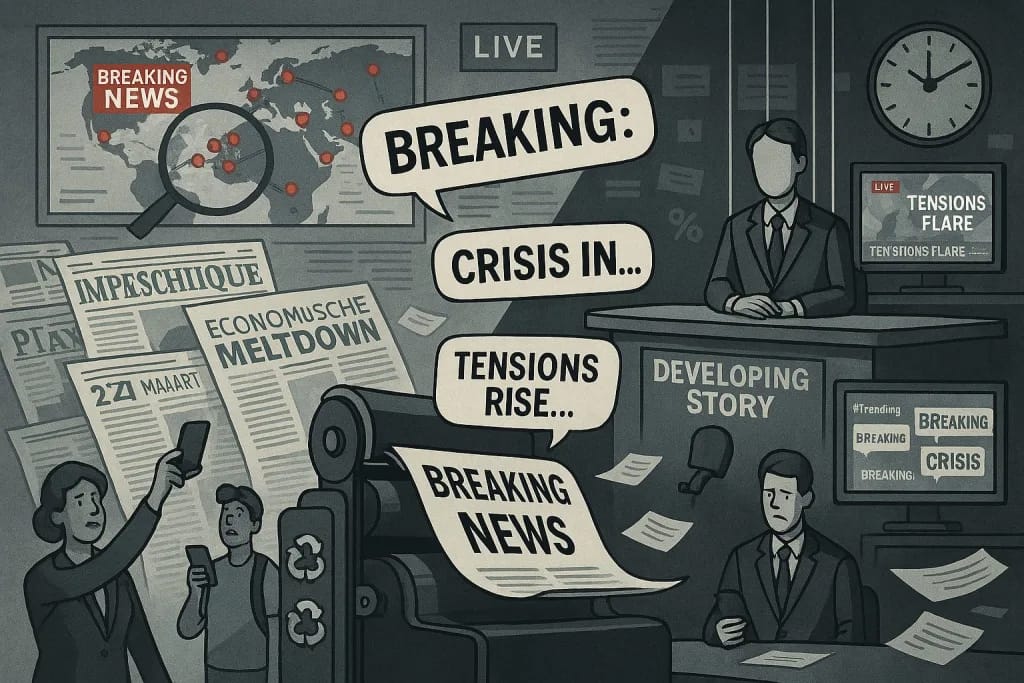
Media coverage of the protests is doing exactly what you’d expect – making Nepal look unstable. Foreign news outlets aren’t exactly known for nuanced reporting about South Asian politics. They see protests, they see police, and boom – Nepal gets filed under “countries experiencing civil unrest.”
Travel advisories start popping up. Insurance companies get nervous. Tour operators in other countries start suggesting alternatives – maybe Bhutan instead? Or how about a nice, safe trek in the European Alps?
The brutal truth is that international tourists have options. Nepal competes with destinations worldwide, and political instability is an easy reason to book that Tibet tour or Patagonia adventure instead.
The Human Cost Beyond the Headlines
Here’s what really gets to you when you think about this situation – it’s the people caught in the middle. Tourism employs entire families across Nepal. Your typical trek supports not just guides and porters, but their extended networks. The cook’s family, the porter’s kids’ school fees, the lodge owner’s elderly parents.
When tourism takes a hit, these communities don’t have alternatives lined up. There’s no quick pivot to another industry. Mountain communities especially depend on tourism income to supplement subsistence farming. Take that away, and you’re talking about real hardship, not just statistical losses.
The irony is thick here. Gen Z protesters are fighting for better economic opportunities, but their protests are damaging one of Nepal’s biggest sources of employment and foreign currency. It’s a classic catch-22 – you need political change for long-term economic stability, but short-term activism hurts the economy you’re trying to fix.
The Tourism Infrastructure Takes a Hit
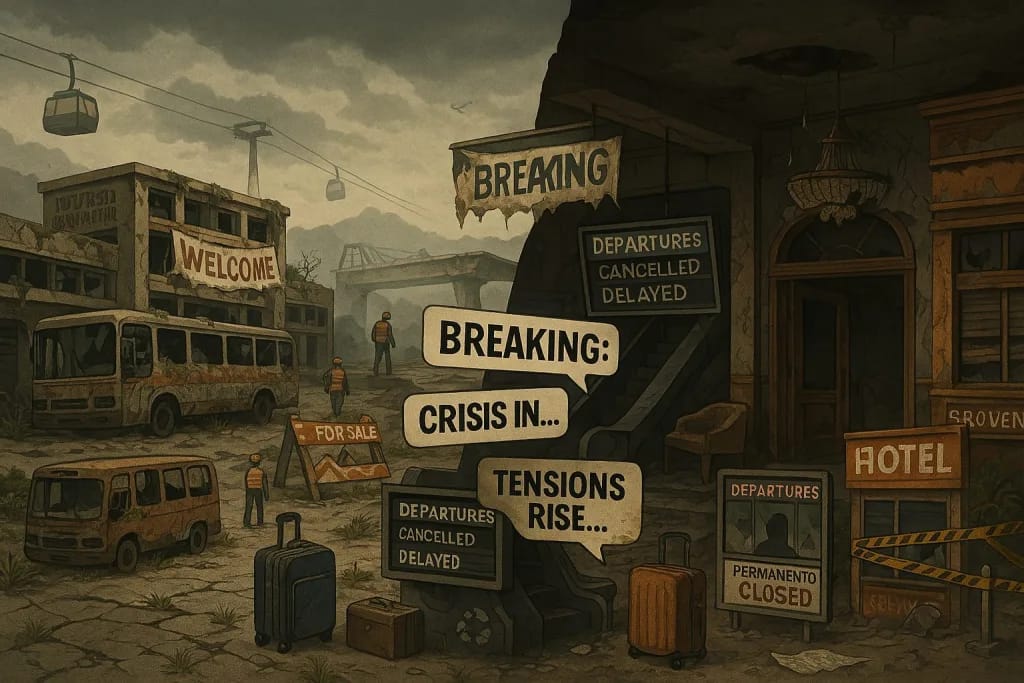
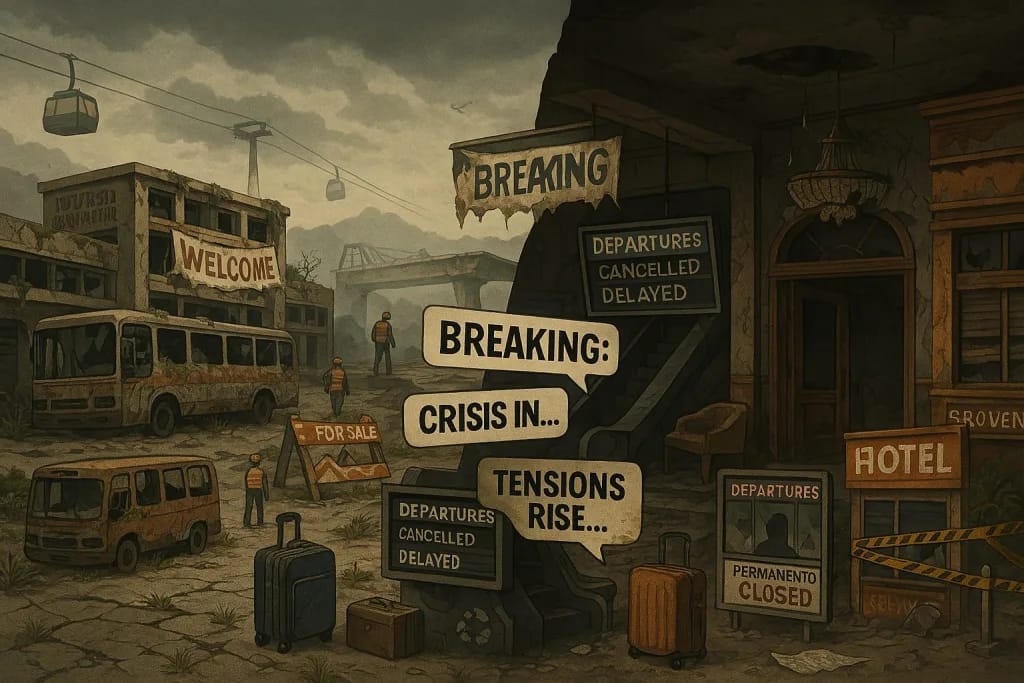
Let’s zoom out and look at the bigger picture. Nepal’s tourism infrastructure was already recovering from COVID-19, and now this. Hotels that were just getting back on their feet are dealing with cancellations again. Airlines that had restored Nepal routes are seeing empty seats. Tourism training programs are wondering if there’s even going to be an industry for their graduates.
The seasonal nature of Nepal tourism makes this even more painful. Peak seasons are everything – if you miss them because of political instability, you’re basically waiting until next year to recover those losses. And in an industry where cash flow is always tight, that waiting can kill businesses.
Smaller operators get hit hardest. The big international tour companies can weather this storm, maybe shift focus to other destinations temporarily. But that local trekking agency in Thamel? The family-run lodge in Namche Bazaar? They don’t have backup plans or emergency funds. When tourists stop coming, they’re in survival mode immediately.
Recovery Challenges: More Than Just Waiting It Out
Even when the protests eventually die down – and they will, because everything does – the recovery won’t be automatic. Tourism is built on reputation and trust, and both take time to rebuild. Convincing international travelers that Nepal is stable again requires sustained effort and probably some luck with media coverage.
The social media blackouts create a particular challenge for recovery. How do you rebuild your tourism brand when you can’t effectively communicate with your global audience? Traditional marketing channels are expensive and slow compared to the organic reach of social media.
There’s also the question of whether this creates lasting changes in how Nepal approaches tourism marketing. Maybe the industry becomes more diversified, less dependent on international tourism, more focused on regional visitors who understand the political context better.
What This Really Means for Nepal’s Tourism Future
Look, Nepal will survive this. The country has weathered earthquakes, political transitions, and a global pandemic. The mountains aren’t going anywhere, and neither is the incredible culture that draws people from around the world.
But there are lessons here about the fragility of tourism-dependent economies. When your main industry can be disrupted by political events, social media blackouts, or changing international perceptions, you’re walking a tightrope.
The Gen Z protests represent something deeper than immediate political demands – they’re about young Nepalis wanting a future that doesn’t depend entirely on serving foreign tourists or working abroad. That’s actually a healthy conversation for the country to have, even if the timing is brutal for the tourism industry.
Maybe this crisis forces Nepal to think differently about sustainable tourism, about building an economy that’s more resilient to external shocks. Or maybe it just reinforces how dependent the country is on keeping international visitors happy and convinced that Nepal is a safe, welcoming destination.
The Bottom Line
The impact of these protests on Nepal’s tourism industry isn’t just about lost revenue or canceled trekking bookings – though those hurt plenty. It’s about the fundamental vulnerability of building your economy around something as fickle as international adventure tourism.
Young Nepalis are fighting for their future, and trekking operators are trying to preserve their livelihoods. Both groups want prosperity and stability, but they’re working on different timescales with different strategies. The protesters are thinking long-term systemic change; the adventure tourism industry needs immediate stability to survive.
The real question isn’t whether Nepal’s trekking industry will recover from these protests – it will. The Annapurna region, Everest area, Langtang valley – they’ll all see international trekkers again. The question is whether this experience pushes the country toward a more diversified, resilient economic model, or whether it just becomes another crisis that the tourism sector survives and then forgets about until the next one hits.
Either way, right now, the Himalayas are still there, the mountain culture is still incredible, and the Sherpa people are still some of the most welcoming on earth. But the business of sharing that with the world through guided treks, mountain expeditions, and cultural adventures just got a lot more complicated.
The Nepal adventure tourism industry will bounce back – it always does. But each crisis like this makes it a little more fragile, a little more dependent on things beyond its control. And in a world where adventure travelers have more options than ever, that’s a precarious place to be.