
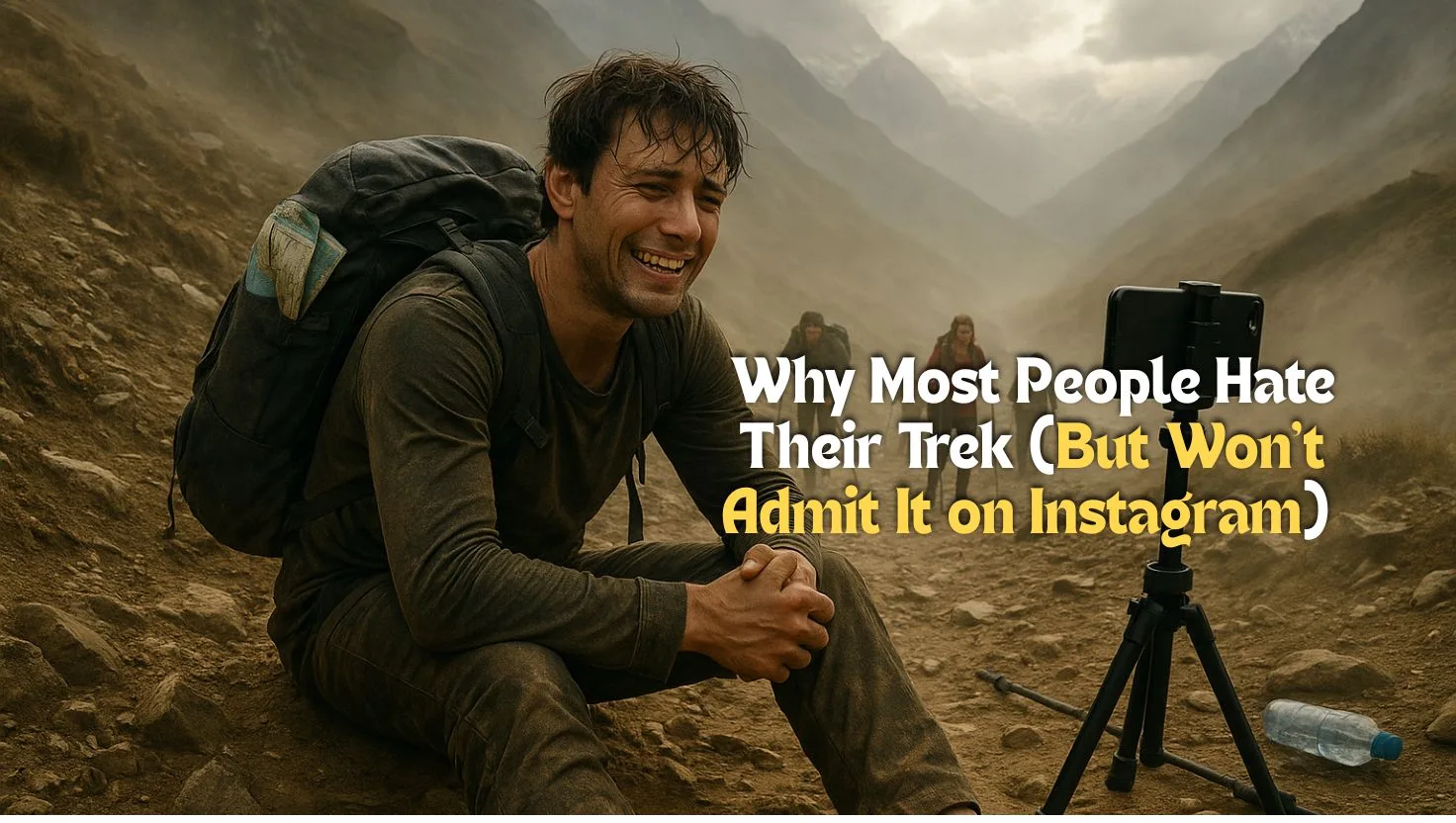
Let’s talk about the thing nobody wants to say out loud: a lot of people absolutely hated their Nepal trek. Not the whole thing, maybe, but significant chunks of it. Days where they were miserable, moments where they seriously regretted their decisions, nights where they cried from exhaustion or altitude sickness. But look at their Instagram and it’s all sunshine, prayer flags, and captions about life-changing experiences and finding themselves in the Himalayas.
The gap between what people post and what they actually experienced on Everest Base Camp or Annapurna Circuit is wild. Social media has created this pressure where everyone has to pretend their trek was amazing, even when large parts of it genuinely sucked. You can’t admit you hated it because you spent thousands of dollars and traveled across the world, and saying it wasn’t great feels like admitting failure.
I’ve talked to so many trekkers after they get back, and once they’re away from the performative Instagram moment, the truth comes out. Yeah, the views were incredible for like ten minutes. But the other 23 hours and 50 minutes of each day? Often pretty miserable. Cold, exhausted, altitude-sick, bored, uncomfortable, questioning why they paid money to suffer like this.
Here’s why most people secretly hate parts of their trek but will never admit it publicly.
The Altitude Misery That Never Makes It to Social Media
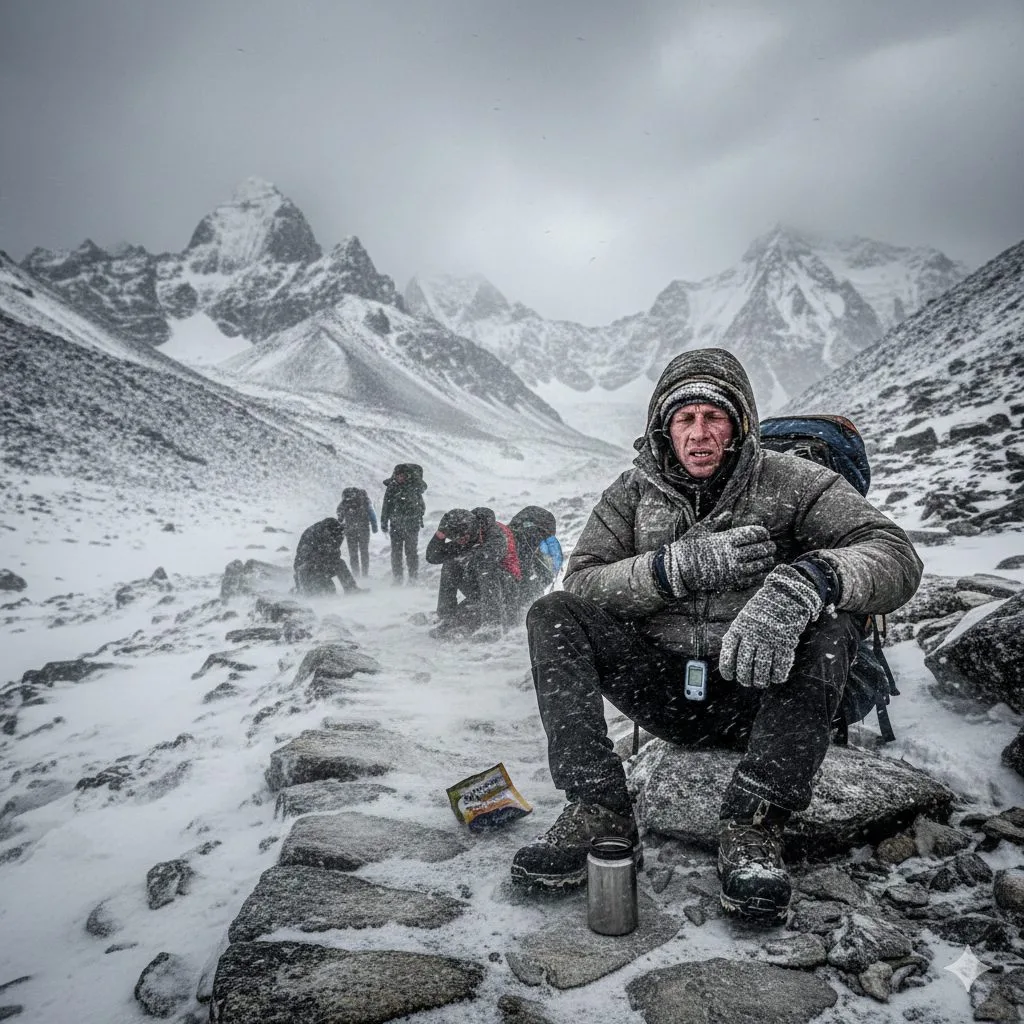
Altitude sickness is absolutely brutal, and almost everyone gets it to some degree. Headaches that feel like your skull is being crushed. Nausea that makes eating impossible even though you desperately need calories. Exhaustion so deep that climbing a small hill feels like running a marathon.
But nobody posts about this honestly. Maybe you get one carefully curated “struggling but pushing through” caption with a photo where you don’t actually look that bad. The reality of spending three days with a pounding headache, throwing up your dinner, and seriously considering evacuation? That doesn’t make it to Instagram.
The pressure to keep going when your body is screaming at you to stop creates this awful experience where you’re suffering but can’t admit it because everyone expects you to love this. You’re in the Himalayas! Living your dream! Except your dream currently involves wanting to die from altitude headaches while pretending to be inspired by mountain vistas.
People spend entire rest days feeling like garbage, lying in their sleeping bags wishing they were home, but then post a sunset photo with something about “taking time to appreciate the journey.” The appreciation was actually just being too sick to leave the tea house, but that’s not the story that gets told.
The Cold Nobody Prepared You For
The cold at high altitude in Nepal tea houses is a special kind of miserable that people genuinely don’t expect. You’re wearing every piece of clothing you brought, still freezing, trying to fall asleep while shivering, waking up multiple times because you’re so cold.
Tea house heating is minimal or non-existent in many places. That dining room where everyone huddles around one small stove? You’re still cold. Your sleeping bag that was supposedly rated for the temperatures? Turns out that rating was optimistic. Your water bottle froze overnight even though it was inside your room.
Nighttime bathroom trips in sub-zero temperatures become this horrible experience you dread. Going outside to use a squat toilet when it’s well below freezing, trying not to touch anything because everything is ice cold, stumbling around in the dark because you’re too altitude-affected to think clearly.
But Instagram shows cozy tea house moments and beautiful snowy landscapes, not the reality of being miserably cold for days on end with no way to properly warm up. The “rustic mountain experience” sounds romantic until you’re living it and just desperately want central heating.
Boredom at Altitude Is Real and Weird
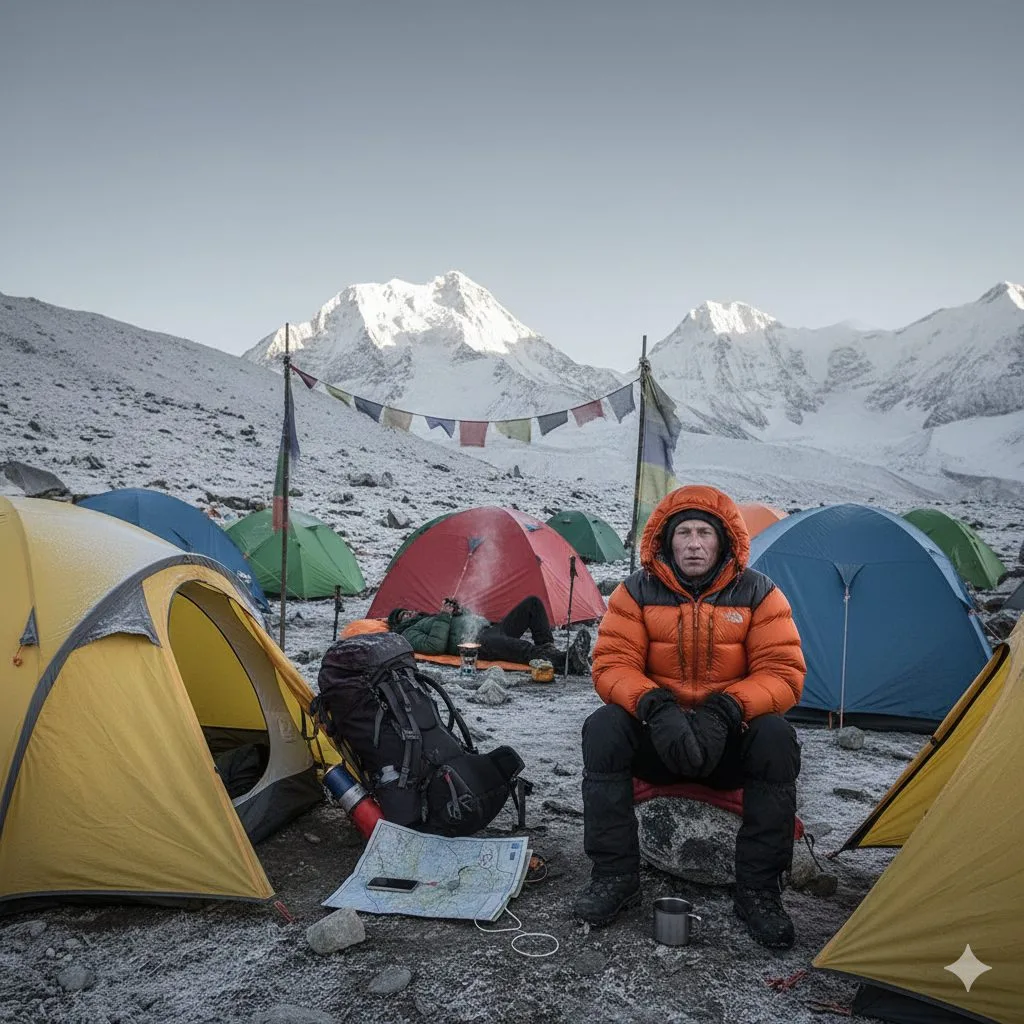
Here’s something nobody talks about: trekking can be boring as hell. You walk for hours through similar-looking landscapes. You’re too altitude-affected to read or focus on anything complex. The tea houses have limited entertainment. You’re stuck with the same people for weeks. It gets repetitive and dull.
The walking itself becomes monotonous after a while. Yeah, mountains are pretty, but after six hours of trudging uphill, you’ve kind of seen enough rocks and trails for one day. Your brain isn’t working great because of altitude, so you can’t even properly appreciate the scenery or have deep thoughts.
Evenings in tea houses stretch on forever. It’s too cold to do anything but sit in the dining room. You’ve already talked to your trekking companions about everything. The wifi is too slow for Netflix. You’re tired but it’s only 7 PM and you can’t sleep for another few hours.
Instagram makes it look like every moment is filled with adventure and wonder, but the reality includes a lot of sitting around being bored and uncomfortable, waiting for the day to end so you can attempt to sleep in your freezing room.
The Food Situation Gets Old Fast
Dal bhat twice a day for two weeks sounds fine in theory. It’s what fuels trekkers, right? But by day five, you’re so sick of rice and lentils that the thought of another meal makes you want to cry. Except you have to eat it because you need the calories and there aren’t many alternatives.
Tea house menus offer variety on paper, but the reality is everything tastes pretty similar and nothing is particularly good at high altitude. The pasta is overcooked and bland. The fried rice is just rice with some vegetables. The pizza is… let’s not talk about mountain pizza.
Altitude kills your appetite anyway, so you’re forcing yourself to eat food you don’t want while feeling nauseous. Every meal becomes this negotiation with yourself about getting enough calories down to keep functioning. The food isn’t terrible, exactly, but eating it becomes a chore rather than a pleasure.
Social media shows cute photos of dal bhat with captions about “authentic mountain food,” carefully avoiding the truth that you’re gagging down your tenth consecutive meal of the same thing while dreaming about food from home.
The Bathroom Situation Is Actually Nightmare Fuel
Let’s be honest about tea house toilets. They range from “barely acceptable” to “absolutely horrifying.” Squat toilets that haven’t been cleaned properly. Frozen pipes so you can’t flush. Toilet paper that ran out yesterday. Smells that defy description.
Altitude makes you pee constantly, which means multiple trips to these bathrooms every night. In the freezing cold. In the dark. When you’re already exhausted and altitude-sick. Each trip is this whole production of putting on layers, finding your headlamp, psyching yourself up to face the toilet situation.
Digestive issues hit almost everyone at some point during high altitude trekking. Whether it’s altitude-related or food-related, you’re dealing with stomach problems while using questionable bathrooms. This is genuinely one of the worst parts of the experience, but nobody talks about it because it’s not Instagram-friendly.
The gap between the romantic idea of rustic mountain living and the reality of using a frozen squat toilet at 4500 meters while suffering from altitude-induced diarrhea is huge. But that’s not the story that gets told when people post their trek highlights.
When Your Body Just Gives Up
There’s this moment many trekkers hit where their body basically says “nope, not doing this anymore.” Your legs refuse to cooperate. Your lungs can’t seem to get enough air no matter how slowly you walk. Your brain is foggy and you can’t make simple decisions. Everything hurts.
This isn’t the inspirational “pushing through challenges” stuff that makes good social media content. This is genuine physical failure where you’re moving at a crawl, taking breaks every few minutes, wondering if you can actually continue. It’s not noble or character-building in the moment – it’s just miserable.
The pressure to keep up with your group when you’re physically struggling creates awful dynamics. You’re slowing everyone down. People are being patient but you know they’re frustrated. You feel like you’re failing at something you should be able to do, which makes the physical suffering even worse.
Instagram posts frame physical challenges as triumphant moments of personal growth, but the reality often feels more like your body betraying you while you desperately try to make it to the next tea house before you completely collapse.
The Social Dynamics Get Weird
Spending 24/7 with the same people for two weeks in challenging conditions brings out everyone’s worst qualities. Personality conflicts emerge. Someone’s always complaining. The group fractures into cliques. There’s tension about pace or rest days or route choices.
Maybe your trekking partner is dealing with altitude differently than you and it’s creating friction. Or someone in the group has annoying habits that become unbearable when you can’t escape them. Or the guide’s personality doesn’t mesh well with the group. Small irritations become major issues when you’re tired, cold, and altitude-affected.
Arguments happen over stupid things because everyone’s exhausted and not thinking clearly. Decisions about where to stop for lunch or how long to rest become disproportionately important. Someone always wants to go faster or slower than the group consensus. The social navigation becomes exhausting on top of the physical challenge.
But social media shows happy group photos at viewpoints, carefully edited to remove all the tension, conflicts, and irritation that characterized most of the interactions. The true group dynamics stay hidden because admitting your trekking companions drove you crazy doesn’t fit the narrative.
When the Views Don’t Hit Like You Expected
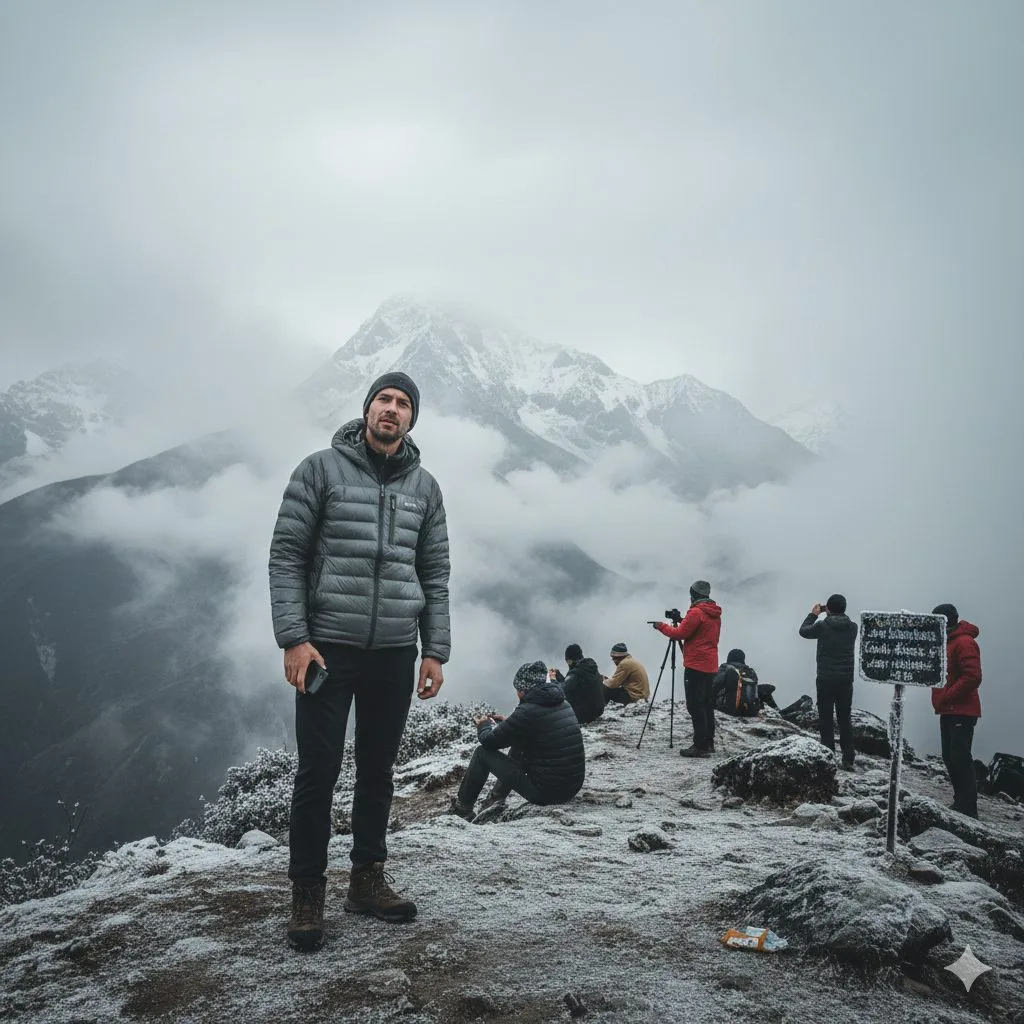
Here’s an uncomfortable truth: sometimes the famous views just don’t do it for you. You’ve been walking for eight days to see Everest, you finally get there, and your reaction is basically “okay, that’s a big mountain.” It’s impressive, sure, but not the profound emotional experience you were promised.
Maybe the weather isn’t perfect and the mountain is partially obscured. Or you’re too altitude-sick to properly appreciate it. Or it just doesn’t trigger the overwhelming awe you expected based on all the photos you’ve seen. The view is there, it’s objectively beautiful, but your internal experience is kind of flat.
This feels impossible to admit because you traveled so far and worked so hard to see this. You’re supposed to be moved and inspired. So you take the photos, you post them with emotional captions about the majesty of nature, and you never mention that your actual feeling was mostly relief that you made it and could start heading down.
The pressure to have a profound reaction to famous viewpoints is intense. Your Instagram followers expect inspiration and transformation. Admitting that your main thought looking at Everest was “I’m cold and want to go home” feels like failing at the experience.
The Mental Game Is Harder Than the Physical
Physical suffering is one thing. The mental challenge of pushing through day after day when you’re not enjoying it is something else entirely. Waking up each morning knowing you have another long day of walking ahead when you’re already exhausted. Psyching yourself up to keep going when every part of you wants to quit.
The mental load of constantly having to be positive and enthusiastic when you’re actually miserable creates this exhausting double life. You’re suffering internally but performing enjoyment externally because everyone expects you to love this. The cognitive dissonance becomes its own form of torture.
Decision fatigue hits hard when you’re altitude-affected. Every choice, even simple ones, feels overwhelming. What to eat, when to rest, whether to push through or take it slow – your brain doesn’t have the capacity to make these decisions well, but you have to keep making them anyway.
Instagram shows the highlights and the achievement moments, not the daily mental struggle to just keep putting one foot in front of the other when you’ve stopped enjoying the experience but are too committed to quit.
The Sleep Deprivation Nightmare
Quality sleep at high altitude is basically impossible. The altitude affects your breathing patterns. You wake up gasping. Your head pounds. You’re too cold to sleep deeply. The thin foam mattress on a wooden platform isn’t comfortable. You’re sharing a room with someone who snores.
Sleep deprivation accumulates over the trek until you’re a zombie. Your body desperately needs rest to recover from the physical demands and altitude stress, but it can’t get it. Each night of bad sleep makes the next day harder, creating this downward spiral of exhaustion.
The lack of proper rest affects everything. Your mood gets worse, Your altitude acclimatization is compromised, Your physical performance decreases. Your decision-making becomes impaired. But you have to keep going because the schedule demands it.
Social media might mention being tired with a casual “rough night but pushing through!” caption, but it doesn’t convey the reality of weeks of sleep deprivation at altitude and how completely destroyed it leaves you feeling.
When Injuries and Pain Become Your Baseline
Blisters, knee pain, muscle soreness, twisted ankles – some form of pain becomes constant background noise during long treks. You’re always managing some injury or discomfort, trying to make it to the next stop without things getting worse.
The decision to continue trekking when you’re injured is complicated. You’re in the middle of nowhere with limited medical resources. Stopping means potentially ruining the whole trip. But continuing risks making injuries worse. There’s no good option, so you just keep walking while hurting.
Pain medication becomes a daily ritual. Ibuprofen for inflammation, painkillers for the headache, moleskin for the blisters, tape for the ankle. You’re constantly trying to manage damage while continuing to create more damage through ongoing exertion.
Instagram shows triumphant summit photos but doesn’t show you limping through the last three days of the trek, barely able to walk but refusing to quit because you’ve come this far. The pain is constant but invisible in the social media narrative.
The Guilt About Not Loving Every Moment
Maybe the worst part is the guilt. You know you’re privileged to be able to do this trek, You know it’s an incredible opportunity. You know people dream about this experience. So feeling miserable and wanting it to be over creates this awful guilt spiral.
You’re not supposed to complain because others have it worse – your porter is carrying way more weight, the local guides deal with these conditions year-round, some people can never afford to trek at all. Your suffering feels illegitimate and selfish.
The pressure to be grateful for the experience even when you’re hating it creates this toxic positivity where you can’t acknowledge your actual feelings. You’re supposed to feel lucky and inspired, not cold and miserable and ready to go home.
This guilt prevents honest conversations about the experience. You can’t tell people you hated parts of it without feeling like an ungrateful whiner. So you post the positive moments and hide the reality, continuing the cycle of unrealistic expectations for future trekkers.
The Instagram Performance While Suffering
Taking those perfect Instagram photos requires effort when you’re exhausted and altitude-sick. You have to pose and smile when you’re actually feeling terrible. You have to wait for good light or clear weather when you just want to get to the tea house and lie down.
The performance becomes exhausting on top of everything else. You’re managing your own suffering while also managing how your suffering appears to others. The photos need to show adventure and accomplishment, not the raw misery of the actual experience.
Caption writing becomes creative fiction. How do you describe feeling like death warmed over in a way that sounds inspirational? How do you frame physical suffering as personal growth? The gap between what you write and what you’re experiencing becomes enormous.
The worst part is you feel obligated to do this because you’ve been posting throughout the trek and people expect updates. You can’t suddenly admit it’s terrible after days of positive posts. So you continue the fiction even as the reality gets worse.
When You Realize You’re Not “Finding Yourself”
All the travel marketing and inspirational content promises that trekking in the Himalayas will transform you and help you find yourself. But sometimes the big revelation is just that you don’t like being cold, tired, and uncomfortable for weeks on end.
You thought this experience would provide clarity or enlightenment or some kind of profound personal insight. Instead you mostly just learned that you really appreciate central heating and comfortable beds. The philosophical breakthrough you expected never arrives.
There’s disappointment in realizing the experience isn’t changing you the way it supposedly changes everyone else. You’re still the same person, just currently more tired and altitude-sick. The promised transformation feels like a marketing lie.
But you can’t admit this because everyone expects trek stories to include personal growth and life lessons. So you manufacture some insights for your Instagram caption even though your real takeaway is mostly “this was harder and less fun than I thought.”
The Relief When It’s Finally Over
The best moment of many people’s trek is when it ends. Not reaching the destination – the moment when they’re finally off the mountain, in a hot shower, eating real food, sleeping in a comfortable bed. The relief is overwhelming.
But this contradicts the narrative that treks are supposed to be incredible adventures you don’t want to end. You’re supposed to feel bittersweet about finishing, not purely relieved that the suffering is over. The fact that your dominant emotion is gladness that you’re done feels wrong.
People often say they’d do it again, but if you really press them, many wouldn’t. They’re glad they did it once but have no desire to repeat the experience. The memory becomes better than the reality was, especially after enough time passes and the uncomfortable parts fade.
Instagram posts at the end are all about achievement and accomplishment, never about the honest relief that the challenging, uncomfortable experience is finally over and you can go back to normal life where you’re warm and well-fed and sleeping properly.
The Post-Trek Narrative Reconstruction
After you get home, something weird happens. Your memory starts editing the experience. The bad parts fade and the good moments become more prominent. The trek you hated during it becomes a great adventure in retrospect.
This narrative reconstruction is partly psychological protection and partly social pressure. You spent a lot of money and time on this. Admitting it wasn’t great feels like a waste. So your brain helps you reframe it as worthwhile.
The stories you tell get refined and improved. The suffering becomes funny anecdotes. The misery becomes character-building challenges. The truth shifts into something more palatable and impressive. Eventually you might even convince yourself that you loved it.
This is why the cycle continues. People who secretly hated their trek tell others it was amazing, leading more people to go expecting something different from reality. The gap between experience and narrative keeps perpetuating because nobody wants to be the person who admits the truth.
The Pressure to Recommend What You Regretted
After your trek, people ask for advice and recommendations. Do you tell them the truth – that you were often miserable and questioned your decision – or do you maintain the positive narrative and encourage them to go?
Most people end up recommending it despite their actual experience because saying “don’t do it” feels wrong. You assume your negative experience was somehow unusual or that you just didn’t have the right mindset. So you tell them it’s amazing and they should definitely go.
This continues the cycle where trekking experiences are sold as universally transformative and wonderful when the reality is much more complicated. The honest conversation about what trekking is actually like – physically demanding, often uncomfortable, sometimes boring, frequently miserable – doesn’t happen.
New trekkers go in with unrealistic expectations, have difficult experiences they’re not prepared for, feel isolated in their suffering because everyone else seems to be loving it, and then come home and tell others it was great. The cycle repeats endlessly.
The Bottom Line: It’s Okay to Admit It Sucked
Here’s the truth that needs saying: it’s completely okay if you didn’t love your trek. It’s okay if you hated significant parts of it. It’s okay if the main thing you felt was relief when it ended. None of this means you failed or did it wrong or aren’t tough enough.
High altitude trekking in Nepal is genuinely hard. Cold, uncomfortable, physically demanding, mentally exhausting. Some people thrive in these conditions. Many don’t. Neither reaction is wrong or invalid.
The pressure to pretend everything was amazing serves nobody. It creates unrealistic expectations for future trekkers, makes people feel isolated when they’re struggling because they think everyone else is fine, and prevents honest conversations about what these experiences actually involve.
Maybe your trek had some incredible moments that you’ll remember forever, Maybe seeing the mountains was genuinely moving. Maybe you did learn something valuable about yourself. All of that can be true while also acknowledging that large parts of the experience sucked and you spent significant time wishing you were home.
The full truth of trekking experiences is complex. Amazing views and miserable suffering. Accomplishment and regret. Beautiful moments and wish-you-were-home-moments. Posting only the highlights isn’t honest, and it perpetuates unrealistic expectations that make everyone else’s experiences more difficult.
If you secretly hated your trek but posted like it was the adventure of a lifetime, you’re not alone. Most people do this to some extent. But maybe it’s time to be more honest about the gap between Instagram and reality. The next generation of trekkers deserves to know what they’re actually signing up for, not just the edited, filtered, carefully curated highlight reel.