
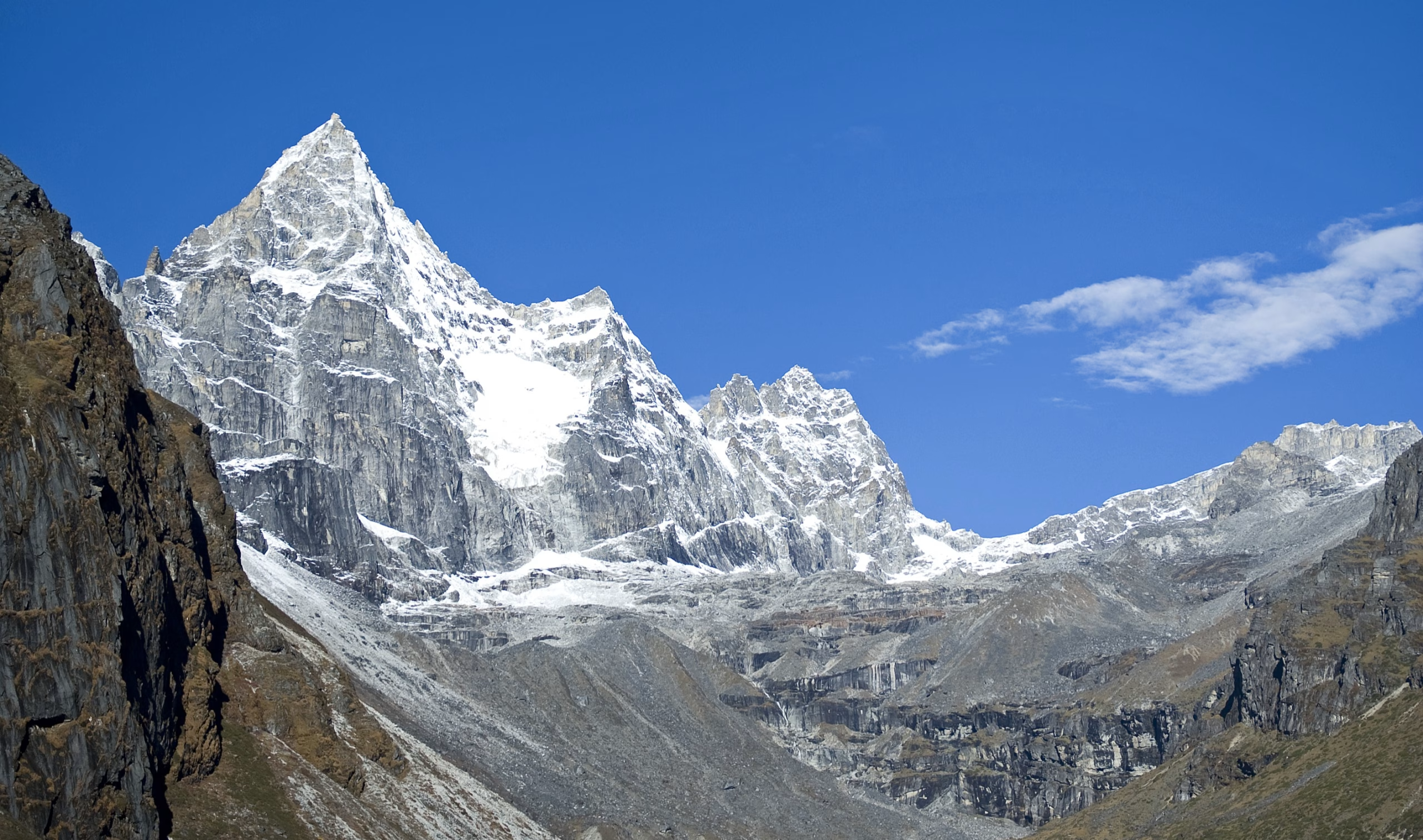
At 6,186 meters, Kyajo Ri Peak Climbing in the Khumbu region of Nepal is a must visit place for climbers who love to climb less frequented and challenging peaks. Unlike the busy Everest trails, Kyajo Ri Peak Climbing boasts a balance of technical climbing and beautiful panoramic views of the surrounding Himalayas. The trek takes you through scenic Sherpa villages, green valleys, and high rock landscapes, and to the thrilling and rewarding summit of a Himalayan peak.
Over 12 days, you will reach Everest Base Camp after trekking through Phakding, Namche Bazaar, Tengboche and Dingboche, acclimatizing and building strength for the wall of ascent ahead. Further your journey will take you to Kyajo Ri Base Camp where you will stay and prepare for the summit, undergoing the required technical training and acclimatization to the new altitude to make for a successful ascent. Once you reach the trail, prepare to take in stunning views of Mount Everest, Lhotse, and adjacent peaks.
Beyond the climb, this is a deeply cultural expedition. Along the way, the trek passes through traditional Sherpa villages, monasteries, and its spiritual history. Finally, the history and the Sherpa culture and people along the trail add another important dimension to the experience. Blaze Mountain not only guarantees your safety and comfort with qualified guides, all climbing tools and logistics being provided to ensure a smooth ascent.
Treknote: Kyajo Ri peak Climbing
Kyajo Ri Peak Climbing excursion starts with a sweat flight from Kathmandu to Lukla, before trekking to through Sherpa settlement of Phakding, Namche Bazaar, Dingboche. These stops acclimatise you to the altitude while giving you views of surrounding peaks. On reaching the Kyajo Ri Base Camp, you will go through technical training and further acclimatization before summiting. The summit is challenging, featuring steep sections of snow, ice, and rock, but you will be completely supported across the ascent with due advice from experienced climbing professionals.
At the Kyajo Ri summit, you will be rewarded with spectacular panoramic views of some of the highest peaks in the Himalayas, namely Mount Everest, Makalu and Lhotse. Not only is this a physical challenge but a cultural trek as well where you would witness a rich culture of the Sherpa people and ancient monasteries on the road. This breathtaking view will be an amazing lifetime experience for you along with climbing up of Kyajo Ri Peak which is a technical climb.
Additional Information:
You can access full details regarding the Kyajo Ri Peak Climbing from our website. If you need any extra information or extra service, feel free to contact us. To meet our agent, please follow the link, and/or if you want to talk to us directly, you can call our office at: 01-4522505.
Specialty about Kyajo Ri Peak Climbing:
For mountaineers and trekkers alike, Kyajo Ri Peak Climbing is a singular and demanding adventure that combines technical climbing, stunning Himalayan vistas, and cultural immersion, making it an unforgettable experience. The following explains what makes this ascent so unique:
- Technical Climbing Challenge:
Kyajo Ri (6,186 meters) is a technical peak, and climbers will need to navigate steep ice and snow slopes, rock faces, and crevasse crossings. This makes the climb ideal for those seeking to hone their mountaineering skills at altitude. For the climb, it combines different rock climbing, ice climbing, and all roping techniques into one, ensuring climbers have some fun and challenging experience. - Off the Beaten Path:
In contrast to the busy Everest region, Kyajo Ri is a relatively lesser-known but beautiful mountain, tempting climbers with peace and solitude in the Himalayas. The trek and climb is a intimate, quiet adventure jfree of the crowds found on other popular routes. Climbing in the grouping or away from the crowd gives climbers a chance to truly reach out into the untamed wilderness as well as a calm environment. - Breathtaking Ranges:
As climbers reach the top, they can view some of the tallest mountains in the world including Mount Everest, Lhotse, Makalu, and Cho Oyu. This wide view gives a tremendous sense of achievement and a reminder of the scale of the Himalayas and makes the hike worth it. - Cultural Immersion:
Trekking is the best way to experience Sherpa culture. The route up to Kyajo Ri passes through a number of traditional Sherpa villages, so climbers can not only meet the locals as they pass, but visit ancient monasteries and get a feel for Sherpa culture on the way up. Localities such as Namche Bazaar, Tengboche, and Dingboche offer trepid trekkers cultural experiences, allowing more insight into the history of the region. - Acclimatization And Preparation:
The trek to Kyajo Ri enables proper acclimatization, essential for ensuring the climbers’ safety and success. The route climbers take climbs slowly through the Khumbu region, with stops at villages like Namche Bazaar and Dingboche to allow hikers to acclimate as well as possible to the high altitudes and lower the chances of altitude sickness. That provides climbers the best opportunity to summit safely.
Is Kyajo Ri Peak Climbing Right for Trekkers and Climbers?
Although climbing Kyajo Ri Peak is a thrilling and difficult experience, it’s crucial to determine if it’s right for you depending on your prior climbing and trekking background. Whether this summit is suitable for hikers and climbers is broken down as follows:
For Trekkers:
- Experience Level: Intermediate Trekking: In addition to actually climbing Kyajo Ri, the approach to the base camp is achievable by trekkers with an intermediate level of fitness and experience. If you’ve done some moderate trekking at high altitudes, you’ll love the trek’s scenic beauty and cultural immersion opportunity.
- Altitude acclimatization: The trail to Kyajo Ri continues via some high-altitude Sherpa towns and provides days of acclimatization. This allows trekkers to acclimatize before heading to the summit. It will be easy for those who are used to trekking in the Himalayas, but trekkers with no previous experience in higher altitudes may find it difficult.
- Experience Cultural and Scenic Treks: Kyajo Ri Trek allows trekkers to enjoy the scenic and cultural experience even without climbing the summit. It’s a beautiful journey with views of snow capped mountains and the chance to experience Sherpa culture.
For Climbers:
- Only for Experienced Climbers: Kyajo Ri is a technical peak that involves the need to use mountaineering skills like ice axes, crampons, ropes, and traverse crevasses. Climbers need to be skilled at technical rock, ice, and snow climbing. It’s not a suitable choice for beginners; it’s recommended for intermediate to advanced climbers seeking a technical challenge.
- Physical Fitness: Involves long hours of ascent through rough terrains (includes steep slopes). To take on these challenges, climbers need to be an excellent physical shape. You will need stamina to persist through the physical exertion of the climb, as well as strength and mental clarity.
- Altitude Training: Climbing above the peak of 6,186 meters, climbers need to train very well because of high-altitude climbing. Climbers should have a good background in high-altitude mountaineering as there is potential for altitude sickness if climbers are not appropriately acclimatized.
Best Season for Kyajo Ri Peak Climbing:
Kyajo Ri Peak Climbing can be done in two main seasons, spring (March to May) and autumn (September to November). The seasons have stable weather, clear skies, and moderate temperatures, perfect for trekking and climbing. Spring is characterized by comfortable temperatures and good snow conditions given the melting, while autumn presents dry and clear conditions following the monsoon that will ultimately ensure better visibility and safer climbing. Winter and monsoon are not advantageous either, because of extreme cold and heavy rain making spring and autumn the most favorable times for the climb.
- Spring (March to May)
Kyajo Ri Peak Climbing is best done in Spring. Clear sky, moderate temperatures, and stable conditions are recorded in these months, perfect for trekking and climbing. Temperatures are cold at higher elevation but not extreme, which makes the climb easier. The snow on the peak is also good in the spring so it’s a hard surface for climbers. The surrounding landscape is also beautiful as rhododendrons and other wildflowers bloom during this time of the year. - Summer (June to August)
Summer in the Himalayan region is monsoon season, with heavy downpours. Kyajo Ri Peak Climbing during this period is least ideal because of wet conditions. Heavy rainfall turns the trails into slippery, muddy mess; trekking becomes difficult, with the added risk of landslides. Rain makes it difficult to see, which can affect the climbing conditions as well. You can climb in summer, but the extreme weather and unstable conditions discourage this option. Unless you are very experienced and equipped for wet conditions, it is best to leave this season alone. - Autumn (September to November)
Another great season to climb Kyajo Ri is autumn. The weather is really good after the monsoon season as it is dry with clear blue skies. The trails are in better condition, with a lower risk of landslides, and there are milder temperatures, making trekking and climbing more enjoyable. The snow and ice holds firm on the summit, giving a safer route to the top. Autumn generally has clear skies making it not only is a great time to climb, but it also offers stunning views of the other Himalayan peaks. - Winter (December to February)
Winter is a difficult time for Kyajo Ri Peak Climbing due to low temperature and high amount of snow fall. Though the skies are typically clear, the cold can be oppressive at higher elevations, and the snowpack often becomes unstable. The trails might be blanketed in thick snow, thereby making the trek even tougher and more dangerous. Winter climbing demands the higher level of skill with brutal cold weather, ice, and snow. Winter is generally avoidable for most trekkers and climbers unless you have the experience needed for high-altitude, cold-weather expeditions.
Climate and Weather during Kyajo Ri Peak Climbing:
Weather and climate for Kyajo Ri Peak Climbing: Weather and climate are the two most important factors for a successful expedition. The best time of year to try the ascent is during the spring (March to May) and autumn (September to November) months. These seasons bring stable weather with good visibility and moderate temperatures, leaving the best conditions to make adventures in trekking and climbing. At higher altitudes, night time temperatures can drop to -5°C to -10°C so climbers should be prepared to face frozen conditions. The snow and ice at the higher elevations are almost always in stable, manageable condition, which makes for a safer and more predictable route.
Winter (December to February): During winter, the temperatures at high altitudes are extremely cold, around −20 °C or lower. The thick snow and frigid temperatures make the ascent more challenging for the majority of climbers, and raise the risk of avalanches. The technical rigor and altitude experience required to climb in winter weather makes it less friendly for those not properly prepared.
The region experiences frequent rainfall during the monsoon season (June to August) which increases the risk of landslides and also makes the trails slippery and dangerous. Rain and cloud cover often reduces visibility, and the wet conditions increase the difficulty and unpredictability of trekking and climbing. These reasons make the monsoon season the least favorable for Kyajo Ri Peak Climbing. So, spring and autumn are still the ideal periods for a safer, more enjoyable expedition.
Local Culture and Tradition Around Kyajo Ri Peak Climbing:
The Sherpa people are native to the region surrounding Kyajo Ri Peak, and their traditions are profoundly affected by their high-altitude lifestyle and Tibetan Buddhism. Julia Rose Alexeyev on kyajo ri trekking treks As trekkers navigate the villages surrounding Kyajo Ri, they will gain insight into the local Sherpa way: a rich heritage that emphasizes both community spirit and a strong spiritual connection to the mountains. The Sherpas view the mountains as sacred, often endowing the peaks they climb and live near with divine attributes. Most of the local villages also have baba (Buddhist monasteries) and stupas, with travelers being able to see rituals and ceremonies.
Buddhism is an essential part of the culture of the region surrounding Everest, the trails lined with mani stones, prayer flags, and chortens. They are considered symbolic for prayers for safe traveling as well as spiritual healing. Sky burials and ancestor worship also play a role in the spiritual traditions here. In addition to spiritual rituals, important festivals such as Losar (Tibetan New Year) are also celebrated by the Sherpas, which is celebrated with colorful dances, traditional music, and offerings to deities. For the trekkers, it is an incredible opportunity to learn about the rich cultural heritage of the Sherpa community.
In regular life, the Sherpa people make a living by farming, raising animals, and of course, guiding trekkers and mountain climbers. The locals are known for their hospitality and trekkers are routinely invite to homes to enjoy a cup of yak butter tea (Chiya) or dhaal-bhaat (rice-lentils) with them. The bands and struggles of climbing which lead you to a more oneness association concept with crown and the plant, capturing a complete diamond of the life of the early fix during Kyajo Ri Peak route is not only for experienced/displaying their body and weight but also a means for knowledge exchange about the culture, as well as the community发展 of Everest region.
Food & Accommodation Facilities during Kyajo Ri Peak Climbing:
The accommodations and meals offered during Kyajo Ri Peak Climbing are crucial components of the climbing experience, guaranteeing that hikers are nourished and rested during their trip. Even though the amenities in the Everest region are somewhat simple, they are made to accommodate trekkers’ and climbers’ demands by providing food and comfort in the harsh Himalayan climate.
Food Options:
Generally speaking, the food on the Kyajo Ri Peak trek is straightforward, wholesome, and made to supply the energy required for high-altitude climbs. Most of the food is Nepali or Tibetan, with an emphasis on protein and carbs to keep the body going during the strenuous hike.
- A basic dish, daal bhat (rice and lentil soup) is made with rice, lentils, veggies, and occasionally meat. It offers a filling, energizing lunch.
- Sherpa stew is a traditional Sherpa cuisine that is typically eaten with rice or bread and cooked with meat (goat, chicken, or yak) and vegetables.
- Tibetan Bread: This bread is a fantastic source of energy and is typically served with soups or stews.
- Yak butter tea (Chiya) is a regional beverage prepared with tea, salt, and yak butter. Because of its high calorie and fat content, it keeps climbers warm.
- Vegetarian Dishes: Noodle soups, vegetable momos (dumplings), and chapatis (flatbread) are just a few of the many alternatives available to vegetarians.
- Snacks and Energy Bars: To keep hikers going, tea rooms and trekking shops often provide energy bars, chocolates, and snacks.
Along the way, tea shops or lodges usually provide meals. Altitude affects the quality of the cuisine; higher altitude tea rooms have fewer selections, but the food is still nourishing and keeps climbers going.
Accommodation Types:
The majority of the lodging options along the route are found in simple but cozy tea houses or lodges, which are ideal for resting after a strenuous day of hiking and climbing. These establishments provide basic beds in rooms that typically have communal restrooms and dining and social spaces.
- Tea Houses: Most trekkers will be staying in tea houses or lodges offering simple twin/single rooms with foam bed pads, blankets and sometimes bathroom heating. These are wood or stone lodges with common rooms for meals. Amenities are spartan, but they provide warmth and shelter as well as a space for socializing with fellow trekkers.
- High Camps: As trekkers get higher in the Himalayas, approaching Kyajo Ri’s base camp or summit, lodges become less available, and some of the trekkers may also have to camp. The trekking agency sets up tent camps to keep climbers comfortable along their climb. These camps include the necessary equipment, including insulated sleeping bags and stoves for cooking and staying warm.
- Basic Shared Bathrooms: Tea houses at lower altitudes usually have shared toilets, although they are more basic at higher altitudes with some even having pit toilets. Hot showers might also be pretty common in lower-altitude areas, countries where hot water is less popular at high altitudes because of the cold.
Despite its simplicity and basicness, the facilities’ main purpose is to provide food, shelter, and a place to relax throughout the climb and trip. Trekkers can concentrate on the ascent rather than the comfort of their lodgings thanks to the Sherpa people’s genuine hospitality, which lends a cozy touch to the entire experience.
Climbing Gear for Kyajo Ri Peak Climbing
Climbing Kyajo Ri Peak requires specialized gear to ensure safety and comfort during the trek and ascent. Below is a concise list of essential climbing equipment:
Clothing and Layering System
- Base Layer: Moisture-wicking underwear and thermal shirts/leggings.
- Mid Layer: Fleece jacket or insulating layer.
- Outer Layer: Waterproof jacket and pants.
- Down Jacket: Insulating layer for colder sections.
- Gloves: Lightweight trekking gloves and insulated gloves for climbing.
- Hat & Buff: Warm hat and neck gaiter.
- Climbing Boots: Insulated, waterproof boots for icy conditions.
Climbing Equipment
- Crampons: For traction on snow and ice.
- Ice Axe: For balance and self-arrest.
- Harness & Ropes: For safety while climbing.
- Carabiners: Locking and non-locking for securing to ropes.
- Climbing Helmet: To protect from falling rocks or ice.
High-altitude Gear
- Oxygen Mask: May be necessary for high altitudes.
- Gaiters: To prevent snow entering boots.
- Sleeping Bag: Rated for -20°C or lower for higher camps.
Other Essentials
- Backpack: To carry gear and essentials.
- Headlamp: With extra batteries for early or late climbs.
- Sunglasses/Goggles: UV-protective sunglasses for trekking and goggles for snow glare.
- Trekking Poles: For balance and reducing strain.
- First Aid Kit: For minor injuries and altitude sickness.
- Hydration System: Insulated bottles or hydration packs to prevent freezing.
Why Choose Blaze Mountain for Kyajo Ri Peak Climbing?
Kyajo Ri Peak Climbing with Blaze Mountain: Blaze Mountain’s team of experienced and certified guides are well-versed in the area’s terrain and challenges, ensuring a safe and unforgettable experience on this less traveled peak. Whether you are a seasoned climber or venturing out for the first time, we ensure that you have tailored itineraries that will have you supported at every point. Safety comes first. All our climbing gear is top of the line, pre-climb briefing is thorough and support is available all along the ascent. Staying true to our tradition, we work closely with native Sherpas to provide cultural insights in your adventure as well as a living history experience to your adventure. Blaze Mountain organizes everything that covers permits, transportation, accommodation, and the climbing gear, letting you enjoy your climb and the beautiful sceneries that the Everest region has to offer.