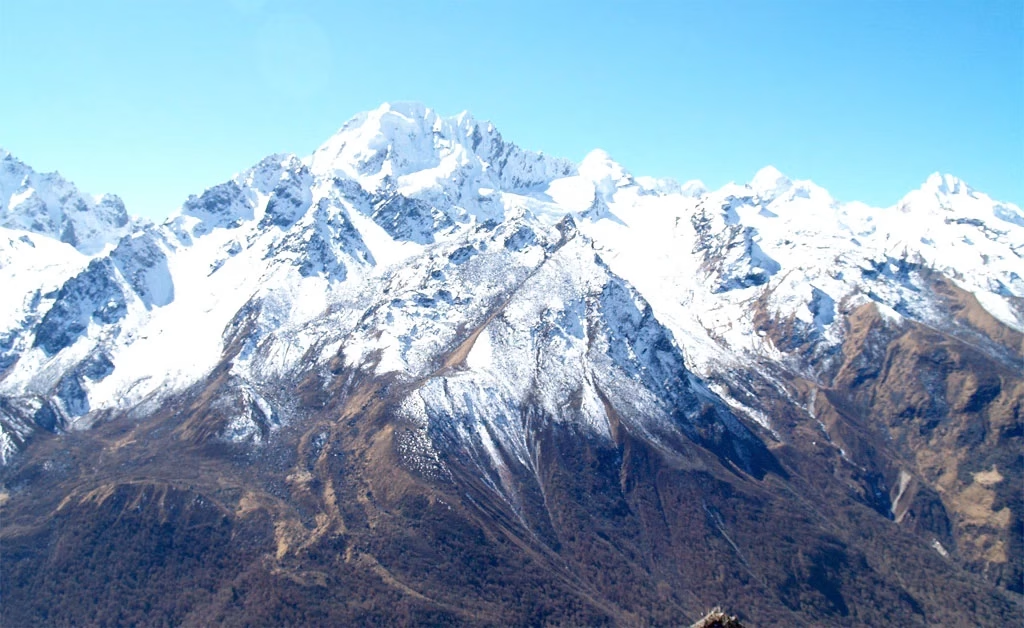
The weather and your inclination for walking in better circumstances will determine the optimal time to climb Ganja La Pass. Below is a summary of every season:
Spring (March to May)
The Ganja La Pass Trek is one of the most popular trekking routes in spring. The weather is mild, the skies are clear, and the days are warm, so trekking is more enjoyable. Rhododendrons and numerous other wildflowers bloom, adding beauty to the landscapes. Temperatures are pleasant, and snow on the trail begins to melt, making the pass easier to cross. This time of year has the ideal mix of pleasant weather and scenery to die for.
Summer (June to August)
In Nepal, summer means monsoon season: heavy rains dance down the region. Although trekking is still technically possible during this period, the conditions make it difficult, with slippery trails, muddy paths, and the threat of landslides. The mountains could be hidden by clouds, and visibility will be poor. Thus, summer is neither ideal for trekking in the Ganja La Pass Trek, and the trekking stays preceded all through that time.
Fall (September to November)
The Ganja La Pass Trek is also popular in autumn. The monsoon rain clears the air, leaving crisp, cool skies with great visibility. The snowy mountain views are stunning, and the trails are dry and firm. Autumn has perfect trekking conditions, and crossing the Ganja La Pass is best at this time, with many magnificent landscapes along the way. This is also the best season to witness local culture and festivals.
Winter (December to February)
Winters are characterized by chilly climate in the Ganja La Pass area with chances of snowfall, particularly at upper altitudes. Trekking is still possible, but it is challenging due to snow-covered trails, freezing temperatures, and the risk of avalanches. The snow-covered landscapes are beautiful, but the bitter cold and other adverse conditions make winter the least recommended time for the trek. Nevertheless, travelers looking for a quieter, more testing experience might still want to go trekking at this juncture, as long as they are prepared for the cold.