
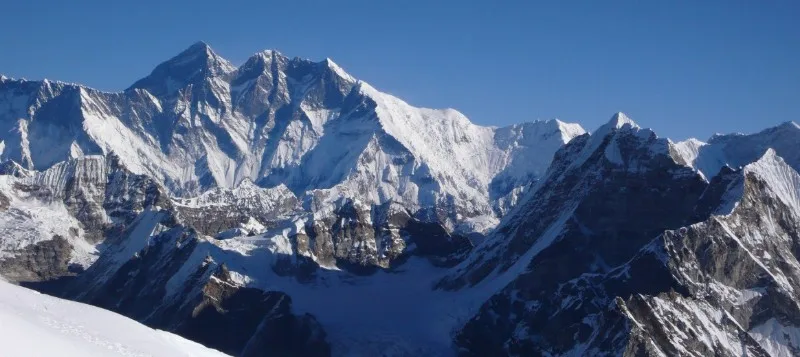
Bokta peak climbing is one of the most adventurous and challenging climbing expeditions in Nepal. Reaching an elevation of 6143m, Bokta peak is a exciting trip for the tourists, Exciting as the trip is travels part of Eastern Nepal district Taplejung on the world famous Himalayas. Nestled nearby, at an elevation of 8,586 meters, is the third-highest mountain in the world, Mount Kanchenjunga. Bokta peak, on of the newest unexplored peaks is slowly becoming popular among adventure lovers in search of off-beaten climbing destination.
As you climb your way to the summit of Bokta Peak, you receive stunning views of the Kanchenjunga giants of Himalayan neighbors, Kumbhakarna (7,710 meters), Pico Dhormo (6,850 meters), and Nupchu (6,690 meters). It is not for the faint-hearted demanding a high level of fitness, commitment and prior peak climbing experience. The ascent features several technical segments that necessitate the utilization of climbing equipment, thus presenting an ideal opportunity for expert climbers to put skills to the test. The grueling challenge, though, is exceptional both in the satisfaction of conquering a mountain and the spectacular views that await you at the summit.
This trek is ideal for adventure seekers who want to delve deep into the untouched beauty of the Kanchenjunga region with lush valleys, pristine landscapes, and the gracious hospitality of its local communities. Tibetan is a dominant culture, and the local people still practice a traditional lifestyle closely tied to the land and the mountains. But the locals were so friendly its a nice part of the adventure. Let Blaze Mountain take you on this amazing trek to Bokta Peak, where adventure, culture, and nature come together to offer an unforgettable experience in one of Nepal’s most picturesque, yet pristine areas.
Treknote: Bokta Peak Climbing
Bokta Peak 6143m is one of the most thrilling and challenging climbs in the Kanchenjunga region, located in the Taplejung district of Eastern Nepal. This is a great ascent for experienced trekkers and climbers, as the technical sections require climbing experience on peaks and the correct usage of climbing gear. This summit also provides panoramic vistas of some the highest peaks in the Himalayas, such as Kanchenjunga (8,586 meters), Kumbhakarna (7,710 meters), and Nupchu (6,690 meters). They took a scenic flight from Kathmandu to Biratnagar, then a drive to the start of the trek. Trekkers pass through traditional villages, lush valleys, and alpine meadows as they work their way along the route, soaking up the culture of the local Limbu and Rai communities.
While the path is physically challenging, the reward is a feeling of accomplishment and stunning vistas of the surrounding Himalayas. Along with the climb, the expedition includes a half-day tour of Kathmandu World Heritage Sites, a cultural introduction before venturing into the mountains. The tour lasts for 31 days but can be tailored to fit individual preferences. One of Nepal’s most stunning and untouched regions, Bokta Peak is an unforgettable adventure for trekkers looking for a remote, off-the-beaten-track experience.
Additional Information:
You can access full details regarding the Bokta Peak Climbing from our website. If you need any extra information or extra service, feel free to contact us. To meet our agent, please follow the link, and/or if you want to talk to us directly, you can call our office at: 01-4522505.
Specialty of Bokta Peak Climbing:
Bokta Peak Climbing Trekking & climbing is one of the best trekking and climbing in Kanchenjunga Region of Eastern Nepal. Bokta Peak is a lesser-known, lesser-explored gem of the Himalayas, standing at a height of 6,143 meters and provides a challenging yet rewarding experience of trekking. This expedition is ideal for climbers who want an adventure that combines breathtaking views and cultural immersion with some technical climbing without the hordes that come with more famous peaks such as Everest or Annapurna. Bokta Peak presents a unique opportunity to experience the soothing & tranquil landscapes of the Eastern Himalayas while also testing your mountaineering abilities.
- A Difficult But Attainable Climb
This line of Bokta Peak Climbing is ideal for both challenging and accessible. Reaching the summit at 6,143 meters, the peak offers a technical ascent, though it is accessible to climbers with some fundamental mountaineering experience. Bokta Peak is relatively lower than some of technical climbs in high Himalayas, which makes it physically achievable, mentally demanding (due to high attitude) with just basic knowledge of climbing gear. The climb is a legit mountaineering experience, but isn’t quite so intimidating for people who don’t possess advanced climbing skills. - Majestic Himalayas View
Bokta Peak Climbing offers stunning 360 degree views. The summit offers stunning panoramic views of some of the world’s highest peaks including Kanchenjunga, Kumbhakarna and Nupchu. The trail to the top is equally breathtaking as you navigate through alpine meadows, lush forests and glacial valleys. The view of the snowy mountains and rough terrain is as beautiful as ever, so every bit of the extra effort pays off! - Cultural Digressions Route
The ascent of Bokta Peak is a great test of your mountaineering ability with the added incentive of experiencing the local culture. As you hike through the Taplejung district, you’ll pass Tibetan-influenced villages, where the locals adhere to traditional practices. The locals, especially the Limbu and Rai clans of the region, are known for their hospitable nature. And along the route, you’ll learn more about the distinctive customs, festivals and rituals of the local neighborhoods, immersing you in the region’s cultural heritage. - Adventure Away From the Crowds
If you’ve ever been trekking around big names such as Everest or Annapurna, you will know what I am talking about. Bokta Peak is just a little jewel among many other trekking destination that features very few visitors. Less crowded trails allow for a more intimate connection with nature. But this isolation means that the trek is all the more special, as you can fully savour the tranquility of the Himalayan landscapes without the distractions of large groups of people. The quietness of the area adds to the experience as you centre on both the scenery and the difficulty of the ascent. - Expert-Led Expedition with Fully-Catered Support
Bokta Peak is a demanding climb, but it is enthusiastically backed by knowledgeable Sherpas and guides that help you with one of the safe and gratifying experiences. With enough time for acclimatization, the expedition lowers the risk of altitude sickness incidents. Your team of guides and Sherpas is highly trained and supportive, whether you’re traversing the technical sections of the climb or learning to use climbing gear. Such expert support allows climbers to concentrate on enjoying the adventure, safe in the knowledge of their safety and success.
Is Bokta Peak Climbing Right for Trekkers and Climbers?
Trekkers and climbers seeking a strenuous yet approachable mountaineering adventure in Nepal might choose Bokta Peak Climbing. The climb is doable for anyone with some prior hiking or climbing experience, even though it does call for a modest level of fitness and mountaineering abilities.
- For Experienced Trekkers:
If you’re an experienced trekker who has taken in high-altitude treks, Bokta Peak Climbing provides an excellent next step in your adventure. You don’t need to be an expert mountaineer, but having the fitness to hike at high altitudes over rough terrain will definitely help. For those who have hiked in the Himalayas, we will be rewarded with thrill and challenge in reach to the summit. - For Beginner Climbers:
Bokta Peak is a great destination for novice climbers with a good grasp of the fundamentals of mountaineering. If you’ve previously done some peak trekking and have worked with basic climbing equipment, this expedition will help develop your technical skills in a lower-risk environment, with the bonus of summiting a Himalayan peak. Lastly, you’ll receive help from professional guides as well as Sherpas to guide you through the most technical portion of the climb. - For Experienced Climbers:
For experienced mountaineers seeking a quieter alternative to some of Nepal’s more crowded peaks, Bokta presents an invigorating challenge. The ascent is technical enough to challenge your skills — vertical sections and ice or snow conditions to contend with. Intermediate peaks because for this estimate not as extreme as those higher peaks but excellent opportunity to test your limits without the extreme risk levels. - Not Suitable for Beginners:
Only if you are trained and experienced vultures guides and you want to reach at the peak of Bokta because this climbing is a serious trekking not for fresh trekkers. Being in shape for climbing, endurance and climbing skills. If you want a simple, non-technical hike, this trek probably isn’t for you.
Best Season for Bokta Peak Climbing:
The optimum seasons for climbing in Nepal are spring (March to May) and fall (September to November), which is when Bokta Peak Climbing is most feasible.
- Spring (March to May):
Spring is the most popular seasons to climb Bokta Peak. Weather is stable with clear skies and moderate temperatures, the best time for trekking and peak climbing. Snow on the surrounding mountains starts to melt, trails stay less muddy, and this can help ensure a smooth ascent. During spring, the views surrounding the Himalayas and the look of the majestic Kanchenjunga can be the best treat. The plant life in the region also begins to bloom, adding colorful foliage to the atmosphere. - Fall (September to November):
Fall is also a good time to climb Bokta Peak. The weather is crisp and dry, with clear skies and good visibility, welcoming great views of the Himalaya peaks. The trails are dry, the journey is pleasurable, and a chance of landslides or heavy snow is negligible. The other shortfall is of monsoons in Autumn that results in more static weather conditions and climbing environment. For climbers looking for a safe and scenic thrill inspires this season, known for its breathtaking mountain views. - Winter (December to February):
Bokta Peak climbing is actually not recommended in winter because of terrible weather, extreme cold, heavy snowfall, and poor visibility. The trails are potentially icy and the climb is more difficult. For one, snow can close the mountain passes and the ascent becomes significantly more difficult and dangerous. But experienced climbers looking for a winter adventure with fewer trekkers may still find their way to this season, which has its quiet battles against the elements. - Monsoon (June to August):
Bokta Peak is least preferred to climb during monsoon season. The monsoon presents heavy torrential rainfall that can lead to slippery dangerous trails. There is poor visibility, and the area can be susceptible to landslides. The weather may not be on your side, and in a humid environment, altitude sickness is something you should be mindful of. Monsoon is not advisable, for safety reasons.
Climate and Weather during Bokta Peak Climbing:
The height and season have a major impact on the climate of Bokta Peak. Temperatures decrease and weather patterns get more erratic as you go higher in the sky. The hike and ascent often traverse a variety of temperature zones, including subtropical, alpine, and even glacial at the peak.
- Low Altitude (1,500m — 3,000m):
The climate is mild at lower altitudes, with warm days and cool nights. Daytime temperatures range from 15°C to 20°C during spring and autumn, and nights drop to around 5°C. The climate is usually clear with pleasant conditions for trekking. - Mid-Altitudes (3,000m – 5,000m):
The temperatures are cooler at these elevations, particularly at night. Daytime temperatures range from 5°C to 12°C, while nighttime temperatures are around -2°C to 5°C. The weather here is variable, and light rain or, in other seasons, light snow is possible. - Altitudes High (5,000m — 6,143m):
As you get further up Bokta Peak the temperatures can get quite cold especially in winter and early spring. The temperature during the day can vary between -5°C to 5°C and can even be lower, between -10°C to -15°C, during the night. Weather can be tough and change in a blink, and summit winds can reach tremendous speeds, bringing snow and low temperature figures. Climbers should be ready for potent conditions, including snowstorms or high-altitude wind chill factors. - Weather Conditions:
During autumn and spring, the weather of the Kanchenjunga region where Bokta Peak is located is dry and clear. However, the climb becomes harder in winter due to snowfall and extremely low temperatures. The summer monsoon (June to August) can also produce heavy rains, which is equally poor for climbing, thanks to hard packed, slippery trails and low visibility.
| Season | Temperature (Day) | Temperature (Night) | Weather | Climbing Conditions |
|---|---|---|---|---|
| Spring (March – May) | 10°C – 20°C | 0°C – 10°C | Clear, dry, moderate winds | Ideal for climbing; clear skies, perfect trekking weather |
| Summer (June – August) | 10°C – 15°C | 5°C – 10°C | Rainy, humid, occasional storms | Not recommended for climbing; wet trails, high risk of landslides and poor visibility |
| Autumn (September – November) | 5°C – 20°C | -5°C – 10°C | Clear, dry, cool air | Best time for climbing; stable weather, great visibility, and moderate temperatures |
| Winter (December – February) | -5°C – 0°C | -10°C – -15°C | Cold, snowy, windy | Challenging conditions; cold, strong winds, and snowstorms, suitable for experienced climbers only |
Explanation:
- Spring (March – May): Spring is one of the best seasons to climb Bokta Peak, where the weather is clear, hot, and dry throughout the day, with cold nights. Visibility is good, and the risk of snowstorms or harsh conditions is slight.
- Summer (June – August): The monsoon season hits these trails and creates a lot of heavy rainfall. You wouldn’t climb during this period, as there are high risks of accidents resulting from wet walks and poor visibility.
- Autumn (Sept — Nov): Autumn is the ideal season for climbing Bokta Peak. The weather is usually clear and dry and the temperatures are cooler, which is the best condition for trekking and peak climbing. Visibility is also good, and there is a low risk of snowstorms.
- Winter (December — February): The winter season sets in with severe cold, and weather falling well below zero, especially at higher altitudes. That means snow and strong winds, which are challenging if not dangerous for climbers, so this season should really only be undertaken by those with advanced climbing skills.
Local Culture and Tradition Around Bokta Peak:
The Bogda Peak region is predominantly inhabited by Sherpa and Tibetan villages, cultures whose way of life is heavily influenced by Buddhism. They lead simple but rich lives, shaped by their forbidding geology and aged customs. All the remote villages are dotted with splendid monasteries, chortens and gompas that will pass in front of pilgrims as they walk through. Life revolves around local Buddhist beliefs, and religious events like Lhosar (Tibetan New Year) are celebrated with prayers, dances and banquets. The festivals offer trekkers a taste of the people’s rich spiritual heritage.
Traditional crafts in the region also express the cultures of Sherpa and Tibetan. You can see locals weaving woolen clothing, making yak cheese and other handmade items you can purchase in the small markets that appear down the trail. These goods not only sustain local livelihoods; they are also expressions of the craftsmanship and creativity of generations. High-altitude staple crops include potatoes and barley, and yak are herded.
Another highlight of the region is the friendly locals and their hospitality, you will find friendly locals, tea houses, and local meals like yak based momos and dal bhat all around the region. It gives trekkers a chance to relax, experience local hospitality and learn about their implementation in daily life. For them, land is mother and baby; the mountains where they live, Bokta Peak included, are sacred. Yet, this spiritual bond is what makes this hike more than just a physical clash, but a culturally enriching tour allowing the trekkers to see and learn about the guides’ beliefs and practices in this remote section of Nepal.
Food & Accommodation Facilities During Bokta Peak Climbing:
Trekkers and climbers will experience a range of lodging and dining alternatives during the Bokta Peak Climbing trip that offer convenience and comfort while preserving the area’s isolated and traditional character. Although the facilities are simple, they meet the demands of hikers and provide the required rest and food after exhausting days of hiking, guaranteeing a true mountain experience. An outline of what to anticipate is provided below:
Food Options:
A combination of regional and Western cuisines are served along the Bokta Peak Climbing path, providing climbers with enough energy to get them through the strenuous ascent.
- Traditional Meals: Savor regional Sherpa and Nepali delicacies including Sherpa stew, Tibetan bread with curry, and Dal Bhat, which is lentil soup served over rice. These filling meals provide climbers the energy and nutrition they need to stay afloat at greater elevations.
- Western Dishes: Tea establishments along the path provide simple Western-style dishes including spaghetti, sandwiches, and pancakes for those looking for comforting flavors. After days of consuming traditional meals, hikers may find these alternatives to be a welcome change.
- goodies & Drinks: Chocolate, cookies, and dried fruits are among the goodies available throughout the hike and are excellent for providing rapid energy boosts. In order to keep hikers warm and active, particularly at higher elevations where temperatures decrease, hot drinks including tea, coffee, and hot chocolate are also available.
Accommodations:
The lodgings along the Bokta Peak Climbing path are simple yet practical, providing a cozy spot to unwind after a strenuous day of hiking.
- Tea houses and guest houses: Most of the accommodation on the trek consists of tea houses and guest houses where you will get basic but clean rooms with shared facilities. Rooms usually include beds and blankets, though expect basic amenities, specifically in remote areas. Tea houses are often cozy and inviting, offering climbers a place to unwind and spend the night.
- Lodges (Higher Altitude) As the height increases, the lodges also get simpler, with lesser facilities. Bathrooms are usually shared and rooms at higher elevations may be cold. There are no luxuries but the local people are warm and welcoming.
- Camping (High Altitudes): Camp is sometimes necessary if you are trekking at high altitudes especially for acclimatization. Trekkers will have to pitch tents along the way, but it enhances the journey as well as the experience of being closer to nature.
All things considered, the food and lodging along the Bokta Peak Climbing route guarantee that climbers are fed, rested, and prepared for the difficulties that lie ahead.
Climbing Gear for Bokta Peak Climbing:
Climbing Bokta Peak requires specialized gear to ensure a safe and successful ascent. Below is a categorized list of the main gear required for this expedition:
Footwear:
- Climbing Boots: Sturdy, waterproof, and insulated boots that offer excellent ankle support and traction for rocky and icy terrains.
Ice and Snow Equipment:
- Crampons: Attach to boots to provide grip on ice and snow.
- Ice Axe: Essential for stability and self-arresting on steep snow or ice sections.
Safety and Protection:
- Helmet: Protects from falling rocks and ice during the climb.
- Climbing Harness: Used for securing ropes during the technical climb.
- Ropes and Belay Devices: For securing climbers and managing ascents, especially during technical sections.
Tools for Climbing:
- Carabiners: Used to attach ropes and gear securely.
- Slings: Adjustable straps used for securing climbers to fixed anchors.
Gloves:
- Insulated Gloves: To keep hands warm at high altitudes.
- Climbing Gloves: Provide dexterity for handling ropes and equipment.
Clothing:
- Base Layers: Moisture-wicking clothing to keep sweat away and help regulate body temperature.
- Insulating Layers: Fleece or down jackets to keep warm at high altitudes.
- Outer Layers: Waterproof and windproof jackets and pants to protect against snow, wind, and rain.
- Thermal Underwear: For added warmth during cold conditions.
- Hat and Balaclava: To protect against cold and wind, especially at higher elevations.
- Socks: Wool or synthetic socks for warmth and comfort.
Why Choose Blaze Mountain for Bokta Peak Climbing?
With Blaze Mountain you can expect a unique expedition to Bokta Peak guided by experts, who know the area very well where they can provide tailor-made itineraries for your adventure. Our tenure guides and Sherpas also guarantee your security while providing the technical help you will still have to reach the summit. Your health is our highest priority, so we use well-maintained equipment, follow a strict acclimatization schedule, and hire an itinerary that matches your pace and level of experience. From preparation to the summit, our team is committed to pushing you to your limits while ensuring that you’re building the skills necessary for each stage of your climb. Safety is paramount — we track weather conditions and proactively manage risks on the trail.
Or, beyond climbing, you get a cultural immersion into the local Sherpa and Tibetan communities through Blaze Mountain. You’ll also travel to remote villages to learn about their rich traditions and meet the region’s people. With our complete range of services your focus will be only the climb as we take on everything from logistics (permits, accommodation, meals, etc… ). Blaze Mountain also focuses on responsible tourism practices, such as low-impact travel and giving back to local communities. Join us to conquer Kanchenjunga peaks, whilst ensuring Kanchenjunga region and its people are preserved.