
Kanchenjunga South Trek - 13 Days
General Info
Trip Overview
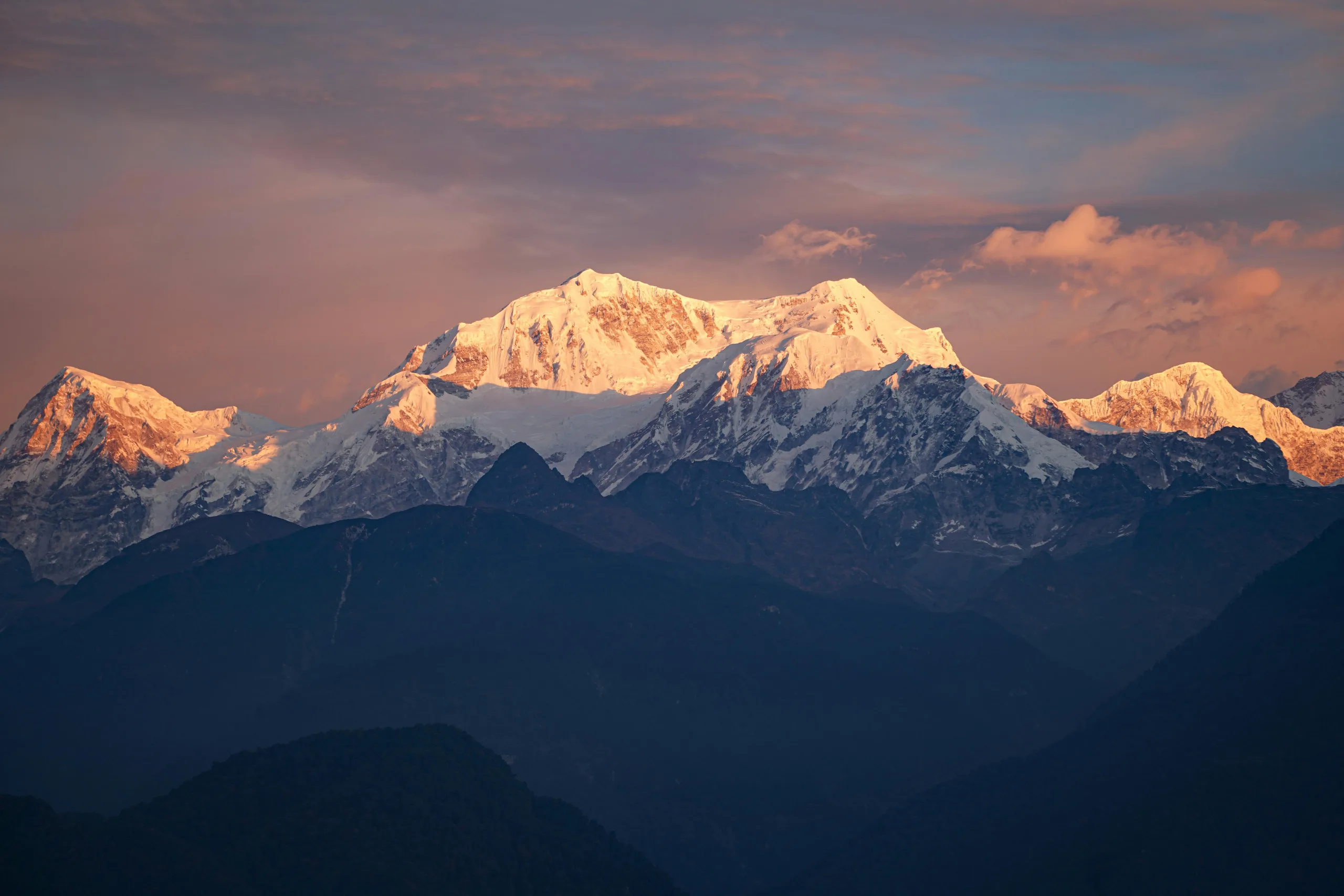
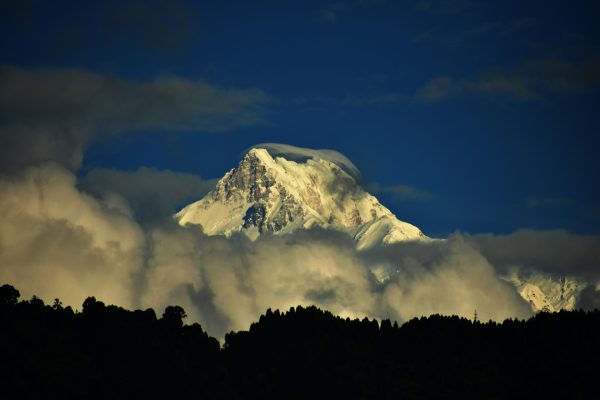
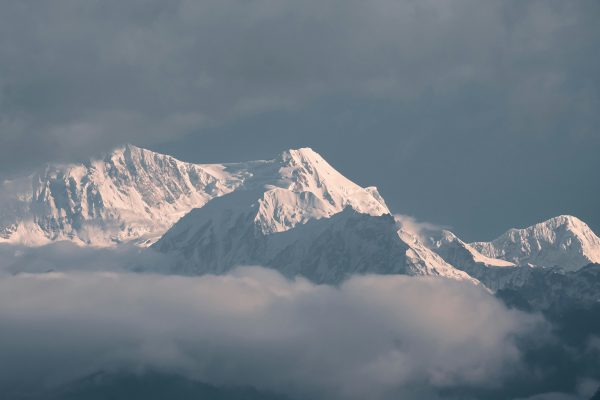
The Kanchenjunga South Trek takes you into the remote Himalayas and offers a close glimpse of Nepal's pristine countryside. The trek passes through dense forests, rice fields, and small settlements. It offers stunning views of towering peaks, including Mount Kanchenjunga, the world's third-highest mountain. It perfectly blends culture and adventure. The trail leads through remote villages where the warmth of the locals and their age-old traditions provide rich cultural exposure.
The hike is apt for everyone who craves a back-of-the-map experience with nature surrounding and serene landscapes. The Kanchenjunga South Base Camp Trek takes you through pristine glaciers, alpine meadows, and breathtaking Himalayan views. These sights are sure to leave you in awe. The trek also leads to the Kanchenjunga Conservation Area. This area is home to protected species like the red panda and snow leopard. It offers a true paradise for nature enthusiasts.
At Blaze Mountain, we aim to provide an experience that you will never forget. From our seasoned guides and reliable porters to our meticulously planned itinerary, your comfort and safety are always of top concern. From getting the necessary permissions to booking the best accommodation to providing information on the history and culture of the region, Blaze Mountain goes that extra mile to ensure your experience is as bountiful as possible. Join us to view Kanchenjunga South in all its wild splendor and create memories that will last forever.
You need to obtain two permits before starting the Kanchenjunga South Trek: the Kanchenjunga Conservation Area Permit (which grants access to the conservation area) and the Restricted Area Permit (required to trek in the Kanchenjunga region). The first will allow you entry into the conservation zone, while the latter gives the permissions to trek in the restricted places. The best seasons for the trek are spring (March to May) or autumn (September to November), for mild weather, flowering blooms, and crimson foliage in the forests.
ReYou need reasonable fitness for the trek, and some trekking knowledge is beneficial, as certain sections are quite steep. The itinerary includes well-organized acclimatization days to make the journey easier and reduce the risk of altitude sickness. Very few trekkers travel on this route, and most approaches the thinly populated regions that have only basic tea-houses. However, trekkers should expect very simple services, and they should carry everything they may need with them. The scenery will be breathtaking: isolated lands and beautiful moments in the Himalayas.
Short Itinerary
- Day 1: Arrival in Kathmandu – Welcome to Nepal, the gateway to the Himalayas! As soon as you…
- Day 2: Fly to Bhadrapur and Drive to Taplejung – Your adventure truly begins with a scenic morning flight to Bhadrapur, where…
- Day 3: Trek from Taplejung to Tortong – After a hearty breakfast, it's finally time to hit the trail. The…
- Day 4: Trek from Tortong to Cheram – Today's trail climbs steadily through enchanting rhododendron and pine forests before opening…
- Day 5: Trek from Cheram to Ramche – Today is one of the most rewarding days of the trek as…
- Day 6: Hike to Oktang (Kanchenjunga South Base Camp) and Return to Ramche – This is the highlight of your Kanchenjunga South Trek. After an early…
- Day 7: Trek from Ramche to Tortong – After witnessing the incredible beauty of Kanchenjunga South Base Camp, it's time…
- Day 8: Trek from Tortong to Yamphudin – Today's journey takes you through dense rhododendron forests, bamboo groves, and beautiful…
- Day 9: Trek from Yamphudin to Khebang – After breakfast, the trail gradually descends through beautiful terraced farmlands, cardamom plantations,…
- Day 10: Trek from Khebang to Taplejung – Today marks the final day of trekking as you follow gentle trails…
- Day 11: Drive from Taplejung to Bhadrapur – Leaving the mountains behind, you'll board a private jeep for a scenic…
- Day 12: Fly from Bhadrapur to Kathmandu – A short morning flight brings you back to Kathmandu, where the bustling…
- Day 13: Final Departure – Your incredible Kanchenjunga South Trek comes to an end today. Depending on…
About Trip:
The Kanchenjunga South Trek takes you into the remote Himalayas and offers a close glimpse of Nepal's pristine countryside. The trek passes through dense forests, rice fields, and small settlements. It offers stunning views of towering peaks, including Mount Kanchenjunga, the world's third-highest mountain. It perfectly blends culture and adventure. The trail leads through remote villages where the warmth of the locals and their age-old traditions provide rich cultural exposure.
The hike is apt for everyone who craves a back-of-the-map experience with nature surrounding and serene landscapes. The Kanchenjunga South Base Camp Trek takes you through pristine glaciers, alpine meadows, and breathtaking Himalayan views. These sights are sure to leave you in awe. The trek also leads to the Kanchenjunga Conservation Area. This area is home to protected species like the red panda and snow leopard. It offers a true paradise for nature enthusiasts.
At Blaze Mountain, we aim to provide an experience that you will never forget. From our seasoned guides and reliable porters to our meticulously planned itinerary, your comfort and safety are always of top concern. From getting the necessary permissions to booking the best accommodation to providing information on the history and culture of the region, Blaze Mountain goes that extra mile to ensure your experience is as bountiful as possible. Join us to view Kanchenjunga South in all its wild splendor and create memories that will last forever.
You need to obtain two permits before starting the Kanchenjunga South Trek: the Kanchenjunga Conservation Area Permit (which grants access to the conservation area) and the Restricted Area Permit (required to trek in the Kanchenjunga region). The first will allow you entry into the conservation zone, while the latter gives the permissions to trek in the restricted places. The best seasons for the trek are spring (March to May) or autumn (September to November), for mild weather, flowering blooms, and crimson foliage in the forests.
ReYou need reasonable fitness for the trek, and some trekking knowledge is beneficial, as certain sections are quite steep. The itinerary includes well-organized acclimatization days to make the journey easier and reduce the risk of altitude sickness. Very few trekkers travel on this route, and most approaches the thinly populated regions that have only basic tea-houses. However, trekkers should expect very simple services, and they should carry everything they may need with them. The scenery will be breathtaking: isolated lands and beautiful moments in the Himalayas.
Trip Highlights:
Best Season for this Trip:
Although spring (March to May) and autumn (September to November) are the best seasons for the Kanchenjunga South Trek, it's crucial to know how the other two seasons winter and summer (monsoon) affect the trekking environment.
Spring (March - May): One such time is when the trekking lasts, with strikingly clear skies and moderate temperatures. The trekking trails will be embellished with brilliant blooms of rhododendrons, while the views of the Himalayas will further enhance the beauty. Photographers and nature lovers can traverse during this time, as everything is in full bloom and trekking weather is just fabulous.
Autumn (September to November): An Autumn season is characterized by stable weather full of crisp, clear skies where mountains can clearly be seen. The temperatures are considered cool but still very comfortable for a trekking experience. Trails are not crowded, unlike spring. No rainfall means dry and easy-to-navigate trails-this visit offers yet another prime season for this trek.
Summer (Monsoon Season July to August): Summer, particularly in the monsoon season, is discouraged for the Kanchenjunga South Trek. Heavy rains due to the monsoon will turn the trails slippery, muddy, and even treacherous. The chances of landslides increase as the clouds keep the trails in dense fog all day long. Even with the routes not being necessarily blocked, there is a great chance of cross-cuts through waterlogged portions and other like areas with flooding. The monsoon is perfect for trekkers wanting to see areas green and wild away from the crowds.
Winter (December to February): Winter trekking in the Kanchenjunga South region presents challenges in the form of cold weather, with extreme temperatures throughout the tract, particularly at higher altitudes. The snowfall makes the trails somewhat difficult to get around on and may even require specialized gear. The sights, however, are quite clear in this season, but with extreme harshness towards the conditions where trekkers have to be prepared for chilly conditions and snowstorms. Only experienced trekkers with experience in the extreme winter conditions should even contemplate the trek during this time.
Food and Accommodations on Trip:
The Kanchenjunga South Trek will serve you simple but tasty meals and comfortable lodging throughout the duration. As the trek goes through remote Himalayan villages, most meals, and overnight stays will be provided by the locals in tea houses and mountain lodges.
While the facilities are basic compared to city hotels, they are clean, welcoming, and have everything you need for a comfortable trekking experience.Food is freshly cooked with local fruits and vegetables, focusing on giving trekkers enough energy to hike all day. Dal Bhat (rice, lentil soup, vegetables, and curry), fried rice noodles pasta, momos soups potatoes, eggs chapati pancakes, porridge, and seasonal vegetables are some of the main dishes served. Tea coffee hot lemon, and ginger honey tea are the most common hot drinks. As you ascend higher, the variety of food is reduced, but the meals are still healthy and satisfying.The accommodation facilities mainly comprise basic tea houses and family lodges with twin-sharing rooms, comfortable beds, blankets, and shared bathrooms.
Some lodges at lower elevations even have attached bathrooms, hot showers, Wi-Fi, and charging facilities, but at an extra cost. Further up the trail, the amenities become minimal due to the remote location, but the friendly hospitality of the local hosts and the serene mountain environment will make every overnight stay a memorable part of the Kanchenjunga South Trek.
Includes / Excludes
Includes:
- ✓ Airport pick-up and drop-off by private vehicle.
- ✓ Round-trip domestic flights between Kathmandu and Bhadrapur (or Suketar, depending on flight availability).
- ✓ Private jeep transportation to and from the trek starting and ending points.
- ✓ All necessary trekking permits, including the Kanchenjunga Conservation Area Permit (KCAP) and Restricted Area Permit (RAP).
- ✓ Experienced, government-licensed English-speaking trekking guide throughout the journey.
- ✓ Strong and reliable porter service (1 porter for every 2 trekkers) to carry your luggage.
- ✓ Accommodation in comfortable teahouses and mountain lodges during the trek.
- ✓ Hotel accommodation in Kathmandu before and after the trek (as per itinerary).
- ✓ Three daily meals (breakfast, lunch, and dinner) during the trekking period.
- ✓ Seasonal fresh fruits after dinner during the trek.
- ✓ Unlimited tea or coffee with breakfast throughout the trek.
- ✓ Guide and porter salary, food, accommodation, insurance, and transportation.
- ✓ Comprehensive first aid kit carried by the trekking guide.
- ✓ Sleeping bag and down jacket (available on request and to be returned after the trek).
- ✓ Official Blaze Mountain trekking completion certificate.
- ✓ All government taxes and company service charges.
Excludes:
- ✗ International airfare to and from Nepal.
- ✗ Nepal entry visa fees and visa processing charges.
- ✗ Travel insurance covering high-altitude trekking, medical expenses, and emergency helicopter evacuation.
- ✗ Lunch and dinner in Kathmandu except for the farewell dinner (if included).
- ✗ Personal trekking equipment and clothing not mentioned in the package.
- ✗ Personal expenses such as laundry, Wi-Fi, telephone calls, hot showers, battery charging, and bottled drinks.
- ✗ Alcoholic beverages, soft drinks, snacks, desserts, and extra food items.
- ✗ Tips and gratuities for guides, porters, and drivers (highly appreciated but optional).
- ✗ Expenses caused by flight delays, cancellations, natural disasters, political unrest, or unforeseen circumstances beyond our control.
- ✗ Any additional accommodation or meals due to early return, delayed flights, or itinerary changes.
- ✗ Any services not specifically mentioned under the Cost Includes section.
Detailed Itinerary of Kanchenjunga South Trek:
Day 1: Arrival in Kathmandu
Day 2: Fly to Bhadrapur and Drive to Taplejung
Day 3: Trek from Taplejung to Tortong
Day 4: Trek from Tortong to Cheram
Day 5: Trek from Cheram to Ramche
Day 6: Hike to Oktang (Kanchenjunga South Base Camp) and Return to Ramche
Day 7: Trek from Ramche to Tortong
Day 8: Trek from Tortong to Yamphudin
Day 9: Trek from Yamphudin to Khebang
Day 10: Trek from Khebang to Taplejung
Day 11: Drive from Taplejung to Bhadrapur
Day 12: Fly from Bhadrapur to Kathmandu
Day 13: Final Departure
Frequently Asked Questions
Find answers to the most common questions about our tours, trekking, and travel services.
Map:
Tour Images