
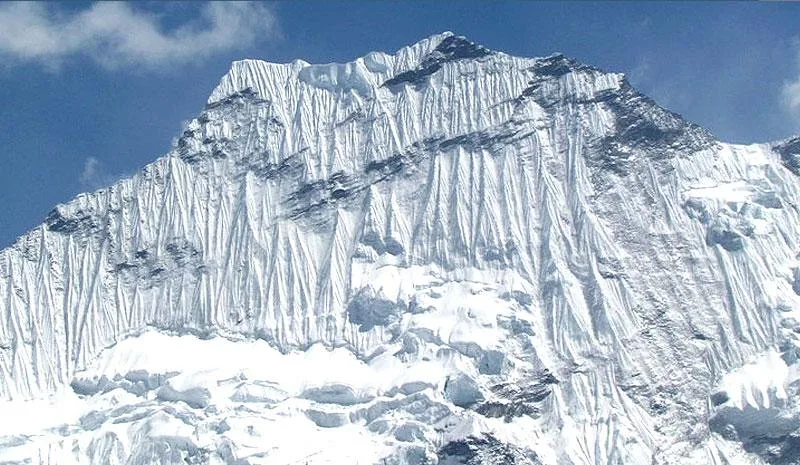
Ombigaichen Peak Climbing - 17 Days

Ombigaichen Peak Climbing offers the adventure of a lifetime, located in Solu Khumbu, Nepal. At 6,291 meters (20,630 feet) tall, Ombigaichen is a perfect blend of technical challenge and natural beauty. The trek starts in Kathmandu then includes a seamless flight to Phaplu for a trek through remote Sherpa villages, dense forests and stunning landscapes on route as the group acclimatizes to the altitude. That path offers extraordinary views of Everest, Makalu, among other soaring peaks, and becomes a physical and visual journey climbers will never forget.

It is the perfect route, allowing you time to acclimatize before your climb and with the guidance of our expert team. The last stretch of the ascent is technically challenging, demanding both endurance and grit, but at the summit awaits the spectacular panorama that includes Everest, Makalu, Kanchenjunga, and countless other iconic mountains. The rewards are well worth it, though; standing atop one of the world’s most beautiful peaks grants a sense of accomplishment, and the sweeping views make it a memory for life and appreciation for the other Himalayan giants.

The Ombigaichen Peak Climbing package is designed for anyone seeking an adventure to climb high altitudes in a less-frequented region of Nepal. We take care of all necessary permits and climbing equipment’s as well as having our expert guides for your safety & success during the journey. So Whether you are an experienced mountaineer or an expert trekker searching for your next big challenge, this expedition gives you a completely unique opportunity to experience the Himalayas up and close. Book this Peak Climbing with us!!! Join Blaze Mountain and experience this spectacular trek, and make memories that will last a lifetime!

Treknote: Ombigaichen Peak Climbing:

Detail Information of Machermo Peak Climbing:Machermo Peak Climbing [6600m] is an exciting adventurous perspective in the Everest region and this requires good physical fitness and high-end climbing experience. The trek is intended for experienced climbers familiar with high-altitude trekking and mountaineering. It offers spectacular views of surrounding peaks, including Mount Everest, Lhotse, and Ama Dablam. Climbers should be prepared to face changing conditions and varied terrain, including snow, ice, and rocky paths.

Acclimatization is critical for a safe and successful summit, meaning trekkers must strictly follow the itinerary to allow their bodies sufficient time to adjust to altitude. This trail takes you through picturesque Sherpa villages making it not just a challenging but also a culturally rich experience.Accommodation in local teahouses and lodges is basic yet comfortable, while the food is hearty, with plenty of Nepali and Tibetan-inspired options. It does require adequate gear, plus preparation and physical training. There is always caution, and you can also hire a great guide and porter to help high up.

Additional Information:

You can access full details regarding the Ombigaichen Peak Climbing from our website. If you need any extra information or extra service, feel free to contact us. To meet our agent, please follow the link, and/or if you want to talk to us directly, you can call our office at: 01-4522505.


Specialty of Ombigaichen Peak Climbing:

For seasoned hikers and mountaineers searching for a less-visited peak in Nepal’s Solu Khumbu area, Ombigaichen Peak Climbing provides an exciting and distinctive experience. Ombigaichen, which stands at 6,291 meters, is the perfect challenge for anybody looking for a strenuous climb that also offers breathtaking views of the Himalayas. For those who wish to experience the untamed appeal of Nepal’s lesser-known peaks, the climb is the ideal adventure since it combines technical climbing, cultural interactions, and breathtaking scenery.

  1. Technical Climbing Challenge
    Ombigaichen Peak is a difficult climb that calls for cool mountaineering technical specs and physical performance. Mountaineers will cross rocky ridges, ice walls and sharp snow-covered slopes. It is meant for climbers who have experience at high altitudes and are both mentally and physically strong to battle this difficult landscape to the top.
  2. Breathtaking Views
    Climbers are rewarded with sweeping views of some of the tallest peaks in the Himalayas, including Everest, Makalu and other giant mountains from the summit. The summit reward is nothing less than spectacular, providing an incredible perspective of the Everest area’s rough magnificence that makes the ascent absolutely worth the exertion.
  3. Scenic Trekking In Solu Khumbu
    The trail to Ombigaichen Peak takes trekkers through breathtaking landscapes, including dense woods, still villages, and painted valleys. Trekkers will traverse the hospitable Solu Khumbu region, where they will walk through Sherpa settlements and see traditional agricultural customs. This trek is a lifetime memory because of scenic beauty and peaceful surrounding.
  4. Cultural Immersion
    There is an opportunity to interact with friendly Sherpa people and to visit unique culture, ancient monastery. Such exchanges offer profound insights into the life, spirituality, and traditions of the Sherpa people. It is an exploration of the Earth itself, as well as its cultural richness along the way, with the adventure as a physical as well as cultural encounter.
  5. Shower You With Benefits Quicker and More Exclusive
    Unlike some of the more trafficked trekking and climbing routes along with the Everest Region, Ombigaichen Peak has seen less traffic, allowing for a more peaceful, exclusive experience. With fewer visitors, the experience offers a tranquil and private communion with the outdoors, far removed from the hordes found on other major summits. Ideal for travelers looking for peace and a more real experience in the Himalayas.
  6. A Challenging Climb That’s Physically and Mentally Rewarding
    The ascension of Ombigaichen Peak is a real challenge of strength and will. The last push to the summit takes a toll on both the mind and body, but the feeling of success from standing on this less traveled peak is unparalleled. The daunting climb and awe-inspiring scenery make this an extremely rewarding climb for anyone who attempts it.
  7. Spiritual Atmosphere
    Like most Himalayan treks, the journey to Ombigaichen Peak is colored by a spiritual aura. Along the trails, trekkers will pass sacred sites, prayer flags and ancient monasteries that offer a serene and contemplative atmosphere. With such a spiritual land and peaceful nature to walk through, it enriches the climb, and the whole trek becomes exciting in a different way.

Is Ombigaichen Peak Climbing Right for Trekkers and Climbers?

Trekkers and climbers may experience a unique adventure in Nepal’s breathtaking Solu Khumbu area with Ombigaichen Peak Climbing, an exhilarating and demanding trip. For those who possess the requisite abilities and perseverance, Ombigaichen offers a pleasant and satisfying experience, despite being a lesser-known peak in comparison to Everest and other well-known summits. A combination of mental toughness, technical climbing skills, and physical endurance are needed for this ascent. But is it your kind of adventure? The following are the main things to think about while choosing Ombigaichen Peak Climbing for your upcoming climb or excursion.

  1. Experienced Trekkers
    Ombigaichen peak climbing is most appropriate for trekkers with previous knowledge of high altitude trekking and a good physical condition. Stamina and resolve are essential to survive the arduous trek to the base camp and the ascent to the peak, not to mention the astringencies of a raw, rugged environment. With rocky trails and steep inclines, trekkers will enjoy all the challenges that this physically-rewarding trek in the Himalayas has to offer. The climb is technical, but the route to base camp is stunning in its own right as trekkers traverse through charming valleys and Sherpa settlements, getting to experience the natural beauty before the climb begins.
  2. Technical Climbers
    Ombigaichen Peak is a great challenge for climbers who have previous high-altitude and technical climbing experience. The ascent requires technical mountaineering gear—ice axes, crampons, ropes—and is best for those with good climbing skills. The مسیر شناسایی rocky ridges, snow-washed slopes, and ice walls, and required both physical strength and mental focus. Climbers need experience working at high elevations and good comfort with the conditions they will face. If you’re an experienced climber looking for a less-traveled peak with stunning views, Ombigaichen is a great climb to challenge yourself.
  3. Physical and Mental Endurance
    Peak Climbing in Ombigaichen is a challenge, both physically and mentally. This is a demanding expedition because of the altitude and technical nature of the climb. Trekkers and climbers must be in top physical health and ready to take on the psychological challenges of the high-altitude environment. The last push will need physical strength even to handle challenging terrains and mental toughness to keep focused and committed. For adrenaline seekers, this climb is so rewarding as it leaves you with that great feeling that comes from pushing your limits with an incredible accomplishment at the end of climbing a difficult peak.
  4. An Exceptional and Distinct Experience
    If you are seeking a more rare, less-trodden Himalayan ascent, Ombigaichen is an ideal opportunity. Ombigaichen receives a fraction of the climbers compared to the more popular Everest region, making for an intimate, peaceful experience. This is so you can enjoy the peacefulness of the Himalayas without occuring to the crowds, giving you an authentic and personalized experience. Ombigaichen is a special experience, whether you are a trekker visiting remote villages or a climber looking for a unique summit.
  5. Not Suitable for Beginners
    By the way, Ombigaichen Peak Climbing is not recommended for beginners. This is a serious trek and requires mountaineering and trekking experiences. However, those lacking the requisite technical skills and experience at high altitudes might be overwhelmed by the expedition. For experienced trekkers and climbers, though, this is a fantastic chance to tackle a stunning, left-of-center peak in the Himalayas, with rewarding views and a truly unique experience.

Best Season for Ombigaichen Peak Climbing:

The season determines the ideal time to climb Ombigaichen Peak because each one presents different circumstances and difficulties. You may choose the best time for your journey by being aware of the traits of each season.

  • Spring (March to May):
    Ombigaichen Peak Winter and Spring seasons are best for climbing. During this season, the weather is typically stable with good temperature and clear skies; as a result numerous beautiful vistas to the surrounding mountains. The days are longer, the temps are relatively higher than winter, and it is comfortable for trekking and climbing. The conditions for technical climbing are also excellent. But a word of caution: this is also peak trekking season, so there will be other climbers about (although the less-trafficked nature of Ombigaichen means you can expect a quieter experience than on other peaks in the region).
  • Summer (June to August):
    In the Himalayas, summer can mean the monsoon season, which complicates climbing Ombigaichen. Most of these heavy rains also make trails wet and slippery, with increased risk of landslides, avalanches, and poor conditions to climb. Heavy rain and cloud cover often limit visibility as well. Thus, Ombigaichen Peak Climbing is not preferred in the summer. But for trekkers wishing to enjoy and view the most vegetation that the region has to offer, summer months can, indeed, be an adventure — yet provide less than optimal conditions for the ascent to the summit.
  • Fall (September through November):
    Fall is also a perfect time of year to hike Ombigaichen Peak. The second-best time after spring because of the clear skies, stable weather, and moderate temperatures. The trails are dry and snow conditions are good for mountaineering. The scenery is especially stunning after the monsoon when everything has been washed clean and is bright with autumn colours. The surrounding peaks — Everest, Lhotse, Makalu — are particularly impressive. Autumn is also a popular season for trekking, but Ombigaichen is a much less traveled peak than many, so the climbing experience is still relatively quiet.
  • Winter (December to February):
    The weather can be bitterly cold in the Himalayas during winter, and heavy snowfall makes climbing Ombigaichen Peak more difficult. Though the air is crisp and clear, the cold and snow-covered trails make for an environment that climbers need to been well prepared for with proper gear and experience. Avalanches and extreme cold pose greater threats during this time of year, which may turn away some climbers. But, winter is a special opportunity for solitude, with no one else attempting the climb. This is an exceptional serene, immaculate and smooth environment for those who dare to summit the peak under these conditions.

Climate and Weather during Ombigaichen Peak Climbing:

SeasonWeather ConditionsTemperature Range (°C)Best Time for Climbing
SpringClear skies, moderate temperatures, stable weather. Perfect for trekking and climbing.10°C to -10°CMarch to May
SummerMonsoon season with heavy rainfall, wet trails, and increased avalanche risk. Visibility is often poor.15°C to -5°CJune to August
AutumnStable weather with clear skies, dry trails, and moderate temperatures. Great conditions for climbing.12°C to -8°CSeptember to November
WinterFreezing temperatures, heavy snowfall, harsh conditions with high risk of avalanches. Cold and clear skies.5°C to -20°CDecember to February

The weather conditions at Ombigaichen Peak can vary greatly with elevation, which in turn is a dominant factor in determining the success of the summit. The region has four seasons: Spring, Summer, Autumn, and Winter, each of which brings unique weather situations that will influence our climbing. The lower altitudes, where most of the trekking occurs, are relatively temperate, but as you continue gaining altitude on your way to the summit (6,267 m), the temperatures chill, and factors soon become more brutal. You have the best climate for climbing in Spring and Autumn (clear, moderate weather) and the winter can be harsh, with bitter temperatures and snow.

Typically, the temperatures at lower altitudes such as the trekking trail through the villages are moderate in Spring and Autumn but the further up you go, the cooler it becomes. It gets colder and windier, particularly in the winter months, the higher you go. Conditions such as snow and ice are normal at the summit, and people queuing must be equipped with appropriate clothing and equipment to protect against such weather. It is most important to monitor weather forecasts closely because weather can change suddenly in the Himalayas.

Local Culture and Tradition Around Ombigaichen Peak and Everest Region:

The Everest region including the surrounding area of Ombigaichen peak is a cultural and spiritual place where custims and traditions are preserved since centuries. The area contains the Solu-Khumbu region and is home to the Sherpa people, important for this article since they are famous for their mountaineering skills and very spiritual connection to the land. Some of the sacred monasteries and stupas, as well as prayer flags, here are testament to the Tibetan Buddhist way of life that dominates their culture.

In the Everest region, trekkers are equally rewarded with this fusion of nature and religion in the form of picturesque Sherpa settlements, such as Namche Bazaar, Dingboche, and Pheriche. These communities follow Tibetan Buddhist faith, wherein most rituals, festivals and celebrations take place throughout the year. One of the largest festivals is Lhosar, the Sherpa New Year, with traditional dances, music, and feasts to give trekkers a taste of the vibrant life of the people.

Tiji, Buddha Jayanti and other cultural events are celebrated with grand processions and rituals. These festivals not only mark important progressive worship events but also provide a moment for cultural bonding and reflection on spiritual virtues.

The Sherpas hold a plethora of spiritual beliefs that relate directly to their working lives with the mountains—they believe that within the tallest peaks, including Mount Everest (Sagarmatha) and many other giants, lie mythical beings who protect the local people. Sherpa culture is closely tied to Buddhism, so the routes trekked are often leading to monasteries such as the Tanboche monastery that serve as a place of worship but also a reminder that for Sherpa people, spiritual life is the most important.

On the trail, visitors can count on warm hospitality, invited to partake in traditional Sherpa fare like momo (dumplings) and thukpa (noodle soup). This fosters a sense of community and connection to the exceptional lifestyle within the area, adding to the overall unique and unforgettable experience in the Everest region.

Food & Accommodation Facilities during Ombigaichen Peak Climbing:

Food and lodging are crucial components of the Ombigaichen Peak journey, giving hikers the energy and comfort they need to complete this difficult ascent. In addition to providing a flavor of the native Sherpa culture, the facilities in the Everest region are made to accommodate climbers’ basic necessities.

Food Options:

The hiking path to Ombigaichen Peak offers a range of Sherpa, Tibetan, and Nepali cuisine. Because of their high energy content, nutrient density, and ease of digestion, they guarantee that hikers will remain nourished for the duration of their journey.

  • Dal Bhat (Lentil Soup and Rice): A staple of Nepali cuisine, this dish is served as a meal with rice, lentil soup, vegetables, and occasionally meat for lunch or dinner. It’s a dense source of energy, great for the high-altitude hike.
  • Momos (Dumplings): These steamed dumplings with a filling of vegetables or meat is a popular snack during the trek. They make for a crunchy, quick bite during rest intervals.
  • Sherpa Stew: A hearty and packed with nutrition dish consisting of vegetables, meat, or potatoes, Sherpa stew is great for cold days and gives you the energy to keep on trekking.
  • Tibetan Bread with Butter Tea: You cannot leave Tibet without having Tibetan bread along with butter tea (cha), rich in calories (tea, butter, salt only), so, perfect to stay warm and energized.
  • Noodles and Soup: This comforting dish is easy to digest and provides warmth, hydration, and comfort after being on the trail all day.
  • Snacks and Drinks: Along the way, you will find varying snacks such as biscuits, chocolate, and energy bars, and hot drinks including coffee, tea, and hot chocolate that will help you maintain your energy and keep warm.

Accommodations Options:

Trekkers can find basic but adequate lodging along the Ombigaichen Peak route. The majority of the lodging choices are teahouses and lodges, which provide simple conveniences in a warm and inviting setting.

  • Teahouses: The most common type of accommodation, teahouses offer shared rooms which contain basic beds, between you and everyone else, blankets in communal toilets. Almost all teahouses use wood-burning stoves to heat the rooms, but they can still be quite chilly at night, so trekkers are advised to carry sleeping bags.
  • Lodges: Higher-altitude regions such as Ombigaichen have basic lodges too, which provide similar provisions to teahouses. The hot meal and cozy environment in the common area, where trekkers can relax after a day of climbing, is provided by the lodges.
  • Room Categories: The default is shared rooms in most places and even in busy places like Namche Bazaar and Dole, trekkers would be lucky enough to have the option of private rooms for more comfort. Accommodations in more remote regions are simpler, but still offer refuge.
  • Common Restrooms: Traditional guest houses typically have shared restrooms outside the room. These include squat toilets and little or no hot water, but adequate for the requirements of trekkers.

Best Gear for Ombigaichen Peak Climbing:

Climbing Ombigaichen Peak requires specific gear to ensure safety, comfort, and performance. Here’s a refined list of the must-have equipment for this challenging adventure:

Clothing

  • Base Layers: Moisture-wicking, breathable base layers (merino wool or synthetic fabrics).
  • Insulating Layer: A fleece or down jacket for warmth.
  • Outer Layer: Waterproof and windproof jacket and pants.
  • Gloves: Lightweight trekking gloves and insulated gloves for colder weather.
  • Hat and Buff: Warm hat and buff to protect from cold winds.

Footwear

  • Trekking Boots: Waterproof, high-ankle boots with good grip.
  • Gaiters: To protect boots from snow and debris.
  • Trekking Socks: Wool or synthetic socks for warmth and moisture management.

Climbing Gear

  • Crampons: For icy sections of the peak.
  • Ice Axe: Necessary for steep, icy climbs.
  • Climbing Harness & Carabiners: For safety and securing ropes.
  • Rope: For technical climbing sections.

Safety Equipment

  • Helmet: To protect from falling rocks and ice.
  • Headlamp: For trekking/climbing in low light.
  • First Aid Kit: Basic medical supplies and altitude sickness medication.
  • Sunscreen & Lip Balm: High-SPF sunscreen and lip balm for protection.

Camping & Trekking Gear

  • Sleeping Bag: Rated for extreme cold (-15°C or lower).
  • Sleeping Pad: Provides comfort and insulation.
  • Trekking Poles: To reduce strain and improve stability.
  • Backpack: Lightweight (30-40L) to carry essentials.
  • Water Bottles: To stay hydrated.

Miscellaneous

  • Camera/Smartphone: To capture the stunning views.
  • Snacks & Energy Bars: For quick nourishment during breaks.
  • Goggles/Sunglasses: To protect eyes from UV rays.
  • Personal Identification & Permits: Passport and necessary trekking documents.

Why Choose Blaze Mountain for Ombigaichen Peak Climbing?

Blaze Mountain: The Hidden Route to Climbing Ombigaichen Peak We know the realities of climbing high-altitude peaks with safety, professionalism, and individualized service as our main focus as a local agency ingrained in the region of Everest. Our guides, experienced, sufficiently know the weather conditions and terrain to make the climb a pleasant one, while also sharing excellent information about the culture and beauty of the mountains.

Blaze Mountain offers carefully crafted plans that consider climbers’ needs, acclimatization, rest days, and best routes. Furthermore, our commitment to sustainable tourism guarantees that each journey contributes to local communities and environmental preservation.” The blending of exceptional customer and up to date knowledge makes every adventure memorable with Blaze Mountain, your ideal ombigaichen peak climb outfitters.

General Info

Group Size 2-12 Persons
Max Altitude 6340M
Trip Duration 17 Days
Accommodation 4/3*Hotel and Teahouse/Lodges
Trip Difficult Challenging
Trek Route
Meals BLD
Country Nepal

Trip Overview

Trip overview content can be added in the About Trip field.

Short Itinerary

  • Day 1: Arrival in Kathmandu (1,400 meters / 4,593 feet) – Welcome to Nepal, the land of the Himalayas. Upon your arrival at…
  • Day 2: Fly to Lukla (2,860 meters / 9,383 feet) and Trek to Phakding (2,610 meters / 8,563 feet) – Your adventure begins with an early morning mountain flight to Lukla, widely…
  • Day 3: Trek from Phakding to Namche Bazaar (3,440 meters / 11,286 feet) – After breakfast, continue trekking north while following the Dudh Koshi River through…
  • Day 4: Acclimatization Day at Namche Bazaar (3,440 meters / 11,286 feet) – Proper acclimatization is one of the most important factors for a successful…
  • Day 5: Trek from Namche Bazaar to Dole (4,110 meters / 13,484 feet) – After breakfast, leave the busy streets of Namche Bazaar and follow the…
  • Day 6: Trek from Dole to Machhermo (4,470 meters / 14,665 feet) – Today's trek takes you above the tree line as the landscape transforms…
  • Day 7: Trek from Machhermo to Gokyo (4,790 meters / 15,715 feet) – Leaving Machhermo, today's trail continues through one of the most spectacular landscapes…
  • Day 8: Acclimatization Day at Gokyo with Hike to Gokyo Ri (5,357 meters / 17,575 feet) – Today is another important acclimatization day before entering the technical climbing section…
  • Day 9: Trek from Gokyo to Ombigaichen Base Camp (5,200 meters / 17,060 feet) – After breakfast, leave the comfort of Gokyo Village and head into a…
  • Day 10: Acclimatization and Pre-Climbing Training at Base Camp (5,200 meters / 17,060 feet) – Today is reserved for acclimatization and technical climbing practice, both of which…
  • Day 11: Climb from Base Camp to High Camp (5,700 meters / 18,701 feet) – Today marks the beginning of the technical climbing section of the expedition.…
  • Day 12: Summit Ombigaichen Peak (6,340 meters / 20,801 feet) and Return to Base Camp (5,200 meters / 17,060 feet) – Today is the highlight of your Ombigaichen Peak expedition. Wake well before…
  • Day 13: Trek from Ombigaichen Base Camp to Machhermo (4,470 meters / 14,665 feet) – After enjoying breakfast at Base Camp, begin dismantling the campsite and prepare…
  • Day 14: Trek from Machhermo to Namche Bazaar (3,440 meters / 11,286 feet) – Today's descent follows the scenic Gokyo Valley trail through the villages of…
  • Day 15: Trek from Namche Bazaar to Lukla (2,860 meters / 9,383 feet) – After breakfast, continue descending through beautiful forests and picturesque Sherpa villages while…
  • Day 16: Fly from Lukla to Kathmandu (1,400 meters / 4,593 feet) – Wake early for your scenic morning flight back to Kathmandu, enjoying one…
  • Day 17: Final Departure – After breakfast, enjoy your final moments in Nepal before your scheduled departure.…

Trip Highlights:

  • Summit the spectacular Ombigaichen Peak (6,340 meters) and experience one of Nepal's most rewarding alpine climbing adventures.
  • Enjoy breathtaking panoramic views of Mount Everest, Lhotse, Makalu, Cho Oyu, Ama Dablam, and countless Himalayan peaks.
  • Trek through the pristine Solu Khumbu and Everest region, surrounded by glaciers, alpine meadows, and dramatic mountain landscapes.
  • Experience an exciting technical climbing expedition featuring snow slopes, ice sections, rocky ridges, and glacier travel.
  • Pass through traditional Sherpa villages and discover the authentic culture, traditions, and warm hospitality of the local people.
  • Visit ancient Buddhist monasteries, prayer wheels, mani walls, and colorful prayer flags that reflect the region's rich spiritual heritage.
  • Follow a less-crowded climbing route, allowing you to enjoy peaceful trails and a more exclusive Himalayan experience.
  • Spend carefully planned acclimatization days to improve your chances of a safe and successful summit.
  • Witness spectacular sunrises and sunsets over some of the highest mountains on Earth.
  • Stay in traditional teahouses and high-altitude camps, combining local hospitality with an authentic mountaineering experience.
  • Challenge yourself physically and mentally while climbing one of Nepal's hidden Himalayan gems.
  • Receive professional support from experienced climbing guides and Sherpa staff throughout the expedition for maximum safety and success.
  • Capture unforgettable photographs of snow-covered peaks, glaciers, turquoise lakes, and pristine Himalayan valleys.
  • Enjoy hearty Nepali, Sherpa, and Tibetan cuisine that keeps you energized throughout the expedition.
  • Create lifelong memories by completing an adventurous Himalayan peak climbing expedition far from the crowds of more commercial routes.

Includes / Excludes

Includes:

  • Airport transfers for both arrival and departure by private vehicle, ensuring a smooth start and end to your journey.
  • Four nights of hotel accommodation in Kathmandu on a twin-sharing basis with breakfast before and after the expedition.
  • Domestic flights between Kathmandu and Lukla (or Ramechhap–Lukla during peak seasons), including applicable airport taxes.
  • All ground transportation mentioned in the itinerary, with comfortable and reliable transfer services.
  • Experienced government-licensed trekking guide and IFMGA/NMA-certified climbing guide throughout the expedition.
  • Strong Sherpa support team and porters, with one porter shared between two trekkers, carrying up to 25 kg of luggage.
  • Three freshly prepared meals each day (breakfast, lunch, and dinner) during the trek and climbing period, along with tea or coffee during meals.
  • Accommodation in comfortable teahouses during the trek and fully equipped tented camps at higher elevations and Base Camp.
  • Ombigaichen Peak climbing permit and all required expedition documentation issued by the concerned authorities.
  • Sagarmatha National Park Entry Permit and Khumbu Pasang Lhamu Rural Municipality Entry Permit.
  • All group camping equipment, including tents, dining tent, kitchen tent, tables, chairs, kitchen utensils, and cooking equipment.
  • Group climbing equipment, including fixed ropes, climbing ropes, snow bars, ice screws, ladders (if required), and other essential technical equipment.
  • Experienced climbing kitchen staff to prepare nutritious meals at Base Camp and higher camps.
  • Comprehensive first aid kit, pulse oximeter, and emergency medical supplies carried by the expedition team.
  • Oxygen cylinder and emergency oxygen support for emergency use during the climbing period.
  • Official expedition completion certificate upon successfully completing the climb.
  • All government taxes, local service charges, and company service fees included in the package price.

Excludes:

  • International airfare to and from Nepal and any airport taxes charged by international airlines.
  • Nepal entry visa fees, which must be obtained upon arrival or before traveling to Nepal.
  • Personal climbing equipment, including mountaineering boots, crampons, harness, helmet, ice axe, ascenders, descenders, sleeping bag, down suit, and other personal gear.
  • Lunch and dinner in Kathmandu, except where specifically mentioned in the itinerary.
  • Travel and high-altitude rescue insurance, which must cover emergency helicopter evacuation and mountaineering activities above 6,000 meters.
  • Personal expenses, including laundry, telephone calls, internet, charging electronic devices, hot showers, bottled drinks, snacks, and alcoholic beverages.
  • Extra accommodation and meals due to flight delays, bad weather, illness, early return, or any itinerary changes beyond our control.
  • Personal climbing equipment rental, if you choose to rent gear in Kathmandu instead of bringing your own.
  • Emergency helicopter evacuation costs, medical treatment, hospital expenses, or any additional rescue charges not covered by your insurance.
  • Tips and gratuities for guides, climbing Sherpas, porters, kitchen staff, and other expedition crew members.
  • Any costs arising from natural disasters, political unrest, strikes, pandemics, or other unforeseen circumstances beyond the company's control.
  • Any services or expenses not specifically mentioned under the "Cost Includes" section.

Detailed Itinerary of Ombigaichen Peak Climbing:

Day 1: Arrival in Kathmandu (1,400 meters / 4,593 feet)

Welcome to Nepal, the land of the Himalayas. Upon your arrival at Tribhuvan International Airport, a representative from Blaze Mountain will greet you and transfer you to your hotel in Kathmandu. After checking in, you can relax and recover from your journey or explore the lively streets of Thamel, where trekking shops, cafu00e9s, and cultural landmarks create a vibrant atmosphere. In the evening, you'll meet your expedition leader for a comprehensive briefing about the climb, permits, safety procedures, weather conditions, and equipment inspection. This session also gives you the opportunity to ask questions and make any last-minute gear purchases before beginning your Himalayan adventure.

Day 2: Fly to Lukla (2,860 meters / 9,383 feet) and Trek to Phakding (2,610 meters / 8,563 feet)

Your adventure begins with an early morning mountain flight to Lukla, widely known as one of the world's most scenic airports. During the flight, enjoy breathtaking aerial views of green hills, deep valleys, and the snow-capped Himalayan range stretching across eastern Nepal. After landing at Tenzing-Hillary Airport, you'll meet the rest of the trekking crew before beginning an easy downhill trek through traditional Sherpa villages and pine forests. The trail follows the crystal-clear Dudh Koshi River, crossing several suspension bridges decorated with colorful Buddhist prayer flags. Along the route, you'll pass mani walls, spinning prayer wheels, and small monasteries that reflect the strong Buddhist traditions of the Khumbu region. The first trekking day is intentionally short to help your body gradually adjust to the increasing altitude while allowing plenty of time to enjoy the spectacular surroundings.

Day 3: Trek from Phakding to Namche Bazaar (3,440 meters / 11,286 feet)

After breakfast, continue trekking north while following the Dudh Koshi River through beautiful forests filled with pine, fir, and rhododendron trees. The trail crosses several impressive suspension bridges before entering Sagarmatha National Park at Monjo, where your permits are officially checked. Beyond the park entrance, the path gradually becomes steeper as you begin climbing toward Namche Bazaar. One of today's highlights is crossing the famous Hillary Suspension Bridge, suspended high above the roaring river below. If the weather is clear, you'll enjoy your first distant view of Mount Everest along with Lhotse and Nuptse, creating excitement for the journey ahead. After a challenging final ascent through dense forests, you'll arrive at Namche Bazaar, the vibrant commercial and cultural center of the Everest region. The town is surrounded by towering mountains and offers excellent bakeries, cafu00e9s, trekking shops, and panoramic viewpoints.

Day 4: Acclimatization Day at Namche Bazaar (3,440 meters / 11,286 feet)

Proper acclimatization is one of the most important factors for a successful peak climbing expedition. Rather than remaining inactive, you'll hike to the famous Everest View Hotel at approximately 3,880 meters, allowing your body to gradually adapt to the thinner mountain air. Throughout the hike, spectacular views of Mount Everest, Ama Dablam, Lhotse, Nuptse, Thamserku, and Kongde Ri accompany you almost every step of the way. After returning to Namche Bazaar, you may visit the Sherpa Museum, local monasteries, or browse the bustling marketplace where traders from surrounding villages gather. This active acclimatization day significantly reduces the risk of altitude sickness while providing plenty of opportunities to experience Sherpa culture and mountain life. Spend the evening resting and preparing for the higher elevations that await in the coming days.

Day 5: Trek from Namche Bazaar to Dole (4,110 meters / 13,484 feet)

After breakfast, leave the busy streets of Namche Bazaar and follow the trail toward the peaceful Gokyo Valley. The route initially climbs gently along a scenic ridge, offering magnificent views of Mount Everest, Lhotse, Ama Dablam, Thamserku, and Khumbila. As you leave the main Everest Base Camp trail behind at Sanasa, the path becomes quieter and more remote, making today's journey especially enjoyable. Continue trekking through dense forests of rhododendron, pine, and juniper, where Himalayan pheasants, musk deer, and mountain goats are occasionally spotted. After passing Mong La Pass (3,975 meters), descend briefly before gradually climbing through the traditional Sherpa settlements of Phortse Thenga. Following the Dudh Koshi River upstream, the trail steadily ascends into alpine landscapes before reaching the peaceful village of Dole. Surrounded by towering peaks and beautiful mountain scenery, Dole offers an excellent place to rest and acclimatize for the higher elevations ahead.

Day 6: Trek from Dole to Machhermo (4,470 meters / 14,665 feet)

Today's trek takes you above the tree line as the landscape transforms into open alpine meadows, rocky hillsides, and grazing yak pastures. The trail gradually climbs through the small settlements of Lhabarma and Luza while following the western side of the valley. Throughout the journey, spectacular views of Cho Oyu, Kantega, Thamserku, and other surrounding peaks dominate the skyline. As you gain altitude, you'll notice the thinner mountain air and cooler temperatures, making a slow and steady pace essential. The route passes ancient stone walls, glacial streams, and traditional yak grazing areas before arriving at Machhermo, a small Sherpa settlement famous for its breathtaking surroundings. Your guide may also provide an informative briefing on altitude sickness prevention and mountain safety, helping you prepare for the days ahead.

Day 7: Trek from Machhermo to Gokyo (4,790 meters / 15,715 feet)

Leaving Machhermo, today's trail continues through one of the most spectacular landscapes in the Everest region. The path follows the edge of the valley before climbing over rocky moraines created by the massive Ngozumpa Glacier, the longest glacier in Nepal. Along the way, you'll encounter the beautiful First and Second Gokyo Lakes, whose crystal-clear turquoise waters create unforgettable scenery. As you continue higher, the magnificent Third Gokyo Lake comes into view, with the peaceful village of Gokyo resting beside its shoreline. Surrounded by snow-covered mountains and pristine alpine lakes, Gokyo is considered one of the most beautiful destinations in the Himalayas. Spend the remainder of the day relaxing beside the lake while enjoying spectacular reflections of the surrounding peaks.

Day 8: Acclimatization Day at Gokyo with Hike to Gokyo Ri (5,357 meters / 17,575 feet)

Today is another important acclimatization day before entering the technical climbing section of the expedition. Early in the morning, begin a rewarding climb to the summit of Gokyo Ri, one of the finest viewpoints in the entire Everest region. Although the ascent is steep, every step rewards you with increasingly spectacular Himalayan scenery. From the summit of Gokyo Ri, enjoy breathtaking panoramic views of Mount Everest, Lhotse, Makalu, Cho Oyu, Nuptse, Ama Dablam, and the vast Ngozumpa Glacier stretching across the valley below. After spending time photographing the incredible scenery, descend back to Gokyo for lunch and spend the afternoon resting, hydrating, and preparing your equipment for the expedition toward Ombigaichen Base Camp. Proper acclimatization today greatly increases the chances of a safe and successful summit.

Day 9: Trek from Gokyo to Ombigaichen Base Camp (5,200 meters / 17,060 feet)

After breakfast, leave the comfort of Gokyo Village and head into a more remote section of the Khumbu region. The well-established trekking trail gradually disappears as you follow rocky moraines, glacial terrain, and rugged alpine landscapes toward Ombigaichen Base Camp. The surrounding scenery becomes increasingly dramatic, with towering snow-covered peaks, glaciers, and untouched valleys creating an unforgettable Himalayan environment. As you approach Base Camp, the impressive face of Ombigaichen Peak dominates the skyline. Upon arrival, the expedition team sets up camp while guides inspect climbing equipment and prepare technical gear for the summit phase. After lunch, spend the remainder of the day resting, hydrating, and enjoying the peaceful atmosphere of the high mountains as you prepare for the challenging days ahead.

Day 10: Acclimatization and Pre-Climbing Training at Base Camp (5,200 meters / 17,060 feet)

Today is reserved for acclimatization and technical climbing practice, both of which are essential for a safe and successful summit attempt. Under the guidance of experienced climbing Sherpas, you'll refresh important mountaineering skills, including the proper use of crampons, ice axes, climbing harnesses, ascenders, descenders, and fixed ropes. Even experienced climbers benefit from reviewing these techniques before moving onto technical terrain. The remainder of the day is spent organizing personal climbing equipment, checking weather forecasts, and discussing the summit strategy with your expedition leader. Relax around Base Camp, enjoy spectacular views of the surrounding Himalayan peaks, and conserve your energy for the climb to High Camp the following day.

Day 11: Climb from Base Camp to High Camp (5,700 meters / 18,701 feet)

Today marks the beginning of the technical climbing section of the expedition. Leaving Base Camp early in the morning, ascend across rocky slopes, loose scree, snowfields, and glacier sections while following the safest route selected by your climbing guides. Fixed ropes may be used on steeper sections to ensure maximum safety and efficiency. As you continue climbing, breathtaking views of Cho Oyu, Everest, Lhotse, Makalu, and the surrounding Himalayan peaks become even more impressive. Upon reaching High Camp, settle into your tents while the climbing team prepares equipment and final safety checks for the summit push. After an early dinner, spend the evening resting and preparing mentally and physically for the most demanding day of the expedition.

Day 12: Summit Ombigaichen Peak (6,340 meters / 20,801 feet) and Return to Base Camp (5,200 meters / 17,060 feet)

Today is the highlight of your Ombigaichen Peak expedition. Wake well before dawn and begin the summit climb under the light of your headlamp, carefully ascending steep snow slopes, icy ridges, and technical rock sections using fixed ropes where necessary. As the sun rises over the Himalayas, the surrounding landscape transforms into a breathtaking panorama of snow-covered peaks. After several hours of climbing, reach the magnificent summit of Ombigaichen Peak (6,340 meters). From the top, enjoy spectacular 360-degree views of Mount Everest, Lhotse, Makalu, Cho Oyu, Ama Dablam, Baruntse, and countless Himalayan giants stretching across the horizon. After celebrating your incredible achievement and capturing unforgettable photographs, begin a careful descent back to Base Camp, where the expedition team welcomes you with a well-deserved hot meal and a chance to celebrate your successful summit.

Day 13: Trek from Ombigaichen Base Camp to Machhermo (4,470 meters / 14,665 feet)

After enjoying breakfast at Base Camp, begin dismantling the campsite and prepare for the descent toward Machhermo. Retrace your route across rocky moraines, glacial terrain, and alpine valleys while taking in the spectacular mountain scenery from a different perspective. Descending to a lower altitude makes breathing noticeably easier, allowing you to relax after the physically demanding summit climb. As you continue downhill, enjoy magnificent views of Cho Oyu, Ngozumpa Glacier, and the surrounding Himalayan landscape. Upon reaching the peaceful village of Machhermo, settle into a comfortable teahouse and spend the evening celebrating your successful summit with your guides and fellow climbers. A warm meal and comfortable accommodation provide a welcome reward after several nights of camping at high altitude.

Day 14: Trek from Machhermo to Namche Bazaar (3,440 meters / 11,286 feet)

Today's descent follows the scenic Gokyo Valley trail through the villages of Luza, Dole, and Phortse Thenga before gradually climbing back to Namche Bazaar. As you descend below the alpine zone, the landscape changes once again, with lush rhododendron forests, pine trees, and flowing mountain streams replacing the rocky high-altitude terrain. The warmer temperatures and increasing oxygen levels make today's walk more comfortable and enjoyable. Throughout the journey, enjoy spectacular views of Ama Dablam, Khumbila, Thamserku, and Kangtega while passing colorful prayer flags, mani walls, and traditional Sherpa settlements. Arriving in Namche Bazaar feels like returning to civilization after your remote mountain expedition. Spend the evening relaxing at a local cafu00e9, exploring the market, or simply enjoying a hot shower and comfortable surroundings.

Day 15: Trek from Namche Bazaar to Lukla (2,860 meters / 9,383 feet)

After breakfast, continue descending through beautiful forests and picturesque Sherpa villages while following the Dudh Koshi River. Cross several suspension bridges, including the famous Hillary Bridge, before passing through Monjo, Benkar, Phakding, and other charming settlements along the route. The trail offers one final opportunity to appreciate the natural beauty and cultural richness of the Everest region. By late afternoon, arrive in Lukla, where your trekking journey officially comes to an end. Celebrate the successful completion of your Ombigaichen Peak expedition with your guides, Sherpas, and porters during a farewell dinner. It's a wonderful opportunity to thank the team whose dedication and support made your adventure possible.

Day 16: Fly from Lukla to Kathmandu (1,400 meters / 4,593 feet)

Wake early for your scenic morning flight back to Kathmandu, enjoying one last aerial view of the snow-capped Himalayas and deep mountain valleys. Upon arrival, our representative will transfer you to your hotel, where you can relax after your incredible expedition. The remainder of the day is free to explore Kathmandu's cultural landmarks, shop for souvenirs in Thamel, or simply unwind. In the evening, join Blaze Mountain for a special farewell dinner at a traditional Nepali restaurant. Celebrate your successful climb while sharing unforgettable memories with your expedition team and receiving your official climbing completion certificate.

Day 17: Final Departure

After breakfast, enjoy your final moments in Nepal before your scheduled departure. Depending on your international flight time, you may have free time for last-minute shopping or a short walk around Kathmandu. Our representative will then transfer you to Tribhuvan International Airport for your onward flight. As your Ombigaichen Peak Climbing adventure comes to an end, leave Nepal with unforgettable memories of towering Himalayan peaks, rich Sherpa culture, lifelong friendships, and the incredible achievement of standing atop one of the Everest region's hidden climbing gems. Blaze Mountain looks forward to welcoming you back for another Himalayan adventure in the future.

Frequently Asked Questions

Find answers to the most common questions about our tours, trekking, and travel services.

Map:

Add map embed code or URL in the tour editor.