
Churen Himal Trek - 17 Days
General Info
Trip Overview
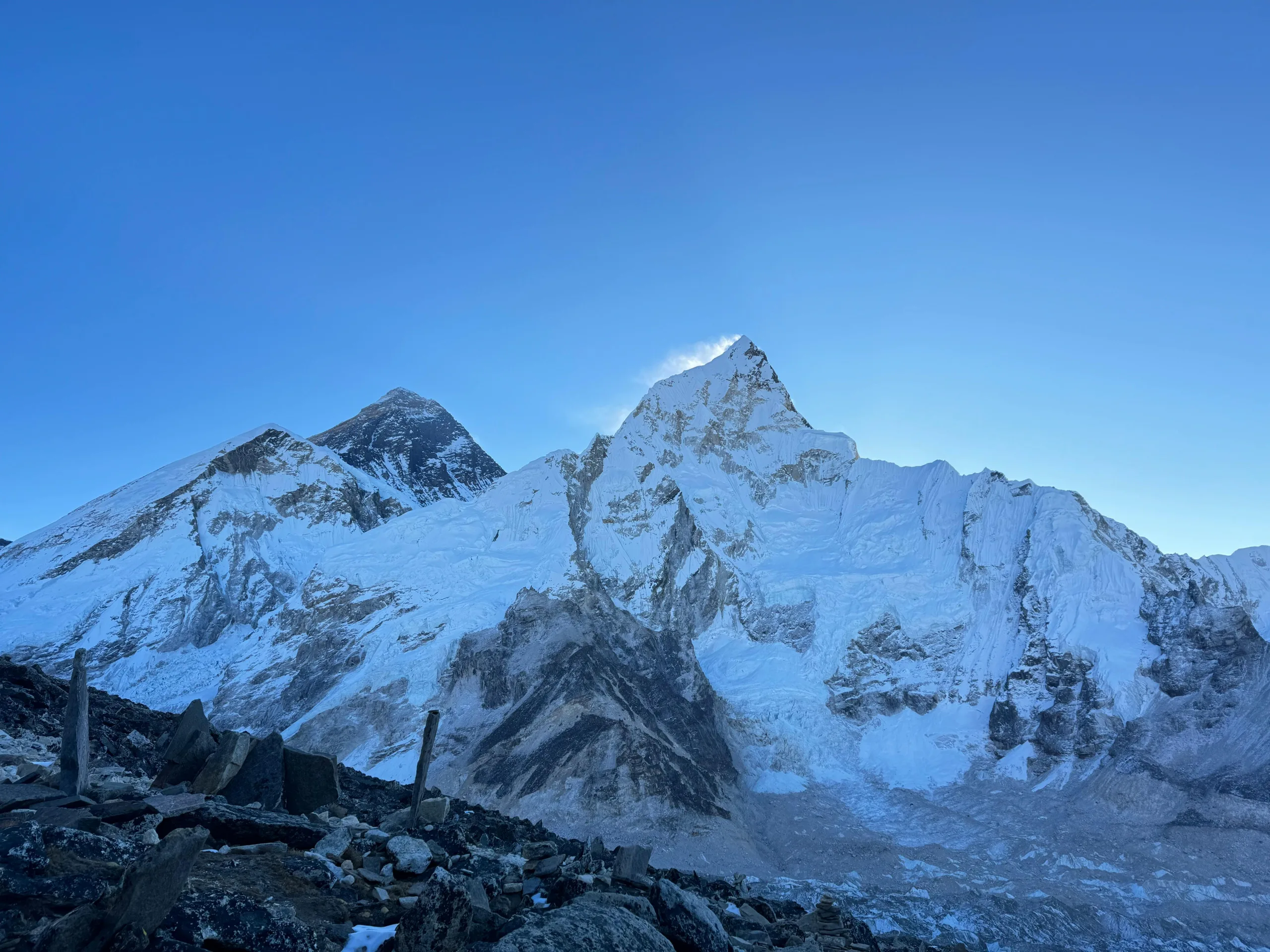
A totally secluded trekking destination in the western part of Nepal.Churen Himal Trek is ornamented with impressive views of Churen Himal, Dhaulagiri, Annapurna, and Gurja Himal. Lying on the north of Dhorpatan Hunting Reserve and northwest of Beni, Churen Himal trekking starts from the beautiful small town of Beni. Also, this off-beaten trail leads you to the base camp of Churen Himal after crossing Jaljala Pass; Beni itself is the end point of this trek. Basically, the pristine surroundings and complete isolation from modernity make Churen Himal trekking an exclusive trekking trip.
Categorized under moderate trekking grade. Churen Himal trekking amazes you with fascinating natural valleys, spectacular rivers, and fast-flowing rivers that hail from the Himalayas. The Churen Himal gives you the opportunity to encounter wild animals like blue sheep, Goral, serow, Himalayan thar, black bear, pheasant, and partridge, etc. So, normal walking experience and a good physical state are enough to venture into the Churen Himal trek.
Blaze Mountain Adventure guarantees to provide you with a delightful service during the Churen Himal Trek. Also, our professional and experienced guides are always ready to serve you throughout the trekking. Blaze Mountain Adventure assures you that your Churen Himal trek with Blaze Mountain Adventure will be a lifetime experience. If the given itinerary is not suitable for you, we can make a new itinerary as per your desire. For booking the trip or to have detailed insight into the Churen Himal Trek, feel free to contact Blaze Mountain Adventure.
Short Itinerary
- Day 1: Arrival in Kathmandu (1,400m) – A Blaze Mountain staff will meet you at Tribhuvan International Airport and…
- Day 2: Kathmandu to Pokhara (822m) – You will start your picturesque journey to Pokhara after an early breakfast.…
- Day 3: Pokhara to Darbang (1,100m) and Trek to Dharapani (1,500m) – From Pokhara to Darbang, you will travel early in the morning via…
- Day 4: Dharapani to Sibang (1,750m) – The route offers sporadic views of nearby valleys and far-off hills as…
- Day 5: Sibang to Muri (1,850m) – Following narrow paths over terraced slopes and wooded ridges, today's hike brings…
- Day 6: Muri to Boghara (2,080m) – You keep hiking across more difficult terrain that alternates between high climbs…
- Day 7: Boghara to Dobang (2,520m) – As you get into deeper forest areas with bamboo, pine, and rhododendron…
- Day 8: Dobang to Churen Himal Base Camp Region (Approx. 3,200m) – As you reach a considerable altitude, the route gets steeper and more…
- Day 9: Acclimatization and Exploration Day at Base Camp – This day is set out for acclimatization, which is crucial for adjusting…
- Day 10: Base Camp to Lower Camp (2,800m) – You start your descent from the high base camp area after breakfast.…
- Day 11: Lower Camp to Dobang (2,520m) – You retrace your ways back into wooded regions as you continue to…
- Day 12: Dobang to Boghara (2,080m) – You continue to descend into more verdant valleys today, as the climate…
- Day 13: Boghara to Muri (1,850m) – The trail continues downward through beautiful rural landscapes, terraced fields, and forest…
- Day 14: Muri to Sibang (1,750m) – This is a relatively easier trekking day as you move through familiar…
- Day 15: Sibang to Darbang (1,100m) – You complete your final trekking section today as you return to Darbang.…
- Day 16: Darbang to Pokhara (822m) – After breakfast, you take a jeep ride back to Pokhara through scenic…
- Day 17: Pokhara to Kathmandu and Departure (1,400m) – You return to Kathmandu by tourist bus or optional flight, depending on…
About Trip:
A totally secluded trekking destination in the western part of Nepal.Churen Himal Trek is ornamented with impressive views of Churen Himal, Dhaulagiri, Annapurna, and Gurja Himal. Lying on the north of Dhorpatan Hunting Reserve and northwest of Beni, Churen Himal trekking starts from the beautiful small town of Beni. Also, this off-beaten trail leads you to the base camp of Churen Himal after crossing Jaljala Pass; Beni itself is the end point of this trek. Basically, the pristine surroundings and complete isolation from modernity make Churen Himal trekking an exclusive trekking trip.
Categorized under moderate trekking grade. Churen Himal trekking amazes you with fascinating natural valleys, spectacular rivers, and fast-flowing rivers that hail from the Himalayas. The Churen Himal gives you the opportunity to encounter wild animals like blue sheep, Goral, serow, Himalayan thar, black bear, pheasant, and partridge, etc. So, normal walking experience and a good physical state are enough to venture into the Churen Himal trek.
Blaze Mountain Adventure guarantees to provide you with a delightful service during the Churen Himal Trek. Also, our professional and experienced guides are always ready to serve you throughout the trekking. Blaze Mountain Adventure assures you that your Churen Himal trek with Blaze Mountain Adventure will be a lifetime experience. If the given itinerary is not suitable for you, we can make a new itinerary as per your desire. For booking the trip or to have detailed insight into the Churen Himal Trek, feel free to contact Blaze Mountain Adventure.
Trip Highlights:
- Explore the remote and less-traveled trails of the beautiful Dhaulagiri region.
- Enjoy breathtaking mountain views of Churen Himal, Dhaulagiri, Gurja Himal, and surrounding Himalayan peaks.
- Experience the peaceful beauty of untouched forests, alpine meadows, rivers, and traditional villages.
- Discover the unique culture, traditions, and warm hospitality of the Magar and Gurung communities.
- Trek through diverse landscapes filled with rhododendron forests, terraced fields, and rugged mountain terrain.
- Visit remote settlements and hidden valleys far from the busy commercial trekking routes of Nepal.
- Experience a true wilderness adventure with fewer crowds and pristine natural surroundings.
- Enjoy stunning sunrise and sunset views over the snow-capped Himalayan mountains.
- Challenge yourself with a rewarding high-altitude trekking experience in a remote Himalayan region.
- Create unforgettable memories while exploring one of Nepal’s hidden trekking gems with Blaze Mountain.
Best Season for this Trip:
If you’re thinking about trekking the Churen Himal, your best bet is spring (March to May) or autumn (September to November). These are the months when the weather settles down, skies open up, and temperatures are actually comfortable. You get safer trails, plus those epic mountain views: Churen Himal, Dhaulagiri, Gurja Himal all shining under clear skies.
Spring really turns the place into a painter’s dream. You’ll walk through forests bursting with rhododendrons and wildflowers, hillsides exploding in color, and everything is lush and green. The weather stays steady, never too hot or too cold, so hiking feels good all day. Most mornings are crystal clear, and you can count on sunshine for most afternoons makes it easy to soak in the peace and beauty of the Dhaulagiri region.
Autumn has its own charm. The monsoon washes the air, so what’s left are bright, dry days and sharp mountain views. Trails are solid, and the cool, fresh air is perfect for trekking. Honestly, winter and monsoon aren’t great for this route. Winter hits hard with freezing temps and heavy snow at the higher spots, while monsoon just turns the trails slippery, brings landslides, and ruins the views. If you want the best experience, stick to spring or autumn.
Food and Accommodations on Trip:
The Churen Himal Trek keeps things pretty straightforward when it comes to food and places to sleep. It’s not the luxury you’ll find on Everest or Annapurna, but everything you need is there. You’ll end up spending nights in local teahouses, homestays, and basic lodges nothing fancy, yet the warmth and welcome after a tough day on the trail go a long way. Most rooms are twin-sharing, with simple beds, a blanket or two, and a bathroom shared with others. Once you’re way out in the higher parts, options get even more basic, but honestly, the locals’ hospitality is what makes it special and sticks in your memory.
Food's pretty much traditional Nepali stuff, along with basic trekking meals that give you enough energy to keep going. Expect a lot of Dal Bhat a plate of rice, lentil soup, veggies, and pickles. You’ll also find noodles, fried rice, Tibetan bread, potatoes, soup, eggs, pasta, momo, tea, coffee, and whatever’s available locally during the season. The meals are always made fresh by families and teahouse owners, using whatever ingredients they’ve got on hand.
As you climb higher, the menu shrinks because it’s tough to bring in supplies out there. Still, you’ll get something nutritious and hot every day. It’s smart to pack some snacks, energy bars, chocolate, or whatever personal favorites help keep you going. That way, the trek feels a bit more comfortable, and you never go hungry.
Includes / Excludes
Includes:
- ✓ Airport pick-up and drop-off by private vehicle.
- ✓ Two nights hotel accommodation in Kathmandu with breakfast.
- ✓ Experienced, licensed, and English-speaking trekking guide.
- ✓ Transportation from Kathmandu to Pokhara and Pokhara to the trek starting point.
- ✓ Necessary number of porters for luggage carrying during the trek.
- ✓ All meals during the trek including breakfast, lunch, and dinner.
- ✓ Accommodation in teahouses, lodges, and homestays during the trek.
- ✓ Annapurna Conservation Area Permit (ACAP) and TIMS card fees.
- ✓ Guide and porter salary, food, accommodation, and insurance.
- ✓ Basic first aid kit carried by the trekking guide.
- ✓ All government taxes and official service charges.
Excludes:
- ✗ International airfare and Nepal entry visa fees.
- ✗ Travel insurance and emergency evacuation costs.
- ✗ Personal trekking equipment and gear.
- ✗ Lunch and dinner in Kathmandu and Pokhara.
- ✗ Personal expenses such as drinks, snacks, hot showers, Wi-Fi, and battery charging.
- ✗ Tips for guides, porters, and drivers.
- ✗ Extra hotel nights in Kathmandu due to early arrival, late departure, or itinerary changes.
- ✗ Any additional expenses caused by weather conditions, natural disasters, or personal reasons.