
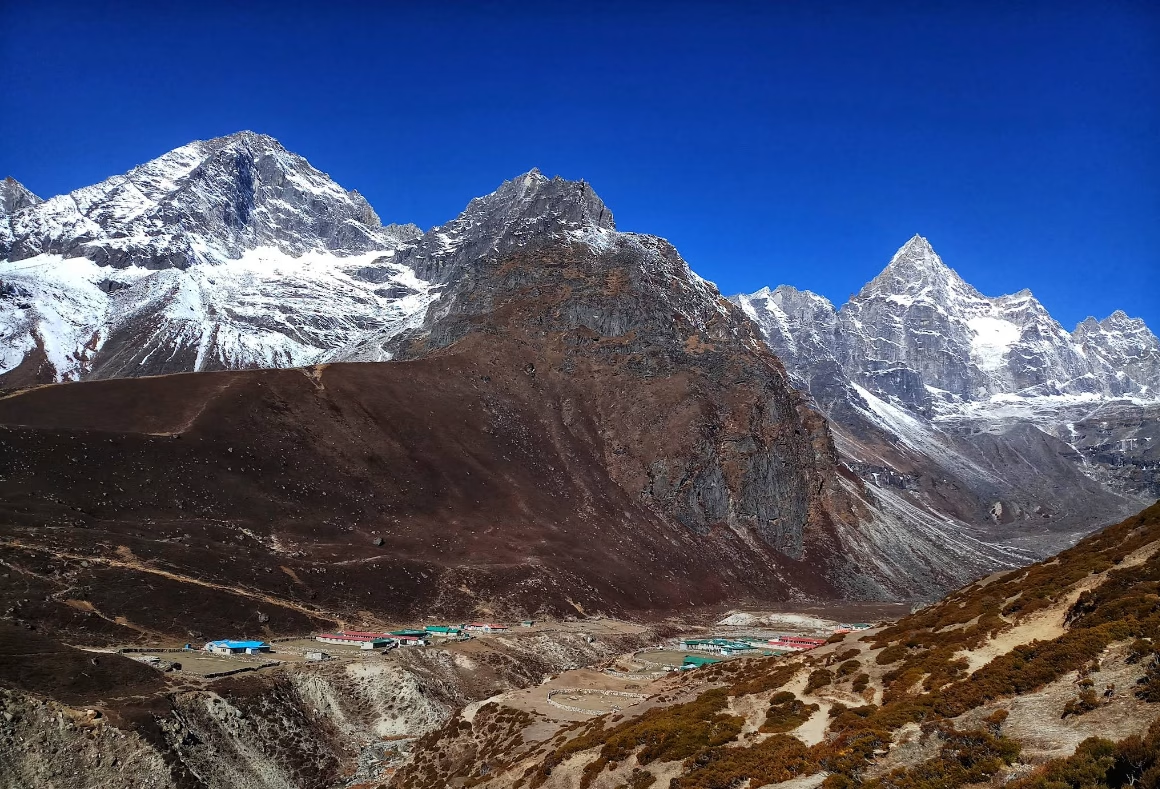
Machermo Peak climbing is a great challenge for experienced trekkers and mountaineers. This beautiful peak is found in the Khumbu region and stands at 6,283 meters, offering magnificent 360-degree views of Everest, Cho Oyu, Lhotse, and many other peaks. Is it hard to get to Machermo, the answer is yes, but it was not only a trial of my endurance but also a beautiful experience of lush greenery, stunning landscapes, quaint mountain villages full of vibrant people and endless amounts of culture. From the moment that you enter Sagarmatha National Park, the adventure begins, with breathtaking views of the Himalayas, including Everest itself.
From there, you move on to Dole and Machermo, where the magnificence of the Himalayas is more than ever overwhelming. The trekkers here also gets to experience the local way of life by interacting with the local villages along their route and experience their rich culture. We start our summit preparations as we reach Machermo. The hike towards Machermo Peak is strenuous yet highly rewarding. The final push towards the summit provides a rare opportunity to stand above all but a fraction of the world’s highest peaks, making every step into potentially seeing the most breathtaking parts of Mount Everest and its surrounding region worth it.
The trail back to Namche Bazaar follows the same route as trekkers come back down from the summit for one last day of coming down and resting. After Namche, the trip is completed with a flight back to Kathmandu, leaving the mountains behind, but with memories to last a lifetime. Trek with Blaze Mountain on this world class Adventure of Mountaineering in Great Peaks of the Himalayas.
Trek Note: Machermo Peak Climbing:
Machermo Peak Climbing is a high-altitude, thrilling adventure in the Khumbu region, perfect for expert trekkers and mountaineers. The trek is 9 days long, reaching a peak elevation of 6,283 meters at Machermo Peak. The journey begins with a scenic flight from Kathmandu to Lukla and it leads through Sherpa villages like Phakding, Namche Bazaar, Dole, and Machermo. Your trek also has an acclimatization day in Namche to help with the difficult summit push. Upon arrival at Machermo, trekkers will attempt to summit the peak, providing stunning views of Everest, Cho Oyu, and Lhotse.
The descent adheres to the same route, with one last stop in Lukla and a flight back to Kathmandu. It is a strenuous trek with decent amounts of uphill climbing and its recommended to have previous elevated trekking experience and be in good physical shape. The package includes trekking permits, meals and accommodation, professional guides and porters and all required climbing gear. Apart from being physically challenging, Machermo Peak Climbing is also the pathway to dive into the culture of the Sherpas and to realize the panoramic beauty of the Himalayas. Be part of the adventure with Blaze Mountain!
Additional Information:
You can access full details regarding the Machermo Peak Climbing from our website. If you need any extra information or extra service, feel free to contact us. To meet our agent, please follow the link, and/or if you want to talk to us directly, you can call our office at: 01-4522505.
Is Machermo Peak Climbing Right for Trekkers and Climbers?
Machermo Peak Climbing is an excellent option for a wide range of trekkers and climbers, especially those looking to challenge themselves in the Everest region without tackling the extreme technical difficulties of higher peaks. Here’s why it might be the right choice for you:
- Ideal for Intermediate Climbers
For trekkers with some previous high-altitude trekking experience, Machermo Peak offers a moderate level of difficulty. It’s not as technically demanding as other famous peaks, making it perfect for climbers looking to build confidence and gain practical experience at high altitudes. Those with basic mountaineering skills, including knowledge of ice axes, crampons, and roping techniques, will find this climb manageable. - Great for Acclimatization
If you’re planning to climb higher peaks like Cho Oyu, Lhotse, or even Everest in the future, Machermo Peak serves as an excellent acclimatization climb. The altitude is high enough to help your body adjust to the thinner air, but it’s not overwhelming. This makes it an ideal training ground for building stamina and getting used to the challenges of high-altitude environments. - Not Suitable for Absolute Beginners
While Machermo Peak is not overly technical, it still requires a basic level of mountaineering skill and physical fitness. If you’re a beginner with no prior trekking or climbing experience, it’s recommended to first gain experience with easier treks and climbs before attempting Machermo. - Perfect for Those Seeking a Less Crowded Experience
While popular peaks like Island Peak often draw larger crowds, Machermo offers a more peaceful and quieter alternative. If you want to avoid large groups of trekkers while still experiencing a thrilling Himalayan climb, Machermo provides a more tranquil environment with fewer people on the trail. - Adventure with Scenic Beauty
For those seeking an adventure with breathtaking views, Machermo Peak is an ideal option. The summit offers panoramic views of Everest, Lhotse, Cho Oyu, and other towering peaks, providing a sense of accomplishment and an unforgettable experience in one of the world’s most beautiful landscapes.
In conclusion, Machermo Peak Climbing is perfect for trekkers and climbers looking for a moderately challenging ascent that combines physical endurance, technical skills, and stunning mountain views. While it’s accessible to intermediate climbers and trekkers, those with no experience in mountaineering may need to build their skills before attempting this peak.
Best Season for Machermo Peak Climbing
The best season for climbing Machermo Peak is when the weather conditions are stable, and the trekking and climbing paths are clear. Here’s a breakdown of the ideal seasons:
Spring (March to May)
Spring is one of the best times to climb Machermo Peak. The weather is generally clear and stable, with moderate temperatures that make trekking and climbing conditions favorable. The days are longer, providing ample daylight, and the views of the surrounding mountains, including Everest and Lhotse, are breathtaking. Spring also offers beautiful blooming rhododendron forests, making the journey even more scenic.
Autumn (September to November)
Autumn is the second best season for Machermo Peak Climbing. The weather is crisp, dry, and cool, with clear skies and minimal chances of precipitation. This season offers excellent visibility and stable weather conditions, making it perfect for both trekking and summiting the peak. The trails are generally in great condition, and the panoramic views from the summit are stunning.
Summer (June to August)
Summer is the monsoon season in Nepal, which is not recommended for climbing Machermo Peak. The heavy rainfall leads to slippery trails, increased risk of landslides, and poor visibility. The path becomes wet and muddy, making trekking hazardous. It’s better to avoid this season for peak climbing as the weather can be unpredictable and dangerous.
Winter (December to February)
Winter is the coldest season in the Everest region, with temperatures dropping well below freezing, especially at higher altitudes. While the skies are generally clear, the extreme cold and snow make climbing more difficult and dangerous. The trail conditions can be challenging due to snow and ice, and the cold can cause serious risks, particularly for those unprepared for winter mountaineering. However, if you are well-prepared and comfortable with extreme cold, winter climbing can offer a peaceful, isolated experience.
Climate and Weather during Machermo Peak Climbing
The climate and weather during Machermo Peak Climbing can vary depending on the altitude and season, presenting different challenges and experiences for climbers. At lower elevations, such as the trekking paths through villages like Dole and Machermo, the weather is relatively mild, especially during the spring and autumn seasons. Daytime temperatures generally range from 10°C to 20°C, creating comfortable conditions for trekking. However, nighttime temperatures can drop significantly, sometimes reaching near freezing, making warm clothing essential for the evenings. While these lower altitudes remain relatively dry during the optimal seasons, the summer monsoon brings frequent rain, humidity, and muddy conditions, which can make trekking less pleasant and trails slippery.
As climbers ascend higher, reaching altitudes from 4,000m to 5,500m, temperatures drop sharply. In the spring and autumn, daytime temperatures hover between 0°C and 10°C, while nights can become much colder, often plunging to -5°C or lower. At this altitude, the weather is typically dry with clear skies, offering ideal climbing conditions. However, due to the altitude, the weather can change quickly, with the possibility of snowstorms or sudden cloud cover that reduces visibility. The summer monsoon season brings increased cloud cover and rain, which can disrupt climbing efforts, making this period less favorable for the ascent.
During winter, the conditions at higher altitudes become particularly harsh, with temperatures often well below freezing, even during the daytime. Snowstorms are common in the winter months, making the terrain icy and challenging. At night, temperatures can drop to extreme lows, requiring climbers to be well-prepared for cold and snow. The strong winds, especially above 4,500 meters, can make the cold even more unbearable, and the weather can become unpredictable, adding an extra layer of difficulty to the climb. As a result, spring and autumn remain the best seasons for climbing Machermo Peak, while summer and winter should be avoided due to the unpredictable and extreme weather conditions.
Local Culture and Tradition Around Machermo
The village of Machermo, situated in the Everest region, is deeply rooted in the Sherpa culture, which is known for its strong connection to Tibetan Buddhism and a lifestyle shaped by the natural environment. The local culture is reflected in the architecture, customs, and way of life in this remote area. As trekkers pass through Machermo on their way to the peak, they are often greeted by the warm hospitality of the Sherpa people, who maintain a simple yet spiritually rich life.
The Sherpa community in Machermo, like other villages in the region, practices Tibetan Buddhism. This faith is central to their daily lives, influencing everything from festivals and rituals to community gatherings. Travelers can find Buddhist stupas, monasteries, and prayer flags dotting the landscape, which not only add to the spiritual ambiance but also serve as symbols of protection and blessings for the local community. Prayer wheels are frequently spun by locals to bring good fortune, and the region’s iconic Mani stones—stones inscribed with prayers—can be seen along the trails, highlighting the connection between the people and their beliefs.
The Lhosar festival, marking the Tibetan New Year, is one of the most significant cultural celebrations in Machermo. During this time, the village comes alive with traditional dances, music, and feasts. Locals wear vibrant costumes, and the air is filled with the sounds of prayer and celebration. It’s an excellent time for visitors to experience the Sherpa culture firsthand, as the community warmly welcomes outsiders into their festive activities.
Another important aspect of Machermo’s culture is the legacy of mountaineering. The Sherpa people are famous for their skill and experience in high-altitude climbing, having supported countless expeditions to Mount Everest and other Himalayan peaks. Many Sherpas from Machermo and surrounding villages have made significant contributions to the mountaineering world, and this tradition continues today. Local guides, porters, and climbers in the village are often highly skilled, offering a unique opportunity for trekkers and climbers to learn about Sherpa heritage and their expertise in the mountains.
The lifestyle in Machermo is also closely tied to the land, with agriculture and animal husbandry being the primary sources of livelihood. The fertile lands and pristine environment provide the community with crops like barley, potatoes, and vegetables, while yaks and other livestock are used for transportation and as a source of milk. The Sherpas’ deep connection to their environment is reflected in their sustainable practices, ensuring that the delicate ecosystem remains intact for future generations.
In conclusion, the local culture and traditions around Machermo are an integral part of the trekking experience. The combination of Buddhist spirituality, vibrant festivals, mountaineering heritage, and sustainable practices creates a unique cultural atmosphere, making it a memorable stop on any trek to Machermo Peak.
Food & Accommodation Facilities during Machermo Peak Climbing
When trekking to Machermo Peak, food and accommodation are essential aspects of the journey, providing climbers and trekkers with the necessary comfort and energy to endure the climb. The local hospitality in the Everest region is centered around simple, yet hearty meals and traditional accommodation options that reflect the region’s culture and environment.
Food Facilities
The food in Machermo and along the trekking route is primarily influenced by the local Sherpa culture, with a mix of Tibetan and Nepali flavors. Trekkers can expect a variety of meals, with the option for vegetarian or non-vegetarian dishes depending on preference.
- Dal Bhat (Lentil Soup and Rice): This is a staple of Nepalese cuisine and is commonly served for lunch or dinner. The dish consists of rice, lentil soup, vegetables, and sometimes meat, providing trekkers with a high-energy meal essential for trekking at high altitudes.
- Momos (Dumplings): A popular snack in the region, momos are steamed dumplings filled with vegetables or meat, offering a tasty and filling option during rest stops.
- Sherpa Stew: A local delicacy, Sherpa stew is a warming and hearty meal, often made with vegetables, meat, or potatoes, and is perfect for colder days on the trek.
- Tibetan Bread and Butter Tea: Tibetans living in the Everest region often serve traditional Tibetan bread alongside butter tea (cha), a drink made with tea, butter, and salt. It is a unique, high-calorie beverage that helps trekkers fight the cold and maintain energy.
- Noodles and Soup: Noodles with soup are another common meal choice, offering warmth and comfort after a day of trekking. They are easy to digest and provide much-needed hydration and nutrition.
Snacks and Drinks: Along the way, you can find various snacks such as biscuits, chocolate, and energy bars, as well as hot beverages like coffee, tea, and hot chocolate to keep warm and energized.
Accommodation Facilities
The accommodation along the Machermo Peak climbing route is typically simple, providing trekkers with basic amenities and a warm place to rest after a long day of trekking. Most accommodations are in the form of teahouses and lodges, which are run by local Sherpa families. These teahouses offer a traditional, cozy atmosphere that gives trekkers a chance to experience Sherpa hospitality up close.
- Teahouses: The majority of accommodation on the trek is found in teahouses, which provide both food and lodging. These are small guesthouses, typically with shared rooms, offering basic beds with blankets and communal toilets. Most teahouses have wood-burning stoves to keep the rooms warm, though it can still get quite chilly at night, so it’s important to carry a sleeping bag.
- Lodges: In some higher-altitude areas like Machermo, trekkers can also find basic lodges offering similar amenities to teahouses. The lodges provide a place to rest with comfortable common areas where trekkers can relax, share stories, and enjoy hot meals.
- Room Types: Rooms in teahouses and lodges are generally shared. In some of the more remote villages, rooms are more basic, and the facilities may be minimal. However, more popular stops like Namche Bazaar and Dole offer slightly better options, sometimes with private rooms available for those seeking more privacy.
- Shared Bathroom Facilities: Most teahouses and lodges have shared bathroom facilities, typically located outside the main building. These can be basic, with squat toilets and limited hot water, but they are functional and adequate for trekkers’ needs.
Note: Due to the higher altitude and remote location, luxury accommodations are not available in the Everest region. The emphasis is on basic comfort and practicality, providing trekkers with the essentials to rest, recharge, and prepare for the next day’s journey.
In conclusion, food and accommodation facilities on the Machermo Peak climb are designed to provide trekkers with essential nutrition and a place to rest during their journey. While the amenities are basic, the warmth and hospitality of the Sherpa people, along with the hearty meals, make the trek both comfortable and memorable.
Best Gear for Machermo Peak Climbing
Climbing Machermo Peak requires the right gear to ensure safety, comfort, and performance. Here’s a breakdown of essential gear for the trek and climb.
Clothing
- Base Layer: Moisture-wicking merino wool or synthetic shirts and pants.
- Insulating Layer: Down or synthetic jackets and fleece for warmth.
- Outer Layer: Waterproof, windproof jacket and trekking pants for protection.
- Headgear: Warm hat or beanie for cold weather, and a sun hat for lower altitudes.
- Gloves: Insulated gloves and lightweight gloves for different conditions.
- Footwear: Sturdy, waterproof trekking boots and crampon-compatible boots for the climb.
Climbing Gear
- Crampons: Lightweight, adjustable crampons for icy conditions.
- Ice Axe: For stability and self-arrest on snowy terrain.
- Harness and Ropes: Climbing harness and ropes for safety, with extra carabiners.
- Carabiners and Ascenders: For securing yourself when ascending steep sections.
Safety Equipment
- Helmet: A climbing helmet to protect against falling debris.
- Avalanche Safety Gear: Transceiver, probe, and shovel if climbing in snowy conditions.
- First Aid Kit: For minor injuries, altitude sickness medication, and personal meds.
- Sunglasses and Goggles: UV-protective sunglasses and goggles for snow glare and wind protection.
Camping Equipment
- Sleeping Bag: A high-altitude sleeping bag rated for -10°C to -20°C.
- Sleeping Pad: Insulated pad for comfort and warmth.
- Tent: A four-season, lightweight tent for protection in harsh weather.
Hydration and Nutrition
- Water Bottles/Bladder: Insulated bottles or bladders to prevent freezing.
- Snacks: High-energy snacks like trail mix, nuts, and energy bars.
Miscellaneous Gear
- Backpack: 30-40L backpack for carrying gear comfortably.
- Headlamp: A reliable headlamp with extra batteries for night use.
- Trekking Poles: Adjustable poles for balance and reducing strain on knees.
Why Choose Blaze Mountain for Machermo Peak Climbing?
Blaze Mountain offers an exceptional and reliable climbing experience for those looking to conquer Machermo Peak. Our team of experienced guides and support staff are experts in high-altitude trekking and climbing, ensuring your safety and providing valuable insights throughout the journey. We offer tailored climbing packages designed to meet your individual needs, whether you’re a beginner or an experienced climber. Safety is our top priority, and we equip you with high-quality gear, follow proper acclimatization schedules, and adhere to strict safety protocols.
In addition to our professional support, we provide a unique cultural experience. Our knowledgeable guides will share fascinating stories and traditions of the Sherpa people, adding a meaningful layer to your journey. Blaze Mountain also prioritizes sustainability by promoting eco-friendly practices that minimize environmental impact while supporting local communities. From handling all logistics, including permits, accommodation, and meals, to ensuring you have everything you need for a smooth and memorable experience, Blaze Mountain is committed to making your Machermo Peak Climbing adventure unforgettable.