
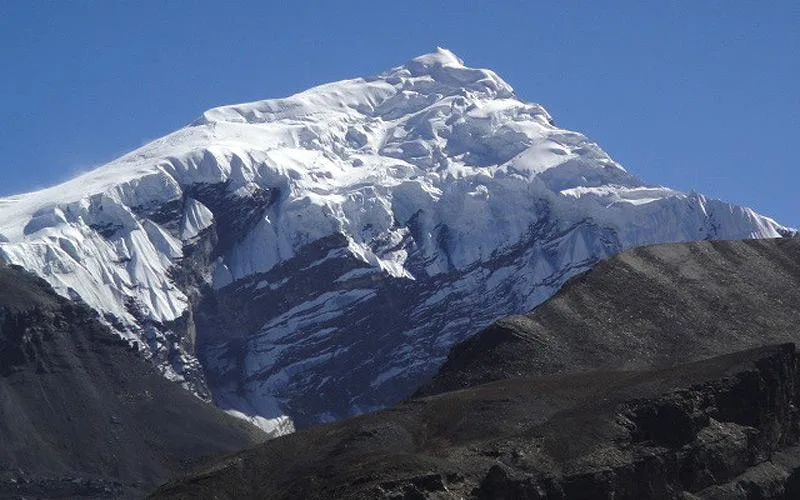
Chekigo Peak Climbing Expedition is indeed an adventure of a lifetime for mountain climbers and adventure enthusiasts who are willing to venture one of the hidden gems of Nepal. Chekigo Peak is located in the eastern part of Nepal, not far from Kanchenjunga, and rises to 6,292 meters, providing a challenging climb with stunning views of the surrounding grouped into these Himalayan peaks. Less common routes, such as in the Himalayas, provide hikers with the chance to see raw nature and challenge themselves farther away from popular trekking routes.
Starting from a point up in the hills (accessible by a short scenic flight from Kathmandu), you will leave behind the human racing and exploring the local villages and untouched landscapes. Starting in the dense tangle of forests and craggy terrain, each step upward treats you to magnificent vistas of snow-capped peaks and rolling hills. The route is an instantly rewarding cultural experience, as the traditional mountain culture and hospitality of local communities will enhance your travels.
Your expert mountaineer guides will lead you up the challenging ascent to the Chekigo Peak Summit, your final challenge. The itinerary includes acclimatization days to ensure you are ready for the high altitude and can successfully reach the summit. Having summited the peak, you retrace your way back down, and revisit the highlights of the trek back to Kathmandu. The Best of Climb the Peak with Blaze Mountain.
Treknote: Chekigo Peak Climbing
Chekigo Peak Climbing in eastern Nepal is a unique and adventurous expedition to the summit of Chekigo at an altitude of 6,292 meters. Moreover, this relatively unknown destination allows you to discover untouched areas, unspoiled villages, and individuals of local people. Starting with a patchwork flight from Kathmandu, you meet a dozen days of trekking: dominating mountains, dense forests, and historic hamlets. For the journey, you’ll be rewarded with stunning views of snow-capped mountains and the enchanting elegance of the Himalayas.
The ascent of Chekigo Peak is challenging, but with experienced guides and day one of the acclimatization process, you’ll be ready for the summit. A mix of high-altitude mountaineering and culture, the trek provides a balanced experience. Once at the top, you will begin the descent back down, boasting the same breathtaking views and memories savored on the way up. Be you an experienced climber or just an adventurous traveler, Chekigo Peak has ample challenge and beauty, along with a chance to make your very own cultural discoveries. Make this once in a lifetime, just join Blaze Mountain.
Additional Information:
You can access full details regarding the Chekigo Peak Climbing from our website. If you need any extra information or extra service, feel free to contact us. To meet our agent, please follow the link, and/or if you want to talk to us directly, you can call our office at: 01-4522505.
Specialty of Chekigo Peak Climbing:
Combining tough climbing with breathtaking Himalayan vistas, Chekigo Peak Climbing provides an exhilarating experience. The mountain, which is 6,121 meters high, is situated between the Khumbu area and the Rolwaling Valley. It is renowned for its difficult climb and provides stunning vistas of the Annapurna, Ganesh Himal, Manaslu, and other mountains. Trekkers can visit cultural landmarks like Bigu Gompa and Kalinchowk, a significant Hindu temple, along the route. This summit is a one-of-a-kind and remarkable climb because of the adventure, breathtaking scenery, and many cultural experiences it offers.
- The Difficult But also rewarding Hike
Chekigo Peak Climbing is an exhilarating challenge for climbers seeking out a less-trammeled, technically challenging peak. At 6,121 meters for its elevation, the peak is high enough to offer a true mountaineering experience, but not so challenging that only experienced climbers can have a go at it. That makes Chekigo Peak perfect for intermediate climbers. The route involves a bit of snow and rock, both of which subject your attention to detail and endurance. The sense of achievement from a successful summit is extremely rewarding, and the climb very rewarding indeed. - Breathtaking and Panoramic Views of the Himalayas
Stunning mountain views from Chekigo Peak Climbing is one of the highlights. The view from the summit features breathtaking panoramic views of some of Nepal’s most notable summits, including Mount Annapurna, Manaslu, Ganesh Himal, Shishapangma, Lamjung, Jugal Himal, and Gauri Shanker. The magnificent scenery of the snow-covered mountain and cheking peak, the imaginary surrounding areas, will never fade from the memories of the climbers. The scenary along the trek and the views from the lookout spots along the way are equally as spectacular, making each step of the journey a feast for the eyes! - Hindu and Buddhist Culture Immersion
Traversing the isolated area between Rolwaling Valley and Khumbu you will travel between a colourful blend of Hindu and Buddhist cultures. This cultural highlight of Kalinchowk, the Hindu pilgrimage site at 3,579 meters, is also one of the main attractions. Kalinchowk Bhagabati is a sacred pilgrimage site and one of the major pilgrimages in all of Nepal. Along the way, stunning monasteries such as Bigu Gompa offer insight into the age-old local customs, traditions, and spiritual practices that have developed and been handed down endlessly through the generations. Explore with Chekigo Peak Climbing The combination of culture and spirituality adds a unique aspect to the peak climbing experience. - Wilderness of Remote and Untouched
Unlike some of the more frequented trekking routes in Nepal, Chekigo Peak Climb involves wild trails with minimal footfall and systemic wilderness. The trail is also enveloped in a lush forest, quaint villages and mountainscape visible at high altitude, away from the throng. This remote location affords climbers the opportunity to see Nepal in its truest state, away from the tourist clatter of big-name destinations. For adventurers seeking a quieter, more private experience in the great outdoors, the trek provides an excellent opportunity to unplug and indulge in nature’s splendor. - Adequate Support on a High-Altitude Adventure
We have made a well acclimatization schedule for the Chekigo Peak climbing expedition. The sheer temperature differential means that base camps and much intermediate camps allow climbers time to rest and acclimatize before they get in place for the summit. Along the journey, a crew of experienced guides and Sherpas provide assistance for expert guidance during the climb. They know best, so the trek is as safe as it can be, although it is best suited for people who have trekked and climbed in the past. The support also encompasses the provision of climbing gears, as well as the services that are essential for your trekking adventure.
Is Chekigo Peak Climbing Right for Trekkers and Climbers?
For hikers and climbers seeking an exciting and relatively difficult Himalayan adventure, Chekigo Peak Climbing is a great option. Although sophisticated mountaineering skills are not necessary, it is necessary to be physically fit and have some prior hiking or climbing experience, particularly for high-altitude routes. Based on your experience, the following breakdown is provided:
- For Experienced Trekkers:
Chekigo Peak Climbing is a fantastic next step for experienced trekkers who are used to high altitude trekking. While you are not required to have advanced climbing techniques, hiking at higher altitudes on rocky and snowy terrains will offer you a more pleasant and easier climb. This trek provides the ultimate blend of both trekking and light climbing, so perfect for those searching for an extra undertaking. - For Beginner Climbers:
Chekigo Summit is a great climbing option for beginner climbers to practice mountaineering skills. If you’ve trekked in the past or have a basic crank for climbing, this expedition will help you practice using climbing gear such as crampons, ice axes, and ropes in a safe, lower-risk environment. You will be accompanied by experienced guides and supportive Sherpas, who will help you overcome the more technical segments of the climb with ease. - For Experienced Climbers:
For experienced skiers and climbers seeking an adventurous one of the more remote peaks, and less crowded alternative to the more famous Nepal peaks, Chekigo Peak offers a stimulating challenge. The route includes sections of snow and rock scramble, which will be a test of your skills. The adventure here is ideal for those seeking to find their limits without the extreme hazards of higher altitudes or more difficult peaks. - Not Recommended for Total Beginners:
Chekigo Peak Climbing is not for beginners who have gone high above and have not trekked before. You will need a strong level of fitness to safely reach the summit and technical skills as well. This road may not be an option for beginner travelers who prefer less strenuous or non-technical hiking.
Best Season for Chekigo Peak Climbing:
Chekigo Peak Climbing is most enjoyable in the spring (March to May) and fall (September to November) seasons. The ascent is more accessible and pleasurable during these seasons because of the consistent weather, bright skies, and pleasant temperatures. The vistas of the neighboring Himalayan mountains, including as Mount Annapurna, Manaslu, Ganesh Himal, and others, are stunning, and the routes are less impacted by snow.
- Spring (March to May):
Spring is the most favorable time for Chekigo Peak Climbing. The temperatures are temperate, and the skies are largely clear, affording incredible views of the peaks around you. In addition to the landscape, spring also brings colorful flowers. The well-defined paths are usually dry, so it is a good season for trekking or climbing. The weather is more stable than in other seasons, and it is easier to adapt to the altitude. - Summer (June to August):
Summer is monsoon in Nepal, characterized by intense rainfall across much of the country. Though trekking trails can be muddy and slippery and visibility may be limited because of clouds, Chekigo Peak Climbing can still be attempted. But it’s not the perfect time of year. Rain and cloud cover often affect the higher areas, with a greater risk of landslides. Those hoping for clear skies and stable weather conditions should avoid this season at all costs. - Fall (September to November):
Fall one of the perfect time for Chekigo Peak Climbing The skies clear after monsoon rains, with breathtaking views of the surrounding mountain ranges, including Mount Annapurna, Manaslu and Ganesh Himal. It isn’t too hot or too cold, and the conditions for trekking are perfect. They are dry, so it’s easier to navigate, and there are bound to be many trekkers and climbers on the route, making for a vibrant atmosphere throughout the season. - Winter (December to February):
The region becomes chilly, particularly at higher altitudes during the winter, which makes it the toughest time for trekking and climbing. Whereas, the lower regions can be tolerable for hiking the upper regions since the peak itself can be subject to ice, snow build-up, and freezing temperatures. Winter/vintage climbing is more challenging due to the elements needing specific equipment. Snowstorms can at times cover the trails, and a number of guesthouses and lodges may shut down. Necessary for the proper preparation and equipment two winter is a must for experienced climbers.
Climate and Weather during Chekigo Peak Climbing:
The climate during Chekigo Peak Climbing can vary greatly depending on the altitude and the season. The trek covers a range of elevations, from lower regions with subtropical climates to high-altitude areas that experience harsh, cold weather. Here’s an overview of the climate at different stages of the climb:
- Lower Altitudes (Under 3000m)
The lower parts are usually mild, with temperatures between 15 to 25 °C during the day. The nights can get chilly, especially between spring and fall. These sections can experience light rain during the summer monsoon season but otherwise mild weather and great conditions for trekking. - Mid-Altitude Regions (3,000m to 4,500m):
As you go up, temperatures begin to fall and the climate gets cooler. During the day temperatures can get up to 5°C to 15°C, while at night the weather becomes very cold, particularly during the winter months, when temperatures reach below freezing point. The weather is dry and stable during autumn in spring which are the best suitable seasons to trekking in Nepal. - High Altitudes (Above 4,500m):
At the higher elevations, it is a lot colder with daytime temperatures of -5°C to 5°C, dropping below minus at night. Winter weather is typical, including, at times, blizzard-like conditions. The higher up you venture, the tougher the climate (and the weather) can be, so staying warm and safe is a must when it comes to proper clothing and gear. - Summit Region (Above 5,400m):
The summit area where the last push to Chekigo Peak commences can be hit with severe cold, especially in the winter months. The weather can even hit from -10°C down to -20°C. Of course, weather conditions in the Himalaya can also be harsh with snow, ice and high winds, and mountaineers need to be exceptionally well prepared to deal with them.
| Season | Temperature (Lower Altitudes) | Temperature (High Altitudes) | Weather Conditions | Best Time for Climbing |
|---|---|---|---|---|
| Spring (March – May) | 15°C to 25°C | 5°C to -5°C | Mild weather at lower altitudes, dry conditions, occasional rain in lower regions. High-altitude weather still relatively clear and stable. | Ideal time for trekking and climbing. |
| Summer (June – August) | 20°C to 30°C | -5°C to 5°C | Monsoon season; heavy rainfall at lower altitudes. Slippery trails and limited visibility. At higher altitudes, conditions are cooler and drier. | Avoidable due to rain. |
| Autumn (September – November) | 15°C to 25°C | 5°C to -5°C | Clear skies, dry conditions, perfect trekking weather. The temperatures are comfortable for trekking, with cooler nights. | Best season for trekking and climbing. |
| Winter (December – February) | 10°C to 15°C | -5°C to -10°C | Cold and snowy at higher altitudes, strong winds, freezing temperatures at night. Snowfall is common at summit regions. | Not recommended for beginners. Conditions are harsh. |
Explanation:
- Spring (March – May): Spring is the best time for Chekigo Peak Climbing. Altitude is low, temperature is pleasant will make the trekking journey easier. Cold but clear weather while you ascend makes it a good time to summit. This is a peak trekking season in Nepal, and good conditions dry weather make for an excellent time for the journey.
- Summer (June – August): Summer in Nepal coincides with the monsoon months, hence the low lands of Nepal witness heavy rainfall as well. The trails can be slick and visibility can be very poor in lower areas. It is still cooler at higher elevations, but the monsoon makes trekking and climbing less attractive. Chekigo Peak climbing is generally not suggested in this season.
- Autumn (September – November): The best trekking season in Nepal. This is the best time for trekking and peak climbing as no rain/snow is falling during this period, and you can also enjoy the fascinating views of nature without any disturbances.
- Winter (December — February): Winter can be bitterly cold with heavy snow in higher altitudes. Heavy snow falls in the summit region and strong winds make it very rough and uncomfortable for trekkers. This is a difficult season, for beginners, the chill and the risk of an avalanche can both be deadly. With the proper gear and preparations, it is doable, but only experienced climbers should attempt to climb it in this season.
Local Culture and Tradition Around Chekigo Peak:
Peak Climbing on Chekigo offers more than just a peak adventure into the Himalayas it also presents an awesome chance to experience the rich cultural traditions of highland communities in Nepal. On the trekking route, you will see many villages and settlements influenced by Hinduism and Buddhism.
The Sherpa people, who originate from the region, will probably be the most prevalent group you’ll encounter. The people are an sbount of their religiosity of the mountains and their only mountaineering experts. Sherpas are generally Buddhists and you will find many Buddhist monasteries on the way including the Bigu Gompa. These monasteries are of great spiritual importance, and you might get to see local rituals and ceremonies that represent the daily lives of the Sherpa people.
Apart from Buddhism, Hindusim is also widely practiced in the region. Another important Hindu pilgrimage site is the Kalinchowk Temple situated at lower altitude. Hindu pilgrims from all over the country come for worshiping to this holy place. The blend of Hindu and Buddhist tradition provides a rich cultural experience for the trekkers, allowing you to experience the region’s diverse spiritual customs.
The villages also exhibit local culture in their architecture and food, as well as their hospitality. Throughout the region, you will discover wooden homes, little monasteries, and shrines dotted across the landscape. Another highlight of the journey is the warm hospitality of locals, who often invite trekkers in for food and shelter, greatly enhancing the experience.
Food & Accommodation Facilities During Chekigo Peak Climbing:
Even though the facilities are simple, the food and lodging choices offered during the Chekigo Peak Climbing excursion are made to be comfortable and convenient. You will stay in traditional lodges, tea houses, and guesthouses that provide an insight into the local way of life as you ascend through isolated parts of the Rolwaling Valley and Khumbu region.
Food:
The Chekigo Peak Climbing route offers substantial meals that are intended to sustain hikers’ energy levels during their long days of climbing and hiking.
- Traditional Meals: Popular local dishes include Sherpa stew, Tibetan bread, and Dal Bhat, which is lentil soup served over rice. These foods are rich in protein and carbs, giving you the energy you need to handle the difficult terrain and elevation.
- Western Dishes: Pasta, sandwiches, and pancakes are among the Western-style dishes that some tea shops provide. For hikers who like more comfortable alternatives, these meals provide a change of pace.
- Drinks & nibbles: Chocolate, cookies, and fruits are offered as nibbles to keep you going. In order to keep you warm after a cold day of hiking, tea, coffee, and hot chocolate are frequently offered.
Accommodations:
The accommodation during the Chekigo Peak Climbing is basic, but it provides a warm and safe environment to rest after a day of trekking. Most of the lodging is found in guesthouses and tea houses.
- Tea Houses & Guesthouses: These are simple but comfortable, with shared bathrooms and basic facilities. Most rooms feature beds with blankets, though some guesthouses at higher altitudes may be colder due to the weather conditions.
- Higher Altitudes: As you ascend, accommodation becomes more basic. Some lodges at higher elevations may only have limited amenities, and trekkers may need to adjust to less comfortable living conditions.
- Camping: For those who venture higher up the mountain, particularly during acclimatization, camping may be necessary. Tents will be set up to provide shelter in more remote areas.
Even if the lodgings are basic, the tranquil surroundings and friendly locals make these stays a significant part of the trip.
Climbing Gear for Chekigo Peak Climbing:
Climbing Chekigo Peak requires specialized gear to ensure safety and comfort throughout the expedition. Given the technical nature of the climb, proper equipment is essential, especially as trekkers will encounter steep rock and snow sections. Below is a list of the essential climbing gear you’ll need to tackle Chekigo Peak.
Climbing Equipment:
- Crampons: Essential for traversing icy and snowy terrain, providing the traction needed for stability on the mountain’s slopes.
- Ice Axe: Used for balance, self-arresting, and assisting in climbing steep sections of snow and ice.
- Rope: Climbers will use ropes for safety, especially during technical sections where there’s a risk of falling.
- Harness: A climbing harness is necessary to attach to the rope for safety when tackling vertical or difficult sections.
- Carabiners & Slings: These are used to secure ropes and gear to anchor points on the mountain.
Clothing:
- Base Layers: Moisture-wicking base layers are crucial for maintaining body temperature and preventing sweat build-up.
- Insulated Jacket: A high-quality down or synthetic insulated jacket will provide warmth, especially in cold, high-altitude conditions.
- Waterproof Jacket & Pants: Waterproof gear is necessary to protect against snow, rain, and wind during the climb.
- Climbing Boots: High-altitude, sturdy boots with crampon-compatible soles are essential for grip and protection on rocky and icy surfaces.
- Gloves: A good pair of insulated climbing gloves is essential for protecting your hands during the climb.
Personal Gear:
- Headlamp: You may be trekking during low-light conditions, so a reliable headlamp is crucial.
- Sunglasses & Goggles: Protect your eyes from the sun’s glare and wind, especially at higher altitudes.
- Water Bottle or Hydration System: Staying hydrated is critical, and a hydration system or water bottle with insulated covers will help prevent freezing.
- Sun Protection: High-altitude exposure requires proper sun protection, including sunscreen, lip balm, and a hat for added protection against UV rays.
Why Choose Blaze Mountain for Chekigo Peak Climbing?
Blaze mountain is your safe and trusted partner for your Chekigo Peak Climbing tour in Nepal. Our highly experienced team of guides are experts in high-altitude climbing and trekking, ensuring that your journey is safe and successful, and we’ll also share our knowledge of the geography, culture and routes of the region. Drawing on their intimate knowledge of the route, as well as the glacier crossings and tricky rock and snow conditions of Chekigo Peak, you’ll be in safe hands every step of the way. Blaze Mountain also provides you with tailored itineraries as per your exact fitness levels and experiences to ensure acclimatization and you having fun and not being rushed during your trek. We take care of everything for you from A-Z including permits, transportation, meals, accommodation, and premium climbing gear so you can rest easy and focus on what really matters the adventure that lies ahead!
But we wanted to offer more than just a physical challenge we wanted to share our culture. While walking through the path, our expert guides will brief you on the spiritual significance of Hindu and Buddhist pilgrimage sites, such as Kalinchowk and Bigu Gompa, giving their climb more depth and meaning. With Blaze Mountain, you’re not simply climbing a peak you’re exploring the traditions and culture of the region. Most importantly, safety remains our number one priority. Whether it is making sure you acclimatize properly, first-aid support or emergency evacuation services, Blaze Mountain does everything in its power to keep you safe on all the trek. Book Chekigo Peak Climb through Blaze Mountain for a unique, safe and culturally rich adventure in the hands of professionals eager to make your journey memorable.