
Renjo La Pass Trekking - 13 Days
General Info
Trip Overview
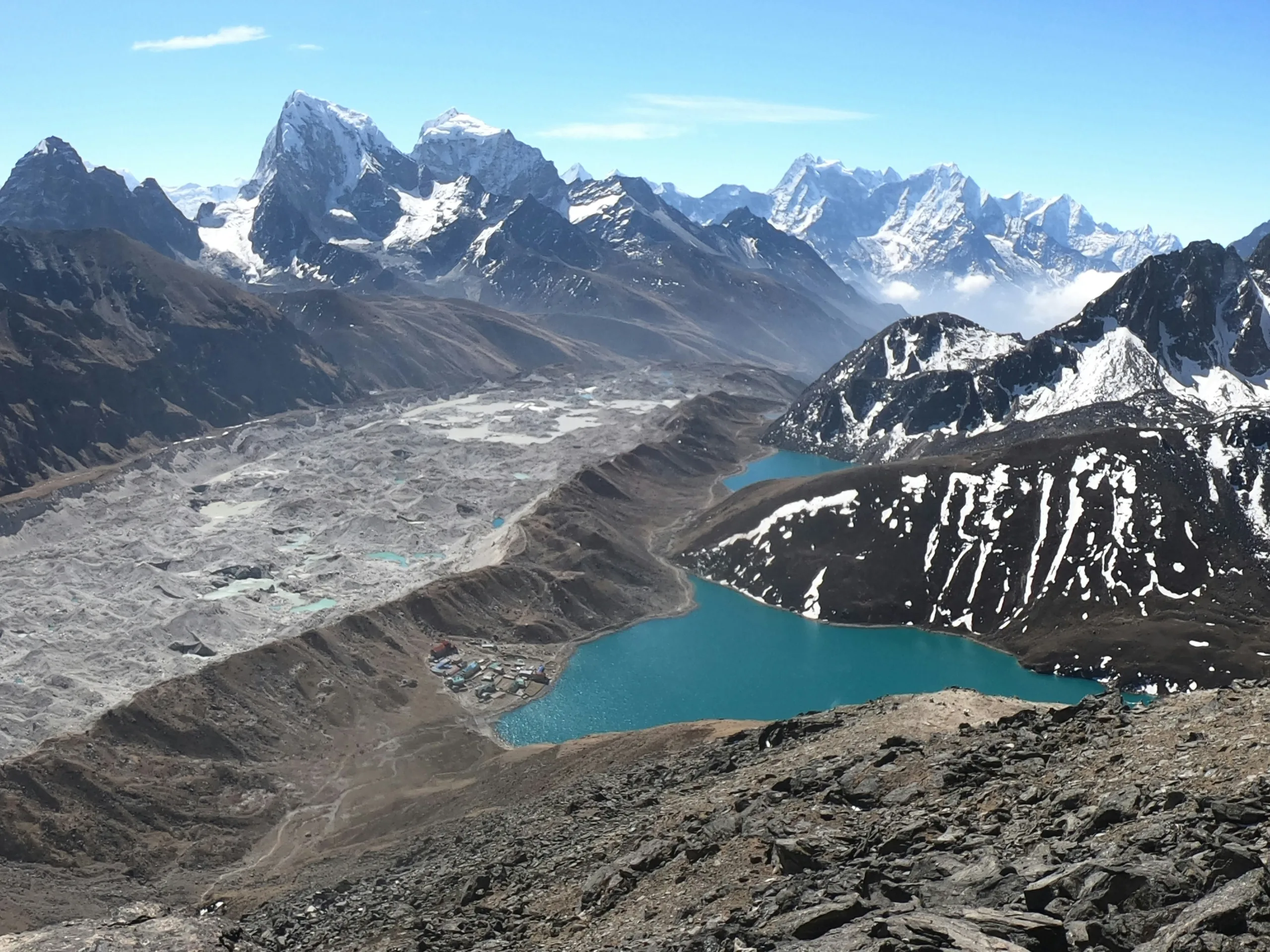
Renjo La Pass Trekking is one of the fascinating trekking trails to the mightiest mountain of the world; tailor made for those who seek to have adventure on a high pass. It is a high-altitude, off-beaten-track trail offering the most scenic mountain views in the Everest trekking region. One can enjoy a lifetime experience of discovering hidden naturalistic phenomena of the Everest region and exploring the unspoiled culture of Sherpa and Buddhism.
This trail encompasses thrilling and longest trekking in the Everest trekking region, making it one not to be missed. It blends natural exquisiteness and cultural elegance with so much perfection that one feels to be most lucky to have trekked to this region. Renjo La Pass Lake offers a scenic panorama of the Himalayan range, including Mt. Everest (8848 m), Mt. Lhotse (5816 m), Mt. Makalu (8463 m), Mt. Cho Oyu (8201 m), Mt. Nuptse (7855 m), Mt. Ama Dablam (6856 m), Mt. Thamserku (6723 m), and many others.
This trail lies in the Sagarmatha National Park, the highest wildlife reserve in the world. The park, listed as a World Heritage Site in 1979 by UNSECO, is spread to cover an area of 1148 sq. km. You may have a look at the itinerary for the details of this trekking trail. Blaze Mountain Adventure would feel pleased to customize the itinerary for your convenience. Blaze Mountain Adventure arrange Renjo La Pass Lake trekking any time during the year. Please feel free to contact Blaze Mountain Adventure for further queries.
Short Itinerary
- Day 1: Arrival in Kathmandu (1,400m) – Upon your arrival at Tribhuvan International Airport, the Blaze Mountain team will…
- Day 2: Fly to Lukla (2,860m) and Trek to Phakding (2,610m) – An early morning scenic flight takes you to Lukla, offering breathtaking aerial…
- Day 3: Trek from Phakding to Namche Bazaar (3,440m) – Todayu2019s trek is both exciting and challenging as you enter Sagarmatha National…
- Day 4: Acclimatization Day at Namche Bazaar – This day is essential for adjusting to the increasing altitude. You can…
- Day 5: Trek from Namche Bazaar to Dole (4,038m) – Leaving Namche, the trail offers spectacular mountain views as it gradually ascends…
- Day 6: Trek from Dole to Machhermo (4,470m) – Todayu2019s trek continues through open valleys with stunning views of Cho Oyu…
- Day 7: Trek from Machhermo to Gokyo (4,750m) – You will follow a scenic trail past the beautiful Gokyo Lakes, known…
- Day 8: Hike to Gokyo Ri (5,483m) and Explore Gokyo Valley – Early in the morning, hike to Gokyo Ri for a spectacular sunrise…
- Day 9: Trek from Gokyo to Lungden via Renjo La Pass (5,345m) – This is the most challenging and rewarding day of the trek. You…
- Day 10: Trek from Lungden to Namche Bazaar (3,440m) – The trail descends through peaceful valleys and traditional villages, including Thame. You…
- Day 11: Trek from Namche Bazaar to Lukla (2,860m) – Retrace your steps back to Lukla through forests, rivers, and suspension bridges.…
- Day 12: Fly from Lukla to Kathmandu – Take an early morning flight back to Kathmandu. After returning, you can…
- Day 13: Final Departure – Your incredible journey with Blaze Mountain comes to an end. Our team…
About Trip:
Renjo La Pass Trekking is one of the fascinating trekking trails to the mightiest mountain of the world; tailor made for those who seek to have adventure on a high pass. It is a high-altitude, off-beaten-track trail offering the most scenic mountain views in the Everest trekking region. One can enjoy a lifetime experience of discovering hidden naturalistic phenomena of the Everest region and exploring the unspoiled culture of Sherpa and Buddhism.
This trail encompasses thrilling and longest trekking in the Everest trekking region, making it one not to be missed. It blends natural exquisiteness and cultural elegance with so much perfection that one feels to be most lucky to have trekked to this region. Renjo La Pass Lake offers a scenic panorama of the Himalayan range, including Mt. Everest (8848 m), Mt. Lhotse (5816 m), Mt. Makalu (8463 m), Mt. Cho Oyu (8201 m), Mt. Nuptse (7855 m), Mt. Ama Dablam (6856 m), Mt. Thamserku (6723 m), and many others.
This trail lies in the Sagarmatha National Park, the highest wildlife reserve in the world. The park, listed as a World Heritage Site in 1979 by UNSECO, is spread to cover an area of 1148 sq. km. You may have a look at the itinerary for the details of this trekking trail. Blaze Mountain Adventure would feel pleased to customize the itinerary for your convenience. Blaze Mountain Adventure arrange Renjo La Pass Lake trekking any time during the year. Please feel free to contact Blaze Mountain Adventure for further queries.
Trip Highlights:
- Enjoy breathtaking views of the Himalayas, including Everest, Lhotse, and Makalu.
- Explore the scenic Gokyo Lakes, surrounded by towering peaks and crystal-clear waters.
- Conquer the Renjo La Pass at 5,360 meters, offering unparalleled panoramic views of the Everest region.
- Immerse yourself in the rich Sherpa culture while visiting remote villages along the trail.
- Trek through peaceful, less crowded routes, offering tranquility and solitude.
- Capture incredible photographs of the stunning landscapes at every turn.
- Experience the unique flora and fauna of the Everest region, adding to the charm of the trek.
- Visit the ancient Buddhist monasteries and learn about the local traditions.
- Pass through alpine forests, rhododendron blooms, and alpine meadows.
- Discover the famous Namche Bazaar, a bustling Sherpa town with vibrant markets and culture.
- Reach the highest viewpoints for spectacular sunrise and sunset views.
- Cross over scenic suspension bridges, offering breathtaking views of valleys and rivers.
- Experience the thrill of trekking at high altitudes, surrounded by remote wilderness.
Best Season for this Trip:
Autumn - (Sept to Nov):
The clear sky, steady weather, and brilliant views of the Himalaya range make September, October, and November generally considered the peak times to trek in Nepal. The temperature remains moderate; thus, these seasons are proper for high-altitude treks, including the Renjo La Pass. With suitable conditions, the best season provides a perfect atmosphere for trekking; therefore, autumn attracts several trekkers around the globe.
Spring - (March to May):
This is also the best time for trekking, which offers warm temperatures and usually blossoming rhododendrons under clear skies. Though it may be a bit busier, the weather is still good—mostly moderate in temperature and featuring great views—making it ideal to go on the Renjo La Pass Trek. This season can also be more enjoyable for trekking, but with slightly more crowds compared to autumn.
Winter - (December to February):
Winter trekking is really cold, especially at higher altitudes, and frequent snowfall may impede progress. During this season, trekking becomes quiet and peaceful due to low tourist traffic; however, harsh conditions of trails may want more preparation and experience. The trek can be more challenging, but those seeking solitude may appreciate the tranquility of the winter season.
Summer/Monsoon - (June to August):
This is the worst time to trek because heavy rainfall makes the trails slippery, and visibility is poor. Chances of landslides are higher, and weather conditions may upset trekking plans. This season offers fewer crowds and a rather solitary experience; however, trekkers should beware of wet, muddy conditions and unpredictable weather.
Food and Accommodations on Trip:
Food:
During the Renjo La Pass Trek, the staple food you will get is traditional Nepali food, rice, lentils, vegetables, and dal. The common Nepali food includes dal bhat, momos, and tsampa. While ascending higher up, the variety of food becomes limited; however, you can still get enough foodstuffs like soups, noodles, pancakes, and tea. Many teahouses also serve Western dishes like pasta, sandwiches, and soups for international trekkers.
Accommodation:
Accommodations for the Renjo La Pass Trek are teahouses or lodges. Basic guesthouses that you can rest your head at night in are simple rooms shared with a common bathroom, consisting of a floor of wood, a bed, and shared bathrooms. As the altitude increases, the facilities become more basic, but you are assured of having a warm bed and a cozy atmosphere. The teahouses also make for good spots to socialize with fellow trekkers and share stories of your journey. In more remote areas, options are limited; it is thus very important to book your lodging in advance, especially during peak trekking seasons.
Includes / Excludes
Includes:
- ✓ Airport pick-up and drop-off in Kathmandu
- ✓ Domestic flight (Kathmandu – Lukla – Kathmandu)
- ✓ All necessary trekking permits (Sagarmatha National Park Permit and TIMS Card)
- ✓ Experienced English-speaking trekking guide
- ✓ Porter service (1 porter for 2 trekkers)
- ✓ Accommodation in teahouses/lodges during the trek
- ✓ Three meals a day (breakfast, lunch, dinner) during the trek
- ✓ Kathmandu city tour with a professional guide
- ✓ All government taxes and service charges
- ✓ First aid kit and basic medical support
Excludes:
- ✗ International airfare to and from Nepal
- ✗ Nepal entry visa fees
- ✗ Travel insurance (must include high-altitude evacuation)
- ✗ Personal expenses (wifi, charging, hot shower, drinks, etc.)
- ✗ Extra meals in Kathmandu (except farewell dinner if included)
- ✗ Tips for guide and porter
- ✗ Personal trekking gear and equipment
- ✗ Any additional costs due to flight delays, weather, or unforeseen circumstances
- ✗ Emergency rescue and evacuation costs (covered by insurance)