
Mani Rimdu Trek: - 11 Days
General Info
Group Size
2-12 Persons
Max Altitude
3860M
Trip Duration
11 Days
Accommodation
4/3 Hotel and Teahouse/Lodges
Trip Difficult
Moderate
Trek Route
—
Meals
BLD
Country
Nepal
Trip Overview
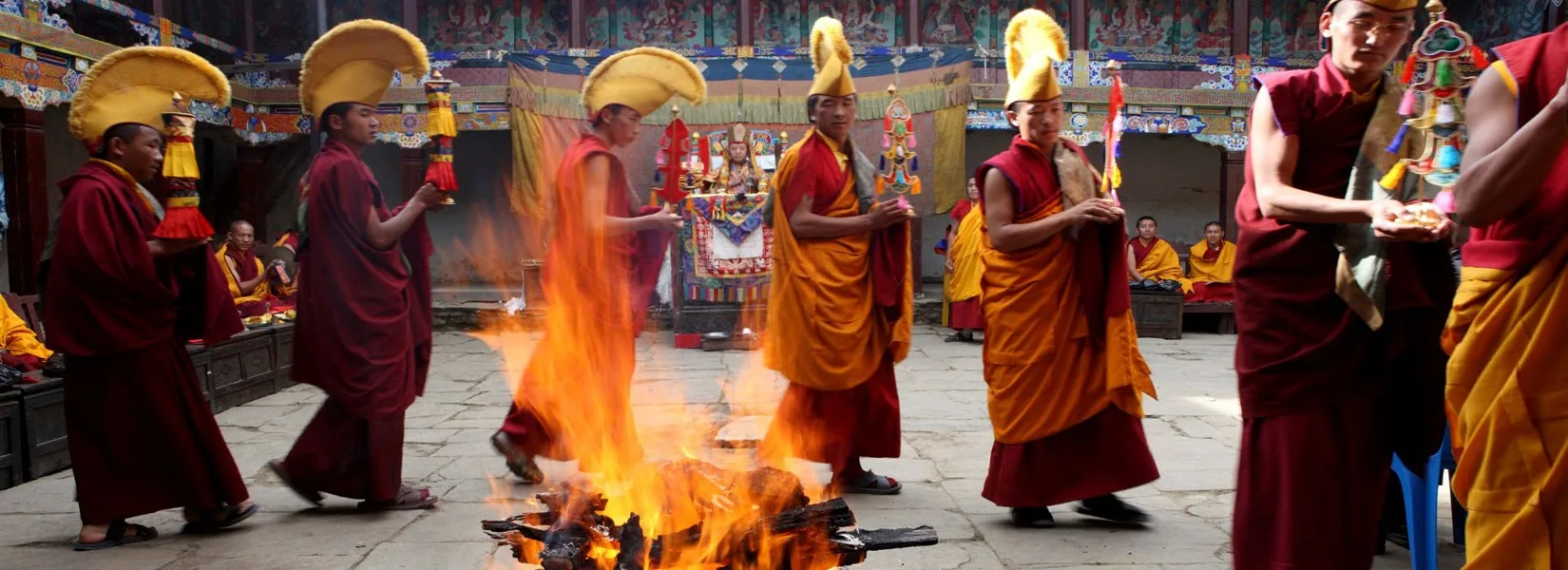
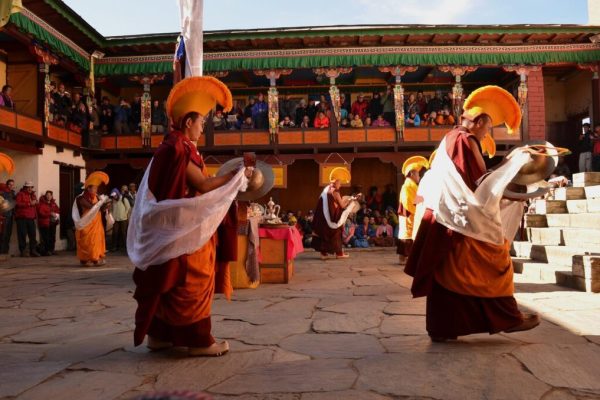
Mani Rimdu Festival Trek is a special trek intended for having the experience of trekking along with observing Mani Rimdu festival. The focus of the trek is to attend the Mani Rimdu Trek observed by high Himalayan Sherpa as a mark of tranquility of Buddhism over Bon, the ancient animistic religion of Tibet. Mani Rimdu is a prominent festival celebrated for three days followed by ten days of prayer at the monasteries of Tengboche, Thami and Chiwang for the well-being of all mankind. It is observed on the full moon day of the Tibetan ninth month (Nov/Dec).
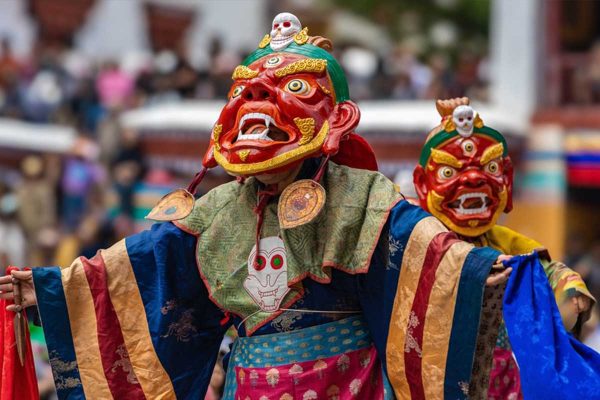
This Mani Rimdu Festival Trek is an idealistic one to observe and taste the actual culture and lifestyle of Himalyan Sherpa people. The festival incorporates colorful disguising and masked dancing to replicate divine dignitaries, which is worth watching. Along with dancing and praying, villagers receive blessings from Guru Rinpoche, the founder of Vajrayan Buddhism in Tibet.
The details of the trail are mentioned in the itinerary. The changes to the itinerary are heartily accepted for your convenience. For more information, please feel free to contact Blaze Mountain Adventure.
Short Itinerary
- Day 01: Arrival in Kathmandu – Arrive in Kathmandu, where you will be welcomed and transferred to your…
- Day 02: Kathmandu Valley City Tour & Trek Preparation – Explore Kathmanduu2019s cultural highlights such as Swayambhunath, Pashupatinath, and Boudhanath, experiencing Nepalu2019s…
- Day 03: Flight to Lukla & Trek to Phakding – Take an early morning scenic flight from Kathmandu to Lukla, enjoying stunning…
- Day 04: Trek from Phakding to Namche Bazaar – Trek from Phakding to Namche Bazaar, crossing suspension bridges and walking through…
- Day 05: Rest Day at Namche Bazaar for Acclimatization – Spend the day acclimatizing in Namche Bazaar to adjust to the altitude.…
- Day 06: Trek from Namche Bazaar to Tengboche Monastery (3860m) – Trek towards Tengboche, passing through forests and enjoying breathtaking mountain scenery. Visit…
- Day 07: Observe Mani Rimdu Festival at Tengboche Monastery – Experience the vibrant Mani Rimdu Festival, with monks performing traditional mask dances…
- Day 08: Trek from Tengboche to Khumjung – Descend from Tengboche and head towards Khumjung, a peaceful Sherpa village. Explore…
- Day 09: Trek from Khumjung to Manjo – Trek down to Manjo, passing through scenic forests, rivers, and small settlements.…
- Day 10: Trek from Manjo to Lukla – Continue trekking back to Lukla, following the Dudh Koshi River and crossing…
- Day 11: Flight from Lukla to Kathmandu & Farewell Dinner – Fly back from Lukla to Kathmandu, enjoying your final views of the…
About Trip:
Mani Rimdu Festival Trek is a special trek intended for having the experience of trekking along with observing Mani Rimdu festival. The focus of the trek is to attend the Mani Rimdu Trek observed by high Himalayan Sherpa as a mark of tranquility of Buddhism over Bon, the ancient animistic religion of Tibet. Mani Rimdu is a prominent festival celebrated for three days followed by ten days of prayer at the monasteries of Tengboche, Thami and Chiwang for the well-being of all mankind. It is observed on the full moon day of the Tibetan ninth month (Nov/Dec).
This Mani Rimdu Festival Trek is an idealistic one to observe and taste the actual culture and lifestyle of Himalyan Sherpa people. The festival incorporates colorful disguising and masked dancing to replicate divine dignitaries, which is worth watching. Along with dancing and praying, villagers receive blessings from Guru Rinpoche, the founder of Vajrayan Buddhism in Tibet.
The details of the trail are mentioned in the itinerary. The changes to the itinerary are heartily accepted for your convenience. For more information, please feel free to contact Blaze Mountain Adventure.
Trip Highlights:
- Experience the vibrant Mani Rimdu Festival at Tengboche Monastery, featuring traditional masked dances and sacred rituals.
- Enjoy a thrilling scenic flight to Lukla Airport, one of the most exciting mountain airstrips in the world.
- Trek through the heart of the Everest region, passing beautiful Sherpa villages like Namche Bazaar and Khumjung.
- Witness breathtaking panoramic views of Mount Everest, Ama Dablam, and Lhotse throughout the trek.
- Explore ancient monasteries and immerse yourself in authentic Sherpa culture and Buddhist traditions.
- Walk alongside the scenic Dudh Koshi River, crossing suspension bridges and forest trails.
- Acclimatize and explore at Namche Bazaar, the vibrant gateway to the Everest region.
- Enjoy a perfect blend of culture, adventure, and natural beauty in one unforgettable Himalayan journey.
Best Season for this Trip:
Autumn (September-November):
Autumn is the normal season for the Mani Rimdu Trek, for it has clear skies, stable weather, and moderate temperatures. The trek usually coincides with the Mani Rimdu Festival, which normally falls in the month of October or November, and lets trekkers go through vibrant Buddhist rituals and cultural celebrations in Tengboche. One gets to enjoy some of the best views of the Himalayan peaks, together with dry and dust-free trails that are hence comfortable and safe to trek on. The days are warm, nights cool—all perfect to give one ideal conditions for memorable trekking together with local traditions.
Spring (March-May):
The spring is another good option for the Mani Rimdu Trek. It usually stays mild during this time; days are warm and nights cooler, though afternoon cloud cover may well occur. The visibility is not as prominent as it is in autumn, but the scenery of the mountains is still remarkable, and there are fewer trekkers to give one company, so that it becomes rather a quiet expedition. Blooming rhododendrons and wild flowers are adding colorful charm to the scenery. It is good to trek higher altitudes due to bearable temperatures, even though the time has worn away from good-season trekking.
Summer/Monsoon (June-August):
While trekking is possible in the summer and the monsoon months, this period is not recommended as the most appropriate time to make the Mani Rimdu Trek. Much heavy rainfall turns the trails into slippery, muddy, and treacherous places to walk over. Besides that, there could be a danger of landslides in the mountain areas, making the trek all the more dangerous. Views of the mountains become clouded with clouds to obscure your gaze of the phenomenal Himalayan ranges.
Winter (December-February):
Winter, although offering clear skies, is bitterly cold at high altitude, making the trek very uncomfortable and challenging. Freezing conditions can also result in altitude sickness and frostbite. As only a few trekkers take this journey in this season, many of the tea houses and lodges remain closed in higher altitudes, thus limiting your options of an overnight stay. The weather is not cloudy either, but it is awfully cold; hence, it is not the best time to trek and is not a good time of year for the Mani Rimdu Trek.
Food and Accommodations on Trip:
Food on the Mani Rimdu Trek consists of a heavy diet of Nepali, Tibetan, and Western to keep these trekkers going. They also offer a multitude of breakfast items such as porridge, toast with jam, pancakes, eggs, and muesli, tea in many varieties, and coffee. Dal bhat or the lentil soup with rice, momos or dumplings, noodles, fried rice, and vegetable curry are nutritious, yet filling, for lunch. Dinner usually comprises dal bhat, vegetable curry, Tibetan bread, stir-fried vegetables, and lentil soup.
It is possible that some teahouses will serve meat dishes of yak steak and chicken, though vegetarian options will be provided on request. Several types of snacks are also available along the path, including chocolate, biscuits, nuts, and dried fruits, while hot beverages such as tea, coffee, and hot lemon are consumed very frequently by trekkers during cold weather conditions.
Accommodations along the trek are trekkers' lodges-managed by local families known as teahouses that offer comfortable rooms. These are typically small rooms with a twin-share bed and minimal furniture, although some may have shared bathroom facilities outside the room. Some of the higher altitude villages like Namche Bazaar and Tengboche have some en-suite facilities. Although basic, the teahouses offer hot shower services at an extra cost, charging facilities, and internet access in the common areas, although quite slow and unreliable. Most teahouses have a heater in the common areas to keep trekkers warm during chilly evenings.
Accommodation in higher altitudes such as Tengboche, Lobuche, and Gorak Shep will be more basic; however, the Sherpa people will make sure the atmosphere is warm and friendly. Basic teahouses, though with limited electricity and facilities, are made very warm and friendly, communal types where trekkers share stories of their adventure with fellow trekkers.
Includes / Excludes
Includes:
- ✓ Airport transfers for arrival and departure in Kathmandu.
- ✓ Kathmandu Valley city tour including visits to Pashupatinath, Boudhanath Stupa, and Swayambhunath.
- ✓ Round-trip flights between Kathmandu and Lukla.
- ✓ Experienced and licensed trekking guide and support staff (porters).
- ✓ Accommodation in lodges and teahouses during the trek, with shared rooms.
- ✓ Meals (three daily meals: breakfast, lunch, and dinner) while trekking.
- ✓ Mani Rimdu Festival fees for entry and participation at Tengboche Monastery.
- ✓ Trekking permits such as Sagarmatha National Park and TIMS (Trekkers' Information Management System).
- ✓ Basic first aid kit and necessary safety equipment.
- ✓ Farewell dinner in Kathmandu with your trek team and fellow trekkers.
- ✓ Government taxes and local charges.
- ✓ Emergency evacuation if needed (by helicopter or alternative means).
Excludes:
- ✗ International flights to and from Nepal.
- ✗ Visa fees for Nepal and other required travel documents.
- ✗ Travel insurance covering medical emergencies, trekking accidents, and trip cancellations.
- ✗ Personal expenses, including snacks, alcoholic beverages, and personal gear.
- ✗ Optional activities like paragliding, extra sightseeing tours, or cultural programs in Kathmandu.
- ✗ Additional food or drinks outside the daily meals provided during the trek.
- ✗ Hot shower fees (if available in teahouses) and charging fees for electronic devices.
- ✗ Tips for guides, porters, and staff.
- ✗ Extra accommodation or meals in case of early arrival or late departure from Lukla.
- ✗ Gifts and souvenirs purchased along the trek.
Detailed Itinerary of Mani Rimdu Trek::
Day 01: Arrival in Kathmandu
Arrive in Kathmandu, where you will be welcomed and transferred to your hotel. Spend the day resting or exploring nearby areas, followed by a short briefing about your upcoming Mani Rimdu Trek.
Day 02: Kathmandu Valley City Tour & Trek Preparation
Explore Kathmanduu2019s cultural highlights such as Swayambhunath, Pashupatinath, and Boudhanath, experiencing Nepalu2019s rich heritage. In the evening, attend a trek briefing, check your gear, and complete all preparations for the journey ahead.
Day 03: Flight to Lukla & Trek to Phakding
Take an early morning scenic flight from Kathmandu to Lukla, enjoying stunning Himalayan views. Begin your trek to Phakding, following the Dudh Koshi River through beautiful villages and landscapes.
Day 04: Trek from Phakding to Namche Bazaar
Trek from Phakding to Namche Bazaar, crossing suspension bridges and walking through pine forests. As you climb higher, enjoy your first glimpses of Mount Everest and reach the vibrant Sherpa town of Namche.
Day 05: Rest Day at Namche Bazaar for Acclimatization
Spend the day acclimatizing in Namche Bazaar to adjust to the altitude. Take a short hike to viewpoints like the Everest View Hotel for panoramic views of Everest and surrounding peaks.
Day 06: Trek from Namche Bazaar to Tengboche Monastery (3860m)
Trek towards Tengboche, passing through forests and enjoying breathtaking mountain scenery. Visit the famous Tengboche Monastery, surrounded by stunning views of Everest, Ama Dablam, and Lhotse.
Day 07: Observe Mani Rimdu Festival at Tengboche Monastery
Experience the vibrant Mani Rimdu Festival, with monks performing traditional mask dances and rituals. This cultural highlight offers deep insight into Sherpa Buddhist traditions.
Day 08: Trek from Tengboche to Khumjung
Descend from Tengboche and head towards Khumjung, a peaceful Sherpa village. Explore the village and visit the Khumjung Monastery, known for its unique cultural significance.
Day 09: Trek from Khumjung to Manjo
Trek down to Manjo, passing through scenic forests, rivers, and small settlements. The trail is easier as you descend, allowing you to enjoy the natural beauty at a relaxed pace.
Day 10: Trek from Manjo to Lukla
Continue trekking back to Lukla, following the Dudh Koshi River and crossing suspension bridges. Celebrate the completion of your trek with your team in the evening.
Day 11: Flight from Lukla to Kathmandu & Farewell Dinner
Fly back from Lukla to Kathmandu, enjoying your final views of the Himalayas. In the evening, enjoy a special farewell dinner to celebrate your successful trek.
Frequently Asked Questions
Find answers to the most common questions about our tours, trekking, and travel services.
Map:
Tour Images