
Kanchenjunga North Trek - 18 Days
General Info
Trip Overview
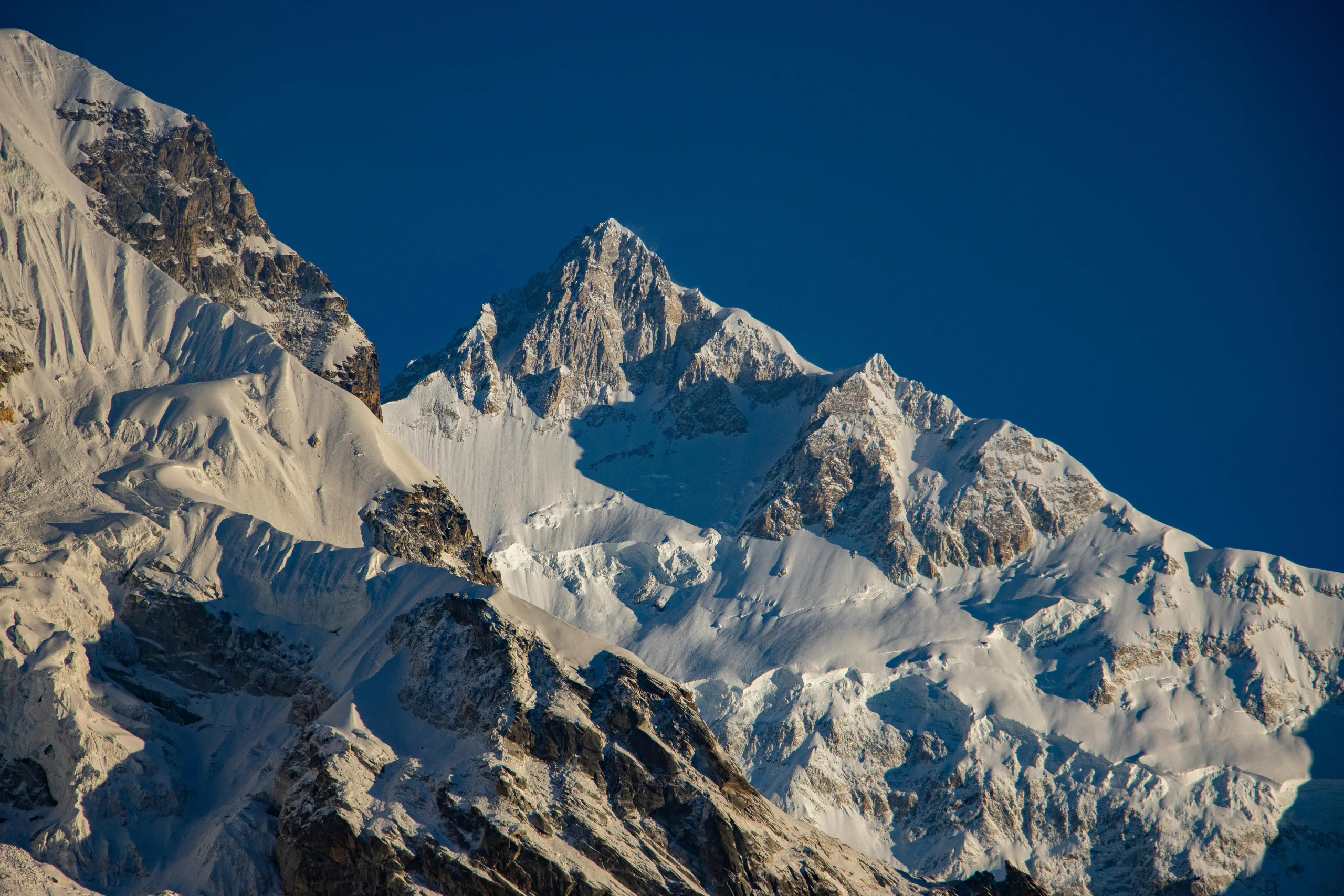
The Kanchenjunga North Trek takes you to one of the most remote, pristine places in Nepal and is an incredible adventure for trekkers seeking solitude and pristine beauty. From the lowland subtropical forests, passing through alpine meadows, you will slowly climb to greater heights, where the scenery changes to all that majestic scenery of mountain views, sequestered villages, and biodiversity. It's like walking through deep valley floors, fording raging rivers, and skirting glaciers, with Kanchenjunga staring you in the face and giving a rare, unspoiled view among the great highest summits.
The trek is a cultural experience as well as a challenge. You will meet ethnic communities, mainly Limbus and Sherpas, encouraging you to glimpse their somewhat traditional lifestyles and ways of living. On the way, you visit monastery sites hidden from view, as well as sacred areas that enable and encourage you to experience some of the more spiritual essence of the Himalayas. The Tibetan influence is seen in local architecture, food, and daily living, adding cultural experiences to your adventure. Since the trek is more remote, you should experience a genuine mountain lifestyle away from the more popular trekking routes crowded with deep tourists.
Step with Blaze Mountain on this unique trek to Kanchenjunga North and discover serenity, adventure, and culture. It's not merely sensational views Kanchenjaunga North Trek leads to a feeling that perhaps goes further than aesthetics, with most wild places giving few travelers but enough rare gems like those yours for an affordably wondrous experience of the Himalayan spirit.
The Kanchenjunga North Trek is a marvelous journey in one of the untouched and off-the-beaten places in Nepal. The adventure starts from Kathmandu and heads to Suketar. It traverses through lush forests, terraced agriculture, and the picturesque villages of Lali Kharka, Khesewa, and Yamphudin. Once you ascend, the beauty of the grand Kanchenjunga, third highest peak in the world, unfolds. There is enough time to acclimatize, especially in Cheram, where the trekkers can explore the neighboring peaks and rest before further climbing.
The trail continues to Pang Pema, the prime corner of this trek, where you reach Kanchenjunga North Base Camp and get around fantastic views of Kanchenjunga and peak surroundings. The trek continues retracing back to Suketar, whence you take a flight back to Kathmandu. A truly remote trek for trekkers looking for an authentic and, at the same time, challenging Himalayan experience, off the beaten path.
Short Itinerary
- Day 1: Arrival in Kathmandu (1,400 m) – Welcome to Nepal! As soon as your plane lands, the fresh Himalayan…
- Day 2: Fly to Bhadrapur and Drive to Ilam (1,700 m) – After breakfast, take a scenic flight from Kathmandu to Bhadrapur. Upon arrival,…
- Day 3: Drive from Ilam to Taplejung (1,820 m) – Today's journey continues deeper into the eastern hills. The winding road passes…
- Day 4: Drive to Sekathum (1,650 m) and Trek to Amjilosa (2,510 m) – After an adventurous off-road drive to Sekathum, your trek officially begins. Following…
- Day 5: Trek from Amjilosa to Gyabla (2,730 m) – The trail climbs steadily through thick forests where colorful birds and rare…
- Day 6: Trek from Gyabla to Ghunsa (3,595 m) – Today's trail passes beautiful pine forests, open meadows, and ancient mani walls…
- Day 7: Acclimatization Day at Ghunsa – To help your body adjust to the higher elevation, today is dedicated…
- Day 8: Trek from Ghunsa to Khambachen (4,050 m) – Leaving the forests behind, the trail enters a dramatic alpine landscape. Massive…
- Day 9: Acclimatization Day at Khambachen – Another important acclimatization day allows your body to prepare for even higher…
- Day 10: Trek from Khambachen to Lhonak (4,780 m) – Today's trail follows glacial moraines and barren alpine terrain as vegetation gradually…
- Day 11: Trek to Kanchenjunga North Base Camp (Pangpema) (5,143 m) and Return to Lhonak – This is the highlight of the entire trek. Early in the morning,…
- Day 12: Trek from Lhonak to Ghunsa (3,595 m) – Leaving the high alpine wilderness behind, retrace your steps through Khambachen and…
- Day 13: Trek from Ghunsa to Gyabla (2,730 m) – Continue descending through beautiful forests filled with pine, fir, and rhododendron trees.…
- Day 14: Trek from Gyabla to Amjilosa (2,510 m) – Following the same scenic trail, cross suspension bridges and rivers while enjoying…
- Day 15: Trek to Sekathum and Drive to Taplejung – Complete the final section of the trek to Sekathum before boarding your…
- Day 16: Drive from Taplejung to Bhadrapur – Enjoy one final scenic drive through eastern Nepal's rolling hills, rivers, villages,…
- Day 17: Fly from Bhadrapur to Kathmandu – Take a short morning flight back to Kathmandu. The rest of the…
- Day 18: Final Departure – Your unforgettable Kanchenjunga North Trek with Blaze Mountain comes to an end…
About Trip:
The Kanchenjunga North Trek takes you to one of the most remote, pristine places in Nepal and is an incredible adventure for trekkers seeking solitude and pristine beauty. From the lowland subtropical forests, passing through alpine meadows, you will slowly climb to greater heights, where the scenery changes to all that majestic scenery of mountain views, sequestered villages, and biodiversity. It's like walking through deep valley floors, fording raging rivers, and skirting glaciers, with Kanchenjunga staring you in the face and giving a rare, unspoiled view among the great highest summits.
The trek is a cultural experience as well as a challenge. You will meet ethnic communities, mainly Limbus and Sherpas, encouraging you to glimpse their somewhat traditional lifestyles and ways of living. On the way, you visit monastery sites hidden from view, as well as sacred areas that enable and encourage you to experience some of the more spiritual essence of the Himalayas. The Tibetan influence is seen in local architecture, food, and daily living, adding cultural experiences to your adventure. Since the trek is more remote, you should experience a genuine mountain lifestyle away from the more popular trekking routes crowded with deep tourists.
Step with Blaze Mountain on this unique trek to Kanchenjunga North and discover serenity, adventure, and culture. It's not merely sensational views Kanchenjaunga North Trek leads to a feeling that perhaps goes further than aesthetics, with most wild places giving few travelers but enough rare gems like those yours for an affordably wondrous experience of the Himalayan spirit.
The Kanchenjunga North Trek is a marvelous journey in one of the untouched and off-the-beaten places in Nepal. The adventure starts from Kathmandu and heads to Suketar. It traverses through lush forests, terraced agriculture, and the picturesque villages of Lali Kharka, Khesewa, and Yamphudin. Once you ascend, the beauty of the grand Kanchenjunga, third highest peak in the world, unfolds. There is enough time to acclimatize, especially in Cheram, where the trekkers can explore the neighboring peaks and rest before further climbing.
The trail continues to Pang Pema, the prime corner of this trek, where you reach Kanchenjunga North Base Camp and get around fantastic views of Kanchenjunga and peak surroundings. The trek continues retracing back to Suketar, whence you take a flight back to Kathmandu. A truly remote trek for trekkers looking for an authentic and, at the same time, challenging Himalayan experience, off the beaten path.
Trip Highlights:
- Reach the spectacular Kanchenjunga North Base Camp (Pangpema) at 5,143 meters, the closest viewpoint of the world's third-highest mountain.
- Witness breathtaking panoramic views of Kanchenjunga (8,586 m), Jannu (Kumbhakarna), Chang Himal, Ramtang Peak, and the Kanchenjunga Glacier.
- Trek through the pristine Kanchenjunga Conservation Area, home to rare wildlife including the red panda, Himalayan black bear, musk deer, and the elusive snow leopard.
- Walk through lush rhododendron forests, bamboo groves, alpine meadows, and dramatic glacial valleys with constantly changing landscapes.
- Experience the authentic culture and warm hospitality of the Limbu, Rai, Sherpa, and Tibetan-influenced communities.
- Visit traditional mountain villages such as Ghunsa, Khambachen, and Lhonak, where ancient Himalayan traditions are still preserved.
- Explore remote Buddhist monasteries, colorful prayer flags, chortens, and sacred mani walls along the trail.
- Cross numerous suspension bridges, crystal-clear rivers, and cascading waterfalls throughout the journey.
- Enjoy one of Nepal's most secluded trekking experiences with fewer crowds than the Everest and Annapurna regions.
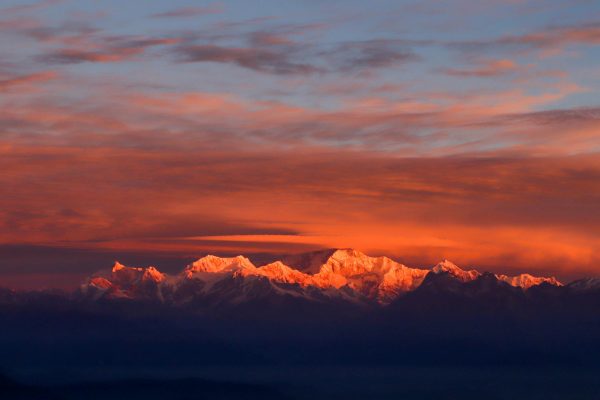
- Witness spectacular sunrises and sunsets illuminating the snow-covered Himalayan giants.
- Stay in traditional teahouses while experiencing genuine mountain hospitality and local cuisine.
- Perfect for experienced trekkers seeking an off-the-beaten-path Himalayan adventure filled with wilderness, culture, and unforgettable mountain scenery.
Best Season for this Trip:
Selecting the appropriate season is essential for safe and pleasurable travel on the high-altitude Kanchenjunga North Trek. The following seasons are ideal for this trek:
Autumn (September to November)
The fall season is regarded to be the best trekking season in Nepal, with Kanchenjunga North Trek also falling under this. The weather will be clear and stable, with bright sky and stunning mountain views. The temperatures are moderate, making trekking to be comfortable, and trail conditions generally dry. This season will also see colorful autumn leaf change, making the trek even more beautiful. Being the peak trekking season in Nepal, there is good trekking infrastructure and many other trekkers on the trail for making it a dynamic and social affair.
Spring (March to May)
Spring is also another fine season for trekking in the Kanchenjunga area. With mild and comfortable trekking conditions, temperatures are neither too hot nor too cold. Spring ushers in blooming rhododendron forests and diverse wildflowers, providing a visual treat during the walks or treks. The weather is stable and skies usually clear, therefore, a great timing to witness the distant panoramas of the mountains. Spring is a little less crowded than autumn, so much quieter and calmer on the trail.
Winter (December to February)
Trekking in winter can be challenging but also rewarding to trekkers with enough experience. As the temperature drops significantly, lower temperatures at higher altitudes can result in slippery and navigationally tricky trails due to snowfall. The advantage of winter trekking remains the fewer trekkers-thus more solitary and serene experience. Clear skies in winter often provide the best mountain views, crisp and free of monsoon haze. Winter trekkers have to be prepared for the cold with proper clothing and equipment for winter trekking.
Monsoon (June to August)
The monsoon season is the time when the Karongja North Trek should be avoided at all costs since heavy rains at this time make the trails muddy and slippery. The monsoon also increases the risk of landslides and flaying, especially in more remote areas. This is, naturally, a humid time of the year with cloud cover blocking the views of the beautiful mountains, with visibility being poor. However, this season might be considered suitable for themselves to trek, given less tourism and a bit rough trek. One just has to plan wisely and expect to get wet, in case of choosing this monsoon trek.
Food and Accommodations on Trip:
Meals are usually served in regional teahouses and lodges along the Kanchenjunga North Trek route. The cuisine is straightforward yet filling, meant to provide hikers the energy they require for the daily climb.
Breakfast: The majority of teahouses serve a range of breakfast options, including as porridge, eggs, toast, pancakes, and regional specialties like "dal bhat" (rice and lentil soup). Juice, tea, and coffee are also offered. Lunch: Hot meals including noodle soup, rice with lentils and veggies, momo (dumplings), and chow mein (stir-fried noodles) are typically offered along the way. Dinner: Trekkers may anticipate filling dishes like rice, pasta, veggies, or dal bhat in the evening. While vegetarian meals are more popular, meat dishes are accessible in certain places, but they can become scarcer as you go higher. Snacks: Some teahouses sell energy bars, chocolates, nuts, and fruits, which may be bought on the way.
The basic, family-run teahouses or lodges along the Kanchenjunga North Trek route offer lodging. Trekkers may rest and refuel in these cozy teahouses after a strenuous day of hiking through their welcome atmosphere.
Basic lodges: In the lower regions of the trek, you can find more comfortable lodgings with private rooms or dormitory-type sleeping arrangements. As the trek ascends in altitude, accommodations become more basic, offering shared rooms that overall may have little furnishing and very basic bedding. Facilities: Most teahouses provide basic facilities, such as a shared dining area where trekkers can eat together and meet other trekkers. In some areas, especially at higher altitudes, electricity may be limited, and it may not be possible to take a shower. Hot water for washing and charging electronic devices is often available upon payment of a small fee. Altitude and Comfort: While the trek progresses into higher elevations, the teahouses that serve as lodgings are also more basic. Accommodation at a place like Pang Pema might be crude, amenities limited, yet the warmth and hospitality of the local hosts will make your stay a good one.
Includes / Excludes
Includes:
- ✓ Airport pick-up and drop-off by private vehicle.
- ✓ All ground transportation as per the itinerary.
- ✓ Domestic flights (if required by the itinerary) and airport taxes.
- ✓ Twin-sharing accommodation in Kathmandu with breakfast.
- ✓ Comfortable teahouse/lodge accommodation during the trek.
- ✓ Three freshly prepared meals a day (Breakfast, Lunch, and Dinner) during the trek.
- ✓ Seasonal fruits after dinner during the trek.
- ✓ Tea or coffee with breakfast throughout the trek.
- ✓ Experienced, government-licensed English-speaking trekking guide.
- ✓ Porter service (1 porter for every 2 trekkers, carrying up to 20 kg total).
- ✓ Guide and porter salaries, meals, accommodation, insurance, and equipment.
- ✓ Kanchenjunga Conservation Area Permit (KCAP).
- ✓ Restricted Area Permit (RAP) for the Kanchenjunga region.
- ✓ TIMS Card (if required by current regulations).
- ✓ Comprehensive first aid kit carried by the guide.
- ✓ Duffel bag and trekking map (returned after the trek if applicable).
- ✓ All applicable government taxes and service charges.
- ✓ Official trip completion certificate from Blaze Mountain.
Excludes:
- ✗ International airfare and Nepal entry visa fees.
- ✗ Travel insurance (mandatory and must cover high-altitude trekking and emergency helicopter evacuation).
- ✗ Lunch and dinner while staying in Kathmandu.
- ✗ Personal trekking equipment and clothing.
- ✗ Personal expenses such as snacks, chocolates, soft drinks, bottled water, and alcoholic beverages.
- ✗ Hot showers, Wi-Fi, charging electronic devices, and laundry services during the trek.
- ✗ Tips for the guide, porter, and driver (highly appreciated).
- ✗ Personal medical expenses and medications.
- ✗ Extra accommodation or meals due to early arrival, late departure, flight delays, weather conditions, or itinerary changes.
- ✗ Emergency rescue, evacuation, or medical treatment costs not covered by insurance.
- ✗ Any services not specifically mentioned under Cost Includes.
Detailed Itinerary of Kanchenjunga North Trek:
Day 1: Arrival in Kathmandu (1,400 m)
Day 2: Fly to Bhadrapur and Drive to Ilam (1,700 m)
Day 3: Drive from Ilam to Taplejung (1,820 m)
Day 4: Drive to Sekathum (1,650 m) and Trek to Amjilosa (2,510 m)
Day 5: Trek from Amjilosa to Gyabla (2,730 m)
Day 6: Trek from Gyabla to Ghunsa (3,595 m)
Day 7: Acclimatization Day at Ghunsa
Day 8: Trek from Ghunsa to Khambachen (4,050 m)
Day 9: Acclimatization Day at Khambachen
Day 10: Trek from Khambachen to Lhonak (4,780 m)
Day 11: Trek to Kanchenjunga North Base Camp (Pangpema) (5,143 m) and Return to Lhonak
Day 12: Trek from Lhonak to Ghunsa (3,595 m)
Day 13: Trek from Ghunsa to Gyabla (2,730 m)
Day 14: Trek from Gyabla to Amjilosa (2,510 m)
Day 15: Trek to Sekathum and Drive to Taplejung
Day 16: Drive from Taplejung to Bhadrapur
Day 17: Fly from Bhadrapur to Kathmandu
Day 18: Final Departure
Frequently Asked Questions
Find answers to the most common questions about our tours, trekking, and travel services.
Map:
Tour Images