
[Trip_Info_Shortcode id=’13499′]
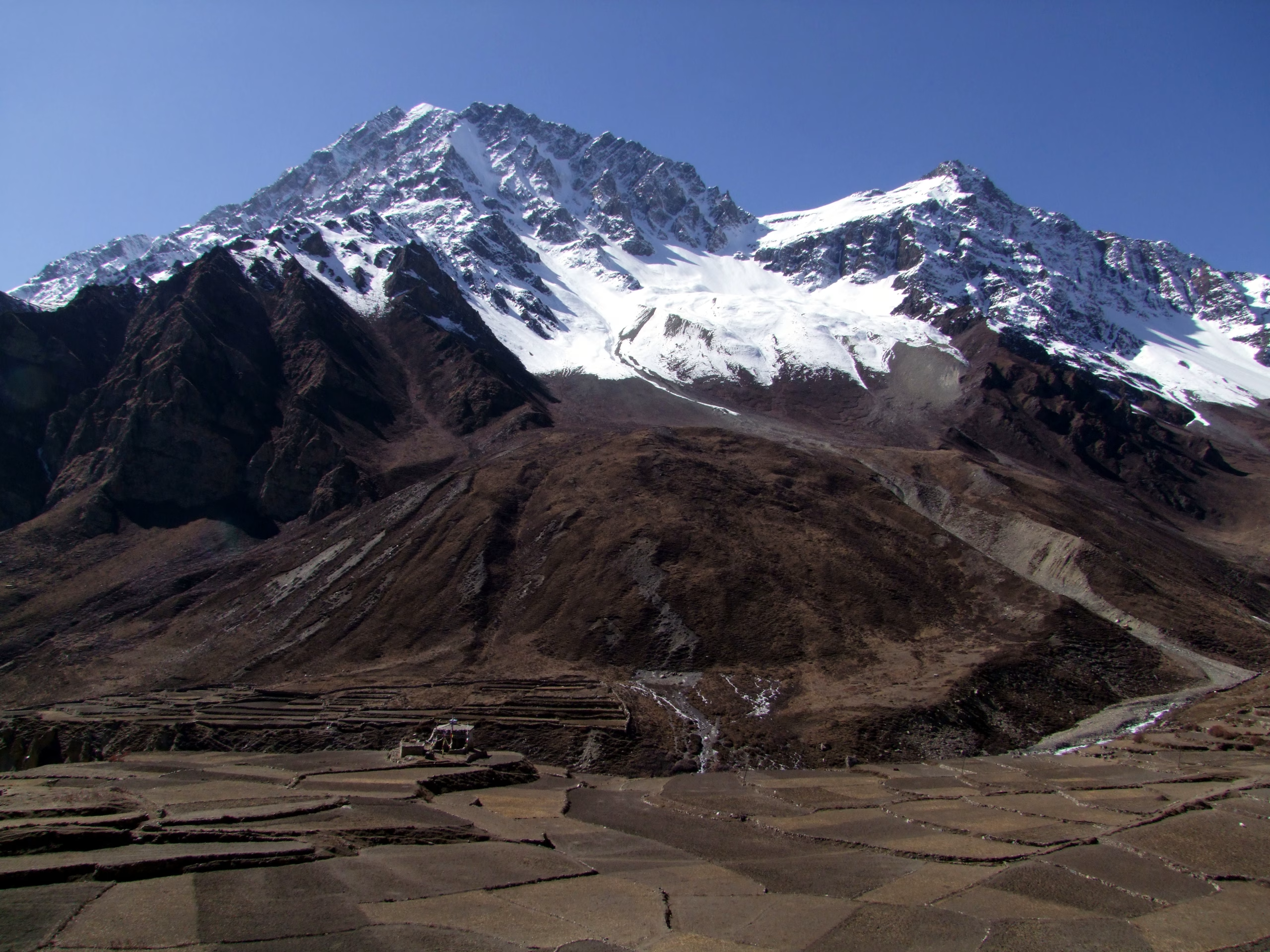
Pisang Peak Climbing-located in the Annapurna region of Nepal-is a large-sized adventure for mountaineers. This snow-covered peak gives climbers spectacular views of Annapurna, Manaslu, and other beautiful Himalayan peaks. Standing at an altitude of 6091 meters. This climb presents itself with great challenges that put to the test one’s technical abilities and physical stamina. The climb begins with a beautiful drive from Kathmandu to Besisahar. It proceeds with a trek through beautiful villages and lush forests. And ascends into scenery ranging from green valleys to rugged high-altitude terrain characteristic of the Annapurna region.
Climbing these heights is one of the more demanding jobs in the world. From here, trekkers journey from Base Camp to High Camp. Following steep and rocky paths that require physical prowess and technical ability. The last day is a thrill; every single step toward the summit is a reward in itself! The tops give the climbers an unsurpassed crescendo of uninterrupted panoramic views of Annapurna II, Gangapurna, and many others! The other reward of exhilaration on the summit is a great vantage point for all that surround it with peaks.
When they finish the summit, they can begin to descend while still absorbing the beauty offered in this region. The journey will take trekkers through the cultural capital of Manang and the holy atmosphere of Muktinath for a real experience of local culture. The trek culminates with a flight from Jomsom back to Pokhara for a leisurely ending to an unforgettable holiday. Ideal for experienced climbers looking for a dash of adventure combined with culture and spectacular views of the Himalayas, Pisang Peak Climbing.
Treknote: Pisang Peak Climbing
Quite strenuous, but, as they say, no pain, no gain! The Pisang Peak Climbing expedition in the Annapurna region of Nepal is ideal for trekkers who wish to set eyes on the awe-inspiring vistas of Annapurna, Manaslu, and other magnificent, towering giants. Standing at the unimposing height of 6091m, it is this very combination of technical difficulty and breathtaking landscape that beckons climbers to attempt this peak. The adventure of Pisang Peak begins with an interesting drive from Kathmandu to Besisahar, followed by an arduous trek through picturesque villages, lush forests, and, in the last stages, alpine terrain. As the elevation rises, lower-altitude scenery turns into lofty, dramatic high-altitude landscapes, all creating an unforgettable Himalayan experience.
The climb presents not only a tough trekking duration but is also quite technically demanding. At the point of base camp, climbers will spend a day acclimatizing at high camp, followed by their final attempts at the summit. In terms of demanding perseverance, commitment, and technical climbing accomplishment, a grand reward awaits-one that withholds nothing of value from its vantage point at the summit! The trek descends past cultural Manang and the restorative Muktinath before locals grasp the chance to introduce their traditions. A flight from Jomsom to Pokhara will conclude the entire tour peacefully-anything but an end to an unforgettable adventure.
Additional Information:
You can access full details regarding the Pisang Peak Climbing from our website. If you need any extra information or an extra service, feel free to contact us. To meet our agent, please follow the link, and/or if you want to talk to us directly, you can call our office at 01-4522505.
Specialty of Pisang Peak Climbing
Climbing Pisang Peak is a unique combination of excellent mountaineering and an introduction to the breathtaking splendor of the Annapurna region. At 6091 meters, it offers a rather technical climb, requiring both skill and physical endurance. The trek passes through beautiful scenery-from lush valleys to ragged, snow-covered peaks—diverse scenery and a rich Himalayan experience. Trekking involves passing numerous traditional villages, thus exposing one to a different lifestyle and their special culture.
Pisang Peak climbing is unique because it is high-altitude trekking blended with technical climbing. The plan is to ascend gradually through the lower altitudes to enable an acclimatization period for climbers before attempting the summit. An ascent thus involves steep, rocky paths and snow-covered parts, making it challenging but rewarding. Reaching the summit is a big achievement with breathtaking panoramic views of the surrounding Annapurna, Manaslu, and Gangapurna mountains; this all creates a lifetime experience for adventure seekers.
The cultural aspect also makes the trip a specialty of climbing Pisang Peak. Visit villages like Pisang, Manang, Muktinath, and many other places you will cross, and your chance to experience local traditions and customs increases. The towns are a fusion of Tibetan Buddhist culture and the hospitality of the Nepalese. Thus, culture combined with a robust and arduous physical challenge adds an element of multifaceted adventure to the clime, with thrill and mountaineering being coupled with Himalayan culture.
Is Pisang Peak Climbing Right for Trekkers and Climbers?
- Pisang Peak Climbing is ideal for experienced trekkers and climbers who are seeking a challenging yet rewarding mountaineering adventure.
- It requires a good level of fitness and prior trekking experience in high-altitude environments but doesn’t demand advanced technical climbing skills.
- The ascent involves navigating steep, rocky terrain and snow-covered paths, making it suitable for individuals with experience in trekking or technical climbs.
- The trek provides ample time for acclimatization, making it accessible for climbers with solid trekking experience but no advanced mountaineering skills.
- The journey through the Annapurna region combines cultural exploration with natural beauty, offering a diverse experience for climbers who enjoy both trekking and mountaineering.
- Pisang Peak may not be suitable for beginner trekkers or climbers who lack the physical fitness and mental preparation needed for high-altitude environments.
- Climbers without prior mountaineering experience should consider undergoing training before attempting the summit climb.
- For those who are comfortable with basic trekking but lack technical climbing experience, the summit climb may present challenges.
- Overall, Pisang Peak Climbing is a great choice for experienced trekkers and climbers who are ready for a new challenge with stunning views.
Best Seasons for Pisang Peak Climbing
The best time to climb Pisang Peak is during the pre-monsoon and post-monsoon seasons, when the weather is generally stable and the views are clear. However, each season has its own characteristics, which can significantly affect your experience. Here’s a breakdown of what you can expect in each season:
- Spring: March to May
Spring constitutes the best climbing season for Pisang Peak. The mild weather and moderate temperatures offer the opportunity to enjoy clear sights of Annapurna, Manaslu, and many other surrounding peaks. The flowering trekking trail, along with the glorious view, makes the journey even more appealing. Spring is best suited for those who want to avoid the extremes and enjoy stable weather. - Summer: June to August
This period is not to be preferred for climbing Pisang Peak; summer denotes the onset of the monsoon, when heavy rainfall causes the trekking trails to become slippery and warns of landslides. Clouds and fog often obscure the views, and heavy showers on the day may create obstacles on the terrain at high altitude. We should best avoid climbing anywhere in the region during this time. - Autumn: September to November
Autumn is yet another peak season for a Pisang Peak climb. The weather is nice and stable with clear skies and comfortable temperatures, making it the right time for trekking and climbing. Along with that, the trails are in perfect condition post-monsoon rains, and the clear views of the snow-capped peaks are a sight to behold. Trekking in autumn is a lovely experience, the best time for trekkers and climbers because of its convenient weather. - Winter: December to February
Winter is the coldest season for Pisang Peak climbing, when temperatures plummet, especially at high altitudes. Snow and ice make climbing harder, and the bitter cold sets in, especially at Base Camp and High Camp; however, breathtaking views and uncrowded trails make winter an attractive proposition. One just has to consider well-prepared climbers well-prepared for extreme cold and hazardous conditions. Winter is best for experienced climbers ready for cold and difficult conditions.
Climate and Weather Conditions During Pisang Peak Climbing
| Altitude | Day Temperature | Night Temperature | Weather Conditions |
|---|---|---|---|
| Besisahar (800m) | 15°C to 20°C | 5°C to 10°C | Mild, warm days with cool nights. Clear skies and minimal rainfall. |
| Chamje (1,430m) | 12°C to 18°C | 4°C to 7°C | Warm days with cooler nights. Generally clear weather, ideal for trekking. |
| Dharapani (1,960m) | 10°C to 16°C | 2°C to 5°C | Moderate temperatures, clear skies. Nights get colder, but manageable for trekking. |
| Manang (3,540m) | 5°C to 10°C | -2°C to 2°C | Cooler temperatures with chilly nights. Mostly clear weather, but getting colder. |
| Base Camp (4,380m) | 5°C to 10°C | -5°C to -10°C | Cold daytime temperatures, with freezing nights. Clear weather, snow risk at night. |
| High Camp (5,400m) | -2°C to 0°C | -10°C to -15°C | Extremely cold days with windy conditions. Nights are freezing with snow accumulation. |
| Summit (6,091m) | -5°C to -10°C | -15°C to -20°C | Very cold, with freezing temperatures. Clear skies, but harsh winds and snow risks. |
| Winter (All Altitudes) | -5°C to -10°C (varies by altitude) | -15°C to -25°C (varies by altitude) | Extremely cold across all altitudes. Clear skies, snow accumulation, and high winds. |
Local Culture and Tradition Around Pisang Peak
Pisang Peak is a culturally diversified region, and its local people mostly belong to the communities of Tibetan-Buddhist culture. Trekking through the Annapurna Circuit, the trekker is introduced to an unusual living experience in the villages that is unique, such as those of Pisang, Manang, and Muktinath, where Tibetan customs and influences of Nepalese life are perfectly blended. The people in this area have engaged in cultivation and livestock and trading while they are spiritually busied with Buddhism. The region is littered with ancient monasteries, chortens, and prayer wheels integrated into everyday life and spirituality, within which visitors can eventually watch monks perform certain prayers and rituals, a reflection of the sacrosanct traditions of the region.
Part of the many wonderful sites is the spiritual aspect of the culture; it is complemented by the hospitable nature of the people of these areas. The local people continue to serve a warm and welcoming attitude toward trekkers and climbers, allowing one to experience their culture more. Culture is also in the plate, as in what constitutes their staple food from barley, buckwheat, and yak meat. In fact, in the high altitudes, one finds flat-stone-roofed houses made of stone with beautiful wood that adds glory to the shape of the habitat. The farther you go towards higher altitudes, the more you will seem to be on the path of Tibetan prayer flags as well as monasteries, which truly provides wonderful, rich culture while climbing.
Food & Accommodation Facilities During Pisang Peak Climbing
Climbers and trekkers can find plenty of food and lodging alternatives while traveling to the top of Pisang Peak. In order to allow trekkers to recuperate and be ready for each demanding day of the climb, the amenities are made to be both comfortable and nourishing. The experience is greatly improved by the friendly hospitality of the local populations, particularly the Gurung and Sherpa. Meals are carefully prepared to meet the nutritional needs of those trekking at high altitudes, and accommodations mainly consist of rustic tea houses and lodges, offering a cozy resting place for climbers.
Food Options
The food along the Pisang Peak climbing route is designed with the high-energy needs of trekkers in mind. As you ascend to higher altitudes, meals become more focused on providing sustenance and warmth, with an emphasis on calorie-dense and easily digestible options to keep you energized.
- Dal Bhat (Lentil Soup and Rice): A Nepali staple, dal bhat offers a complete balance of carbohydrate, protein, and fiber—ideal for those extended trekking days.
- Momos: Steamed or fried vegetable or meat dumplings, offering a quick, tasty snack to refuel during breaks.
- Sherpa Stew: A thick, hearty stew, typically made with potatoes, vegetables, and meat—great for warming up after a tiring day.
- Puffed Rice/Levy Food: A sweet, high-calorie snack made from rice, sugar, and butter, it is an excellent source of energy during cold climates.
- Noodles and Soup: Light and nutritious, these are commonly consumed on colder nights to warm and nourish the climbers.
- Snacks: Biscuits, chocolate bars (Snickers bars especially), and energy bars provide a quick source of energy.
- Hot drinks like tea and hot chocolate are perfect for a warm, comforting break.
Accommodation Options
Accommodation along the Pisang Peak climbing route is provided by local tea houses and simple lodges, ensuring trekkers have a comfortable place to rest each night.
- Tea Houses: Climbers overnight usually in tea houses that are family-owned and operated. These are cozy with wood stoves as the source of heat, but having a sleeping bag as an added comfort on colder nights is a good idea.
- Higher Altitude Shelter: As one climbs higher, tea houses become more primitive but still offer the comforts of warm bedding and communal rooms to sleep in.
- Room Types: Tea house rooms are typically shared, but in the more populated regions, there are private rooms. In the outlying regions, climbers share accommodations, which are basic and clean.
- Common Restrooms: Basic shared restrooms, typically outside of the rooms, are offered. Squat toilets and minimal hot water availability, but these fulfill the climbers’ basic needs.
These food and accommodation options along the Pisang Peak climbing route strike a balance between comfort and practicality, ensuring that trekkers stay nourished and rested while experiencing the local hospitality and culture during this adventurous climb.
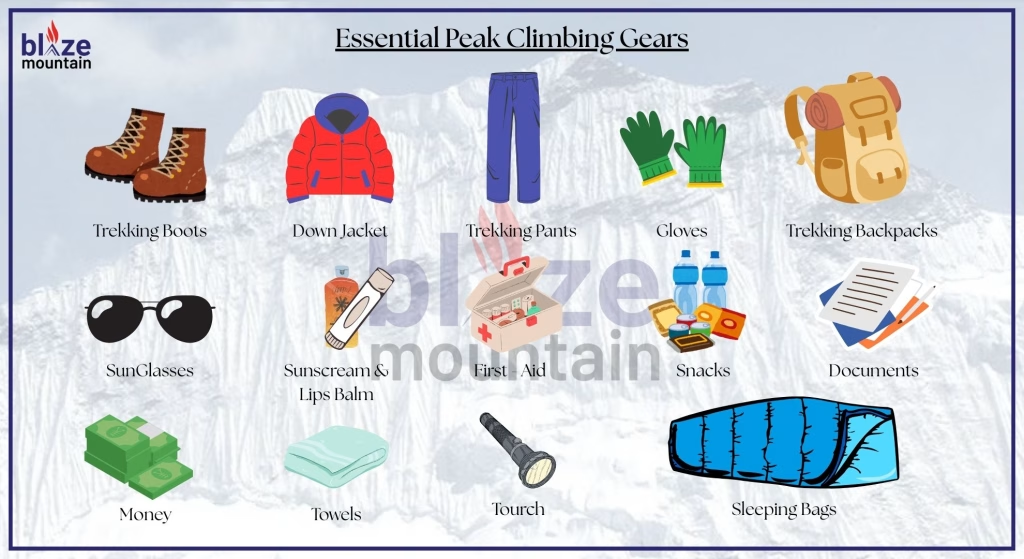
Essential Gear for Pisang Peak Climbing:
Why Choose Pisang Peak Climbing with Blaze Mountain?
Choosing to climb Pisang Peak with Blaze Mountain will be a priceless and memorable experience, giving professional guidance and personalized service at the same time. As local trekking company based in Nepal, Blaze Mountain is dedicated to making every moment safe and memorable for climbers regardless of skills level. Our expert guides, who have spent years cultivating their experience, will ensure that you are ready right from acclimatization, to all the technical assistance during the climb. Your safety, comfort, and authentic cultural experience are guaranteed throughout the adventure.
Pillage Mountain is accused of offering carefully considered itineraries that keep the soul and body in preparation together for conquering their desired summit. In terms of knowledge of the landscape and weather-related changes within the region as well as local culture, we ensure a successful and exciting experience. Our personalized services include high-quality food; all the comfort at the well-placed accommodations and singular support during trekking will make your adventure memorable and stress-free. All this and much more make you conquer the heights of Pisang Peak with nature and culture in collision with the beauty of the Annapurna region.