
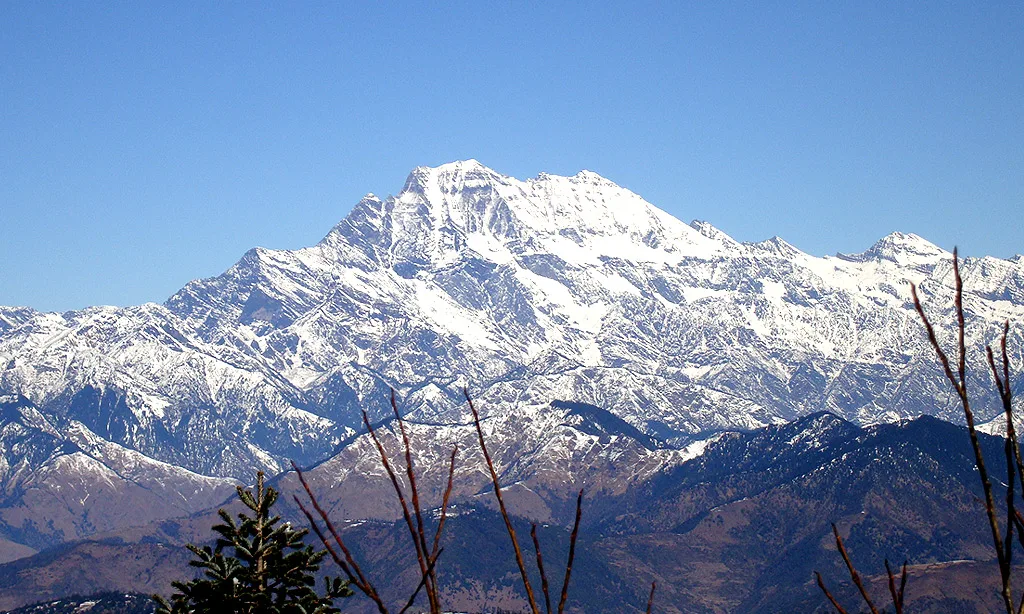
Jaljala Pass Trek - 13 Days

Jaljala Pass Trek note:

Jaljala Pass Trek is a moderate trek offering quite an untravelled adventure. The steep ascents and descents make the trail really fit for those who have basic fitness levels. Spring March to May and autumn September to November is the best season to trek here when the climate is serene and mountain beauty is at its peak. It gains pretty high altitude; thus, proper acclimatization is needed. Accommodation varies from mainly teahouses to camping with very basic facilities in the remote areas. The weather condition may vary at any time, so accordingly, the trekkers need to be prepared with proper trekking gear.

Additional Information:

You can access full details regarding the Jaljala Pass trek from our website. If you need any extra information and extra service,, feel free to contacts. To meet our agent,, please follow the link,, and/or if you want to talk to us directly, you can call our office at: +01-4522505.


Best Season to Visit Jaljala Pass Trek:
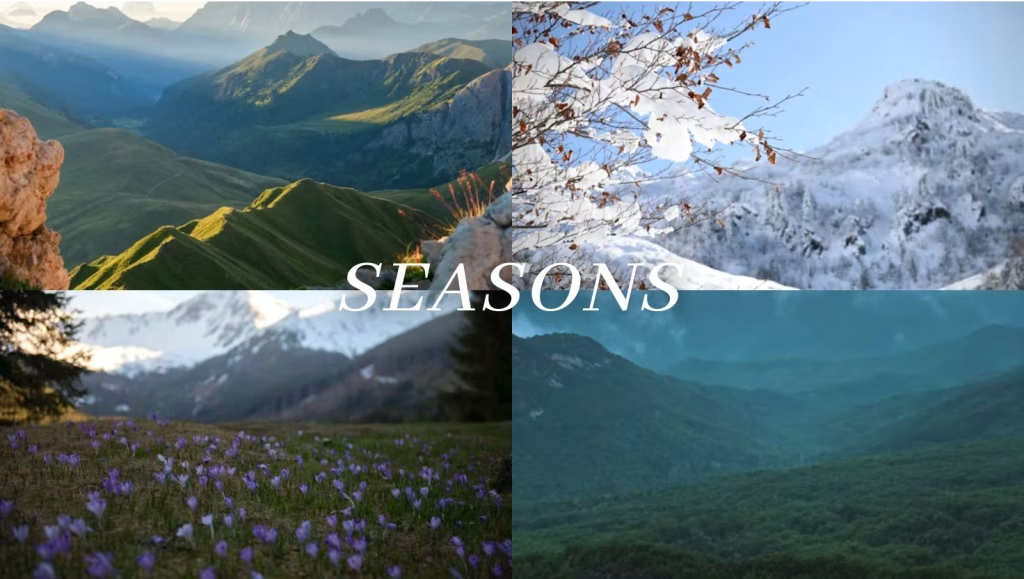
Api himal expedition Seasons Fixed Departure Trek

Although monsoon (June–August) and winter (December–February) are less ideal owing to severe weather, spring (March–May) and fall (September–November) are the finest seasons to trek Jaljala Pass. Below is a summary of every season:

  • Spring (March–May):
    Spring is considered one of the best seasons for trekking at Jaljala Pass. Rhodendrons bloom colorfully, adding to the trail’s beauty and giving a spectacular backdrop to the trek. The temperature during the day lies between 12°C and 20°C, which is perfect for walking. The clear sky gives breathtaking views of the Dhaulagiri, Annapurna, and Gurja Himal ranges. Moreover, great opportunities for spotting wildlife add to the adventure during this season.
  • Autumn (September–November):
    Autumn is another great time for the trek, as the temperatures are cool and the air is crisp. The post-monsoon freshness cleans up the skies, and the views of the mountains are clear. The trails are dry and firm, making it safe and easy to trek. This season is also a better time to trek because it is less crowded than in the spring. The weather stays pleasant, with temperatures cool enough for comfort without being too harsh.
  • Monsoon (June–August):
    This is not a very good time to go trekking as it faces heavy rainfall that makes the ways slippery, and sliding of rocks is also common. Moreover, the view of the mountains can be hidden due to cloud cover, limiting the visibility area. It will surely call for more precautions while trekking, as the wet conditions may make the way slippery.
  • Winter (December–February):
    It is also a tough time to trek because of the extreme cold and possible heavy snowfall. The temperatures go down tremendously, and more so at the higher elevations, making the trek rather uncomfortable. Some parts of the trail may not be passable because of snow, and the coldness may not allow pleasant camping or teahouse stay-ins. While the views could still be spectacular, it can also be a bit physically hard and involve some gear that caters specifically to such cold conditions.

Food and Accommodation for Jaljala Pass Trek:

Food

During the Jaljala Pass Trek, different types of traditional Nepali food and Tibetan food can be found, mainly in teahouses and lodges that fall en route. The food provided to them will include local ingredients mainly so that authentic mountain food is tasted.

  1. Type of Food
    • A staple in Nepal, Dal Bhat is a hearty rice-lentil stew that gives you the stamina you need for long days of hiking.
    • Momo: A common snack in Nepal, momo are dumplings that are frequently filled with meat or veggies.
    • Tibetan Bread: Typically consumed with tea or for breakfast, this bread is served with butter or jam.
    • Chapati: A kind of flatbread that’s typically eaten with lentils or curries.
    • Noodles and Soup: Along the path, quick and simple meals are frequently available in a variety of ways.
    • Vegetarian and Non-Vegetarian Options: Although vegetarian food is commonly offered, certain establishments could also provide meat-based dishes like yak or chicken.
    • Hot Drinks: During chilly mornings and nights, tea, coffee, and hot chocolate are popular choices and a terrific way to stay warm.

The quality and variety of food improve as you get closer to more populated areas, but in remote sections, the options may be limited to basic dishes like dal bhat and noodles.

Accommodation

Teahouses and local lodges are the usual lodging options for the Jaljala Pass Trek, providing hikers with a simple yet cozy place to stay after a strenuous day of hiking. The teahouses offer a chance to engage with locals and learn about the local way of life.

  1. Type of Accommodation:
    • Trekkers can relax, dine, and spend the night at teahouses, which are basic guesthouses. Although accommodations can be shared with other hikers, they provide basic amenities like a bed and blanket. There may be common restrooms at certain teahouses.
    • Local lodges are comparable to teahouses, but in certain respects they have significantly greater amenities. Private rooms and basic amenities like power for phone charging are examples of these.
    • Camping: If teahouses aren’t available in some parts of the walk, you could have to tent. Tents, camping supplies, and food for cooking must be brought by the campers.

Accommodations are very simple and basic, and the facilities are according to the altitude and location. The rooms are usually clean, but trekkers should not expect much during the entire trek, especially in the remote sections of the trek. Electricity and hot water are not available at the teahouses, and heating is minimal, so it is best to pack accordingly for cold nights.

Health, Safety, and Tips for Jaljala Pass Trek:

Health Considerations

During the Jaljala Pass Trek, one must always be conscious of altitude sickness and general health precautions. There are massive ascents in the trekking routes, so acclimatization should be done properly to avoid health hazards such as AMS. Symptoms include headache, dizziness, nausea, and shortness of breath. Rest days should be taken; hydration should be ample, and one should go up gradually in order to minimize this risk.


It is also extremely important to take water purification pills or a filter to have purified drinking water. Keep a diet balanced with digested and energized foods. There is a vital need for some basic first aid kit medication such as headaches, diarrhea, or common sickness medication. Anti-altitude sickness, such as Diamox-so long as this has been indicated by your physician is prudent and taken as precautions.

Safety Precautions

It is highly recommended to take the services of local guides and porters on these treks for the sake of safety. Guides can help in navigation, proper acclimatization, and in cases of emergencies. Always check the weather forecast beforehand. Start the trek; waterproof your gear to keep it safe from rain or snow.


Similarly essential will be travel and trekking insurance that covers medical evacuations, emergencies, and cancellation of trips. In such cases, the only way out may be by helicopter evacuation; therefore, this insurance is important. Knowledge of the location of various medical facilities or health posts on the trail may be useful besides carrying a satellite or mobile phone, as the connectivity at higher altitudes may be poor.

Other Safety Tips

  • Weather Preparedness: Bring rain gear for sudden downpours and warm layers for chilly evenings to be ready for any changes in the weather.
  • Wildlife: Although it’s uncommon to see wildlife, it’s nevertheless crucial to store food correctly to keep animals away.

Environmental Considerations and Responsible Trekking for Jaljala Pass Trek:

The Jaljala Pass Trek takes the trekkers through different zones of pure natural environment; it is part of one’s responsibility towards nature to protect the beauties and health of these areas. Proper waste management is important in that there is no proper system of disposal along the route; therefore, packing out all kinds of trash is necessary, and using reusable water bottles may minimize plastic waste. Besides, flora and fauna should not be disturbed. For this, tourists should take only the pathways, should not pick up any plants, and should not feed the animals. The water source may be minimal.

The responsible trekking habit not only sustains this area for Jaljala Pass Trek but is also respectful toward the local people and environment. One can contribute to the local economy financially by staying in teahouses or buying from the local vendors and also conserve the cultural heritage. They are also expected to uphold the local culture, whereby no picture of any person or holy place is taken without permission, as well as dress modestly whenever in villages. The use of biodegradable soaps shall also reduce the environmental impacts by sticking to set paths. No disturbance to the surroundings should be caused, by keeping noise minimal and keeping distance from wild animals.

Best Trekking Gear for Jaljala Pass Trek:

Having the appropriate equipment is crucial for the Jaljala Pass Trek in order to guarantee comfort, safety, and preparedness for a range of weather situations. The essential hiking equipment for this journey is listed below:

  1. Clothing
    • Base Layer: Moisture-wicking thermal wear to keep you dry.
    • Insulating Layer: Fleece or down jacket for warmth.
    • Outer Layer: Waterproof and windproof jacket and pants to protect against rain and cold.
  2. Footwear
    • Trekking Boots: Waterproof boots with ankle support for rocky and uneven terrain.
  3. Backpack
    • Daypack: Lightweight (20–30 liters) for carrying daily essentials.
    • Main Backpack: Larger (40–60 liters) with rain cover for carrying gear.
  4. Sleeping Gear
    • Sleeping Bag: Rated for temperatures around -5°C to -10°C.
    • Sleeping Pad: Provides cushioning and insulation from the cold ground.
  5. Accessories
    • Trekking Poles: For stability and reducing strain on knees.
    • Water Bottle: Reusable and durable to stay hydrated.
    • Headlamp: With extra batteries for early or late trekking.
    • Sunglasses: Polarized for UV protection at high altitudes.
  6. Health and Safety Gear
    • First Aid Kit: Essentials like pain relievers, antiseptic wipes, and blister pads.
    • Water Purification: Tablets or filter for safe drinking water.

This equipment is necessary to guarantee a comfortable and safe trip on the Jaljala Pass trip, allowing you to take pleasure in the experience while being weather-ready.

Best Things About Jaljala Pass Trek:

The Jaljala Pass Trek combines a blend of stunning natural beauty, rich cultural immersion, and adventure for a very unique and enriching experience. Among the highlights are the panoramic views of the Dhaulagiri, Annapurna, and Gurja Himal mountain ranges that reward the trekkers with breathtaking vistas from atop Jaljala Pass. This is the trek that actually connects with the Magar and Gurung communities, offering fantastic insight into their rich culture and traditions, as well as giving one the chance to experience warm reception.

Comparatively off from most of the other routes, this is off-the-beaten-path adventure travel, offering a lot of peace and quiet times, more connectivity with nature. It further offers diversified flora, including rhododendron, oak, and pine forests. It provides good opportunities to view wildlife, including the Himalayan tahr and musk deer. Although moderately hard, it is also highly rewarding due to major attractions found in the top view of Jaljala Pass. It gives a very wonderful relaxing experience with natural hot springs from tiredness in several days of trekking. Jaljala Pass Trek is indeed an ideal combination of adventure, culture, and nature.

Why Choose Blaze Mountain for the Jaljala Pass Trek?

The reason why Blaze Mountain is the best option for choosing to go on the Jaljala Pass Trek is that this is definitely an unusual, safe, and unforgettable trek. Professional and knowledgeable guides accompany clients in the Himalayas and share helpful knowledge about local culture and an environment that brings value to make the journey fulfilling. Personal attention will be granted to ensure it will be as you want-the comfort you seek on the trek. As an agency committed to taking sustainable treks, we are concerned about the environment and the local people, taking every step in an eco-friendly way.

We organize the itinerary very diligently, covering all areas of accommodation and meals for a hassle-free journey. The setup will be fully equipped with all safety factors like equipment, medical kits, and emergency contingency plans. As an agency with its roots deeply rooted in this place, we have a local feeling and contribute to the local economy. With Blaze Mountain, you are assured of a safe, responsible, and unforgettable Jaljala Pass Trek.

General Info

Group Size 2-12 Persons
Max Altitude 3600M
Trip Duration 13 Days
Accommodation 4/3 Star Hotel & Teahouse/Lodges
Trip Difficult Moderate
Trek Route
Meals BLD
Country Nepal

Trip Overview

Less frequented trekking trail of Dhaulagiri region, Jaljala Pass trekking is visited by only a few trekkers each year. Jaljala Pass is a recently opened trekking destination in Nepal and is known as one of the exotic off-beaten trails of the region. Sited in the western part of Nepal, Jaljala falls under the Thawang Village Development Committee of Rolpa district, the district that has a special relationship with the Maoist revolution. The Jaljala Pass trek also leads you to Dhorpatan, a popular place for wildlife hunting.


Along with hunting enthusiasts, Jaljala Pass is an enticing venture for trekkers and nature lovers as well. Also, the area is covered with lush forest of fir, pine, birch, rhododendron, hemlock, oak, juniper and spruce trees and houses hundreds of species of birds and animals like leopard, bears, Musk deer and wild boar, etc.


Jaljala Pass trekking provides a chance to explore some of the remote and unblemished areas of western Nepal. Which have been able to preserve their ancestral inheritances and traditions. The Jaljala Pass trek rewards the trekkers with fantabulous views of Mt. Dhaulagiri, Mt. Annapurna, Mt. Sisne, Mt. Putha, and other mountains. It is not necessary to have any trekking and hiking experience to venture into Jaljala Pass; all it takes is the ability to walk for a few hours and a considerable amount of physical fitness.


Blaze Mountain Adventure guarantees to provide you with a delightful service during the Jaljala Pass trek. Our professional and experienced guides are always ready to serve you throughout the trek. Also, we assure you that your Jaljala Pass trek with Blaze Mountain Adventure will be a lifetime experience. In case of any confusion or difficulties about the expedition in Nepal, feel free to make an inquiry; it would be our pleasure to provide you with a genuine and generous response. In case you want to book the trip or need information on the Jaljala Pass trek, feel free to contact us.

Short Itinerary

  • Day 1: Arrival in Kathmandu (1,400m) – Upon arrival at Tribhuvan International Airport, you will be warmly welcomed by…
  • Day 2: Drive/Flight Kathmandu to Pokhara (820m) – After breakfast, you will travel to Pokhara either by scenic tourist bus…
  • Day 3: Drive to Trek Starting Point and Trek to Dhumrighat – After an early breakfast, you will drive towards the trek starting point…
  • Day 4: Trek from Dhumrighat to Bhumdi – Todayu2019s trek continues through beautiful mid-hill landscapes filled with terraced fields, forests,…
  • Day 5: Trek to Jaljala Pass Base Camp – The trail becomes more remote and adventurous as you gain elevation towards…
  • Day 6: Acclimatization and Exploration at Base Camp – This day is kept for proper acclimatization, which is important for adjusting…
  • Day 7: Cross Jaljala Pass (Approx. 3,600m+) and Trek to Camp – Early in the morning, you will begin the most exciting and challenging…
  • Day 8: Trek from Camp to Gurja Gaon – Todayu2019s descent takes you through beautiful alpine landscapes, forested trails, and traditional…
  • Day 9: Trek from Gurja Gaon to Lulang – The trail continues through peaceful hillside paths surrounded by forests and farmlands.…
  • Day 10: Trek from Lulang to Shikha – Todayu2019s trek includes a mix of forest trails, stone paths, and traditional…
  • Day 11: Trek to Ghorepani – You will continue your ascent through dense rhododendron forests, especially beautiful during…
  • Day 12: Hike Poon Hill and Trek to Pokhara – Early morning hike to Poon Hill (3,210m) rewards you with one of…
  • Day 13: Return to Kathmandu – After breakfast, you will either drive or fly back to Kathmandu depending…

About Trip:

Less frequented trekking trail of Dhaulagiri region, Jaljala Pass trekking is visited by only a few trekkers each year. Jaljala Pass is a recently opened trekking destination in Nepal and is known as one of the exotic off-beaten trails of the region. Sited in the western part of Nepal, Jaljala falls under the Thawang Village Development Committee of Rolpa district, the district that has a special relationship with the Maoist revolution. The Jaljala Pass trek also leads you to Dhorpatan, a popular place for wildlife hunting.


Along with hunting enthusiasts, Jaljala Pass is an enticing venture for trekkers and nature lovers as well. Also, the area is covered with lush forest of fir, pine, birch, rhododendron, hemlock, oak, juniper and spruce trees and houses hundreds of species of birds and animals like leopard, bears, Musk deer and wild boar, etc.


Jaljala Pass trekking provides a chance to explore some of the remote and unblemished areas of western Nepal. Which have been able to preserve their ancestral inheritances and traditions. The Jaljala Pass trek rewards the trekkers with fantabulous views of Mt. Dhaulagiri, Mt. Annapurna, Mt. Sisne, Mt. Putha, and other mountains. It is not necessary to have any trekking and hiking experience to venture into Jaljala Pass; all it takes is the ability to walk for a few hours and a considerable amount of physical fitness.


Blaze Mountain Adventure guarantees to provide you with a delightful service during the Jaljala Pass trek. Our professional and experienced guides are always ready to serve you throughout the trek. Also, we assure you that your Jaljala Pass trek with Blaze Mountain Adventure will be a lifetime experience. In case of any confusion or difficulties about the expedition in Nepal, feel free to make an inquiry; it would be our pleasure to provide you with a genuine and generous response. In case you want to book the trip or need information on the Jaljala Pass trek, feel free to contact us.

Trip Highlights:

  • Experience the breathtaking panoramic views of the Dhaulagiri, Annapurna, and Gurja Himal mountain ranges from Jaljala Pass.
  • Trek through untouched and less-crowded trails, offering a true off-the-beaten-path Himalayan adventure.
  • Explore diverse landscapes including dense rhododendron forests, alpine meadows, terraced fields, and remote valleys.
  • Discover the rich culture and lifestyle of Magar and Gurung communities in traditional mountain villages.
  • Enjoy peaceful trekking away from commercial routes, surrounded by raw natural beauty and silence.
  • Spot Himalayan wildlife such as musk deer, Himalayan tahr, and various exotic bird species.
  • Experience dramatic altitude changes and scenic transitions from green hills to high alpine terrain.
  • Capture stunning sunrise and sunset views over snow-capped Himalayan peaks.
  • Stay in authentic local teahouses and experience warm Nepali hospitality.
  • A rewarding moderate-level trek suitable for adventure seekers looking for both challenge and beauty.

Best Season for this Trip:

The best time to tackle the Jaljala Pass Trek is in spring (March to May) or autumn (September to November). These months just make everything better you get stable weather, safe trails, and those mountain views everyone dreams about. Temperatures stay comfortable for long days on your feet, so the whole experience just feels more rewarding.

Spring is something special out there. The rhododendrons burst into bloom, wildflowers pop up everywhere, and the forest gets this fresh, green look that’s honestly stunning. The days are pleasantly warm, nights stay cool, and the skies open up to reveal amazing views of Dhaulagiri, Annapurna, and Gurja Himal. If you’re into nature or photography, it’s a dream so much color and life along the trail.

Autumn has its own magic. As soon as the monsoon clears out, the air turns crisp, and visibility gets ridiculously good. You can see the mountains and valleys without that hazy filter from earlier in the year. The trails dry out, so it’s a lot easier (and safer) to walk, and the temperatures simmer down to that perfect in-between not too hot, not freezing.

Now, the other seasons? Not so friendly. Monsoon (June to August) brings heavy rain, making the paths muddy and tough to walk. Visibility drops, and everything gets slippery. Winter (December to February) hits hard with biting cold and snowfall, especially up high, so it’s a tough time to be out there definitely not as accessible or enjoyable.

Food and Accommodations on Trip:

On the Jaljala Pass Trek, things are pretty straightforward. Food and places to stay are simple, but they get the job done. It's that genuine Himalayan vibe not fancy, just real. The trek runs through remote areas, so you'll mostly end up in teahouses or homestays, especially in villages at lower and mid-altitudes. Up higher, or if you wander off the usual path, you might have to camp. That depends on your route and whatever the trail throws at you.

They feed you well enough to keep you going fresh, local meals that actually stick with you. Dal Bhat pops up everywhere: rice, lentils, veggies, and best of all, you can ask for seconds. You’ll also see noodles, soups, chapati, eggs, potatoes, and some basic rice dishes. Meat gets harder to find as you climb, but there’s not much variety anyway. Hot drinks are a lifesaver up in the cold lots of tea, coffee, or ginger lemon honey tea, which really hits the spot.

When it comes to sleeping, expect basic setups. Shared rooms, twin beds, blankets, simple bedding. Bathrooms are usually communal, sometimes outside, and hot water is a rare treat the higher you go. Sure, none of it feels luxurious, but what makes it special is the people the local hosts are genuinely warm, and those quiet mountain nights stick with you. You leave with memories that last a long time.

Includes / Excludes

Includes:

  • All ground transportation (Kathmandu–Pokhara–trek starting point–return) by private/shared vehicle as per itinerary.
  • Teahouse/lodge accommodation during the trek and standard hotel stay in Kathmandu and Pokhara.
  • All meals (breakfast, lunch, and dinner) during the trekking days.
  • Required trekking permits and necessary documentation (as applicable).
  • Experienced licensed trekking guide and porter service (including their wages, food, accommodation, and insurance).
  • Basic first aid kit carried by the guide during the trek.
  • Government taxes and agency service charges.
  • Assistance with all trekking logistics and route management.

Excludes:

  • International airfare to and from Nepal.
  • Nepal visa fees and processing charges.
  • Meals in Kathmandu and Pokhara (except breakfast if stated in hotel plan).
  • Personal expenses such as drinks, snacks, laundry, and internet.
  • Travel and trekking insurance (must cover high-altitude evacuation).
  • Tips for guide and porter (expected but not mandatory).
  • Personal trekking gear such as clothing, boots, sleeping bag, and accessories.
  • Emergency evacuation or additional costs due to unforeseen circumstances (weather, landslide, delays, etc.).

Detailed Itinerary of Jaljala Pass Trek:

Day 1: Arrival in Kathmandu (1,400m)

Upon arrival at Tribhuvan International Airport, you will be warmly welcomed by our team and transferred to your hotel in Kathmandu. After check-in, you can rest or take a short walk around the nearby streets depending on your energy level after the flight. In the evening, there will be a detailed trek briefing where your guide will explain the route, safety rules, and prepare you for the journey ahead. Overnight stay in Kathmandu.

Day 2: Drive/Flight Kathmandu to Pokhara (820m)

After breakfast, you will travel to Pokhara either by scenic tourist bus or a short domestic flight. The drive offers beautiful views of rivers, terraced hills, traditional villages, and distant Himalayan peaks along the Prithvi Highway. Once in Pokhara, you will check into your hotel and have free time to explore Lakeside, enjoy boating at Phewa Lake, or relax in cafes with mountain views. Overnight stay in Pokhara.

Day 3: Drive to Trek Starting Point and Trek to Dhumrighat

After an early breakfast, you will drive towards the trek starting point where your walking journey officially begins. The trail gradually introduces you to rural Nepal as you pass through farmland, small settlements, suspension bridges, and forested paths. The atmosphere becomes peaceful and natural as you leave the city behind. After several hours of trekking, you will reach Dhumrighat and stay overnight in a local teahouse.

Day 4: Trek from Dhumrighat to Bhumdi

Todayu2019s trek continues through beautiful mid-hill landscapes filled with terraced fields, forests, and scattered villages. The trail involves gradual ascents and descents, offering constant views of green hills and distant snow peaks on clear days. You will interact with local villagers along the way, experiencing authentic rural Nepali lifestyle. By late afternoon, you will reach Bhumdi for an overnight stay in a simple teahouse.

Day 5: Trek to Jaljala Pass Base Camp

The trail becomes more remote and adventurous as you gain elevation towards the base camp. You will walk through dense rhododendron and oak forests, where the environment feels untouched and wild. The air becomes cooler, and the scenery more dramatic with occasional mountain glimpses. After a long trekking day, you will arrive at Jaljala Pass Base Camp and rest overnight surrounded by nature.

Day 6: Acclimatization and Exploration at Base Camp

This day is kept for proper acclimatization, which is important for adjusting to higher altitude. You can take short hikes around the surrounding ridges for better oxygen adaptation and enjoy wide panoramic views of nearby peaks and valleys. Your guide will also brief you about the upcoming pass crossing and weather conditions. Overnight stay at base camp.

Day 7: Cross Jaljala Pass (Approx. 3,600m+) and Trek to Camp

Early in the morning, you will begin the most exciting and challenging part of the treku2014crossing Jaljala Pass. The climb offers stunning 360-degree views of Dhaulagiri, Annapurna, and Gurja Himal ranges, making every step worthwhile. After spending time at the top for photography and rest, you will carefully descend through rugged terrain to reach your next campsite for overnight stay.

Day 8: Trek from Camp to Gurja Gaon

Todayu2019s descent takes you through beautiful alpine landscapes, forested trails, and traditional grazing areas. As you reach Gurja Gaon, the environment becomes more cultural, with stone houses and friendly Magar communities welcoming you. You can explore the village, interact with locals, and learn about their traditions and lifestyle. Overnight stay in a teahouse at Gurja Gaon.

Day 9: Trek from Gurja Gaon to Lulang

The trail continues through peaceful hillside paths surrounded by forests and farmlands. This section of the trek is less crowded, allowing you to fully enjoy the silence and natural beauty of the region. You will pass small settlements and enjoy continuous mountain views along the way. By evening, you will reach Lulang and rest overnight.

Day 10: Trek from Lulang to Shikha

Todayu2019s trek includes a mix of forest trails, stone paths, and traditional villages. The landscape slowly becomes more developed as you approach Shikha, which is known for its scenic beauty and cultural atmosphere. From here, you can enjoy clear views of the Annapurna and Dhaulagiri ranges during sunset. Overnight stay in Shikha.

Day 11: Trek to Ghorepani

You will continue your ascent through dense rhododendron forests, especially beautiful during spring season when the entire forest blooms in red and pink colors. Ghorepani is a lively trekking village offering comfortable lodges and spectacular sunset views. The evening is perfect for relaxation and preparation for the early morning hike to Poon Hill. Overnight stay in Ghorepani.

Day 12: Hike Poon Hill and Trek to Pokhara

Early morning hike to Poon Hill (3,210m) rewards you with one of the most famous sunrise views in Nepal, where golden light hits the Annapurna and Dhaulagiri ranges. After descending back to Ghorepani, you will trek down and drive back to Pokhara for a relaxing evening. You can enjoy a hot shower, good food, and lakeside nightlife.

Day 13: Return to Kathmandu

After breakfast, you will either drive or fly back to Kathmandu depending on your package. The journey offers final views of rivers, hills, and mountain scenery. Once in Kathmandu, you will be transferred to your hotel and have free time for shopping, rest, or exploring before your departure.

Frequently Asked Questions

Find answers to the most common questions about our tours, trekking, and travel services.

Map:

Add map embed code or URL in the tour editor.