
Kanchenjunga Base Camp - 22 Days
General Info
Trip Overview
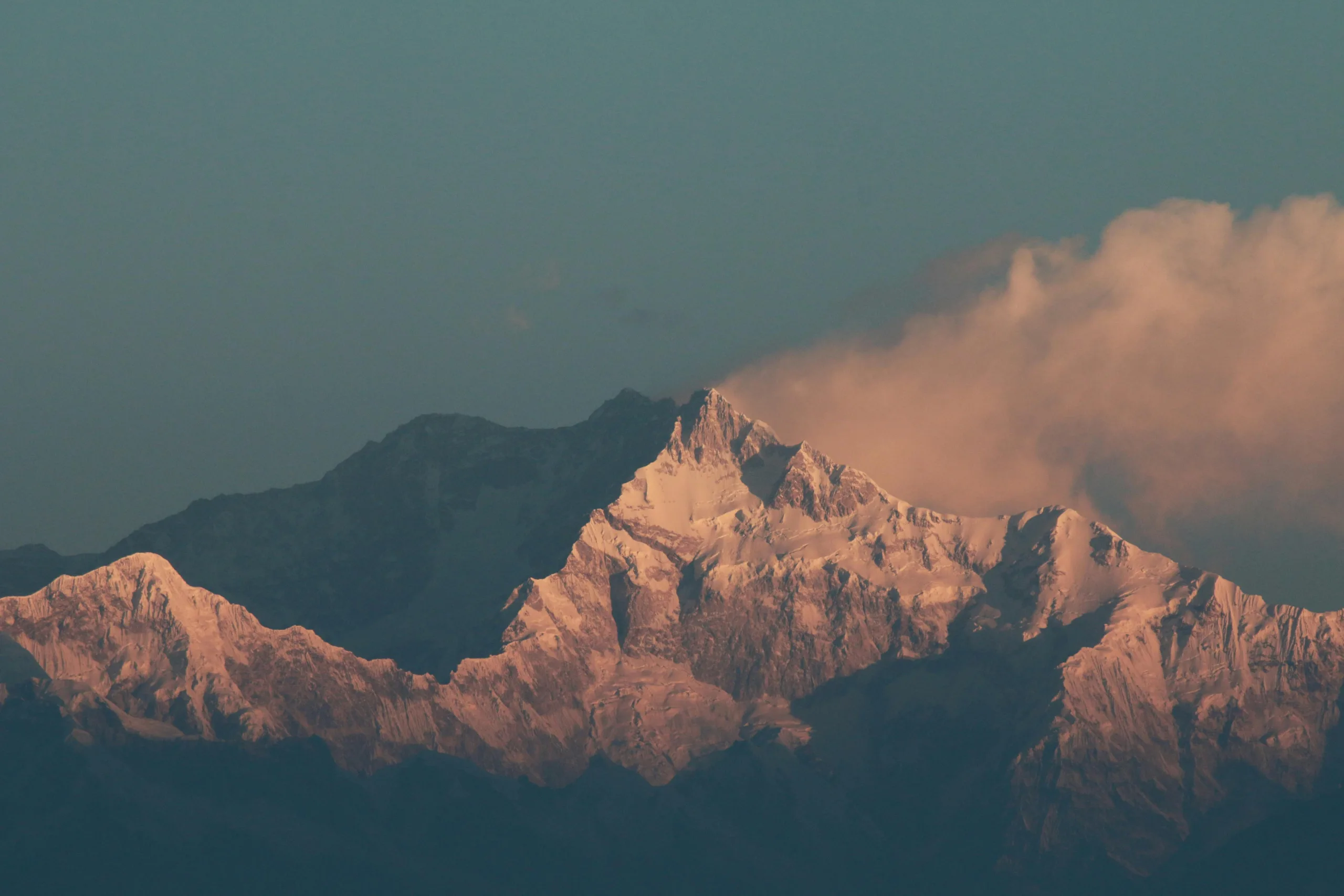
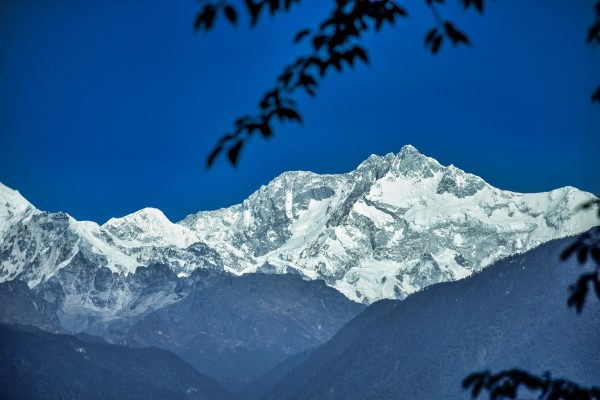
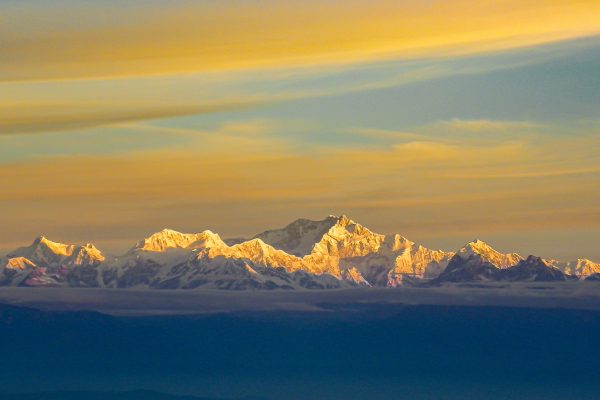
Kanchenjunga base camp trekking is a long and challenging walk around Mt. Kanchenjunga, visiting both North and South Base Camp. This trek is one of the finest trekking routes in the world. It passes through the remote mountains of eastern Nepal, around the world’s third-highest mountains in Nepal. This base camp trekking provides you to experience the remoteness of this region, beautiful mountains, and diverse flora and fauna and culture and religion of Nepal. The base camp trek is truly an unforgettable experience for every visitor.
Kanchenjunga base camp trekking is another great trekking in Nepal, providing an excellent panoramic view of the Himalayas. Including the four highest mountains in the world, Everest, Lhotse, Makalu, and Kanchenjunga, different landscapes, interesting cultures, and few people around. Kanchenjunga trekking starts from Suketar in Taplejung district and passes through some of the remote villages in eastern Nepal. Along the Kanchenjunga base camp trekking route, Rai, Limbu, Tibetans, and Sherpas are the main inhabitants of that area.
Kanchenjunga base camp trekking was open to world trek lovers around 33 years ago, so it has been explored only by a few of the trekkers of the world. Blaze Mountain Adventure is here to stay with you to serve the best service from the local guide during the trek to professional service providers in the vicinity of the Kathmandu office.
The Kanchenjunga Base Camp trek is one in a million trek to the world’s third-highest mountain Kanchenjunga having the mammoth elevation of 8,586 m. The mountaineering tour is the great amalgamation of splendid natural scenery, terrain diversity, and immersion into famous Himalayan culture. And on this article over, the rarest animal on the planet is the red panda, gorgeous rhododendrons, and along the path through the Kanchenjunga Preservation region are breathtaking waterfalls and beautiful glacier scenery.
Travelers will also delve into secluded hilltop villages home to the Rai and Limbu communities for a glimpse into their traditional lives and culture. Its remoteness this is not a popular trekking route offers peace and isolation, making it a good choice for travelers seeking a raw Himalayan experience. Blaze Mountain and get ready for this incredible trek where every step of the way will offer you the glorious beauty of Nepal's eastern Himalayas.
Short Itinerary
- Day 1: Arrival in Kathmandu (1,400m) – Welcome to Nepal! Upon your arrival at Tribhuvan International Airport, our Blaze…
- Day 2: Fly to Bhadrapur and Drive to Taplejung (1,820m) – After breakfast, take a scenic flight to Bhadrapur and begin a picturesque…
- Day 3: Trek to Lalikharka (2,265m) – Your trekking adventure officially begins today as you leave Taplejung behind and…
- Day 4: Trek to Khesewa (2,120m) – Today's trail takes you through dense forests, cultivated fields, suspension bridges, and…
- Day 5: Trek to Mamankhe (1,785m) – Leaving Khesewa behind, you'll descend and climb through beautiful forests, cross sparkling…
- Day 6: Trek to Yamphudin (2,080m) – Today's journey follows rivers, waterfalls, and forest trails before gradually ascending toward…
- Day 7: Trek to Tortong (2,980m) – The trail enters the beautiful Kanchenjunga Conservation Area, where lush rhododendron forests,…
- Day 8: Trek to Cheram (3,870m) – After leaving Tortong, the trail climbs steadily through beautiful rhododendron and juniper…
- Day 9: Acclimatization Day at Cheram (3,870m) – Today is reserved for acclimatization to help your body adjust to the…
- Day 10: Trek to Ramche (4,580m) – Leaving Cheram, the trail follows the Yalung Glacier through open alpine meadows…
- Day 11: Explore Kanchenjunga South Base Camp and Return to Cheram – Wake up early for one of the most exciting days of the…
- Day 12: Trek to Sele La Camp (4,290m) – Today's trail is more challenging as you begin climbing toward the high…
- Day 13: Cross Sele La Pass and Trek to Ghunsa (3,595m) – Today is one of the most rewarding days of the trek as…
- Day 14: Trek to Khambachen (4,100m) – Leaving Ghunsa behind, the trail follows the river through pine forests, rocky…
- Day 15: Trek to Lhonak (4,780m) – Today's journey takes you deeper into the remote Himalayas as you follow…
- Day 16: Explore Kanchenjunga North Base Camp (Pang Pema 5,143m) and Return to Lhonak – Wake up early and hike to Kanchenjunga North Base Camp at Pang…
- Day 17: Trek to Ghunsa (3,595m) – After enjoying your time at the base camp, you'll retrace your steps…
- Day 18: Trek to Amjilosa (2,510m) – Today's trail descends through beautiful forests of pine, fir, and rhododendron while…
- Day 19: Trek to Taplejung – Continue descending through scenic hills, traditional villages, terraced fields, and forest trails…
- Day 20: Drive to Bhadrapur – After breakfast, leave the mountains behind and enjoy a scenic drive from…
- Day 21: Fly Back to Kathmandu – Take a short morning flight back to Kathmandu, where you'll be transferred…
- Day 22: Final Departure – Your unforgettable Himalayan adventure comes to an end today. Our Blaze Mountain…
About Trip:
Kanchenjunga base camp trekking is a long and challenging walk around Mt. Kanchenjunga, visiting both North and South Base Camp. This trek is one of the finest trekking routes in the world. It passes through the remote mountains of eastern Nepal, around the world’s third-highest mountains in Nepal. This base camp trekking provides you to experience the remoteness of this region, beautiful mountains, and diverse flora and fauna and culture and religion of Nepal. The base camp trek is truly an unforgettable experience for every visitor.
Kanchenjunga base camp trekking is another great trekking in Nepal, providing an excellent panoramic view of the Himalayas. Including the four highest mountains in the world, Everest, Lhotse, Makalu, and Kanchenjunga, different landscapes, interesting cultures, and few people around. Kanchenjunga trekking starts from Suketar in Taplejung district and passes through some of the remote villages in eastern Nepal. Along the Kanchenjunga base camp trekking route, Rai, Limbu, Tibetans, and Sherpas are the main inhabitants of that area.
Kanchenjunga base camp trekking was open to world trek lovers around 33 years ago, so it has been explored only by a few of the trekkers of the world. Blaze Mountain Adventure is here to stay with you to serve the best service from the local guide during the trek to professional service providers in the vicinity of the Kathmandu office.
The Kanchenjunga Base Camp trek is one in a million trek to the world’s third-highest mountain Kanchenjunga having the mammoth elevation of 8,586 m. The mountaineering tour is the great amalgamation of splendid natural scenery, terrain diversity, and immersion into famous Himalayan culture. And on this article over, the rarest animal on the planet is the red panda, gorgeous rhododendrons, and along the path through the Kanchenjunga Preservation region are breathtaking waterfalls and beautiful glacier scenery.
Travelers will also delve into secluded hilltop villages home to the Rai and Limbu communities for a glimpse into their traditional lives and culture. Its remoteness this is not a popular trekking route offers peace and isolation, making it a good choice for travelers seeking a raw Himalayan experience. Blaze Mountain and get ready for this incredible trek where every step of the way will offer you the glorious beauty of Nepal's eastern Himalayas.
Trip Highlights:
Best Season for this Trip:
Fall (September to November) and spring (March to May) are the ideal seasons to hike to Kanchenjunga Base Camp. These times of year are perfect for high-altitude hikes like this one because they provide steady weather, clear skies, and the best chances to see breathtaking mountain views.
Spring (March to May):
One of the best times of year to walk to Kanchenjunga Base Camp is in the spring. At lower elevations, daily temperatures range from 10°C to 20°C, indicating moderate weather. Clear sky and stunning rhododendron woods in bloom are hallmarks of this season. In addition to providing excellent views of the snow-capped summits, spring is the ideal season for hikers who wish to enjoy pleasant weather and breathtaking scenery.
Summer (June to August):
The monsoon season, which falls during Nepal's summer, brings with it a lot of rain, especially at the trek's lower elevations. There is a greater chance of landslides, and the routes are difficult and slick. Summer is not the best season to walk to Kanchenjunga Base Camp since the highest elevations are usually clean, but the paths can be muddy and dangerous.
Autumn (September to November):
With great weather for the Kanchenjunga Base Camp Trek, autumn is Nepal's busiest trekking season. With daily highs between 10°C and 15°C at lower elevations and somewhat colder conditions at higher elevations, the sky are usually clear and the temperatures are cool but tolerable. Autumn is the most popular season for hikers because of the breathtaking vistas of the mountains and the cool air. In comparison to other trekking routes in Nepal, this is also the time of year when there would be less people on the trails.
Winter (December to February):
The Kanchenjunga area has cooler temperatures throughout the winter, with daily highs at the lower elevations ranging from -5°C to 5°C and much lower at higher elevations. Snowfall increases in frequency, and cold temperatures and ice-covered paths can make the trek's upper elevations difficult. Even while the vistas can be breathtaking under clear, bright sky, winter hiking is only advised for seasoned hikers who can withstand challenging circumstances and calls for the right gear and preparation.
Food and Accommodations on Trip:
Food and lodging on the Kanchenjunga Base Camp Trek are simple yet cozy, catering to the demands of hikers in isolated mountainous areas. The majority of lodging options along the path are teahouses or lodges, where you will be housed in communal rooms with basic amenities. Although these teahouses offer a comfortable and welcoming atmosphere, they are somewhat simple, with communal restrooms and little hot water. The accommodations get more rudimentary as you ascend, but the kind inhabitants more than make up for any inconvenience.
In addition to standard Western fare like pancakes, spaghetti, and fried rice, the trek's cuisine includes traditional Nepali and Tibetan fare like dal bhat (lentil soup with rice), momos (dumplings), and noodles. Although there may be less variety in the cuisine as you go up, the meals are still nourishing and give you the stamina you need for the strenuous hike. At higher elevations, meals are increasingly dependent on dried and preserved products, even if fresh veggies are more readily accessible at lower levels. In order to keep you warm on the chilly evenings at higher elevations, tea shops also provide a range of hot beverages, such as tea, coffee, and hot chocolate.
Includes / Excludes
Includes:
- ✓ Airport pick-up and drop-off services by private vehicle in Kathmandu.
- ✓ Two nights of hotel accommodation in Kathmandu with breakfast.
- ✓ Domestic flights between Kathmandu and Bhadrapur (both ways).
- ✓ Private jeep transportation between Bhadrapur and Taplejung (both ways).
- ✓ Comfortable teahouse/lodge accommodation throughout the trek.
- ✓ Three meals a day (breakfast, lunch, and dinner) during the trekking period.
- ✓ Seasonal fresh fruits after dinner during the trek.
- ✓ Experienced, government-licensed, English-speaking trekking guide.
- ✓ Strong and reliable porter service (one porter for every two trekkers).
- ✓ Guide and porter salary, meals, accommodation, insurance, and transportation.
- ✓ Kanchenjunga Conservation Area Permit (KCAP).
- ✓ Restricted Area Permit (RAP) for the Kanchenjunga region.
- ✓ TIMS Card (if required by the latest trekking regulations).
- ✓ Comprehensive first aid kit carried by the trekking guide.
- ✓ Oximeter for daily oxygen saturation and health monitoring.
- ✓ Sleeping bag, down jacket, duffel bag, and trekking map (available on request and must be returned after the trek).
- ✓ All required government taxes and official service charges.
- ✓ Certificate of achievement upon successful completion of the trek.
- ✓ 24/7 assistance from the Blaze Mountain team before and during your trip.
Excludes:
- ✗ International airfare to and from Nepal.
- ✗ Nepal entry visa fees.
- ✗ Lunch and dinner in Kathmandu.
- ✗ Travel insurance covering high-altitude trekking and emergency helicopter evacuation.
- ✗ Personal trekking equipment and clothing.
- ✗ Hot showers, Wi-Fi, battery charging, and laundry services during the trek.
- ✗ Alcoholic beverages, soft drinks, bottled water, snacks, and personal refreshments.
- ✗ Personal expenses including shopping, telephone calls, and internet usage.
- ✗ Tips and gratuities for guides, porters, and drivers.
- ✗ Extra accommodation and meals due to early arrival, late departure, flight cancellation, or itinerary changes.
- ✗ Expenses caused by natural disasters, landslides, political unrest, or other circumstances beyond our control.
- ✗ Emergency rescue or medical expenses not covered by your travel insurance.
- ✗ Any additional costs not specifically mentioned in the Cost Includes section.
Detailed Itinerary of Kanchenjunga Base Camp:
Day 1: Arrival in Kathmandu (1,400m)
Day 2: Fly to Bhadrapur and Drive to Taplejung (1,820m)
Day 3: Trek to Lalikharka (2,265m)
Day 4: Trek to Khesewa (2,120m)
Day 5: Trek to Mamankhe (1,785m)
Day 6: Trek to Yamphudin (2,080m)
Day 7: Trek to Tortong (2,980m)
Day 8: Trek to Cheram (3,870m)
Day 9: Acclimatization Day at Cheram (3,870m)
Day 10: Trek to Ramche (4,580m)
Day 11: Explore Kanchenjunga South Base Camp and Return to Cheram
Day 12: Trek to Sele La Camp (4,290m)
Day 13: Cross Sele La Pass and Trek to Ghunsa (3,595m)
Day 14: Trek to Khambachen (4,100m)
Day 15: Trek to Lhonak (4,780m)
Day 16: Explore Kanchenjunga North Base Camp (Pang Pema 5,143m) and Return to Lhonak
Day 17: Trek to Ghunsa (3,595m)
Day 18: Trek to Amjilosa (2,510m)
Day 19: Trek to Taplejung
Day 20: Drive to Bhadrapur
Day 21: Fly Back to Kathmandu
Day 22: Final Departure
Frequently Asked Questions
Find answers to the most common questions about our tours, trekking, and travel services.
Map:
Tour Images