
| Trip Parameter | Official Details |
|---|---|
| Difficulty Rating | Moderate |
| Optimal Season | Spring (March - May) & Autumn (September - November) |
| Meals & Board | |
| Group Size | |
| Starting Price | $2,840 USD |
| Operator Licensing | Govt Reg: 72572/066/067 | Tourism Lic: 2366 | Est. 2010 |
2026 Official Trekking Compliance & Safety Notice
- Certified Operator Licensing: Operated by Blaze Mountain Travels & Tours Pvt. Ltd. (DoT License: 2366, Company Reg: 72572/066/067, PAN: 304326512).
- All Permits Included: All applicable National Park, Conservation Area (ACAP/TIMS), and local municipality entry permits are pre-arranged before trail departure.
- Emergency Protocols: Comprehensive high-altitude mountain protocol with direct helicopter evacuation dispatch and certified First-Aid mountain guides.
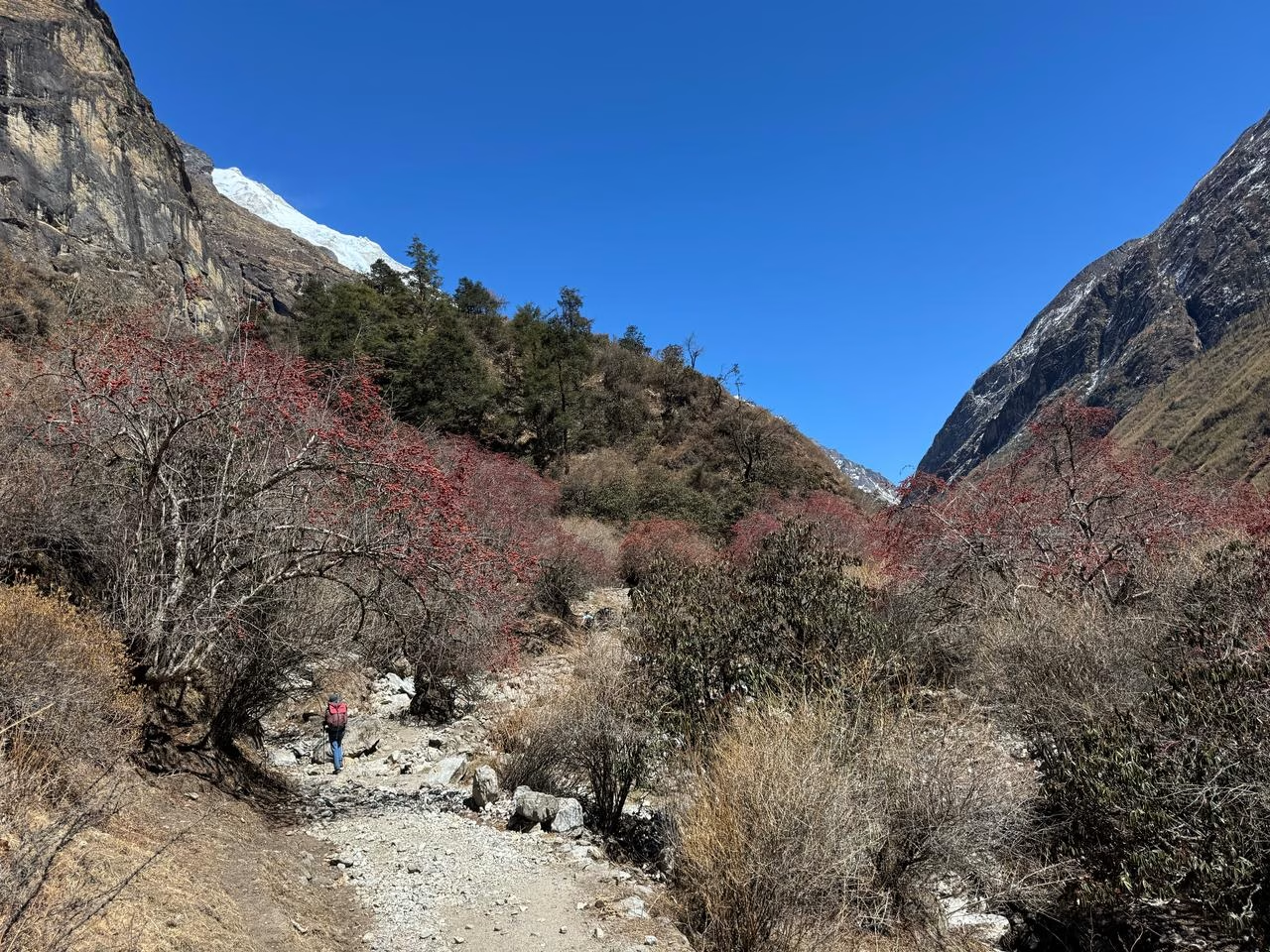
Langshisha Ri Peak Climbing in Nepal offers an unbeatable mountaineering experience in the Langtang region. At 6,427 meters, this peak is an ideal destination for people looking for a less crowded yet exhilarating experience in the Himalayas. The hike starts with a stunning trip through Langtang Valley, as you travel through lush forests, charming as well as scenic villages and alpine meadows. The stunning panoramas of Langtang Lirung and Ganesh Himal are the perfect introduction as you ready for the adventure of the summit.
The Langshisha Ri Peak Climbing is an adventure that has a mix of landscapes, from lush green forests to high-altitude terrains. The natural beauty of the region as well as the opportunity to experience local Tamang culture makes the trek a rewarding experience. Along the route, you’ll encounter Buddhist monasteries and traditional villages, providing a glimpse into the way of life of this isolated region of Nepal. The iconic trek gets exhilarating as you head to the base camp with the right acclimatization for the final push to the summit.
Climbing Langshisha Ri involves the use of technical climbing and mountaineering for rocky paths and snowy ridges before you can reach the summit of the peak. The climb can be tricky, but the feeling of accomplishment when you are standing at the summit is unparalleled! The panoramic views from up there are awe-inspiring, with a 360-degree view of the Langtang range and adjacent Himalayan peaks, even those in Tibet. Langshisha Ri Peak Climbing is a perfect challenge for mountaineers looking to have an unforgettable experience summiting.Langshisha Ri Peak Climbing with Blaze Mountain ensures your safety, with our local experts providing both guidance and hands-on support throughout the journey.
Treknote: Langshisha Ri Peak Climbing
Before you go Langshisha Ri Peak Climbing, here are some of the coolest facts about Langshisha Ri Peak Climbing. At 6,427 meters high, this unique peak provides an opportunity for climbers to train on beautiful Himalayan topography. Starting from the Langtang valley, your journey will take you through amazing valley flora and fauna, thick forests, stunning alpine landscapes, photography-friendly animals, and traditional villages of Tamang ethnicity. The hike becomes more difficult as you get closer to the base camp, where you have to acclimatise to be able to climb to the summit.
The climb itself is an amalgam of rocky ridges and snow-sealed slopes that demand a degree of technical mountaineering. After climbing to the top, trekkers are rewarded with panoramic vistas of the Langtang variety and close by Himalayan highpoints making this assistance an unforgettable excursion for those who relish experience and tranquillity in the Himalayas.
Additional Information:
You can access full details regarding the Langshisha Ri Peak Climbing from our website. If you need any extra information or extra service, feel free to contact us. To meet our agent, please follow the link, and/or if you want to talk to us directly, you can call our office at: 01-4522505.
Specialty About Langshisha Ri Peak Climbing:
Langshisha Ri Peak Climbing is a distinctive and demanding adventure for mountaineers who want to have a less-crowded, off-the-beaten-path experience in Nepal’s Langtang region. At 6,427 meters, the summit offers breathtaking 360-degree views of the Langtang range, nearby Ganesh Himal, and the far distant Tibetan mountains. A true challenge for climbers, the hike encapsulates a variety of terrains, from lush forests to snow-covered slopes. In addition to amazing scenery and Chapman culture, the climb takes trekking through the rich culture of the Tamang people, making the journey an unforgettable experience.
- Off-the-Beaten-Path Adventure
There is more of a solitude about the Langshisha Ri climb compared to some of the better known peaks in Nepal. The trek is perfect for climbers who want to shun busy routes and undergo a genuine Himalayan experience. It offers both technical mountaineering and a serene walk through remote parts of Nepal, allowing climbers to experience unspoiled nature. - Stunning Views at the Top
The summit offers a breathtaking 360-degree panorama of Langshisha Ri. In a unharnassed country and a unreal human close away, climbers enjoy unobstructed perspectives of Langtang range, Ganesh Himal, and chairs Tibetan pinnacles from on top of the peak. The summit view was also much less developed, adding a touch of exclusivity to the climb and making the experience truly unforgettable. - Varied Landscape: The Harsh Hiking Challenge
The ascent takes you across diverse terrain, including verdant forests, high-altitude meadows, craggy ridges, and snowy slopes. That variety makes the trek physically demanding and interesting, and provides ample opportunity to practice and improve mountaineering skills. However, the ascent will also require climbers to use ice axes, crampons and ropes to navigate their way safely to the summit, which adds an element of technical difficulty. - Experience the culture with the people of Tamang
The Langshisha Ri trek offers a fascinating glimpse through traditional Tamang villages, where you can witness the culture and lifestyle of the indigenous people of the Langtang region. Visitors will get the chance to experience household customs, see old monasteries, and learn about locals’ way of life, offering a deeper connection to the region beyond the ascent. - Space to Be Alone and Quiet
Langshisha Ri is a lesser-known trek in Nepal compared to other popular trekking routes. This makes it a perfect location for those longing for solitude and peace when climbing in the Himalayas. The tranquility of the place, together with its majestic environment, helps the climbers get in touch with nature, away from the crowded trails of popular trekking peaks.
Climate Conditions During Langshisha Ri Peak Climbing:
Langshisha Ri Peak Climbing is a diverse climate area depending on altitude and season. Spring (March to May) has mostly clear skies with mild weather, making it one of the best times for the trek. Daytime temperatures are 10°C to 15°C, but at higher altitudes, freezing temperatures. Fall (September to November) as well provides stable weather with crisp, clear days and temperatures between 10°C and 20°C, colder nights, especially in the high altitudes, but it still the best season to climb. Winter (December to February) The temperature at base camp can fall under — 10°C and ice and snowfall can make climbing difficult to do, especially overhead. Last but not least, summer (June to August) is a monsoon season, which is the period with heavy downpour and slippery trails. Hence, it is the most unfavorable time for the trek. The most suggested visit time for Langshisha Ri Peak Climbing is in spring and autumn.
| Season | Weather Conditions | Temperature | Best Time for Trek |
|---|---|---|---|
| Spring | Clear skies, mild temperatures, occasional rainfall | Day: 10°C to 15°C, Night: Below freezing | March to May |
| Autumn | Stable and clear weather, ideal trekking conditions | Day: 10°C to 20°C, Night: Cold at high altitudes | September to November |
| Winter | Cold temperatures, snow and ice, harsh conditions at higher altitudes | Below -10°C at base camp, much colder at higher altitudes | December to February (challenging) |
| Summer | Monsoon rains, cloudy weather, slippery terrain | Warm at lower altitudes, wet and cold at higher altitudes | June to August (least favorable) |
Best Season to Do Langshisha Ri Peak Climbing:
Although spring (March to May) and fall (September to November) are the ideal seasons for Langshisha Ri Peak Climbing, winter (December to February) and summer (June to August) also provide their own conditions for those who are prepared to brave more difficult circumstances.
- Spring (March to May):
One of the best time to trek and climb Langshisha Ri. The spring weather is stable and quiet with daytime temperatures on lower altitudes situated about 10-15 °C. It can be cold at night, but the weather higher up is generally more bearable. Spring also has flowering rhododendrons and beautiful vistas, making the trek both scenic and satisfying. - Autumn (September to November):
Autumn is another high time for Langshisha Ri Peak Climbing. You will need clean weather with clear skies, generally stable temperatures of 10° – 20°C during the day. Nights tend to be frigid at that elevation, but conditions are otherwise perfect for mountaineering. Autumn delivers great clearance making it perfectly visible to trekkers to appreciate the overall beauty of the surrounding peaks and sceneries. - Winter (December to February):
Winter is marked by chilly conditions, particularly at higher elevations. The temperature can drop to -10 degrees Celsius, and the snow and ice condition can be more challenging above the base camp. This season is right for the experienced climbers who are used to heavy cold and snow. The trek is less crowded, but the bitter cold and harsh conditions can make for a tougher climb, demanding more planning and gear. - Summer (June to August):
A monsoon season in Nepal, summer brings a lot of rainfalls, making the trekking route slippery and shoe-shining muddy. The lower elevations may stay warm but the higher elevations can be wet and cold and hard to access. The least favorable season to climb is from April to the end of June; the route is less traffic, but the wet conditions make it not ideal. Summer is best for those who are ready to cope with the additional challenge that comes with rain humidity and all weather.
Local Culture and Tradition Around Langshisha Ri Peak Climbing:
In the Lantang region, ancient traditions and local customs are part and parcel of daily life and provide a deep cultural experience. As soon as you arrive at the beautiful scenery, you will be welcomed with colorful folk dances and traditional music resounding the region’s deep rooted heritage. The peaceful Buddhist rituals of the local monasteries are a reminder of the spiritual practices handed down through generations. Along the way, you’ll also meet skilled artisans whose handcrafted textiles and woodwork are a living part of the artistic traditions of the region, giving you an authentic sense of the traditions of the local culture.
Everest region and the famous Sherpa culture. While exploring this iconic region, you’ll be embraced with open arms by the sherpa people, who are renowned for their unrivaled hospitality. The influence of Tibetan Buddhism is apparent in the grand monasteries scattered about and the prayer flags rippling in the high-altitude winds, creating a strong air of spirituality. You’ll also have time to snack on local delicacies like dal bhat and momo on the way, which are long-considered trail food for trekkers and locals.
As such, the cultural experience of both the Lantang and Everest regions offer up so much more than just the trail itself. Their tales are embodied in the people who call them home, people who have endured far worse than in these lands, and are living signs of resilience and spirit. Indeed you will have the opportunity to feel the heart and soul of the Himalayas while knowing about ancient culture, tasting local foods, and experiencing local craftsmanship. It’s not only about visiting the summits — it is also about experiencing the culture that has been flourishing here for centuries.
Climbing Gear for Langshisha Ri Peak Climbing:
Climbing Langshisha Ri Peak requires specialized gear to ensure safety and comfort during the trek and ascent. Below is a concise list of essential climbing equipment:
Clothing and Layering System
- Base Layer: Moisture-wicking underwear and thermal shirts/leggings.
- Mid Layer: Fleece jacket or insulating layer for added warmth.
- Outer Layer: Waterproof jacket and pants to protect from snow and wind.
- Down Jacket: A high-insulation jacket for colder high-altitude conditions.
- Gloves: Lightweight trekking gloves for the hike and insulated gloves for climbing.
- Hat & Buff: Warm hat and neck gaiter to protect from the cold.
- Climbing Boots: Insulated, waterproof mountaineering boots suitable for icy conditions.
Climbing Equipment
- Crampons: For traction on icy and snowy terrain.
- Ice Axe: Essential for self-arrest and maintaining balance on steep snow or ice.
- Harness & Ropes: For safety and securing while climbing technical sections.
- Carabiners: Locking and non-locking for attaching to ropes and other gear.
- Climbing Helmet: Protects from falling rocks or ice during the ascent.
High-altitude Gear
- Oxygen Mask: May be needed at higher altitudes to aid breathing.
- Gaiters: To keep snow and debris from entering boots during the trek.
- Sleeping Bag: Rated for -20°C or lower for warmth at higher elevations.
Other Essentials
- Backpack: To carry all your gear and supplies during the trek.
- Headlamp: With extra batteries for early morning starts or night-time climbs.
- Sunglasses/Goggles: UV-protective sunglasses for trekking and snow goggles for glare.
- Trekking Poles: To aid in balance and reduce strain on steep sections.
- First Aid Kit: For handling minor injuries, cuts, or altitude sickness.
- Hydration System: Insulated bottles or hydration packs to prevent freezing in cold conditions.
Food and Accommodation Facilities During Langshisha Ri Peak Climbing:
Traditional Nepali hospitality and simple trekking lodgings are also available on the trip to Langshisha Ri Peak. The amenities along the route are somewhat basic due to the route’s isolated location, but they provide hikers a cozy and genuine taste of mountain living. The kinds of dining and lodging options you may anticipate on the journey are listed below:
Food Options:
The food on the Langshisha Ri Peak route is straightforward, wholesome, and made to prepare your body for the strenuous hike and ascent. With an emphasis on proteins and carbs to supply the energy required for high-altitude tasks, the majority of the meals are modeled after Nepali or Tibetan cuisine.
- A traditional Nepali dish, daal bhat (rice and lentil soup) is made with rice, lentils, veggies, and occasionally meat. It offers a satisfying, energizing lunch.
- A traditional dish served with rice or bread, sherpa stew is cooked with meat (yak, chicken, or goat) and veggies.
- Tibetan bread is a great source of energy and is frequently eaten with soups or stews.
- Yak Butter Tea (Chiya): A regional concoction of tea, salt, and yak butter. Due to its high calorie and fat content, it keeps hikers warm.
- Vegetarian Dishes: Noodle soups, vegetable momos (dumplings), and chapatis (flatbread) are available for vegetarians.
- Snacks and Energy Bars: Tea houses and trekking stores provide energy bars, chocolates, and snacks that will help you stay energized throughout the hike.
Along the path, tea shops and hotels are usually where meals are cooked. The food may become less varied as you ascend, but it is still substantial and provide the nourishment you need to continue hiking and climbing.
Accommodations Options:
Along the path, there are simple yet cozy tea houses or lodges where you may stay while climbing Langshisha Ri Peak. Simple-bedded rooms with communal toilets and communal spaces for dining and socializing are available at these guesthouses.
- Tea Houses (Lodges): Most of the trekkers will stay in tea houses providing basic rooming with twin or single beds, blankets, and occasionally heating. They are usually found in wooden or stone guesthouses with common rooms and dining areas that serve food. The amenities are sparse, but they provide warmth, a roof and a place for trekkers to socialize.
- The Higher Altitude Camps: The number of tea houses becomes lower as you go to higher altitudes, and so camping is mandatory. The trekking agency will set up tent camps at higher altitudes, close to the Langshisha Ri base camp and climbing zones. These camps offer insulated sleeping bags, cooking stoves, and shelter from the elements during the climb.
- Basic Bathroom Facilities: Down low, tea houses often have shared toilets, but as you climb higher up, facilities become more “basic,” and pit toilets become the norm. Hot showers are available in some lower-altitude areas, though they are scarce at higher altitudes because of the cold temperatures.
These services give trekkers the necessities shelter, food, and a place to rest despite the poor quality of the lodging and meals. Your trip is made more inviting by the warmth of the locals, especially the Sherpas, who let you concentrate on the ascent rather than the conveniences of your lodging.
Why Choose Langshisha Ri Peak Climbing with Blaze Mountain?
With Blaze Mountain, you can rest assured that your Langshisha Ri Peak Climbing expedition will be led by experienced professionals, impeccable logistics will be provided, and you will be fully supported throughout your adventure. Langtang guides are all veteran climbers and local guides, so they’ll keep you safe and share their in-depth knowledge of the Langtang region (and the climbing routes) as you trek. We have put together a well-designed itinerary that allows for plenty of trekking while allowing for adequate acclimatization and rest time to provide you a safe and enjoyable experience.
Blaze Mountain handles all the logistics: transportation, permits, accommodations, meals, climbing gear, so that the adventure can be your only focus. You have to maintain the priority on safety, and that also includes providing quality equipment, health and safety standards, and assistance as and when it is required. And traveling with Blaze Mountain not only allows for an authentic experience that contributes to its locals and promotes sustainable travel while highlighting the area’s rich culture and natural beauty. If you make choice Blaze mountain for a very memorable Himalaya climbing journey.