
| Trip Parameter | Official Details |
|---|---|
| Standard Duration | 12 Days |
| Maximum Altitude | 4800M |
| Difficulty Rating | Hard |
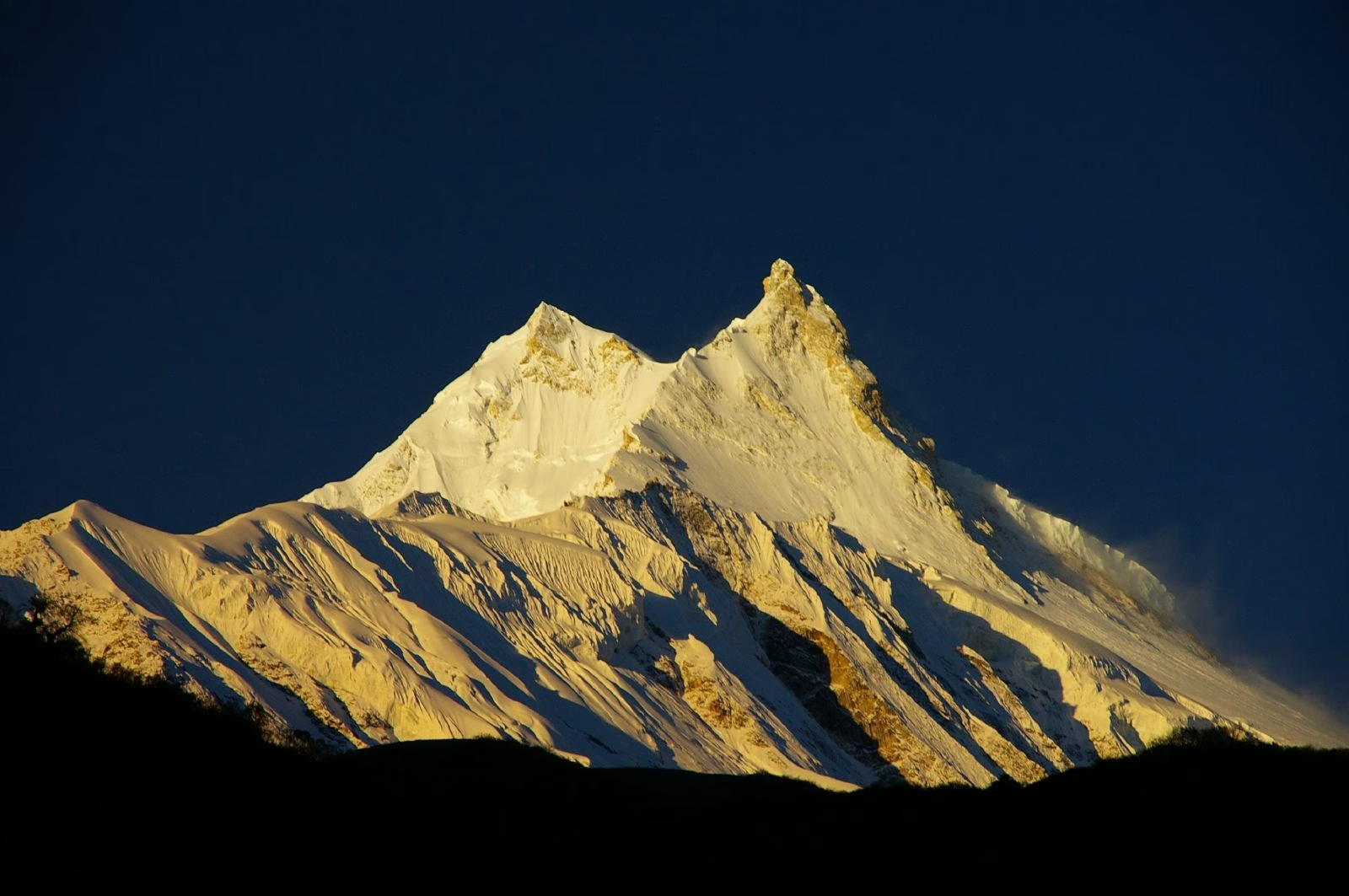
| Optimal Season | Look, you can do this trek any time of the year if you really want to. But let’s not sugarcoat it some seasons just hit different. Some days you’ll feel like nature is on your side, and other times? You’ll be dragging your boots through mud, wondering why the sky hates you. So yeah, picking the right time matters. Let me break it down for you, raw and real season by season. Spring (March to May) Spring is just... smooth. You walk through trails that are literally exploding with color. Rhododendrons blooming left and right, birds chirping like they’re performing for you, and those crisp mornings where the air just feels clean. You wake up to bright skies, the kind that makes you want to keep walking without thinking about your aching legs. The temperatures? Spot on. Mornings are cool enough to feel refreshing, and days are warm enough to trek in light gear without freezing your fingers off. It’s not crowded like autumn, so if you’re the kind of person who wants the trail to yourself spring will treat you right. The snow starts melting in the high-altitude spots, so you get these epic half-white, half-green landscapes. It feels alive. Like the mountains are stretching after winter and you’re there to witness it. Autumn (September to November) Now this this is the superstar season. No debate. You get views so clear it almost feels fake. Like you’re walking through a travel poster. After the monsoon washes everything clean, autumn comes in with this dry, golden vibe that makes every single mountain pop. The weather stays stable. No random clouds ruining your sunrise. No slippery rocks. Just clean trails and that perfect light for photos that don’t even need editing. Yeah, it’s popular. So don’t expect empty teahouses or quiet paths. But honestly? You won’t care when you’re standing in the middle of nowhere, watching the first light hit a snow-covered peak. There’s this stillness in the air like the mountains are holding their breath and you’ll remember that feeling way longer than any crowd you bumped into. Winter (December to February) This one’s only for the bold. You want peace? Silence? That untouched, raw kind of beauty? Winter gives you all that—but it also slaps you with cold mornings, icy trails, and some hardcore “why am I doing this?” moments. You’ll wake up with frost on your sleeping bag and your water bottle half frozen, and still… you’ll smile. Because winter treks have a different kind of magic. The trails are empty. The snow is fresh. The sunrises? Unreal. And if you dress smart, layer up, and don’t mind walking through snowfields, you’ll get experiences that most people never dare to chase. But yeah shorter days, fewer open teahouses, and you have to be mentally ready. This isn’t the cozy, colorful season. It’s raw, wild, and worth every shiver if you’re up for it. Summer/Monsoon (June to August) Let’s not sugarcoat it summer is chaos. Rain dumps from the sky whenever it wants, trails turn to mush, and those little blood-sucking leeches come out to party. If you hate walking with wet socks and fogged-up glasses, skip this one. But… if you're that wild soul who loves the sound of rain, the smell of wet earth, and doesn’t mind getting dirty monsoon is something else. The hills go neon green. Waterfalls that barely exist in other seasons start roaring like mini Niagaras. There’s this raw freshness in the air. You walk through mist and hear nothing but your own footsteps and distant thunder. It’s dramatic. Moody. Cinematic. Yeah, the views might be hit or miss, but the vibe? Undeniable. Just don’t come here expecting clear mountain shots every day; come here for the feeling. |
| Trek Route | Kathmandu - Manaslu Base Camp |
| Meals & Board | BLD |
| Group Size | 2-12 Persons |
| Starting Price | $1,100 USD |
| Operator Licensing | Govt Reg: 72572/066/067 | Tourism Lic: 2366 | Est. 2010 |
Frequently Asked Questions
Key questions answered about Manaslu Base Camp Trek:
How difficult is the Manaslu Base Camp Trek?
The Manaslu Base Camp Trek is graded as Hard and reaches an elevation of 4800M. A good base level of physical fitness and prior hiking preparation are recommended.
What is the best time of year for Manaslu Base Camp Trek?
The best seasons for Manaslu Base Camp Trek in Nepal are Autumn (September to November) for crystal-clear mountain views and Spring (March to May) for mild weather and blooming rhododendron valleys.
What permits are required for Manaslu Base Camp Trek?
All international travelers require a Trekkers' Information Management System (TIMS) card alongside the respective National Park or Conservation Area Entry Permit (e.g., ACAP, Sagarmatha, or Manaslu Permit). Blaze Mountain Travels (Govt Lic: 2366) arranges all required permits on your behalf.
What accommodation and meals are provided on the trek?
Trekkers stay in cozy, authentic local teahouses / lodges along the route. Packages include three freshly prepared meals daily (breakfast, lunch, and dinner) along with purified drinking water options and tea/coffee.
Why book Manaslu Base Camp Trek with Blaze Mountain Travels?
Blaze Mountain Travels & Tours Pvt. Ltd. (Established 2010, Govt Reg: 72572/066/067, Tourism Lic: 2366) is an officially certified Nepal operator headquartered in Amrit Marga, Thamel, Kathmandu. We provide licensed local Sherpa guides, comprehensive medical safety equipment (including pulse oximeters), ethical porter care, and flexible booking policies.