
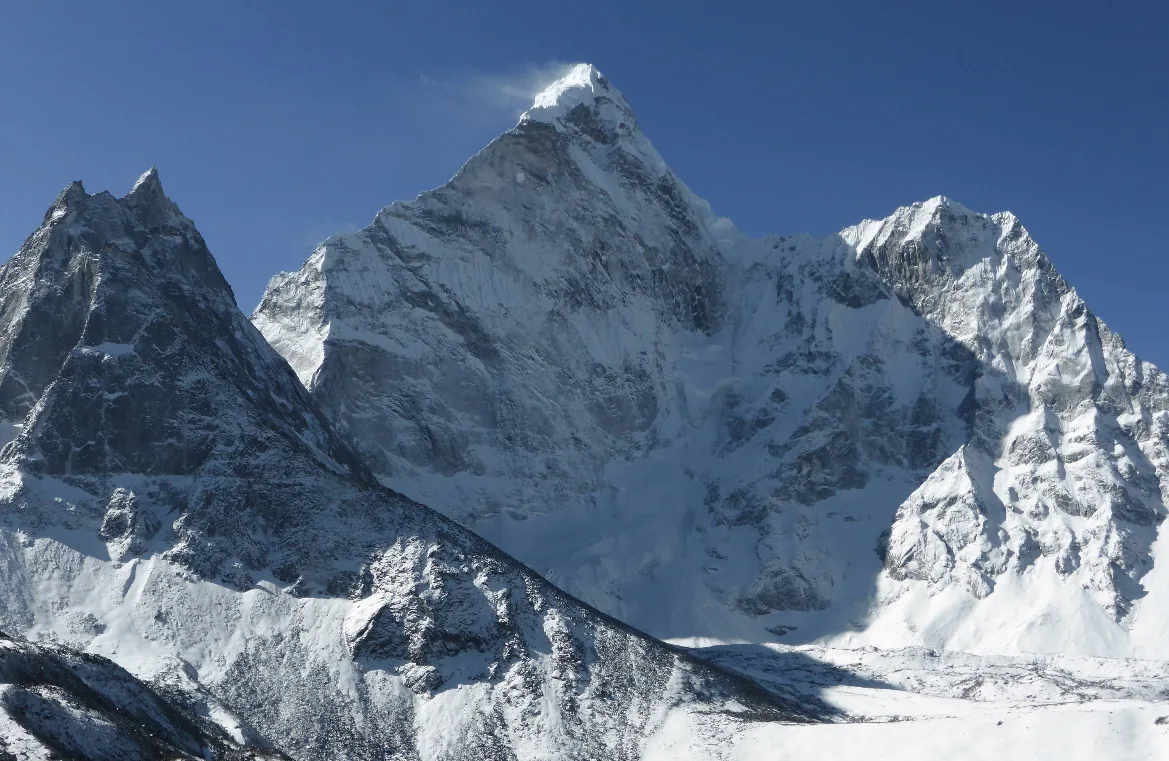
Chhukung Ri peak climbing
[Trip_Info_Shortcode id=’13412′]
Nepal Khumbu Region Best Peak Climbing Adventure: Chhukung Ri Peak Climbing Chhukung Ri Peak Climbing is an unforgettable adventure in the heart of Nepal’s Khumbu region. At an elevation of 5,546 meters (18,192 feet), Chhukung Ri boasts beautiful vistas of iconic mountains including Mount Everest, Ama Dablam, Lhotse, and Makalu. If so, you are likely familiar with this non-technical peak, which attracts intrepid souls in search of an approachable high Himalayan experience. The walk is perfect for those wanting to discover high-altitude scenery without any great skill in climbing. The trek upwards to Chhukung Ri is well motivated, and ideal for trekkers with mountain past experience.
The adventure begins with a scenic flight from Kathmandu to Lukla, followed by a trek through Sagarmatha National Park, where you’ll explore Sherpa villages, monasteries, and dense forests. An acclimatization day is very important, and Namche Bazaar has the perfect time to rest and adjust to the altitude. From there, the journey continues to Tengboche and Dingboche, where the Himalayan giants gradually come into view. Trekkers at Chhukung, preparing for the summit ascent. The last leg up to Chhukung Ri itself is a non-technical ascent following a steep but straightforward path, ending in spectacular panoramic views of the Everest area.
Although Chhukung Ri does not require technical climbing skills, it does require a good level of physical fitness and mental toughness. A successful summit requires proper acclimatization and preparation. Blaze Mountain makes sure that your dirt bike riding with expert guides and a safety-first approach. This walk is a remarkable mixture of breathtaking mountain views and the opportunity to experience the rich Sherpa culture.
Treknote: Chhukung Ri Peak Climbing
At 5,546 meters (18,192 feet), Chhukung Ri Peak Climbing is an exhilarating but achievable trek in the Khumbu region of Nepal. This non-technical summit provides spectacular views of some of the highest peaks on the globe, including Mount Everest, Ama Dablam, Lhotse, and Makalu. The trek is ideal for adventurous travelers seeking a high-altitude experience without the complexities of technical climbing. The climb itself is more technical than most, but still manageable — perfect for an adventurous trekker with some mountaineering know-how. It will be an experience that will remain with you a practical lifetime, a piece of the exhilarating experience of climbing a Himalayan magnanimously laid peak while admiring magnificent vistas.
The first leg of the trek takes place after a flight from Kathmandu to Lukla, with the remaining route a beautiful walk through the Sagarmatha National Park, where you’ll walk through Sherpa villages, monasteries and lush forests. Namche Bazaar serves as a critical stop for acclimatization before traversing on to the like of Tengboche and Dingboche, where trekkers get more intimate views of the big Himalayan hitters. Climbers prepare for the summit climb in Chhukung. The final push to Chhukung Ri is a demanding, but non-technical ascent that subsequently rewards trekkers with panoramic views of the Everest region. With proper acclimatization and under the guidance of Blaze Mountain’s experienced team, this trek is an amalgamation of physical challenge, cultural immersion, and unparalleled natural beauty.
Additional Information:
You can access full details regarding the Chhukung Ri Peak Climbing from our website. If you need any extra information or extra service, feel free to contact us. To meet our agent, please follow the link, and/or if you want to talk to us directly, you can call our office at: 01-4522505.
The Specialty of Chhukung Ri Peak Climbing:
Trekkers seeking a difficult but reachable mountain to climb will find Chhukung Ri mountain Climbing to be the right combination of adventure, culture, and breathtaking Himalayan vistas. With a height of 5,546 meters, this summit provides hikers with a rare chance to take in the splendor of the Everest region without having to possess the technical know-how needed for more challenging ascents.
- Accessible Yet Challenging:
Chhukung Ri Peak is a non-technical climb, making it perfect for those trekkers with some mountaineering experience but not the skills to attempt anything advanced. The climb is strenuous, and trekkers should be physically fit and acclimatized for high-altitude environments. - Stunning Himalayan Views:
Chhukung Ri summit offers stunning views of Mount Everest, Ama Dablam, Lhotse and Makalu standing tall. As one ascends, these giant towers create formidable backdrops, the effort of climbing is certainly justified. - Cultural Immersion:
During the trek, trekkers gain insight into rich Khumbu Sherpa culture. Climbing through villages such as Namche Bazaar, Tengboche and Dingboche, climbers can interact with local Sherpa people and learn about their traditions and visit monastries. This cultural footnote authors additional context to what has otherwise become a scenic trek, providing a profounder understanding of the lives and landscapes at the heart of Sherpa culture. - Less Crowded and Peaceful:
Although the Khumbu region is a top destination for trekkers, Chhukung Ri is lesser-known than other popular peaks in the Everest region such as Everest and Ama Dablam. This means that trekker can enjoy less crowded surroundings and a sense of isolation that improves the trekking experience even more, making it very suitable for trekkers seeking some peace and slow time amidst the awesome beauty that mountains offer.
Is Chhukung Ri Peak Climbing Right for Trekkers and Climbers?
For hikers and climbers who like to take in the splendor of the Everest region without having to deal with the technical challenges of more strenuous climbs, Chhukung Ri Peak Climbing is a fantastic option. It is appropriate for a variety of explorers, including those seeking a physically challenging but reachable summit and experienced hikers with some climbing expertise. Here’s a closer look at why climbers and hikers alike might choose this peak:
- Best Suited For Simple Mountaineering Experience Trekkers
This climb is suited for those trekkers who have experience in mountaineering and is fit for high-altitude trekking. Although the climb does not involve technical skills, it is a moderate challenge that requires stamina and preparation. If you’ve hiked in high-altitude environments and are looking to challenge yourself more, this peak is a great way to help you reach elevation without needing any specialized climbing skills. - Not Too Far Off But More Difficult for Climbers
It is suitable for climbers who are looking for a non-technical climb but still want the experience of reaching the top of a Himalayan peak. The trek encompasses snow and rocky ground, but doesn’t require advanced climbing gear. That makes Chhukung Ri a great option for climbers who want to see the beauty of the region and test their endurance on a less-technical peak, without attempting more-formidable ascents like Everest or Lhotse. - Cultural Immersion in the Khumbu Region
The Chhukung Ri trek is much more than another adventure in the mountains. En route, you’ll be treated to a glimpse of their rich local culture, as you pass through Sherpa villages like Namche Bazaar and Tengboche. This provides opportunities to engage with local Sherpa communities, explore their traditions, and witness the predominance of Buddhism in the area.
Best Season for Chhukung Ri Peak Climbing:
Selecting the best season for Chhukung Ri Peak Climbing is very important to have a safe, pleasant, and successful adventure. The trek/climb is highly dependent on weather conditions since it is a demanding high-altitude environment.
- Autumn (September to November):
Chhukung Ri Peak Climbing is best during autumn. The weather in this period is stable and best for trekking and climbing. Chances are good to see blue skies and unobstructed views of the soaring surrounding Himalayan peaks, including Mt. Everest, Lhotse, Makalu, and Ama Dablam. Temperatures are moderate, with crisp mornings and cooler nights, making it a pleasant time to trek. - Spring (March to May):
Spring is also an advantageous time to climb Chhukung Ri, especially for trekkers who wish to escape the cooler winter temperatures. Compared to autumn, days are longer and the weather is warmer, but it can still be cold at higher altitudes. The skies are clear during spring and gets to witness the blooming forests of rhododendron at lower altitudes, making it a sight to behold. - Summer (June to August):
Avoid the monsoon season for Chhukung Ri Peak Climbing. Photo courtesy of Explore ColoradoThe majority of the trails are open as early as late spring, but with that comes moisture alongside the heat, making these trails notoriously slick at higher altitudes. On the other hand, the weather can also be quite cloudy, decreasing visibility and making the panoramic views not so enjoyable. - Winter (December to February):
On the other hand, although winter provides a much less busy and peaceful experience, it is unsuitable for Chhukung Ri Peak Climbing. Temperatures fall sharply in this season and it can reach severe, freezing conditions at higher altitudes. If the trail is snow-covered and icy, this makes the climb easier.
Climate and Weather During Chhukung Ri Peak Climbing:
To properly prepare for the hike and summit, it is crucial to comprehend the environment and weather conditions during your Chhukung Ri Peak Climbing. Depending on the height and season, the weather in the Khumbu region may be quite variable and unpredictable. From pleasant temperatures at lower elevations to frigid temperatures at the top, climbers need to be prepared for a variety of weather patterns.
- Lower Altitudes (2,800m to 4,000m)
In turn, we find a much more temprate environment at lower altitudes: the areas surrounding Namche Bazaar, Tengboche, Dingboche, etc. Day temperatures of 10°C to 20°C, with cool nights falling to 5°C or below, are typical in the trekking seasons of autumn and spring. - Higher Altitudes 4,000m to 5,500m:
Therefore, each time you go higher, at least when reaching Chhukung Ri and shortly down trail becomes colder and more extreme. During the day at this altitude, temperatures can range from -5°C to -10°C or lower at night, sometimes down to -15°C or lower. - Summit and at High Altitudes (5,500m+):
The word “cold” is not strong enough; during winter season when the temperature can fall to -10C around the summit of Chhukung Ri 5,546m is another beast. But at the summit, winds can be strong, with a wind-chill factor that can make conditions feel far colder.
In conclusion, Chhukung Ri Peak Climbing can be challenging due to the weather and environment, particularly at higher elevations. While winter and monsoon bring more harsh circumstances that can make the ascent much more difficult, autumn and spring offer the greatest weather, clear sky.
Weather Table:
| Elevation | Temperature Range (Day) | Temperature Range (Night) | Weather Conditions |
|---|---|---|---|
| Lower Altitudes (2,800m – 4,000m) | 10°C to 20°C | 5°C or lower | Mild temperatures, pleasant weather in autumn and spring, cooler nights, little to no rain. |
| Higher Altitudes (4,000m – 5,500m) | -5°C to 10°C | -5°C to -10°C | Cold temperatures, high winds, dry conditions in autumn and spring, possibility of snow. |
| Summit and High Altitudes (5,500m+) | -5°C to -10°C | -10°C or lower | Freezing temperatures, high winds, clear skies, and risk of snow, extreme cold at night. |
| Monsoon Season (June to August) | 10°C to 15°C | 5°C to 10°C | Heavy rainfall, reduced visibility, muddy and slippery trails, occasional snow at high altitudes. |
| Winter (December to February) | -5°C to 0°C | -15°C or lower | Freezing conditions, clear skies, snow accumulation, extreme cold and high winds at higher altitudes. |
Local Culture and Tradition Around Chhukung Ri Peak Climbing:
One of the ethnicity is the Sherpa people, which trekkers can interact to know more about local culture and traditions, on your way to the Chhukung Ri Peak. They tend to be very hospitable and resourceful, and they are very proactive believers in the mountains as sacred spaces. Traversing the area, hikers pass through scenic Sherpa towns of Namche Bazaar, Tengboche, Dingboche. Read time: 2 minutes (No Lite) Agriculture and animal husbandry along with a religion form part of the diet of these villages. The Sherpas’ dedication to Buddhism is apparent on every trail: prayer flags flap in every direction, and monasteries and stupas dot the landscape.
Such a deep respect for nature, and particularly the nine peaks that exceed 8,000 meters (26,247 feet) above sea level — including Mount Everest — is embedded in the Sherpas’ cultural identity. They say that the towering mountains houses Gods and Goddesses that protects and bless them. Thus, the Khumbu region is steeped in prayer rituals and offerings to the spiritual masters. We know this is the case, as the trekkers can see for themselves monks carrying out sacred events in the monasteries or sacred trails where offerings are made with the hopes of getting blessings before starting on a venture. But there were prayers, too; multicolored prayer flags hang from every village and stretch along the trails, sending prayers above to the mountains.
And the Chhukung Ri Peak Climbing adventure gets more exciting getting familiar with the hospitality of the Sherpa people. On the trek, climbers can pause for tea at local tea houses and the homes of friends of the guide, where they can sample traditional Sherpa fare (think dal bhat lentil soup with rice) and learn about local culture and everyday life. This exchange provides trekkers a rare glimpse into the culture of the Khumbu region.”
Food & Accommodation Facilities During Chhukung Ri Peak Climbing:
A range of dining options and lodging alternatives that mix comfort with the untamed nature of the Himalayas are available to trekkers and climbers starting the Chhukung Ri Peak Climbing adventure. While preserving the area’s natural beauty, the food and accommodations along the route are intended to provide travelers the energy and relaxation they need. What to anticipate on your travel is as follows:
Food Options:
In order to keep hikers nourished and motivated throughout the ascent, the cuisine along the Chhukung Ri Peak Climbing route combines Western cuisine with traditional local dishes. While certain Western dishes bring diversity to the trip, local Sherpa meals provide a satisfying experience.
- Food: Traditional meals like Dal Bhat (rice and lentil soup), Tibetan bread with curry, Sherpa stew. These are rich in carbs, protein, etc which are indispensable on long days of trekking, especially as you climb to higher levels and your energy dips. The mixuture of rice, lentils and vegetables ensures a balance diet that is important for not loosing strength or stamina.
- Western Foods: For those who want to escape from traditional meals, you can get Western-style food (pancakes, sandwiches, pasta, fried potato) in local tea houses and lodges. These familiar foods gives comfort and quick energy, ideal for trekkers that crave variety.
- Refreshments & Drinks: Trekkers are replenished with snacks, including chocolates, biscuits, and dried fruits along the trek. Tea, coffee, hot chocolate, and other hot drinks are particularly suitable in the cool mountain climate, as they keep climbers warm and hydrated, and help them replenish lost energy.
Accommodation Options:
The lodging choices available to trekkers during Chhukung Ri Peak Climbing are basic yet comfortable enough to let them to relax and recover after exhausting days of hiking.
- Tea Houses & Lodges – The main accommodation along the trekking route are tea houses and lodges. These lodges have simple but comfortable rooms, usually with shared or private bathrooms. Trekkers were able to rest up at these tea houses after a long day of trekking and enjoy the warmth and hospitality of the local Sherpa people. We provide basic bedding in the Camp, (Mattress Holder + Blanket) to give climbers a comfortable resting place.
- Higher Altitude Accommodation: Accommodation becomes more basic as you rise higher into an extreme environment. The higher you go, rooms get colder and more dormitory-style, with shared toilets and washrooms. The conditions are more rudimentary, but the hospitality and friendliness of the local people make it a very special place.
- Camping: For trekkers in higher elevations, you will be camping during the acclimatization section. Tents will be pitched for trekkers to experience the surrounding stunning nature. This gives climbers a chance to get closer to the wild beauty of the area.
Trekkers on the Chhukung Ri Peak Climbing excursion are certain to be cozy, invigorated, and well-rested during their Himalayan adventure thanks to the blend of traditional and Western food and basic yet hospitable lodging choices.
Proper Gear for Chhukung Ri Peak Climbing
Climbing gear is essential for a safe and successful Chhukung Ri Peak Climbing adventure. Here’s a list of the key equipment needed:
Clothing:
- Base Layers: Moisture-wicking shirts and pants to keep you dry.
- Insulating Layers: A down jacket or synthetic insulation for warmth.
- Outer Layer: Waterproof and windproof jacket and pants for protection.
- Trekking Pants: Lightweight, durable pants for comfort.
- Gloves: Lightweight gloves for trekking and insulated gloves for climbing.
- Hats and Buffs: Warm hat for colder weather and sun protection for lower altitudes.
Footwear:
- Trekking Boots: Waterproof, sturdy boots with ankle support.
- Climbing Boots: Insulated boots for summit push.
- Gaiters: Protect legs and boots from snow and debris.
Technical Gear:
- Crampons: For traction on ice and snow.
- Ice Axe: For self-arresting on icy terrain.
- Harness: For safety on technical sections.
- Rope & Carabiners: For security during climbing.
- Helmet: Protects from falling rocks or ice.
Accessories:
- Headlamp: For early starts or late-night climbs.
- Sunglasses: UV protection for high-altitude glare.
- Sun Protection: High SPF sunscreen and lip balm.
- Water Bottles: Hydration system to avoid dehydration.
- Trekking Poles: For stability and support.
Sleeping Gear:
- Sleeping Bag: Rated for -20°C (-4°F) or lower for cold nights.
- Sleeping Pad: Insulated pad for comfort and warmth.
Personal Items:
- First Aid Kit: Basic medical supplies for emergencies.
- Snacks: High-energy snacks for long days of climbing.
- Camera: To capture the stunning views.
Emergency Gear:
- Whistle: To signal in case of emergencies.
- Satellite Phone: For emergency communication.
Why Choose Blaze Mountain for Chhukung Ri Peak Climbing?
When you choose Blaze Mountain for Chhukung Ri Peak Climbing adventure, you choose an experience that covers every aspect you look for and makes it unforgettable. Blaze Mountain is dedicated to safety and acclimatization ensuring a smooth and enjoyable journey with experienced guides that understand the intricacies of the climb. Their extensive trekking packages include transportation, permits, accommodations, and meals so you can concentrate on the climb itself. Also, Blaze Mountain provides customized services that meet your abilities as a trekker, from veteran to novice, so you can expect a rewarding and demanding uphill journey that cater to your fitness.
The Blaze Mountain trek is about more than the climb; it is a cultural experience, giving trekkers an understanding of the rich Sherpa culture in the Khumbu region. Whether it is visiting monasteries or interacting with the locals, every step of the journey immerses you into the local traditions and customs. Blaze Mountain is committed to sustainable tourism, guaranteeing that the natural beauty of the Himalayas is preserved while local communities benefit when you visit. From stunning views to professional support, and of responsible travel, Blaze Mountain is the best option for your Chhukung Ri Peak Climbing trip.
General Info
Trip Overview
Trip overview content can be added in the About Trip field.
Short Itinerary
- Day 1: Arrival in Kathmandu – Meet at the airport and transfer to your hotel. Briefing in the…
- Day 2: Fly to Lukla, trek to Phakding – Scenic flight to Lukla. Start trek to Phakding. Easy walk beside the…
- Day 3: Phakding to Namche Bazaar – Cross suspension bridges and climb to the Sherpa capital. First views of…
- Day 4: Acclimatization day in Namche – Optional hike to Everest View Hotel or Khumjung. Rest and acclimatize.
Includes / Excludes
Includes:
- ✓ Airport pick-up and drop-off
- ✓ All ground transport as per itinerary
- ✓ Domestic flights (e.g. Kathmandu–Lukla–Kathmandu)
- ✓ Experienced trekking guide and porters
- ✓ Teahouse accommodation during trek
- ✓ All meals (breakfast, lunch, dinner) during trek
- ✓ TIMS and national park permits
- ✓ First-aid kit and emergency support
Excludes:
- ✗ International flights and visa
- ✗ Travel and medical insurance
- ✗ Personal expenses and tips
- ✗ Lunch and dinner in Kathmandu
- ✗ Extra nights and optional activities
- ✗ Personal trekking gear
Detailed Itinerary of Chhukung Ri peak climbing:
Day 1: Arrival in Kathmandu
Meet at the airport and transfer to your hotel. Briefing in the evening.
Day 2: Fly to Lukla, trek to Phakding
Scenic flight to Lukla. Start trek to Phakding. Easy walk beside the Dudh Koshi river.
Day 3: Phakding to Namche Bazaar
Cross suspension bridges and climb to the Sherpa capital. First views of Everest on a clear day.
Day 4: Acclimatization day in Namche
Optional hike to Everest View Hotel or Khumjung. Rest and acclimatize.
Frequently Asked Questions
Find answers to the most common questions about our tours, trekking, and travel services.