
Honey Hunting Trek
[Trip_Info_Shortcode id=’5031′]
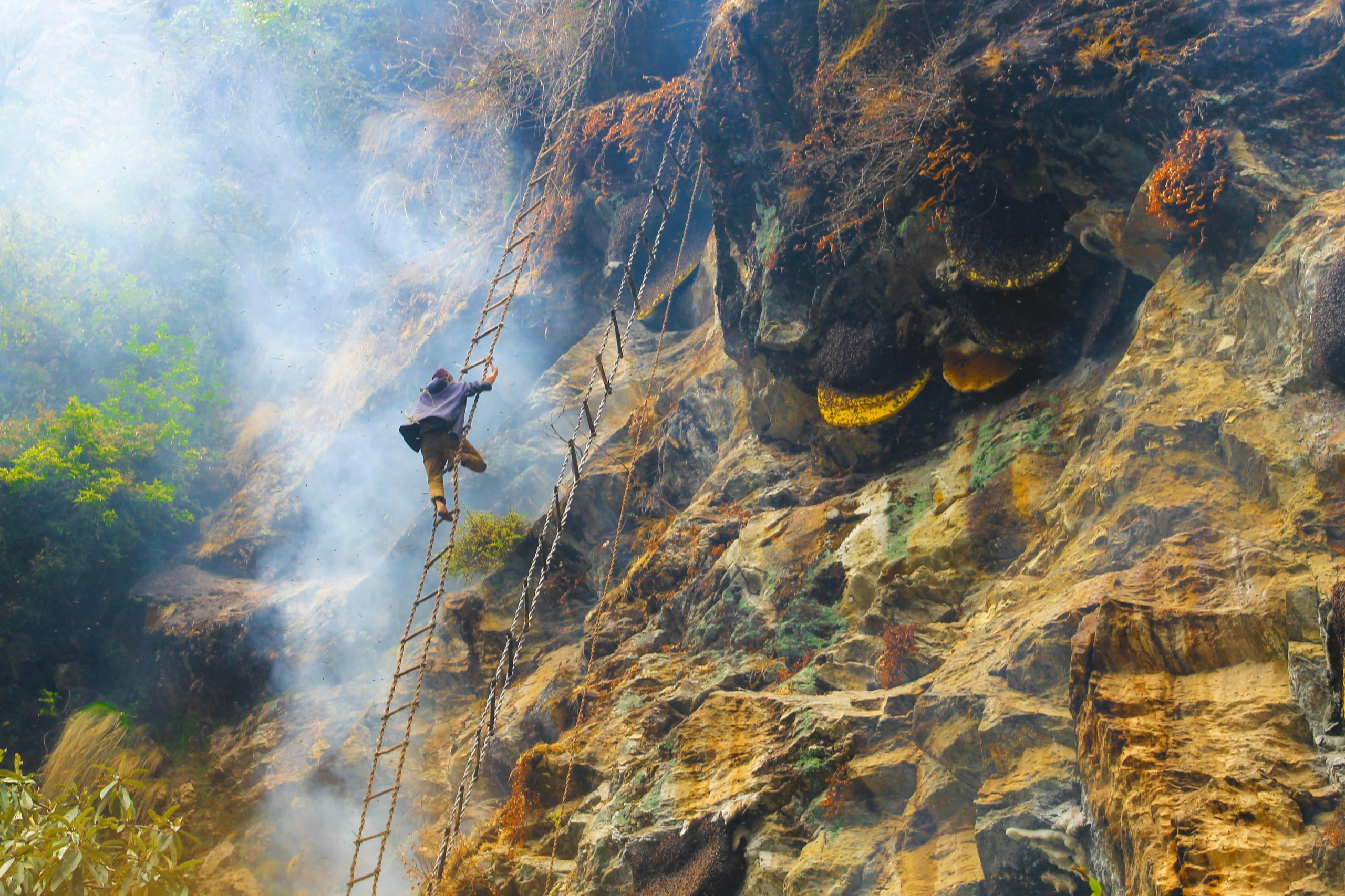
A different venture into the hills of Nepal, Honey hunting Trek will lead you to the simple yet exciting tradition of harvesting the honey from the bee hives which clings on the rocky cliffs, hundreds of meters above the ground. While it is a seasonal chore for indigenous Magar’s and Gurungs in central-western part of Nepal, Honey hunting remains a task of astonishment and adventure to many of the foreigners who visit this Himalayan wonderland.
Though most of the hilly areas of Nepal observe the tradition of honey hunting, it has its dominating presence in the parts of Bhujung, Pasgaon and Chhumrung village. Relatively an easy trail, Honey hunting trekking does not require any prior experience and extra physical vigor. Watching the honey hunters hanging to a less secured home made harness, and smoking out the wild bees from the hives risking their own life, may give you the feeling of encountering miniature version of jungle hunting.
Honey hunting trek is an excellent way to indulge into fun filled dare devil show, combined with the adventure walk into some of the rugged terrains, view of astounding mountain ranges and close interaction with culturally rich locals. Blaze mountain adventure operates honey hunting trekking in some of the amazing locations, through an expert guide who holds close and proper understanding about the honey hunting areas and the age old tradition. Tailored packages can be designed under Honey hunting trek, so do not hesitate and contact us as soon as you get enough of time and bucks; a fantabulous experience awaits you.
Treknote: Honey Hunting Trek:
Trekkers on a honey hunting trip with Blaze Mountain will embark on an adventure into Nepal’s remote hills and witness the ancient, harrowing practice of harvesting honey. Local hunters climb steep cliffs to harvest honey from wild bees, a practice that dates back generations. In the process, you’ll climb through dense rhododendron forests and traditional villages, soaking up Nepal’s rich cultural heritage while taking in stunning vistas of the surrounding peaks. The one-of-a-kind experience boasts a mix of nature, culture, and adventure, perfect for those looking for something truly exceptional.
Additional Information:
You can access full details regarding the Honey Hunting Trek from our website. If you need any extra information or extra service, feel free to contact us. To meet our agent, please follow the link, and/or if you want to talk to us directly, you can call our office at: 01-4522505.
Best Time to Do the Honey Hunting Trek:
Honey Hunting Trek best time is the spring (March to May) months and the autumn (September to November) months. Spring and autumn are the best seasons for trekking with clear skies and moderate weather conditions and some of the most favorable weather options in the region with vibrant flora and visibility of the magnificent Himalayan peak.
In spring, the region’s rhododendron forests burst with flowers. Temperatures are mild and trekking is comfortable, and honey hunting is most active at this time, meaning that trekkers can witness this ancient tradition for themselves.
With crisp, cool air and bright clear skies, autumn is perfect for trekking and photography. It is also the most popular trekking period, as the weather is stable and ideal for exploration. You will get to see the honey hunting practice at its peak during this time and the natural beauty of this area is quite stunning.
Food & Accommodations In honey Hunting Trek:
The warmth and hospitality you will find in local villages along the Honey Hunting Trek is amazing, the food and accommodation basic but genuine. The hike is through the remote areas and local tea houses and lodges serve as a warm and comfortable resting place after you have completed a day of trekking. (Lodges are basic but comfortable, with shared bathrooms, so you really get a cultural immersion.) The amenities may be minimal, but the peaceful setting and the chance to mingle with locals make these stays special.
Meals will consist of traditional Nepali cuisine, with dal bhat (lentil soup and rice) forming the basis of the local diet. You will also have an opportunity to taste several different regional specialties, such as vegetable stews, momo (dumplings) and a variety of flatbreads (roti, chapati). The cuisine will depend on where you are, whilst meals may become more basic in the higher regions when fresh produce is sparse, food here is always freshly cooked and substantial to keep you going for the trek ahead. Tea and coffee are available and it is a good way to warm up after a day in the mountains.
There is no frill set of accommodation or food but that is all worth when you get an experience of such authenticity. Sleeping in local tea houses enables you to delve deeper into the traditions of the people who live in these barren hills. This trek balances culture and adventure, and both the food and accommodation are deeply rooted in that connection to the land.
Health and Safety on the Honey Hunting Trek:
Your health and safety are our number one concern in the Honey Hunting Trek. While trekking in remote locations makes you vulnerable to challenging terrain, It’s vital to keep yourself informed about the associated risks and to be prepared. Here are some important notes to note:
- Acclimatization:
The trek requires going up to higher altitudes so it is important to acclimatize to avoid altitude sickness. We advise a slow approach and giving your body time to acclimatize to the altitude. Stay hydrated, don’t overexert yourself, and pay attention to your body’s messages. If altitude sickness symptoms like headache, dizziness or nausea occur, be sure to immediately inform your guide.
- The right trekking gear:
Having the correct trekking gear is vital for your safety and comfort. Sturdy hiking boots, layered clothing with temp variation, and a good quality rain jacket. A first-aid kit, personal medications and sunscreen are also advised.
- Honey collection safety:
One of the attractions during the trek is the honey hunting, but honey hunting is a dangerous activity. Be sure to adhere to all safety recommendations given to you by your guide, and keep your distance from the honey hunters as much as you can for this part. With the supervision of your guide, you will be up for a controlled and safe watchful experience.
- Health Precautions:
Like all trekking adventures, the basic health issues should be expected and be prepared. Bring any personal medications and make sure your vaccinations are current. It is best to drink bottled or filtered water, as the tap water is not always safe in the region. Local food is usually safe but if you have a delicate stomach, it’s best to stick to dishes you’re used to.
Best Gear for the Honey Hunting Trek:
To ensure a safe and comfortable experience on the Honey Hunting Trek, it’s important to bring the right gear. Here’s a list of essential items to pack:
1. Trekking Boots
- Durable and comfortable with ankle support.
- Waterproof to keep feet dry in wet conditions.
- Good grip for rocky and slippery terrain.
- Pre-broken-in to avoid blisters.
2. Waterproof Jacket and Pants
- Lightweight and breathable to stay comfortable during exertion.
- Essential for protection against rain and wind.
- Waterproof and windproof material to handle sudden weather changes.
3. Warm Layering
- Fleece or down jacket to provide insulation.
- Keep warm during cold mornings and evenings at higher altitudes.
- Layering helps in adjusting to varying temperatures throughout the day.
4. Backpack (30-40L)
- Comfortable with padded straps and a breathable back panel.
- Perfect size to fit daily essentials (snacks, water, camera, extra clothes).
- Should be light enough to carry but spacious enough to store all your gear.
5. Sleeping Bag
- Suitable for temperatures as low as -10°C (14°F).
- Down-filled for warmth and lightweight for easier packing.
- Ensures a good rest after long trekking days in cold conditions.
6. Water Bottle and Hydration System
- Reusable water bottle or hydration system to stay hydrated.
- Water purification method (tablets or portable filter) for safe drinking water.
- Keep refilling during the trek to prevent dehydration.
7. First-Aid Kit
- Includes band-aids, antiseptic ointment, and pain relievers.
- Blister treatment and any personal medications you may need.
- Basic essentials for minor injuries and ailments.
8. Sun Protection
- Sunscreen with SPF 30 or higher for skin protection.
- Sunglasses with UV protection to shield eyes from glare.
- Lip balm with sunblock to prevent chapped lips from the cold and sun.
Travel Tips for the Honey Hunting Trek:
The Honey Hunting Trek is best done by packing wisely, because weather can change at higher altitudes, even when you venture during the best seasons. Pack warm layers, wind and waterproof clothes, trekking gear (poles, a flashlight, a camera, etc.). Drink a reusable bottle that is refilled where safe, but avoid sitting in tap water unless the water is purified. Acknowledge the local culture by asking if you can take photos before doing so, particularly when honey hunting, and be aware of the community’s traditions. When hiking at elevations above 4000m, take it slow and allow for time to acclimatize to prevent altitude sickness. Follow safety rules, especially around honey hunting, and be aware that connectivity in remote parts of the country can be poor. Lastly, bring personal medications, a first-aid kit and always listen to your guide to have a safe and readily experience.
Things to Understand While Going on the Honey Hunting Trek:
General Information about Honey Hunting Trek. Therefore, come prepared for the physical challenges involved in the walk because you might find it very tough, especially the parts with steep climbs or rough trails. An experience of nature and a taste of local life, including the unusually intense and dangerous local honey hunting industry. While honey hunting is a once-in-a-lifetime experience to see in person, just be aware the practice does carry some risks, and be sure to listen to your guide’s safety instructions, keeping a safe distance from the honey hunters as they go about their work.
Also, appreciate that retrace the steps you will be staying in remote villages where accommodations will be basic. Although symbiotically they provide a real cultural experience from the region, they lack many of the luxuries you would expect on other trekking routes. Eating food is real but it can be less and heavier so make sure you carry some snacks and energy bars for extra energy as the altitude increases. Lastly, as you’ll be trekking through remote areas, internet and phone connection will be limited letting you completely unplug and spend time soaking up the natural beauty and cultural heritage of the country.
Considering all of these and preparing for them will allow you to focus on enjoying the adventure, culture and beautiful scenery that the Honey Hunting Trek has to offer you.
Why This Trek with Blaze Mountain?
If you join Honey Hunting Trek with Blaze Mountain, you can rest guaranteed for memorable and safe trekking! You have signed up for a unique experience and having registered with Blaze Mountain, we at Blaze Mountain will ensure that you have an experience of a lifetime with carefully picked guides who will take you through some of the most pristine remote villages and some of the toughest trails. With us, you won’t just see the exciting honey hunting tradition first-hand but also an opportunity to learn about the locality, culture, traditions and history through our guides who share a very special bond with the land.
You are our top priority and we want the very best for the preparationtowards your trek with suitable guidance and equipment. Our minimum fitness requirements are unrivaled in the trekking industry, and we lead you through the acclimatisation process, trekking at a comfortable pace and ensuring you remain healthy at altitude. And because our brand is rooted in responsible and sustainable tourism, you’ll be respecting the environment and contributing to local communities as you explore this wonderful corner of Nepal.
When you trek with Blaze Mountain, the experience will be smooth and enriching as your comfort and cultural immersion is priority for us. Blaze Mountain is there for you from the time you enter to the time you leave!
General Info
Trip Overview
Trip overview content can be added in the About Trip field.
Short Itinerary
- Day 1: Arrival in Kathmandu – Meet at the airport and transfer to your hotel. Briefing in the…
- Day 2: Fly to Lukla, trek to Phakding – Scenic flight to Lukla. Start trek to Phakding. Easy walk beside the…
- Day 3: Phakding to Namche Bazaar – Cross suspension bridges and climb to the Sherpa capital. First views of…
- Day 4: Acclimatization day in Namche – Optional hike to Everest View Hotel or Khumjung. Rest and acclimatize.
Includes / Excludes
Includes:
- ✓ Airport pick-up and drop-off
- ✓ All ground transport as per itinerary
- ✓ Domestic flights (e.g. Kathmandu–Lukla–Kathmandu)
- ✓ Experienced trekking guide and porters
- ✓ Teahouse accommodation during trek
- ✓ All meals (breakfast, lunch, dinner) during trek
- ✓ TIMS and national park permits
- ✓ First-aid kit and emergency support
Excludes:
- ✗ International flights and visa
- ✗ Travel and medical insurance
- ✗ Personal expenses and tips
- ✗ Lunch and dinner in Kathmandu
- ✗ Extra nights and optional activities
- ✗ Personal trekking gear
Detailed Itinerary of Honey Hunting Trek:
Day 1: Arrival in Kathmandu
Meet at the airport and transfer to your hotel. Briefing in the evening.
Day 2: Fly to Lukla, trek to Phakding
Scenic flight to Lukla. Start trek to Phakding. Easy walk beside the Dudh Koshi river.
Day 3: Phakding to Namche Bazaar
Cross suspension bridges and climb to the Sherpa capital. First views of Everest on a clear day.
Day 4: Acclimatization day in Namche
Optional hike to Everest View Hotel or Khumjung. Rest and acclimatize.
Frequently Asked Questions
Find answers to the most common questions about our tours, trekking, and travel services.