
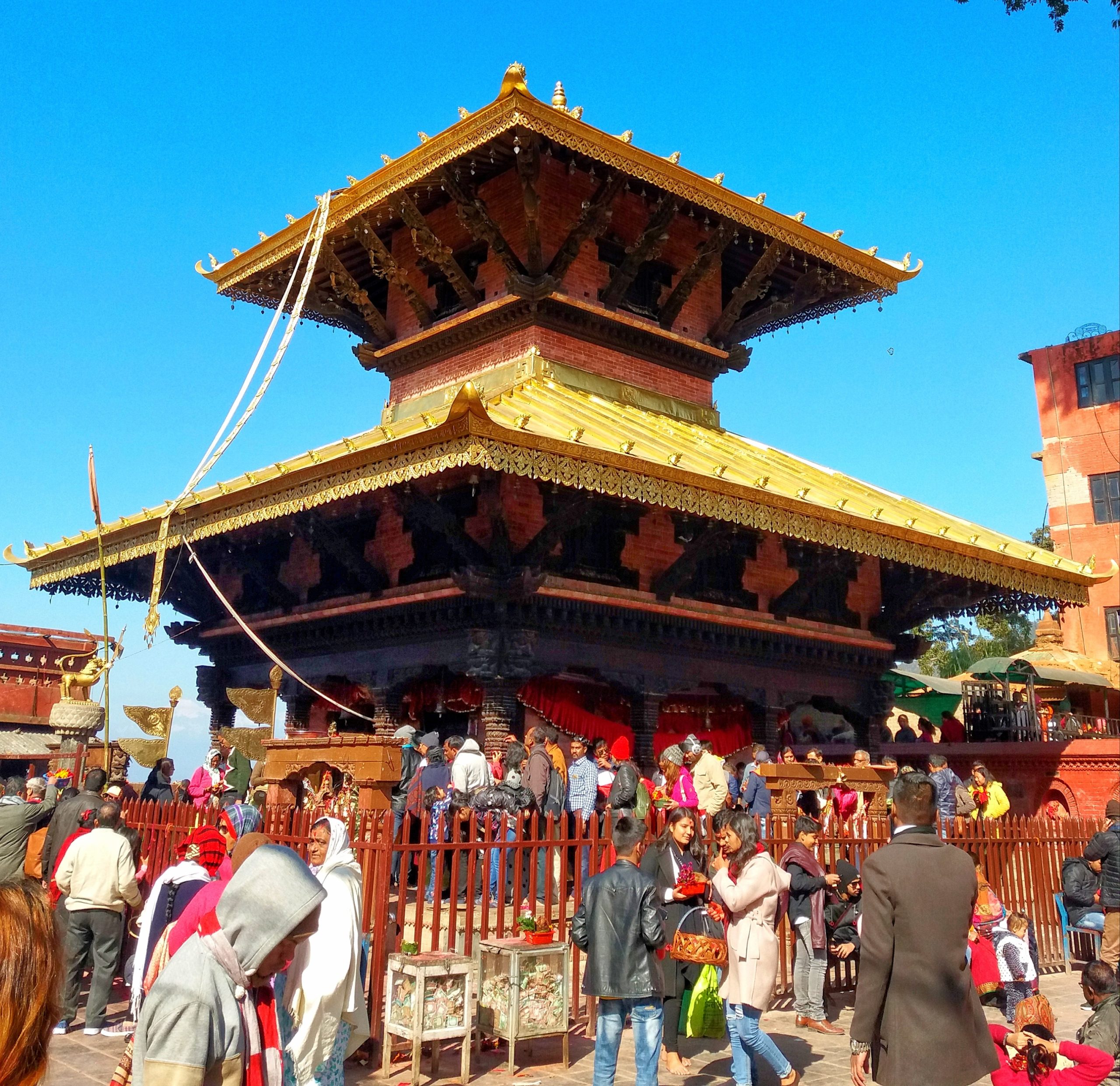
Manakamana Temple Tour Package: Spiritual Tour
Manakamana Temple sits high in the hills of Nepal’s Gorkha District, and honestly, it’s hard to overstate how important this place is for both local pilgrims and travelers from all over. At about 1,300 meters above sea level, you’re surrounded by rolling green hills, river valleys, and, if you’re lucky, those distant snowy peaks of the Himalayas. The temple honors Goddess Bhagwati a deity people believe can grant heartfelt wishes. Even the temple’s name says it all: “Manakamana” comes from Sanskrit for “heart” and “wish.” People come here hoping their prayers will really make a difference.
The stories tied to Manakamana run deep. Local legend says the goddess first appeared during King Ram Shah’s time, which was centuries ago, and since then, the temple has been a spiritual hub. Every year, thousands of people show up, sometimes from far beyond Nepal’s borders, to ask for health, prosperity, and blessings for their families. Festivals like Dashain and Nag Panchami turn the temple grounds into a lively, colorful scene packed with energy and devotion.
But there’s more to Manakamana than just the spiritual pull. Getting there takes you through some of the best of Nepal’s mid-hill scenery think terraced farms, tiny villages, and glimpses of daily life you’d never see from a city bus. A lot of travelers even add Manakamana to their trekking plans, stopping by on their way to or from giant routes like the Annapurna Circuit or Langtang Valley. It’s a perfect cultural break before heading back into the wild.
Back in the day, you needed strong legs and a few hours to make the steep climb from the river up to the temple. Now? There’s the Manakamana Cable Car the first one in Nepal. Hop on in Kurintar, and you’re gliding over forests and rivers, watching villages pass by below. The ride only takes about ten minutes, but the views are worth the trip all by themselves.
Once you reach the top, you’re not just limited to the temple. The area has a laid-back, hilltop vibe where you can wander through local markets, try real Nepali food, or just soak in the wide-open views of the Himalayan foothills. It’s a nice mix part pilgrimage, part adventure, part cultural deep dive all wrapped up in one day trip from Kathmandu or Pokhara.
So, if you’re looking for more than just another trek, Manakamana delivers. Whether you’re chasing blessings, hungry for a slice of Nepali tradition, or just want a new angle on the mountains, this spot brings together spirituality, scenery, and culture in a way that sticks with you long after you’ve left those hills behind.
Additional Information:
You can access full details regarding the Manakamana Temple Tour from our website. If you need any extra information or extra service, feel free to contact us. To meet our agent, please follow the link, and/or if you want to talk to us directly, you can call our office at 01-4522505.
Best Season to Visit Manakamana Temple
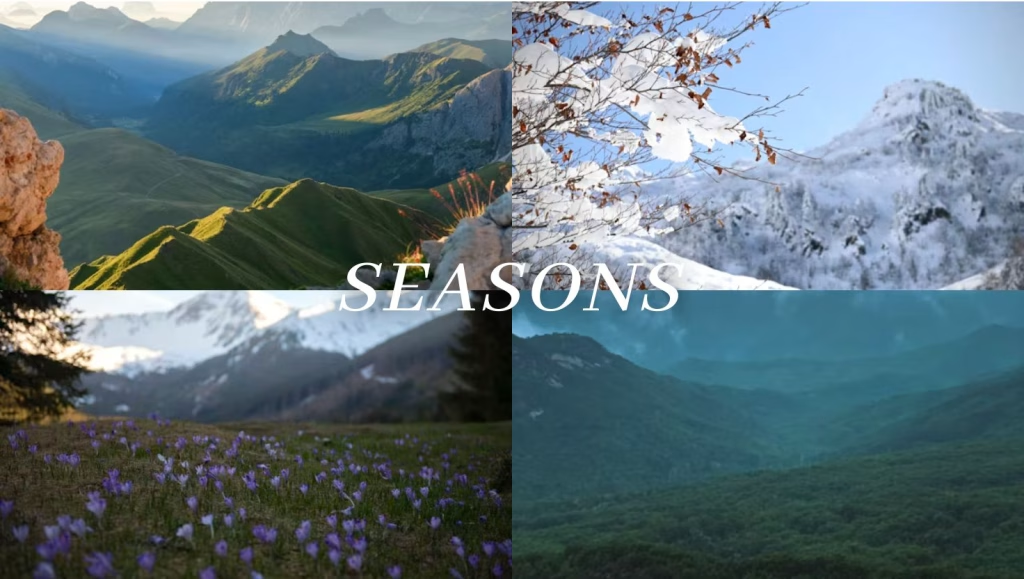
If you’re planning a trip to Manakamana Temple, go in autumn or spring. That’s when the weather’s just right clear skies, comfortable temperatures, and the hills around you practically glow. In autumn, from September to November, you get those big, blue skies and sweeping views over the foothills and green valleys. Plus, it’s festival season. Dashain and Tihar light up the area, turning the temple and nearby villages into lively, colorful places full of energy. With all that going on, it’s no wonder autumn pulls in both devoted pilgrims and curious travelers.
Spring, from March to May, is just as good. The air warms up, perfect for wandering around the hilltop temple or heading out for a hike. The hills burst into color with rhododendrons and wildflowers, so every step is worth a photo. The views? Wide open temple, villages, distant mountains everything looks even more epic in person.
You can still visit in winter or during the monsoon, but each comes with its own set of headaches. Winter mornings get pretty cold, even if the air is crisp and the views are sharp. Monsoon brings rain lots of it. The trails turn slippery, the cable car can be a hassle, and you won’t see much with all that cloud cover.
So, if you want the best of Manakamana a real mix of spiritual buzz, local culture, and scenery that sticks with you aim for autumn or spring. That’s when this place really shines.
Accommodation and Food During Manakamana Temple Tour
In addition to being a spiritual experience, visiting Manakamana Temple offers an opportunity to appreciate the allure of hilltop living in Nepal. This tour offers comfort, culture, and flavor, from comfortable lodgings to real local food, making your pilgrimage a genuinely unforgettable experience.
Accommodation
- Travelers can stay in family-run guesthouses and small hotels near the temple, perfect for a comfortable overnight experience.
- These accommodations provide warm hospitality and essential amenities, ensuring a relaxing stay after the journey.
- Staying overnight allows you to enjoy the peaceful hills, breathtaking sunrise, and panoramic views of the surrounding valleys and mountains.
Food
- Local eateries and stalls offer authentic Nepali meals, including dal bhat, momo, sel roti, and freshly brewed tea.
- Fresh seasonal fruits and local snacks are available, giving visitors a taste of traditional hill cuisine.
- Guests staying overnight can enjoy home-cooked meals prepared by local families, adding warmth and cultural richness to the experience.
This combination of comfortable accommodation and delicious local food ensures that your Manakamana Temple tour is not just a visit, but a complete cultural and spiritual experience that you’ll remember long after your journey.
Things to Do on the Manakamana Temple Tour
The Manakamana Temple tour is more than just a visit to a sacred site. It’s a chance to experience Nepal’s culture, scenic beauty, and spiritual traditions all in one day, making it a perfect blend of adventure, spirituality, and local immersion.
Visit the Temple and Offer Prayers
When you visit Manakamana Temple, you get the chance to stand before Goddess Bhagwati and really put your hopes and worries into your prayers whether it’s for good health, more prosperity, or just something personal on your heart. The temple itself feels ancient, with its old stonework and sacred rituals that have been kept alive for centuries. You don’t just see a piece of history; you feel it. There’s a kind of energy here that pulls in thousands of people from all over Nepal and beyond.
Scenic Cable Car Ride
Getting to the temple is an adventure in itself. The Manakamana Cable Car sweeps you up from Kurintar and whisks you to the hilltop in about ten minutes, but it’s not just about getting from point A to point B. On the way up, you’ll look out over the Trishuli River, patchwork hills, and tiny villages tucked into the landscape. The views are unreal perfect for snapping a few photos or just soaking in the thrill of floating above all that green.
Explore Local Culture and Village Life
Around the temple, you’ll find small markets and villages where life moves at its own pace. Here, you can chat with local families, get a feel for their traditions, and maybe pick up a handmade souvenir or two. Grab a taste of fresh Nepali snacks or whatever fruit’s in season sold right by the roadside. It’s a simple way to connect with the place and add something real to your trip.
Enjoy the Views and Photography
Manakamana sits high above the valleys, with views of terraced fields and the Himalayan foothills stretching out in every direction. If you catch sunrise or sunset, you’re in for something special those colors, that light, it’s magic for photographers and anyone who just loves a good view. Even if you’re not carrying a camera, the calm and beauty here make it easy to just breathe and enjoy the moment, right in the heart of nature.
History of Manakamana Temple
Manakamana Temple has a story that stretches back to the 1600s, tangled up in legend, faith, and Nepalese tradition. The name itself Manakamana comes from Sanskrit: “Mana” means heart, and “Kamana” means wish. People have believed for centuries that the goddess here listens to prayers and grants true wishes.
Here’s how the story usually goes. Back when King Ram Shah ruled Gorkha, his queen supposedly had secret divine powers. Only her close devotee, Lakhan Thapa, knew about them. But once the king found out who she really was, he died under mysterious circumstances. The queen, following old customs, died by sati throwing herself on his funeral pyre. Before she left, she told Lakhan Thapa she’d return to guide him. Months later, while a farmer was working in his field, he found a stone that started to ooze blood and milk. Lakhan Thapa saw this as the queen’s sign. He performed special tantric rituals and built the first temple right there, turning it into the sacred spot people still visit.
The temple has changed a lot over the years. Nepalese kings, local rulers, and regular devotees have all donated, repaired, and expanded it. Lakhan Thapa’s descendants have always looked after the temple, with the priesthood passing down through his family something that still happens now. You’ll notice the temple’s got that classic Nepalese pagoda look. It’s been rebuilt after earthquakes and other disasters, but it’s always bounced back, holding on to its role as a hub of worship and tradition. These days, Manakamana Temple isn’t just a holy place it’s also a powerful symbol of Nepalese faith, drawing thousands of pilgrims and travelers every year.
Special Features and Festivals of Manakamana Temple
Manakamana Temple stands out in Nepal, not just for its spiritual pull, but for the way it draws people from all walks of life, all hoping their wishes come true. People believe the goddess here listens to their deepest hopes, whether it’s for good health, a little more money, peace at home, or just some extra luck. The temple’s old pagoda-style roof, the detailed wood carvings, and that sacred stone idol at its heart give the place a timeless, almost magical feel.
If you ever visit, you’ll notice the daily rituals are a big deal. Devotees come with arms full of flowers, incense, fruits, and red powder. Some tie sacred threads, others leave coins each gesture a way of showing faith. Sure, animal sacrifice was once common, but these days, most people stick to flowers or fruit. It’s a sign of how traditions change, blending old customs with new ways of thinking.
Festivals turn Manakamana into a whole new world. Dashain is the biggest think September or October. The place overflows with people, all gathered to celebrate the goddess and ask for her blessing. It’s loud, joyful, and packed with energy, marking the victory of good over evil. Then there’s Nag Panchami, usually in the middle of the year. On that day, people honor the serpent gods and ask for safety and plenty. Women flock to the temple during Teej, praying for happy marriages and families. Janai Purnima brings in those seeking prosperity and a fresh start.
And it’s not just the big festivals. Local events like the Manakamana Jatra pull in villagers and pilgrims alike. There are processions, prayers, and group offerings. The air fills with music, the sweet smell of incense, and the buzz of tradition. All these moments whether it’s the temple’s reputation for granting wishes, the daily rituals, or the wild energy of the festivals make Manakamana more than just a tourist spot. It’s a living, breathing piece of Nepal’s faith, culture, and community.
Why Choose Blaze Mountain for Your Manakamana Temple Tour
When you choose Blaze Mountain for your Manakamana Temple tour, you’re not just booking another trip you’re stepping into something real. We know this place like home, and we’ve crafted tours that mix culture, adventure, and a few moments you’ll probably remember forever. Everything just works. You get to focus on the journey, not the logistics.
As soon as you hop on the cable car to the temple, our team’s with you. We dive into the stories, legends, and rituals that make Manakamana special, so you get what all the fuss is about. Leave the details to us places to stay are comfy, the food is real and local, and getting around is a breeze. All you have to do is take it in: the views, the energy, the vibe.
What really matters to us are those little moments. Maybe you catch a sunrise from a hilltop, swap stories with a local in the village, or just take a deep breath inside the temple and realize you’re actually here. Those are the things that stick. After years leading treks and cultural tours across Nepal, we know the best corners, we’ve got tips you won’t find in guidebooks, and we always look out for your comfort and safety. Blaze Mountain isn’t just about getting you up to Manakamana it’s about giving you a trip that’s packed with culture, heart, and memories you’ll carry home.
General Info
Trip Overview
Trip overview content can be added in the About Trip field.
Short Itinerary
- Day 1: Arrival in Kathmandu – Meet at the airport and transfer to your hotel. Briefing in the…
- Day 2: Fly to Lukla, trek to Phakding – Scenic flight to Lukla. Start trek to Phakding. Easy walk beside the…
- Day 3: Phakding to Namche Bazaar – Cross suspension bridges and climb to the Sherpa capital. First views of…
- Day 4: Acclimatization day in Namche – Optional hike to Everest View Hotel or Khumjung. Rest and acclimatize.
Includes / Excludes
Includes:
- ✓ Airport pick-up and drop-off
- ✓ All ground transport as per itinerary
- ✓ Domestic flights (e.g. Kathmandu–Lukla–Kathmandu)
- ✓ Experienced trekking guide and porters
- ✓ Teahouse accommodation during trek
- ✓ All meals (breakfast, lunch, dinner) during trek
- ✓ TIMS and national park permits
- ✓ First-aid kit and emergency support
Excludes:
- ✗ International flights and visa
- ✗ Travel and medical insurance
- ✗ Personal expenses and tips
- ✗ Lunch and dinner in Kathmandu
- ✗ Extra nights and optional activities
- ✗ Personal trekking gear
Detailed Itinerary of Manakamana Temple Tour Package: Spiritual Tour:
Day 1: Arrival in Kathmandu
Meet at the airport and transfer to your hotel. Briefing in the evening.
Day 2: Fly to Lukla, trek to Phakding
Scenic flight to Lukla. Start trek to Phakding. Easy walk beside the Dudh Koshi river.
Day 3: Phakding to Namche Bazaar
Cross suspension bridges and climb to the Sherpa capital. First views of Everest on a clear day.
Day 4: Acclimatization day in Namche
Optional hike to Everest View Hotel or Khumjung. Rest and acclimatize.
Frequently Asked Questions
Find answers to the most common questions about our tours, trekking, and travel services.