
Mardi Himal Peak Climbing
[Trip_Info_Shortcode id=’13493′]
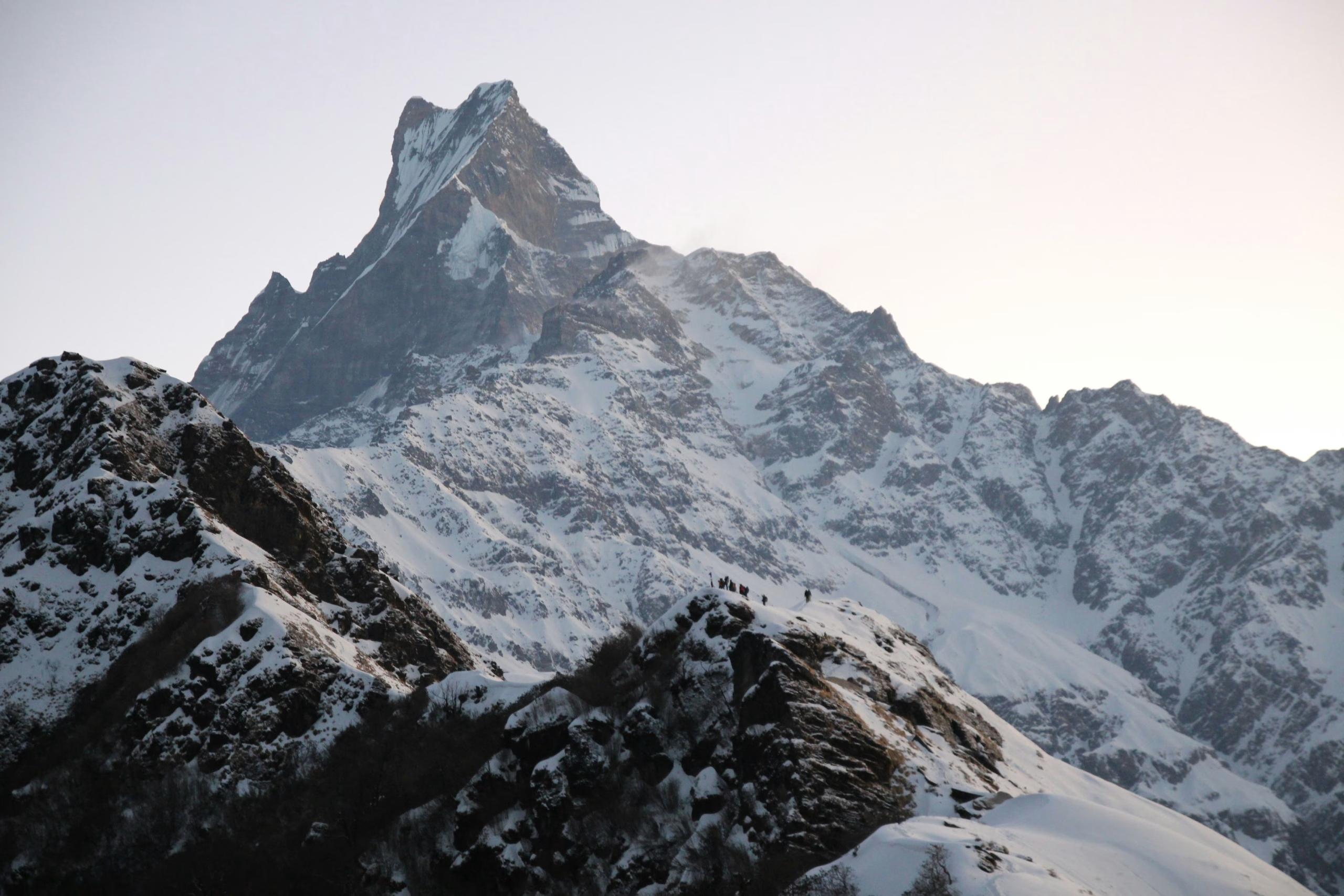
Mardi Himal Peak Climbing is one of the best secrets of Annapurna territory that offers the best peak climbing and trekking experience. Mardi Himal stands 5,587 meters above sea level and is an off-the-beaten-path peak in the shadow of legendary Machhapuchhre (Fishtail) peak. The trekking is suitable for beginner to intermediate-level climbers looking for a Himalayan summit experience without any technical problems. The hiking is through rhododendron woods, traditional Gurung towns, and alpine meadows, providing the trekkers with fine cultural and natural exposure.
The trek begins with a drive to Pokhara, followed by a hike on peaceful trails to Mardi Himal Base Camp. The view of the Annapurna range, Dhaulagiri, and Machhapuchhre gets better with every step ascending higher. The final ascent to the summit is steep but pleasing, with widescreen Himalayan views from the peak. Trekkers will discover the trek to be safe and a very gratifying one with adequate acclimatization and an expert crew.
Though busy trekking trails, Mardi Himal Peak Climbing offers isolation and tranquility in the Himalayas. It is not about arriving somewhere; it is about arriving, seeing, and the peace of mountains. So, if you want to take your first step towards standing on a summit or simply need a second one to include in your bucket list, then Mardi Himal Peak is the one. You will be guided through this lifetime, thrilling Himalayan experience by Blaze Mountain.
Trek Note: Mardi Himal Peak Climbing
Mardi Himal Peak Climbing is perfect for a novice climb for Himalayan mountaineering enthusiasts seeking no seriously challenging technicality. At a height of 5,587 meters at the summit in the Annapurna range, this spot is providing panoramic views of Machhapuchhre, Annapurna South, Hiunchuli, and others among the region’s giants. It passes through peaceful forest trails, alpine ridges, and remote valleys, providing an unspoiled, less touristy but highly satisfactory experience. A blend of teahouse trek and camping, the climb incorporates comfort and adventure at the same time. The Mardi Himal climb demands a lower level of fitness and some existing experience in the past in trekking, but the climb is feasible with experienced climbing staff to lead.
Acclimatization has been included in the program for a successful ascent, and a backup day is also included for more success. It’s best to ascend this mountain in spring or autumn with fine weather and the finest mountain views. Whether you are a beginner climber or a seasoned trekker looking for a new climb to attempt, Mardi Himal will be rewarding and worth your while.
Additional Information:
You can access full details regarding the Mardi Himal Peak Climbing from our website. If you need any extra information or an extra service, feel free to contact us. To meet our agent, please follow the link, and/or if you want to talk to us directly, you can call our office at 01-4522505.
Specialty of Mardi Peak Climbing:
Mardi Himal Peak Climbing is unique for its peaceful trails, stunning vistas, and simplicity for beginner climbers. Mardi Himal offers a peaceful experience in the form of pristine forests, villages and settlements, and alpine ridges, unlike other more frequented trekking peaks. The trek offers a reasonable balance of adventure and comfort in terms of teahouse accommodation at lower elevations and camping for the summit climb. This makes the experience physically demanding and culturally enriching.
One of the greatest attractions of Mardi Himal is its picture-postcard perfection at Machhapuchhre (Fishtail), seemingly just a hand’s reach away. Summit viewpoint provides stunning views of the Annapurna massif, including Annapurna South, Hiunchuli, Gangapurna, and Dhaulagiri. Climbers will get to see the best of the Himalayas with relatively little technical climbing involved. Its comparatively lower altitude than other mountains also makes it a perfect practice climb for those who want to attempt more climbs at higher altitudes in the future.
The climb is also famous for its comfortable and safe itinerary, which ensures maximum acclimatization and successful summits. With a contingency day built in and a sensible rate of ascent profile, Mardi Himal Peak Climbing provides a higher chance of completion safely. It’s ideal for the trekkers who would like to push themselves on their inaugural peak climb yet simultaneously also want to absorb the stunning natural beauty, hospitality, and cultural wealth that the Annapurna region is so famous for.
Is Mardi Himal Peak Climbing Right for Trekkers and Climbers?
- Ideal for trekkers looking to step into mountaineering, Mardi Himal Peak Climbing is non-technical and accessible for those with good fitness and trekking experience.
- Perfect for experienced trekkers seeking a less-crowded and scenic alternative in the Annapurna region, with incredible views and rewarding summit experiences.
- Great for seasoned climbers as a warm-up or acclimatization peak, offering a fulfilling adventure with basic climbing routines and a shorter itinerary.
- A suitable option for anyone wanting to challenge themselves at higher elevations without the complexities of technical climbing.
- Provides an opportunity to explore the pristine beauty of the Annapurna region with its peaceful trails and stunning mountain vistas.
- Designed with safety in mind, the itinerary includes acclimatization days and expert guides, making it a safer and more enjoyable peak for climbers of varying experience levels.
Best Season for Mardi Himal Peak Climbing
The secret to a fun and safe Mardi Himal Peak Climbing experience is picking the appropriate time of year. Depending on the season, the Himalayas’ weather may change dramatically, and each one has advantages and disadvantages of its own. Here is a summary of Nepal’s four seasons and how they impact your trek and ascent to Mardi Himal to help you plan your journey.
- Spring (March to May):
It is advised to climb Mardi Himal Peak in the spring season. It is properly clear weather with mild temperatures at low altitudes and good weather at high altitudes. There is a blossoming of flowers in the rhododendron plant in the spring season, the atmosphere is colored, and the mountain region is pleasant. Spring has good weather, clear blue skies, and no chance of snowfall, and thus the climbing and trekking season is optimal. - Summer (June to August):
Because the monsoon period in Nepal is during summer, the time of year is not appropriate for Mardi Himal Peak Climbing. It is a rainy season with a slippery track, poor visibility, and a high rate of landslides. The weather is hot and humid, and forest trails are slippery and wet. While still accessible to some trekkers, the conditions are more dangerous and difficult to control, especially at higher elevations. - Autumn (September to November):
The autumn season is also a proper time for Mardi Himal Peak Climbing because it offers dry and stable climatic conditions. The climate is cold and clear with beautiful panoramic views of the Annapurna range and surrounding mountains. Autumn is the most favored among trekkers and mountaineers because there are no clouds and no possibility of rain or snowfall. The vegetation and the cool breezes also make autumn the most desirable season for mountaineers. - Winter (December to February):
Winter is a tougher season for Mardi Himal Peak Climbing with low temperatures and possibilities of snow at high altitudes. The trails are less crowded, which might be a probable option for those who prefer solitude, but the weather is tough. Snow and ice will render trekking difficult, especially at an elevation of over 3,000 meters, and altitude sickness is more likely due to coldness and limited sunshine intervals. Climbing can be conducted at this stage, but only for specialists and skilled persons.
Climate and Weather Conditions During Mardi Peak Climbing:
| Altitude Range | Temperature (°C) | Weather Conditions | Notes |
|---|---|---|---|
| 1,000 – 2,000 m | 15°C to 25°C (Spring/Autumn) | Warm days, cool nights, occasional rainfall | Lush forests, comfortable trekking temperature |
| 1,000–2,000 m | 10°C to 20°C (Spring/Autumn) | Clear skies, occasional fog, mild wind | Rhododendron forests and beautiful views begin to appear |
| 2,000–3,000 m | 0°C to 15°C (Spring/Autumn) | Cooler temperatures, windy at times, dry weather | Scenic ridge walks with open views of Annapurna range |
| 3,000–4,000 m | -5°C to 10°C (Spring/Autumn) | Cold mornings and nights, strong sun, dry and crisp air | Closer views of Machhapuchhre and preparation for summit |
| Above 5,000 m (Summit) | -10°C to -5°C (Spring/Autumn) | Cold, windy, potential snow; requires proper gear | Early morning summit push with alpine conditions |
Local Culture and Tradition Around Mardi Peak:
The Mardi Himal region is blessed with the warm and smiling Gurung and Magar tribes, who have preserved their rich heritage intact for centuries. While trekking through remote villages like Landruk, Forest Camp, and Siding, you will get to see the villagers’ routine life amidst local culture, anything from farming on terraced hillsides to Buddhist prayer flags fluttering in the wind. The inhabitants are a mix of Buddhist and animist religious customs, and there are chortens, mani walls, and little monasteries one finds along the way.
Hospitality is a way of life among them. Traditionally, you are welcomed as you arrive, and on overnights spent in villages, you can indulge in favorites like dhindo, gandruk, and millet beverages. Cultural performances, especially on occasions such as Tihar or Losar, familiarize you with their own traditional clothes, music, and dance. It’s not mountain trekking; it’s living culture that places you in rhythm with rural Himalayan existence.
By climbing Mardi Himal, you are also supporting community-based tourism, which not only conserves such traditional local customs but also boosts the livelihood of individuals living in this area. It is the union of nature and cultural abundance that makes it even more meaningful to trek up to Mardi Himal.
Food & Accommodation Facilities During Mardi Peak Climbing:
Climbing Mardi Himal Peak will take you through a variety of quaint towns and tranquil forest paths in the Annapurna area, where comfort and simplicity coexist. The route still has well-run teahouses and lodges all the way up to the base camp area, despite being less marketed than some of the more well-known treks. Friendly locals staff these facilities, which offer a comfortable spot to relax, rejuvenate, and take in the breathtaking mountain views. Tented camping may be necessary as you climb higher, especially at High Camp and the summit base, especially on the last ascent.
Food Options
The diet on Mardi Himal Peak Climbing revolves around high-calorie, easily digestible food to render you strong and healthy at higher altitudes.
- Dal Bhat (Lentil Soup and Rice): Nepal’s ultimate trek fuel with a combination of carbohydrate, protein, and fiber.
- Momos: Steamed or fried vegetable or meat-filled dumplings that serve as an excellent meal or snack.
- Thukpa & Sherpa Stew: Spicy, hot soups made with noodles, vegetables, and sometimes meat ideal for cold nights.
- Fried Rice, Pasta & Noodles: Standard fare served in teahouses to refuel energy after a day’s trekking.
- Snacks & Energy Bars: Available in teahouses—Snickers, biscuits, locally roasted nuts, and energy bars.
- Hot Drinks: Masala tea, ginger lemon honey, coffee, and hot chocolate to keep you warm and snug.
Accommodation Options
Accommodation on the Mardi Himal route is basic but comfortable, giving trekkers a warm place to rest after each day’s journey.
- Teahouses/Lodges: Available up to High Camp, these are family-run lodges offering hot beds and prepared meals. A sleeping bag is recommended for added warmth.
- High Altitude Tents: For summit climbs, tented camping is inevitable and is arranged by the guiding team, with accommodation and food arrangements taken care of.
- Room Types: Basic twin-sharing rooms are common; private rooms are found in lower areas like Forest Camp or Siding.
- Restroom Facilities: Mostly shared toilets, often squat toilets, with little access to hot water especially at higher altitudes.
These food and accommodation services along the Mardi Himal route ensure you stay energized, warm, and well-rested throughout the climb, while also letting you enjoy the charm and hospitality of Nepal’s mountain communities.
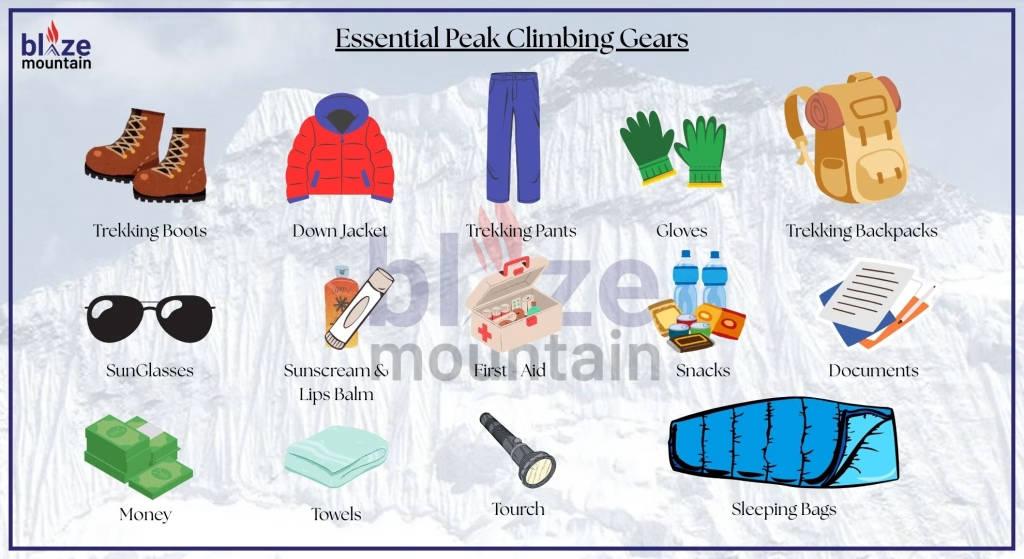
Essential Gear for Mardi Himal Peak Climbing:
Why Choose Mardi Himal Peak Climbing with Blaze Mountain?
Choosing Blaze Mountain for your Mardi Himal Peak Climbing tour is about being part of a team of enthusiasts, experts, and a seasoned team with the correct vision of Himalayan discovery. We craft well-planned itineraries which incorporate a combination of sheer scenery, rich culture, and professionally guided trekking to ensure your experience is safe yet one to cherish. Not only are our local guides trained specialists but also locals to the ground, weather patterns, and the native populations—ensuring every step of your climb is advised and backed.
At Blaze Mountain, your comfort, safety, and genuine experience are paramount. From effective accommodations and nutritious meals to personalized care and solid logistics, we leave no stone unturned in attending to the smallest detail so that you can focus on the adventure before you. A novice climber or experienced mountaineer, our commitment to responsible travel, local partnership, and client satisfaction makes us a dependable choice to reach the summit of Mardi Himal and cherish memories for a lifetime.
General Info
Trip Overview
Trip overview content can be added in the About Trip field.
Short Itinerary
- Day 1: Arrival in Kathmandu – Meet at the airport and transfer to your hotel. Briefing in the…
- Day 2: Fly to Lukla, trek to Phakding – Scenic flight to Lukla. Start trek to Phakding. Easy walk beside the…
- Day 3: Phakding to Namche Bazaar – Cross suspension bridges and climb to the Sherpa capital. First views of…
- Day 4: Acclimatization day in Namche – Optional hike to Everest View Hotel or Khumjung. Rest and acclimatize.
Includes / Excludes
Includes:
- ✓ Airport pick-up and drop-off
- ✓ All ground transport as per itinerary
- ✓ Domestic flights (e.g. Kathmandu–Lukla–Kathmandu)
- ✓ Experienced trekking guide and porters
- ✓ Teahouse accommodation during trek
- ✓ All meals (breakfast, lunch, dinner) during trek
- ✓ TIMS and national park permits
- ✓ First-aid kit and emergency support
Excludes:
- ✗ International flights and visa
- ✗ Travel and medical insurance
- ✗ Personal expenses and tips
- ✗ Lunch and dinner in Kathmandu
- ✗ Extra nights and optional activities
- ✗ Personal trekking gear
Detailed Itinerary of Mardi Himal Peak Climbing:
Day 1: Arrival in Kathmandu
Meet at the airport and transfer to your hotel. Briefing in the evening.
Day 2: Fly to Lukla, trek to Phakding
Scenic flight to Lukla. Start trek to Phakding. Easy walk beside the Dudh Koshi river.
Day 3: Phakding to Namche Bazaar
Cross suspension bridges and climb to the Sherpa capital. First views of Everest on a clear day.
Day 4: Acclimatization day in Namche
Optional hike to Everest View Hotel or Khumjung. Rest and acclimatize.
Frequently Asked Questions
Find answers to the most common questions about our tours, trekking, and travel services.