
Paldor Peak Climbing
[Trip_Info_Shortcode id=’13432′]
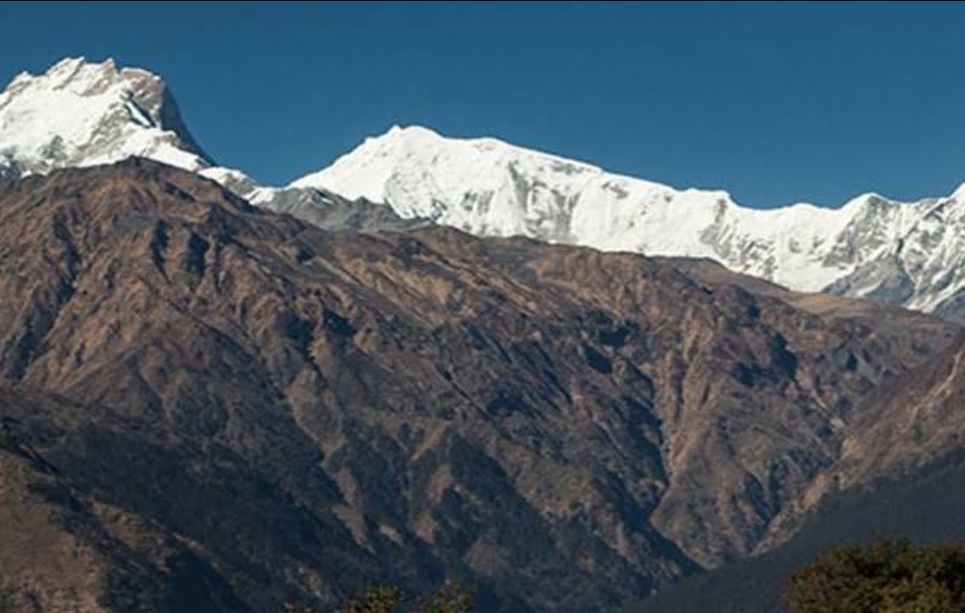
Paldor Peak Climbing is a unique high Himalayan adventure in the remote and unspoiled Ganesh Himal region of Nepal. Unlike its more commercial trekking peak counterparts, Paldor remains a wild mountain, a true wilderness experience for climbers. The trail traverses culturally rich Tamang villages, dense rhododendron forests, alpine meadows, and rugged glacial landscapes, making it a delightful fusion of culture and adventure. The summit is both a visual and emotional reward, with panoramic views of Ganesh Himal, Langtang Lirung, Manaslu, and even Shishapangma (in Tibet).
This 17-day adventure with Blaze Mountain starts with a scenic drive from Kathmandu to Syabrubesi and then follows an off-the-beaten-path trail through the Ruby Valley up to Paldor Base Camp. A hybrid trekking/climbing experience, the ascent includes both teahouse and camping accommodation. The ascent itself, though, is a moderate climb and does require some basic mountaineering skills: using crampons, ropes, and an ice axe. The sunrise views from High Camp on the way to the summit are breathtaking, and the sense of achievement is unparalleled. You are well supported throughout with our experienced guides and crew, making this a safe and highly personalized trip.
Trip Price Catch the Paldol Peak climbing tour package for sale, which includes airport pick-ups and drop-offs, transportation, accommodation (2 nights in Kathmandu + a teahouse for the whole trek + a tent at Base Camp/High Camp), every meal while trekking and climbing, permits (climbing, TIMS), authorized climbing guides, porters, and all types of equipment for group climbing. That cost does not include personal climbing gear, travel insurance, visa fees, and international flights. This journey is perfect for trekkers wanting to enter the world of mountaineering or climbers looking to attempt a more obscure Himalayan summit with trusted local experts.
Treknote: Paldor Peak Climbing
Paldor Peak Climbing (5,896m) is an exhilarating journey into the unspoiled beauty of the Ganesh Himal, giving climbers a less commercial option than the more touristy Himalayan summits. This 17-day trip would take you to beautiful Tamang villages, green forests, and remote Alpine nature, followed by climbing the mesmerizing summit of Paldor Peak. The climb provides not only natural grandeur and cultural richness, but it also offers the majestic views of Langtang, Ganesh Himal, Manaslu, and Shishapangma. It’s a combination of teahouse trekking and high-altitude camping, which gives it a nice mix and challenge — great for climbers looking for a different mountaineering experience.
The Paldor Peak Climbing Package with Blaze Mountain includes all ground transportation, airport pick-up and drop-off, 2 nights of hotel accommodation in Kathmandu, full board meals during the trek, teahouse and tented accommodation, climbing permits and licensed guides, porters, and group climbing equipment. International flights, personal climbing gear, insurance, visa fees, and tips are not included. This is an ideal trip for those with some climbing experience looking to summit a less-frequented peak while absorbing the beauty and culture of Nepal’s high Himalayas.
Additional Information:
You can access full details regarding the Yala Peak Climbing from our website. If you need any extra information or extra service, feel free to contact us. To meet our agent, please follow the link, and/or if you want to talk to us directly, you can call our office at: +977-1-4522505
Specialty of Paldor Peak Climbing:
On this note, Paldor Peak Climbing is one of the signature peak climbing expeditions in Nepal that is special and serves as a lesser-traveled mountaineering expedition in Nepal, taking you on an adventurous, cultural, and pure nature exploration route. May the respect, essential for all amazing trekking foundations in Nepal, be viewed as a valid statement about the climb to the Ganesh Himal range, which isn’t so frequented, so anticipate a fastener without the thick tow of tourists frequenting the favored summits. The hike through remote villages like Gatlang and Somdang showcases the traditional lifestyle of the Tamang people, adding local cultural charms to the walk.
The route itself has a moderate-to-challenging grade well suited to climbers with a little mountaineering experience. The summit of Paldor Peak offers climbers breathtaking panoramic views of some of Nepal’s most beautiful mountains: Langtang Lirung, Ganesh Himal, Manaslu, and even Tibet’s Shishapangma. For that reason, this perspective offers a wonderful opportunity to experience beauty in its purest and unspoiled form in the Himalayan landscape.
The unique aspect of teahouse trekking is that climbers can also camp, which allows you to experience both the comfort of local accommodations and the excitement of sleeping in high-altitude base camps and high camps throughout the expedition. Moreover, the trail provides an excellent acclimatization opportunity, which is essential for a safe and successful climb at high altitudes. When combined with the challenge of mountaineering as well as cultural immersion, Paldor Peak has something special for each and every adventurer.
Is Paldor Peak Climbing Right for Trekkers and Climbers?
- Paldor Peak is suitable for trekkers with basic mountaineering skills who want to challenge themselves with a moderate climb.
- It is ideal for beginners who have experience with high-altitude trekking and basic mountaineering techniques like using crampons and ice axes.
- The trek offers a perfect mix of cultural exploration and scenic adventure, making it ideal for trekkers seeking more than just a physical challenge.
- If you prefer a quieter, less crowded experience, Paldor Peak provides an opportunity for solitude and peaceful trekking.
- The route includes ample acclimatization days, ensuring safety for those new to high-altitude climbs.
- For experienced trekkers looking to transition into mountaineering, Paldor Peak serves as an excellent stepping stone to more technical climbs.
Best Season for Paldor Peak Climbing
For your Paldor Peak climb to be both safe and fun, choosing the appropriate season is essential. Knowing the features of each season will help you choose the ideal time to go on your expedition because the weather and hiking conditions change greatly throughout the year. For climbers, every season provides a different experience, from the blossoming splendor of spring to the clear, crisp days of autumn. An outline of each season’s expectations and which one best fits your trekking tastes may be found below.
- Spring (March to May):
Best Season to Climb Paldor Peak Spring is one of the best times to climb Paldor Peak. The weather is stable, with a clear sky, and temperatures are moderate, making this trek relatively easy. The green forests lining the route burst with life, and surrounding alpine meadows begin to awaken. It is also the best season for the colorful rhododendron flowers and lush green vegetation, and the weather is not too cold for climbing as well. - Summer (June to August):
It moves to the summer, or the monsoon season, which is not a good time for the Paldor Peak ascent. It rains heavily in the region, which makes the paths slippery and increases landslide risks. Overcast and humid conditions can obstruct visibility and make trekking more difficult. Although the temperature is higher, humidity poses an issue during monsoon season, so high-altitude climbs are uncomfortable and unsafe. - Fall (September to November):
Autumn is the peak trekking and climbing season in Nepal; therefore, it is also a perfect moment to attempt Paldor Peak. The weather is cool but steady, with clear skies and good visibility. The trails are dry and well-maintained, so travel is easier and more enjoyable. Spring is the most popular time of year to climb Paldor Peak, providing the best conditions to successfully summit Paldor and see its neighboring peaks: Manaslu, Langtang, and Ganesh Himal. - Winter (December to February)
The winter season on Paldor Peak provides a less crowded and more difficult climb. Though temperatures plummet, particularly at high altitudes, the skies are mostly clear and the snow-clad mountains are stunning. But snow and ice make poor conditions for climbing, and advanced climbing skills are needed. Winter can be a rewarding season if you’re prepared for bitter cold and tough conditions but is best suited for more experienced climbers.
Climate and Weather during Paldor Peak Climbing:
| Altitude | Spring (March – May) | Summer (June – August) | Autumn (September – November) | Winter (December – February) |
|---|---|---|---|---|
| Lower Altitudes (1,400m – 2,500m) | Day: 10°C to 20°C Night: 5°C to 10°C | Day: 15°C to 25°C Night: 10°C to 15°C | Day: 12°C to 20°C Night: 5°C to 10°C | Day: 5°C to 10°C Night: 0°C to -5°C |
| Mid Altitudes (2,500m – 4,000m) | Day: 5°C to 15°C Night: -5°C to 0°C | Day: 10°C to 15°C Night: 5°C to 10°C | Day: 5°C to 15°C Night: -5°C to 0°C | Day: 0°C to -5°C Night: -10°C |
| Base Camp (4,200m – 4,500m) | Day: -5°C to 5°C Night: -10°C to -15°C | Day: -5°C to 5°C Night: -15°C | Day: -5°C to 5°C Night: -10°C to -15°C | Day: -5°C to -10°C Night: -15°C or lower |
| High Camp (4,800m – 5,500m) | Day: -5°C to 0°C Night: -15°C or colder | Day: -5°C to 0°C Night: -20°C | Day: -5°C to 0°C Night: -15°C or colder | Day: -10°C to -15°C Night: -20°C or lower |
| Summit (5,896m) | Day: -10°C to -5°C Night: -20°C or lower | Day: -10°C to -5°C Night: -20°C | Day: -10°C to -5°C Night: -20°C or lower | Day: -15°C to -20°C Night: -25°C or colder |
Local Culture and Tradition Around Paldor Peak
The area surrounding Paldor Peak is also inhabited by the Tamang people, an indigenous population with deep cultural ties to Tibetan Buddhism. When trekking, you will reach the Tamang community, where you will find warm hospitality in the villages of Gatlang, Somdang, and Borang. Their lifestyle is predominantly agricultural, with animal husbandry and a connection with nature being an integral part. The villages contain stone houses, terraced fields, and Buddhist shrines, with an air of peace and hospitality.
Tibetan Buddhism has had much impact on the culture of Tamang, where each day is indulged in various aspects of rituals. You will also pass Buddhist stupas, prayer flags, and mani stones carved with sacred prayers along the trekking route. The local monasteries and shrines not only play an essential role in serving as places of worship but also as community gathering spaces — reminding the people of their deep spiritual connection to the land and mountains. Various festivals like Lhosar (Tibetan New Year) and Buddha Jayanti are observed with full zeal with breathtaking dances, rhythm, and religious rituals, allowing the trekkers to get exposed to the cultural wealth that this region possesses.
Tamang cuisine is wholesome, tailored to the rugged mountain surroundings. Staples include dal bhat, tsampa, and momo, while butter tea (su cha) is traditionally served to guests as a sign of respect and hospitality. The journey provides both the natural beauty and the cultural experience by accommodating you with the traditions, food, and religious lifestyle of the Tamang people. The Paldor Peak trek offers plenty of natural beauty as well as a meaningful cultural exploration of the local population, who are respectful of nature and have a sacred connection to the mountains.
Food & Accommodation Facilities during Paldor Peak Climbing
Food and lodging choices for trekkers on the Paldor Peak Climbing expedition are simple yet satisfying. These amenities are intended to meet hikers’ energy requirements for the ascent and blend well with the harsh Himalayan environment. A distinctive cultural experience that melds with the Ganesh Himal region’s natural beauty is provided by the hospitality along the path, which represents the customs of the Tamang and Tibetan people.
Food Options:
The food along the Paldor Peak route is designed to sustain trekkers with hearty meals that fuel the body during the rigorous climb. The dishes served are a mix of Nepali, Sherpa, and Tibetan cuisines, tailored for high-altitude trekking.
- Dal Bhat (Lentil Soup and Rice): A common Nepali meal made up of rice, lentil soup, and vegetables served with or without meat. It gives vital energy for hiking long days.
- Snack: Momos (Dumplings): Momos, steamed or fried dumplings filled with vegetables or meat, are a popular snack among trekkers as they provide a quick and nutritious meal.
- Sherpa Stew: Vegetables, potatoes, meat all in one warming, nutritious meal Sherpa stew is ideal for cold nights and gives you the energy to recover after a day on the trail.
- Tibetan Bread with Butter Tea: A signature dish of Tibetan culture, Tibetan bread is typically served with butter tea, a high-calorie drink that combines tea with butter and salt. It helps trekkers keep warm and sustain their energy levels.
- Noodles and Soup: Easy to digest and comforting, noodles and soup help trekkers stay hydrated and warm, particularly after long, exhausting days on the trail.
- Snack: carry biscuits, chocolate, energy bars etc to munch on during trek. For trekkers who need a way to warm up and build up energy, hot drinks, including coffee, tea, and hot chocolate, are also offered.
Accommodation Options:
The accommodation along the Paldor Peak route primarily consists of teahouses and lodges, which offer basic yet comfortable places to rest after a long day of trekking. These accommodations, usually family-run, are reflective of the local Tamang and Tibetan cultures and provide the necessary amenities for trekkers.
- Teahouses: The most prevalent type of accommodation, teahouses usually have communal bedrooms with basic sleeping pads, cushions, and common toilets. They have wood-burning stoves for heat, but trekkers should come with sleeping bags to keep comfortable in the cold nights.
- Lodges: Participants can also find basic lodges in some of the higher-altitude locations such as Somdang and High Camp, with similar amenities as teahouses. The lodges provide hot meals and a warm, homey atmosphere for trekkers to relax and bead.
- Room Categories: Most lodging on route are shared rooms. Private rooms may be offered in busier spots, but they are limited. Even in more rustic settings, the bare-bones lodges offer a place to rest and refuel for the next stage of the ascent.
- Common Restroom: Most of the guesthouses have common bathrooms outside of the rooms. The lodges have basic facilities squat toilets and no hot water but are adequate for trekkers’ needs.
The combination of wholesome food and simple yet comfortable accommodations allows trekkers to rest, recover, and enjoy their adventure to Paldor Peak, while experiencing the genuine hospitality and traditions of the local communities.
Essential Gear for Paldor Peak Climbing
Clothing & Apparel:
- Base Layer (Thermal Wear)
- Insulating Layer (Fleece or Down Jacket)
- Outer Layer (Windproof & Waterproof Jacket)
- Trekking Pants
- Gloves (Warm and Waterproof)
- Hat/Beanie
Footwear:
- Trekking Boots (Waterproof and High-Ankle)
- Camp Shoes/Sandals
Climbing Gear:
- Crampons
- Ice Axe
Accessories:
- Backpack (40-50L)
- Sleeping Bag (Suitable for -20°C)
- Trekking Poles
- Headlamp/Flashlight
- Sunglasses (UV Protection)
- Gaiters (For Snow Protection)
- Water Bottle/Hydration System
- First Aid Kit
- Personal Identification & Permits
Why Choose Blaze Mountain for Paldor Peak Climbing?
When you choose Blaze Mountain for your Paldor Peak Climbing expedition, you are choosing expertise, safety, and a true understanding of the region. Expertise: Our team of qualified and experienced guides are highly trained in mountaineering, high altitude trekking, and first aid, so rest assured that your safety is our top priority. Blaze Mountain is able to offer trekkers an authentic and well supported adventure to Paldor Peak with local knowledge of the terrain, climate and culture.
Blaze Mountain also provides bespoke itinerary creation based on your requirements and likeability. New/advanced climbers are welcome and we can modify the itinerary based on the fitness level and time of your group. We pride ourselves on providing a high level of service, with a personal touch and attention to detail that will leave our clients feeling like their best selves as they prepare to take on the challenge of Paldor Peak.
General Info
Trip Overview
Trip overview content can be added in the About Trip field.
Short Itinerary
- Day 1: Arrival in Kathmandu – Meet at the airport and transfer to your hotel. Briefing in the…
- Day 2: Fly to Lukla, trek to Phakding – Scenic flight to Lukla. Start trek to Phakding. Easy walk beside the…
- Day 3: Phakding to Namche Bazaar – Cross suspension bridges and climb to the Sherpa capital. First views of…
- Day 4: Acclimatization day in Namche – Optional hike to Everest View Hotel or Khumjung. Rest and acclimatize.
Includes / Excludes
Includes:
- ✓ Airport pick-up and drop-off
- ✓ All ground transport as per itinerary
- ✓ Domestic flights (e.g. Kathmandu–Lukla–Kathmandu)
- ✓ Experienced trekking guide and porters
- ✓ Teahouse accommodation during trek
- ✓ All meals (breakfast, lunch, dinner) during trek
- ✓ TIMS and national park permits
- ✓ First-aid kit and emergency support
Excludes:
- ✗ International flights and visa
- ✗ Travel and medical insurance
- ✗ Personal expenses and tips
- ✗ Lunch and dinner in Kathmandu
- ✗ Extra nights and optional activities
- ✗ Personal trekking gear
Detailed Itinerary of Paldor Peak Climbing:
Day 1: Arrival in Kathmandu
Meet at the airport and transfer to your hotel. Briefing in the evening.
Day 2: Fly to Lukla, trek to Phakding
Scenic flight to Lukla. Start trek to Phakding. Easy walk beside the Dudh Koshi river.
Day 3: Phakding to Namche Bazaar
Cross suspension bridges and climb to the Sherpa capital. First views of Everest on a clear day.
Day 4: Acclimatization day in Namche
Optional hike to Everest View Hotel or Khumjung. Rest and acclimatize.
Frequently Asked Questions
Find answers to the most common questions about our tours, trekking, and travel services.