
Rolwaling Valley Trek
[Trip_Info_Shortcode id=’13524′]
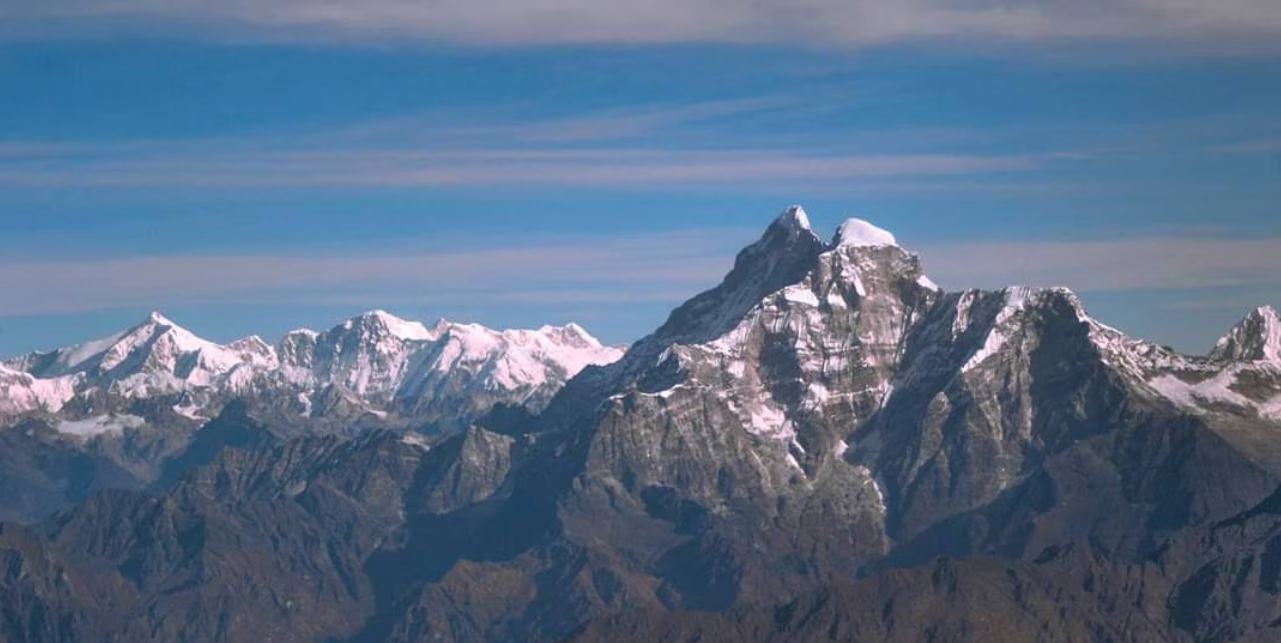
The Rolwaling Valley Trek is an thrilling adventure into one of the least explored and remote regions in Nepal. This rugged trek blends nature with culture, as it passes through valleys and climbs mountains. Trekkers are surrounded by lush forests, alpine meadows, and snow-capped peaks, among them, Gauri Sankar and Melungtse. While the trek passes through remote villages, this is an uncommon glimpse into the peaceful, rugged beauty of Nepal.
You can choose this trek for an adventure that will be challenging but worth it. You’ll hike through traditional Sherpa villages such as Beding and Na, where you can interact with locals and experience their culture. One of them is this Rolwaling Valley Trek, which boasts of stunning views of glaciers, high mountain passes and beautiful landscapes. In addition to being an underused trekking destination, the staggering natural beauty of the Rolwaling is considered to be even more pristine than that of the popular Everest region, making this trek a must for any serious trekking lover.
Take a trek through the heart of the Rolwaling Valley Trek with Blaze Mountain. With expert guides and support staff ensuring your journey is safe and comfortable, this adventure is one that you’ll never forget. Beyond securing a comfortable personal experience of the trek, our intimate knowledge of the region allows you the time to lose yourself in the beauty and culture of this isolated valley.
Treknote: Rolwaling Valley Trek
Rolwaling Valley Trek is a moderate to strenuous trek that requires good physical fitness and past trekking experience. The trek leads you into remote areas with minimal infrastructure, so preparation for the challenges ahead is key.” Expect high-altitude terrain and varying weather; acclimatization along the route is advisable to prevent altitude sickness. The trail passes through rigorous climbs, stony trails, and glacier crossings, providing a distinct challenge for explorers. The trek is challenges yet visually reward and offering a glimpse of culture, but trekkers must be prepared for the long days on the road. And make sure to bring the right gear and enough water and high-energy snacks, and follow the safety tips from the guides to have a smooth and fun experience.
Additional Information:
You can access full details regarding the Rolwaling Valley Trek from our website. If you need any extra information or extra service, feel free to contact us. To meet our agent, please follow the link, and/or if you want to talk to us directly, you can call our office at: 01-4522505.
Best Season for Rolwaling Valley Trek:
Autumn (September to November) and spring (March to May) are the ideal seasons for trekking in Rolwaling Valley. With clear sky, mild temperatures, and a lower chance of snowfall or severe rain, these times provide the best weather conditions. These seasons are ideal for an unforgettable trekking experience in the isolated Rolwaling Valley since the hiking routes are dry and the surrounding mountains are visible at their finest.
- Spring (March to May)
One of the most common seasons for trekking in Nepal including Rolwaling Valley Trek is spring. There is a pleasant breeze across the fields, with lower lands in the sun and cools in higher areas. The terrain is verdant, and the travelers are treated to the beauty of flowering rhododendrons and other wildflowers. But a few snow might still hit high altitudes, so it is important that trekkers are ready for colder weather when climbing up. Spring season: The open skies and beautiful mountain view. - Summer (June to August)
Nepal’s summer period overlaps with the monsoon season, which can see heavy rainfall across many trekking areas, Rolwaling Valley included. This renders the trail soggy with rivulets and mud in bushes, and a higher risk of landslides, particularly during lower altitudes. While the green above the valley can be beautiful, the heavy rain can often hinder and make trekking less pleasurable. Unless you are an experienced trekker prepared for the wet and muddy conditions, trekking in this season is not advisable. - Fall (September – November)
Autumn (September-November) is the most popular trekking season in Nepal, and it is no less than one of the best times to trek in Rolwaling Valley. The monsoon’s rains have eased, leaving trails dry, and the skies are mostly clear, providing fantastic views of the surrounding mountains. The weather is pleasant, with chilly mornings and nights, which are perfect for trekking. Fall is also the season when the valley comes alive, with harvest season in full swing, and you’ll get the added bonus of cultural richness that comes with it. For trekkers visiting Rolwaling Valley, it’s the best trek season to recommend. - Winter (December to February)
Rolwaling Valley becomes cold, particularly at higher elevations in winter, where the snow can occasionally make the passage uncomfortable or impossible. The skies usually remain clear, and the views are spectacular in these months, but trekking during this season calls for that proper winter gear, and preparation for temperatures below zero. You can trek through the lower areas of the valley, while the high altitudes are mostly difficult for most trekkers because of the heavy snow and cold conditions. The winter trekking in Rolwaling Valley is for well-equipped and well-prepared trekkers who can withstand extreme cold.
Food and Accommodation on the Rolwaling Valley Trek:
Although the Rolwaling Valley Trek passes through isolated areas with limited lodging and food options, the experience is one-of-a-kind. With food and accommodation provided by nearby guesthouses and tea houses, the walk gives an opportunity to experience traditional Sherpa hospitality. Here is a summary of what to anticipate in terms of lodging and food:
Accommodation:
- Tea Houses & Lodges: Tea houses and modest lodges are the main lodging options along the hiking route. These are straightforward and basic, with communal spaces and amenities. Basic blankets and two or three mattresses with little furnishings are standard in the rooms. Although there are fewer lodging options further up in the valley, the warmth of the locals makes for a nice stay.
- Campsites: Camping may be set up in some locations without tea houses. For those who want to completely immerse themselves in nature, this provides a more daring experience. With camp setup assistance from guides and porters, Blaze Mountain can assist with camping preparations.
Food:
- Traditional Nepali Cuisine: The majority of the cuisine supplied throughout the walk consists of rice, lentils, and veggies. A popular staple dish that gives hikers a boost of energy is Dal Bhat, which is lentil soup with rice. Noodles, soups, and momo (dumplings) are also available.
- Western Food: Many tea shops provide a variety of Western foods, like as pizza, fried rice, spaghetti, and pancakes, in addition to traditional meals. Even though the meal is basic, it gives hikers the nourishment they need.
- Drinks and Snacks: Along the path, you may get snacks like chocolate bars, almonds, and cookies. In addition to the usual tea and coffee, some tea cafes sell juices, soft drinks, and energy drinks.
Health and Safety on the Rolwaling Valley Trek:
Trekkers must take their health and safety very seriously since the Rolwaling Valley Trek requires them to go through isolated, high-altitude terrain. Being well-prepared is essential for a safe voyage because the trek is physically taxing and offers a number of difficulties, including altitude sickness and restricted access to medical services.
- Altitude Sickness
Altitude sickness is one of the most common health risks humans can face on the Rolwaling Valley Trek, although it may occur at altitudes of 2,500 meters or more. Oxygen levels drop with altitude, so acclimatizing is crucial as you climb higher. Blaze Mountain creates your trekking itinerary specifically to incorporate rest days where needed — such as in Beding and Na — so your body has time to acclimatise to the differing elevation. Watch for signs of altitude sickness: headache, dizziness, nausea and shortness of breath. If you develop any of these signs and symptoms, it’s critical that you let your guide know right away. The best way to avoid altitude sickness is to take it easy, stay hydrated and not push your limits. If symptoms worsen, it is vital to descend to a lower elevation right away. - Physical Fitness
It is walking your way out the physically challenging environment and therefore being fit before getting on your feet for the Rolwaling Valley Trek is very very essential. To build endurance and stamina, engage in regular cardio activities including running, swimming, and hiking and work to build your strength to tackle the steep and long distances at the same time. Before the trek, it is recommended to do a few longer days hike to prepare the body for the demands of multi-day trekking. For the upward trek itself, remember to go at your own pace, stop regularly, and don’t over-exert yourself, especially in the more challenging sections. Your guide will be there to keep track of where you are and help you maintain a good pace, one that feels comfortable. - Safety Precautions
The best safety measure is to trek with an experienced guide during the Rolwaling Valley Trek. Guides from Blaze Mountain are well-trained in first aid and are familiar with the region’s terrain and weather conditions. They, after a little training, know about altitude sickness, hypothermia and other possible health threats, and are better prepared to respond if problems develop. Moreover, with a guide, you make fewer mistakes by getting lost or trekking in unknown areas. To be extra safe, you should have travel insurance that includes high-altitude trekking and medical evacuation/emergency rescue coverage if required. Always better to be prepared for situations you do not see coming. - Hydration and Food Safety
It is essential for your health during the hike to stay hydrated. Dehydration can quickly translate into fatigue, dizziness and even more severe health problems at higher altitudes. Stay hydrated and use a reliable water purification system — filter, purifying tablets, etc. — to ensure the water you drink is safe. Local tea houses serve traditional Nepali food such as Dal Bhat (lentils and rice) and momos (dumplings) that are usually safe to consume. It’s best to steer clear of raw vegetables or unfiltered water, though, as a precaution against foodborne illness. Be wary of foods that may have been left unrefrigerated for too long, and make sure you’re getting a freshly made meal.
Best Gear for the Rolwaling Valley Trek
Having the right gear is key to ensuring a comfortable and safe trekking experience in the Rolwaling Valley. Here are the essential items to bring:
Clothing
- Layered Clothing: A moisture-wicking base layer, an insulating mid-layer (fleece or down), and a waterproof/windproof outer layer to protect you from cold and wet conditions.
- Trekking Pants: Lightweight, quick-drying pants for comfort.
- Thermal Wear: For cold nights and higher altitudes, bring thermal tops and bottoms.
Footwear
- Trekking Boots: Waterproof and supportive boots to handle rough terrain.
- Socks: Moisture-wicking socks to prevent blisters. Carry extra pairs.
Backpack
- Daypack: A small pack (20-30L) to carry daily essentials.
- Main Backpack: A larger pack (50-65L) for all your gear. Look for one with good padding and fit.
Health and Safety Gear
- First Aid Kit: Basic first aid supplies like band-aids, painkillers, and personal medications.
- Water Purification: Carry a filter or purification tablets for clean drinking water.
Accessories
- Headlamp: A headlamp with extra batteries for nighttime.
- Sun Protection: Sunglasses, sunscreen, and a hat for UV protection.
Sleeping Gear
- Sleeping Bag: A sleeping bag rated for temperatures as low as -10°C to ensure warmth during colder nights.
- Sleeping Pad: Lightweight and insulated to provide comfort and protection from the cold ground.
Navigation and Technology
- Maps/Compass: A map and compass for navigation, especially in remote areas.
- Camera/Phone: For capturing the stunning landscapes, but be mindful of battery life. A power bank is recommended.
Travel Tips for the Rolwaling Valley Trek:
The Rolwaling valley trek is a strenuous one; hence going into prepared to the best of your ability will make your experience that much more enjoyable. Before embarking on the trek, ensure that you’re physically fit as the trail includes steep climbs and a high-altitude stretch. Do regular cardio and strength training to slowly adjust your staminα. Essential pack; less is more, the trek can be tricky physically so pack light. Pack warm clothing especially for the chilly nights at higher altitudes, where temperatures can plummet. Get proper sun protection, (sunscreen, sunglasses, a hat), as UV is intense at altitude.
And always bring enough water, and use water purification systems, because clean water sources are few and far in between. And also pack some snacks to survive, as food options are limited during your trek. Though hiring a guide makes the experience more expensive, a professional will bring extra safety, peace of mind, and help you to navigate the terrain and stay on course. Finally, let the journey flow, relish the gorgeous mountains and local flavor the Rolwaling Valley is the latest off-the-beaten-path trekking destination that will leave you with memories to last a backup up to October 2023.
Trek Difficulty and Altitude:
The Rolwaling Valley Trek is known to be a difficult route, particularly because of its steep ascents, rugged terrain, and high-altitude conditions. Trekker’s should also prepare themselves for long days of hiking with some sections requiring physical stamina and endurance. Crossing into the 5,000 meters marks the challenging aspect of the trek, where reduction of oxygen multiplicity the challenges which makes acclimatization a critical part of the trek. Altitude sickness can affect many trekkers if they don’t take sufficient rest days and ascend too fast.
At import antes places like Beding and Na you should have acclimatization in order for your body to get used to the elevation before you go up. The demands of physical exertion combined with the potential for altitude related malaise means that trekkers should be fit and take the trek seriously respecting the mountain environment and listening to their body.
Cultural Insights of the Rolwaling Valley Trek:
The Rolwaling valley trek not only takes you through mesmerizing landscapes but through rich cultural heritage as well. Such includes the Sherpas, Tamangs and Rai communities. Along the way, trekkers will discover traditional villages influenced by Tibetan culture, and where people still engage in agriculture, animal husbandry and centuries-old traditions. The hosts are extremely hospitable, and one is usually offered a nice cup of Tibetan butter tea. The valley is steeped in Buddhist culture, dotted with monasteries and chortens (stupas).
Trekkers get a chance to visit these holy places, know about the locals’ religious beliefs and see prayer flags hoisted, signifying blessings for travelers flapping in the winds. The region’s remoteness has allowed it to sustain its traditional way of life, creating an authentic and immersive cultural experience in Rolwaling Valley. The trek provides you with opportunity to challenge yourself physically and to interact and learn from local communities, giving another aspect to the experience.
Things to Do on the Rolwaling Valley Trek:
You will be rewarded with different adventures along the Rolwaling Valley Trek. The trek offers spectacular teleshop views of famous peaks like Gauri Sankar and Melungtse, making it a photographer’s paradise or anything money can for the beauty of the Himalayas. The trek also has the added bonus of spotting wildlife, as the area is home to species such as the Himalayan tahr, musk deer, and various birds. One of the attractive features of the tour is that it includes high-altitude monasteries, where hikers will visit local Sherpa and Tamang communities to familiarize them with their unique way of life and Buddhist traditions.
All in all, for thrill-seekers aiming for the sky, this uphill hike is a perfect test of physical endurance with a pleasant and calm environment to exhale and meditate. Teeming with adventure, the trip to see Rolwaling allows you to engage by camping under the stars in the midst of the wild. Whether you’re hiking for adventure, culture, or serenity, this path has something for every traveler.
Why This Trek with Blaze Mountain?
A Rolwaling Valley trek would be amazing choosing Blaze Mountain with less hassle, enjoy it! Being a local trekking company, we know every detail such as the terrain, the weather, and the culture of the area, which helps us in giving you expert guidance and support during your journey. Our experienced guides are familiar with the local culture and will not only be walking through the valley but also will ensure that you get to know the traditions and lifestyles of the Sherpa, Tamang, and other communities in the area.
You will trek ford with safety and planning, good acclimatization schedules, best gear from us, trek responsibly, so that you enjoy the adventure. We ensure the sustainable trekking practices and that we are always conscientious of the environment and respect the local people. When you book with Blaze Mountain, you will be hiking with a company that prioritizes personalized service, comfort and genuine immersion in one of Nepal’s most beautiful and remote valleys.
General Info
Trip Overview
Trip overview content can be added in the About Trip field.
Short Itinerary
- Day 1: Arrival in Kathmandu – Meet at the airport and transfer to your hotel. Briefing in the…
- Day 2: Fly to Lukla, trek to Phakding – Scenic flight to Lukla. Start trek to Phakding. Easy walk beside the…
- Day 3: Phakding to Namche Bazaar – Cross suspension bridges and climb to the Sherpa capital. First views of…
- Day 4: Acclimatization day in Namche – Optional hike to Everest View Hotel or Khumjung. Rest and acclimatize.
Includes / Excludes
Includes:
- ✓ Airport pick-up and drop-off
- ✓ All ground transport as per itinerary
- ✓ Domestic flights (e.g. Kathmandu–Lukla–Kathmandu)
- ✓ Experienced trekking guide and porters
- ✓ Teahouse accommodation during trek
- ✓ All meals (breakfast, lunch, dinner) during trek
- ✓ TIMS and national park permits
- ✓ First-aid kit and emergency support
Excludes:
- ✗ International flights and visa
- ✗ Travel and medical insurance
- ✗ Personal expenses and tips
- ✗ Lunch and dinner in Kathmandu
- ✗ Extra nights and optional activities
- ✗ Personal trekking gear
Detailed Itinerary of Rolwaling Valley Trek:
Day 1: Arrival in Kathmandu
Meet at the airport and transfer to your hotel. Briefing in the evening.
Day 2: Fly to Lukla, trek to Phakding
Scenic flight to Lukla. Start trek to Phakding. Easy walk beside the Dudh Koshi river.
Day 3: Phakding to Namche Bazaar
Cross suspension bridges and climb to the Sherpa capital. First views of Everest on a clear day.
Day 4: Acclimatization day in Namche
Optional hike to Everest View Hotel or Khumjung. Rest and acclimatize.
Frequently Asked Questions
Find answers to the most common questions about our tours, trekking, and travel services.