
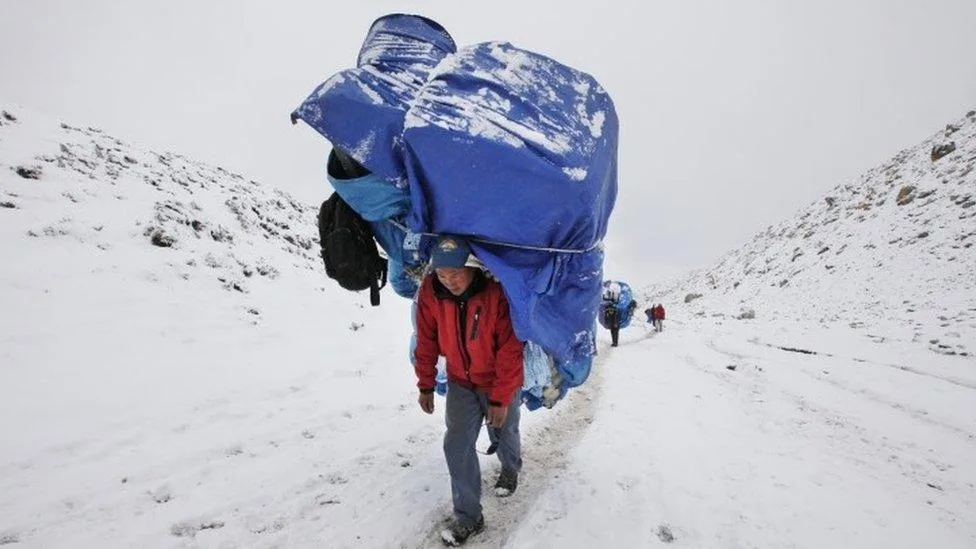
Okay we need to have a talk about something that makes locals want to scream into the void, Sherpa vs Guide. Trekkers roll into Nepal, lace up their boots for Everest Base Camp or Annapurna Circuit or whatever Instagram told them to do, and just start calling everyone a Sherpa. Guy carrying your duffel? Sherpa. Dude leading your group? Sherpa. Random person pouring your tea? Yep, also Sherpa apparently. Just stop.
Here’s the deal. Sherpa is an ethnic group, not a damn job description. It’s like walking into an Italian restaurant and calling every employee “Italian” whether they’re actually from Italy or they’re just someone who needed a job. Makes zero sense, right? Same energy here. Yeah, there are Sherpas who work as guides. There are also Sherpas who are doctors, farmers, business owners, or literally doing anything else humans do for work. And guess what? There are guides and porters who aren’t Sherpa at all. They’re Rai, Tamang, Magar, Gurung, or from like fifty other ethnic groups scattered across Nepal.
So let’s settle this once and for all. What’s a Sherpa, guide, porter? And why mixing them up makes you sound exactly like every other tourist who couldn’t be bothered to learn basic shit before showing up.
Sherpa: An Ethnic Group, Not Employee’s Title
Sherpas are an ethnic group. They originally came from eastern Tibet, migrated to Nepal centuries ago, mostly settled in the Solukhumbu region which is Everest territory. They speak their own language, practice Tibetan Buddhism, have their own festivals and culture and traditions. It’s a whole identity, not a job.
Now yeah, because Sherpas lived at high altitude for generations, their bodies adapted better to thin air than most people. So when mountaineering became a thing in the early 1900s and foreigners started trying to climb Everest and other monsters, Sherpas were the ones making it happen. Guiding, hauling gear, setting camps, basically doing the work that made summits possible. Tenzing Norgay summiting Everest with Edmund Hillary in 1953? That moment put Sherpas on the global map as high altitude legends.
So sure, tons of Sherpas work in trekking and mountaineering. It’s a thing. But here’s what you need to burn into your brain: not every guide is Sherpa. Not every porter is Sherpa. And absolutely not every Sherpa is working as a guide or porter. Calling your guide a Sherpa just because they’re leading you up a trail is dumb. It’s like assuming everyone wearing cowboy boots in America is actually a cowboy. Lazy and wrong.
Quick tip. If someone’s last name is literally Sherpa, cool, they’re probably ethnically Sherpa. It’s a common surname. But if their name is Tamang, Rai, Gurung, or something else? They’re not Sherpa. They’re a guide or porter from a different background doing the exact same work.
Guide: The Person Between You and Dying on a Mountain
A guide does what the name says. Guides your trek. They know the routes, know the mountains, handle the logistics, and most importantly, stop you from doing dumb shit that gets you killed or hopelessly lost. Guides can be Sherpa, sure. But they can also be Rai, Tamang, Magar, Gurung, Newar, literally anyone. What makes someone a guide isn’t their ethnicity, it’s their training, experience, and actual license.
In Nepal, real guides need government licenses. That means they went through training programs, passed exams, know first aid, understand altitude sickness, can navigate routes, all that. A solid guide on the Everest Base Camp trek or Annapurna Circuit isn’t just walking in front pointing which way to go. They’re monitoring your health, managing altitude gain so you don’t get wrecked, adjusting plans if weather goes sideways, dealing with permits and tea house reservations, translating when you’re struggling to communicate, basically keeping your trek from turning into a horror story.
Guides on big routes like Langtang Valley, Manaslu Circuit, Annapurna Base Camp usually speak solid English, sometimes French or other languages too. They’ve walked these trails more times than you’ve thought about trekking. They know which tea houses serve food that won’t destroy your stomach, which trail sections get sketchy in rain, where the views slap hardest, what to do when someone starts showing signs of altitude sickness at 3am.
Guides make more than porters because the job needs more skill and carries way more responsibility. Depending on the trek and company, you’re looking at $25 to $40 per day for a licensed guide. That doesn’t cover their meals and accommodation though, you’re paying for that too, plus tipping at the end if they kept you alive.
Porter: The Hero Carrying Your Stuff While You Complain About Being Tired
Porters haul loads. That’s it. Your duffel stuffed with gear you probably didn’t need, group supplies, whatever needs moving from one tea house to the next. Porters are literally the backbone of trekking in Nepal. Without them, most trekkers would be absolutely wrecked trying to carry a 15 kilo pack at 4,000 meters while their lungs are screaming.
Porters come from everywhere. Rai, Tamang, Magar, Gurung, Sherpa, all over the map ethnically. Lot of porters are young dudes from villages along the routes trying to stack money. It’s brutal physical work. They’re hauling heavy loads up and down mountains for hours, and they’re not getting paid nearly what guides make.
One porter typically handles gear for two trekkers. So one porter, two duffel bags, somewhere between 20 to 30 kilos total depending on the trek and what you agreed to. On routes like Everest Base Camp, Annapurna Circuit, Langtang Valley, you’ll see porters carrying loads in big wicker baskets strapped to their foreheads with this band called a tumpline. Looks insane. Is insane. They’re machines.
Porter pay is lower than guides, usually $15 to $25 per day depending on trek and company. Same as guides, you cover food and lodging, and you better be tipping at the end. And before you feel all high and mighty, remember these guys are schlepping your crap so you can prance around with a light daypack taking selfies instead of dying under the weight of everything you overpacked.
Some porters are working up to becoming guides. Portering is a stepping stone in the industry. Guy carrying bags today might be leading Everest expeditions in five years.
The Hybrid: Guide-Porter or Yeah, Sometimes Your Guide is Actually Sherpa
Sometimes you’ll hire one person who guides and carries some gear. Guide-porter. Common for solo trekkers or couples doing smaller private treks. Cheaper than hiring separate people for each job, but it also means your guide’s hauling weight while leading, which is exhausting for them.
And yeah, sometimes your guide is ethnically Sherpa. A Sherpa guide. That’s absolutely a thing. They’re Sherpa and they’re a licensed guide. But once again for the people in back, not all guides are Sherpa, and you calling every guide Sherpa is still wrong and annoying.
On big expeditions like Island Peak, Mera Peak, or legitimate Everest summit pushes, you’ll often have Sherpa guides specifically because of their high altitude genetics and experience. Climbing Sherpas are built different. They’re fixing ropes, hauling oxygen bottles, guiding clients through gnarly technical terrain, crushing elevations that would flatline regular humans.
But on standard treks like Annapurna Base Camp or Poon Hill, your guide could be Sherpa, could be Rai, could be Gurung. Doesn’t matter as long as they’re good at keeping you alive and on trail.
Why This Actually Matters and Isn’t Just Semantics
Some people think it’s whatever, just words, who gives a shit. But here’s why it actually matters. When you call everyone Sherpa, you’re erasing all the other ethnic groups busting ass in Nepal’s trekking industry. Rai porters, Tamang guides, Magar support crews, they’re all out here grinding just as hard. Reducing everyone to “Sherpa” ignores their contributions and identities.
It’s also just flat wrong and makes you look uninformed. Imagine someone visits your country and calls every worker by the wrong name because they were too lazy to learn the difference. You’d be annoyed as hell, right? Same thing.
And Sherpa people have a real cultural identity that matters to them. Using their ethnic name as a catch all job title cheapens that. It’s like if randos started using your last name as slang for any job. You’d be like “that’s not what my name means, stop.”
How to Hire Guides and Porters Without Looking Clueless
Booking through a legit company like Blaze Mountain? They handle it. You say what trek you want, Everest Base Camp, Manaslu Circuit, Upper Mustang, whatever, they assign licensed guides and porters. Done.
Hiring independently in Kathmandu or Pokhara? Make sure your guide actually has a license. Ask to see the card. Check reviews if possible. Don’t hire the first random dude who corners you in Thamel claiming he’s a guide because he once hiked to Namche.
For porters, if you’re going through a company they sort it. Independent hire? Be clear about weight limits, daily pay, food and accommodation coverage, tipping expectations. Don’t overload them. Standard is like 10 to 15 kilos per trekker, max 30 kilos total per porter. Don’t be that person who makes them carry your entire apartment.
Tipping: Stop Being Cheap, Seriously
Tipping. Let’s go there because trekkers mess this up constantly. Guides and porters work their asses off. They make your trek happen. End of a good trek, you tip. It’s expected, it’s how they actually make decent money, and being stingy is trash behavior.
Rough guide: tip around 10% of trek cost total, split between guide and porter. So your Annapurna Circuit cost $1000? You’re tipping around $100. Maybe $60 to guide, $40 to porter, adjust for group size and how many staff you had.
Guide went hard? Saved your life during a storm, dealt with your altitude sickness in the middle of the night, made the whole experience amazing? Tip more. Porter hauled your overstuffed bag without bitching and stayed positive the whole time? Don’t short them.
And don’t tip in some weird foreign currency that’s a pain to exchange. Nepali rupees or US dollars. Make it simple for them to actually spend it.
Treating Guides and Porters Like Actual Humans (Wild Concept, I Know)
Quick PSA. Guides and porters are people, not your personal servants. They’re professionals doing hard work. Treat them like humans. Learn their actual names instead of just saying “hey guide” or “porter” for two weeks straight. Ask where they’re from, about their lives, their stories.
Don’t make them haul ridiculous luxury crap you don’t need, don’t act like royalty expecting them to bow and scrape. Don’t ignore them during meals or treat them like furniture.
Some trekkers get weird about eating with their guide and porter, like sitting at the same table is beneath them. Don’t be that asshole. You’re all on the same trek, eating the same dal bhat, freezing in the same tea houses. Act like it.
If your guide or porter is sick, struggling, dealing with something, check on them. They’re taking care of you, bare minimum you can do is give a shit about their wellbeing too.
Lastly, In the last
Sherpa equals ethnicity. Guide equals job. Porter equals job. Sometimes a Sherpa works as a guide. Sometimes a Rai hauls gear as a porter sometimes a Tamang does both. These words aren’t swappable, and using them wrong just broadcasts that you couldn’t be bothered to learn basic facts before trekking through someone else’s home.
Next time you’re walking the Everest Base Camp trail, grinding up the Annapurna Circuit, exploring Langtang Valley, circling Manaslu, wherever, take like five seconds to learn your guide’s name and background. Ask where they’re from. Stop calling everyone Sherpa by default. It’s not complicated.
The people leading your trek and carrying your bags are why you make it to base camp or whatever viewpoint you’re chasing. They know these mountains in ways you never will. They’re working in conditions that would absolutely destroy most people. Show some respect, learn the difference between words, stop being lazy about it. Pretty damn simple.