
Okay so the United States just dropped Nepal’s travel advisory from Level 3 back down to Level 2. And yeah, that’s kind of a big deal. After September 2025 when Nepal basically lit itself on fire, the US State Department is now saying “alright, things are chill enough, go trek.”
For anyone sitting there wondering if they should book that Everest Base Camp trek or Annapurna Circuit or whatever Himalayan adventure’s been living rent free in their head, this is your green light. Protests are done. New government’s running things. Mountains are back to doing what they do best, being stupidly massive and waiting for you to show up. But let’s break down what actually went down, what this change means, and whether you should be hitting that book button right now.
September 2025: When Nepal Youth frustration getting leaks
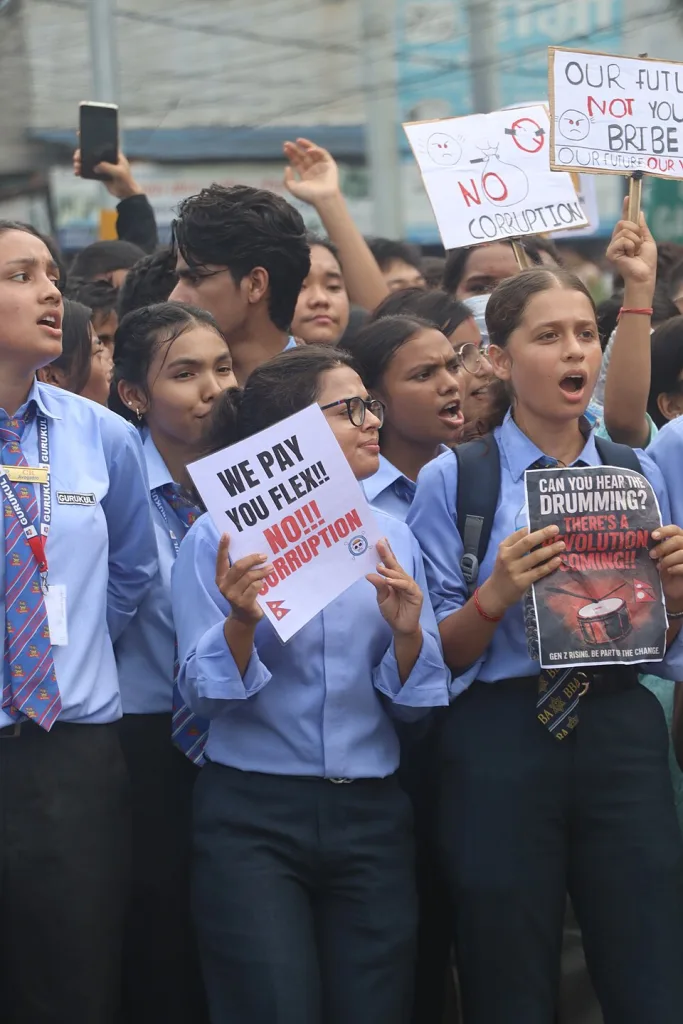
Quick recap because you need context. September 2025, Nepal’s government decides to ban 26 social media platforms. Facebook, Instagram, YouTube, WhatsApp, all gone. Their excuse? Platforms didn’t register under new rules. Real reason? Gen Z kids on TikTok were roasting politicians’ families for flexing wealth while regular people couldn’t find jobs. Youth unemployment sitting at 20 percent, politicians’ kids posting luxury cars and designer bags. Not a good look.
The whole situation is on the Wikipedia and other media platform as well: Gen’z Protest In Nepal.
September 8, thousands of young people hit the streets in Kathmandu. Peaceful protest. Mostly students still in school uniforms holding signs about corruption. No political party flags, no organization behind it, just kids fed up with the bullshit. Then police opened fire. Live rounds, not rubber bullets. By end of day, 19 dead including a 12 year old. Over 300 injured. They tear gassed hospitals. It was absolutely brutal.
September 9 turned into chaos. Protesters torched Parliament, burned down Singha Durbar (main government building), set fire to politicians’ houses. Prime Minister KP Sharma Oli quit. Military rolled in with curfews across major cities. Final count? 76 dead, over 2,000 injured, government collapsed.
Wild part though. These Gen Z protesters, coordinating on Discord because social media was banned, they literally voted online for who should be interim PM. Picked Sushila Karki, former Chief Justice, first woman to ever hold that position in Nepal. Elections got scheduled for March 5, 2026. And a few weeks back, Balen Shah (Kathmandu’s mayor who everyone actually likes) became the new Prime Minister. Democracy through Discord, only in 2025.
So What Changed? Why’d the US Drop the Warning?
US bumped Nepal to Level 3 during September. That’s “Reconsider Travel” territory, one step below “Don’t Go At All.” Americans planning treks bailed. Hotels that didn’t burn down went empty. Trekking companies watching bookings evaporate. Tourism industry got absolutely wrecked.
But since then? Protests stopped completely. Social media ban lifted. Curfews ended. March 5 elections happened, no violence. New government’s in. Old PM Oli and his Home Minister got arrested for the September crackdown. Actual accountability happening, which is weird for Nepal.
US looked at all this and went “okay yeah, Nepal’s got its act together now.” Down to Level 2. Same level as France, Germany, UK. Just means use common sense, don’t be dumb, standard travel stuff.
State Department confirmed protests are done, situation’s stable. Could small protests pop up? Sure. But we’re not talking about nationwide riots and parliament buildings on fire anymore. Nepal’s back to normal chaos, not abnormal chaos.
What Level 2 Actually Means If You’re Trekking
Level 2 doesn’t mean Nepal’s suddenly Disney World. It never was, never will be. Just means political situation isn’t actively dangerous, but yeah, there’s still stuff to watch.
Advisory still calls out three things: earthquakes, monsoon season, healthcare limitations outside cities.
Earthquakes. Nepal sits on a fault line that doesn’t mess around. 2015 quake killed almost 9,000 people, flattened buildings, wrecked trails. Could another big one hit tomorrow? Yep. That’s just geography. Tea houses aren’t earthquake proof. Most buildings in Kathmandu aren’t either. It’s the risk you accept when you come here. Don’t like it, go trek somewhere else.
Monsoon. June through September, rain absolutely destroys Nepal. Floods, landslides, roads washing away, trails turning into slip n slides covered in leeches. Trekking Annapurna Base Camp or Langtang during monsoon is masochistic. Everything’s wet, views are gone, it sucks. Upper Mustang and Dolpo are rain shadow zones so they’re actually good in monsoon, but every other popular trek? Hard pass June to September.
Healthcare. Kathmandu’s got hospitals that work. Patan Hospital, CIWEC, they’re decent. But once you’re days into Everest Base Camp trek or deep in Manaslu Circuit, medical help is a helicopter ride away. Altitude sickness, busted ankle, whatever, you’re looking at thousands of dollars for evacuation. And that’s if weather allows helicopters to even fly. Some places, you’re just stuck until conditions clear.
None of this is new. These risks existed before September, they’ll exist forever. Advisory’s just not lying to you about it.
Trekking Routes: What’s Actually Safe
Here’s the thing everyone forgets. September’s protests? Almost entirely Kathmandu, Pokhara, major cities. The mountain villages where you’re actually trekking? Totally fine. Tea houses kept running. Locals weren’t out burning stuff. They were just trying to live.
Some trekkers on Everest Base Camp route during September had zero clue anything was happening until they got back to Kathmandu and saw burnt buildings. That’s how disconnected mountain regions are from city politics.
Everest Base Camp is running like normal. Lukla flights operating, tea houses open, trails packed because spring season’s here. Worried about safety from protests? Stop. Khumbu region didn’t see any of that mess.
Annapurna Circuit and ABC. Pokhara had some fires and curfews in September but actual trekking routes through villages like Ghorepani, Manang, Chomrong, totally unaffected. Everything’s back to normal now.
Langtang Valley, Manaslu Circuit, Upper Mustang. All good. Too remote for Kathmandu drama to reach. Your biggest risks are still altitude, weather, not slipping off a cliff. Not politics.
Monsoon heads up. We’re in April 2026. Perfect trekking weather through May. Clear skies, stable temps, rhododendrons going crazy on routes like Poon Hill. Then monsoon hits June and most treks turn miserable till September. Plan accordingly.
Earthquake reality check. Can’t predict them. Can be smart though. Don’t trek solo. Hire guides through actual companies like Blaze Mountain who know evacuation plans. Get insurance that covers emergency helicopter. Know where landing zones are on your route. If a quake hits mid trek, listen to your guide and don’t freak out.
Should You Book Right Now?
Yeah. Do it. Nepal’s tourism got absolutely demolished by September. Hotels empty, trekking companies struggling, guides and porters with no work, tea house owners barely surviving. Everyone lost money when international travelers canceled because of the Level 3 warning. Now it’s Level 2 and Nepal desperately needs tourists back.
Spring 2026, right now through May, is prime season. Weather’s solid, views are insane, trails are good. Autumn 2026, September through November after monsoon clears, also perfect. Both seasons crush winter’s cold and monsoon’s rain.
Booking now means you get Nepal after things settled but before autumn’s massive tourist wave. Tea houses have space. Lukla flights aren’t overbooked yet. Guides and porters are available. And honestly, supporting Nepal’s tourism right now is the right thing to do. These people live off trekking income and they got wrecked by six months of political chaos.
How to actually book smart. Use legit trekking companies. Blaze Mountain handles permits, guides, porters, tea house reservations, all the annoying logistics. Make sure insurance covers adventure activities and helicopter evacuation, not just basic medical. Nepal requires guides or porters on most trekking routes now anyway, solo isn’t even allowed in protected areas.
Sign up for STEP, Smart Traveler Enrollment Program. Free, takes two minutes, means US Embassy can reach you if something goes wrong. During September they were sending real time alerts about curfews and safe areas. Worth doing.
Will More Protests Happen?
Could they? Sure. Nepal’s politics are always kind of a mess. New PM Balen Shah has support now because people see him as different from the old corrupt crew. But Nepal’s had eight PMs since 2015. Governments here don’t stick around forever.
That said, another September 2025 style nationwide explosion isn’t likely anytime soon. That was a perfect storm of censorship, economic frustration, police brutality, all colliding at once. New government knows what happens when you ignore angry citizens.
Small protests? Yeah, those are normal in Nepal. Political rallies, strikes, whatever. As a trekker you won’t even notice unless you’re in Kathmandu or Pokhara when one happens. And even then, just avoid crowds and you’re fine.
Advisory mentions this. Protests can pop up without warning. If you see people gathering, walk away. Don’t take photos. Don’t get nosy. Just leave. Trekkers aren’t targets but being nearby during protests can get sketchy fast.
Nepal’s Open, Stop Waiting
US dropping Nepal to Level 2 is them saying “yeah, political situation’s stable now, go ahead.” September 2025 was rough, not gonna pretend it wasn’t. But it’s April 2026. New government running things. Protests done. Mountains still sitting there being massive.
Been thinking about Everest Base Camp, Annapurna Circuit, Langtang Valley, Manaslu, Upper Mustang, whatever trek’s been in your head? Stop thinking. Book it. Nepal needs tourists. Trekking industry needs money. And you’re missing incredible mountain experiences by sitting around.
Risks that exist, earthquakes, monsoon, limited healthcare in remote areas, those aren’t new. Political chaos that made things temporarily dangerous? Settled. US State Department confirmed it. Nepal’s good to go.
So book the damn trek. Pack right. Hire a solid guide. Get real insurance. Sign up for STEP. Go see what the Himalayas are about. Mountains didn’t leave during protests. They’re still there, stupid big, absolutely beautiful, just waiting for you to stop making excuses and show up.