
Planning a Himalayan adventure? These essential Mountain Trekking Safety Tips in Nepal will help ensure your journey is both thrilling and safe. Nepal trekking is not just a fact for global tourists. Having the world-famous Everest Base Camp Trek and the visually stunning Annapurna Circuit, Nepal boasts some of the most spectacular but demanding treks in the world. As great as trekking in the Himalayas may be, it has to be done with the right training and experience, or in this case, safety.
Whether you’re an experienced old-hat trekker or a newbie greenhorn, these Nepal trekking safety tips will keep you safe, sound, and smiling on the trails. For official trekking guidelines and permits, check the Nepal Tourism Board website. Some mountain trekking safety tips in Nepal are as follows:
1. Understand the Risks of Altitude Sickness
Acute Mountain Sickness (AMS) is one of the most severe safety concerns with high-altitude trekking in Nepal. Oxygen levels go down as you ascend, and your body acclimatizes slowly. Even seasoned adventurers may develop AMS. If you experience symptoms of AMS, consult with medical professionals at Himalayan Rescue Association (HRA) clinics in Pheriche and Manang.
Altitude Safety Tips:
- Go slow and observe proper acclimatization.
- Water drinking (no smoking or alcohol).
- Plan your schedule with rest days. Treks like Everest Base Camp and Manaslu Circuit have rest days for a reason.
- Condition yourself to recognize symptoms: headache, nausea, tiredness, and lightheadedness.
- Descend ASAP if symptoms intensify.
Popular high-altitude treks in Nepal require attention to altitude safety, especially anything over 3,000 meters.
2. Pack Wisely for Trekking in the Himalayas
For any multi-day hiking trip in Nepal, it is essential to pack the appropriate equipment. A common error made by hikers is to overpack or forget necessary items.
Essential trekking gear checklist:
- Ankle-supporting trekking boots
- Layered apparel (waterproof jacket, fleece, and thermal base layer)
- Poles for trekking
- Reusable water bottle and pills for purification
- Extra batteries and a headlamp
- First-aid kit (with AMS medication included)
- Energy bars and snacks
The proper equipment will help you avoid fatigue and injury whether you’re trekking the Langtang Valley Trek or a more isolated camping route like the Upper Dolpo Trek.
3. Choose the Best Season for Trekking
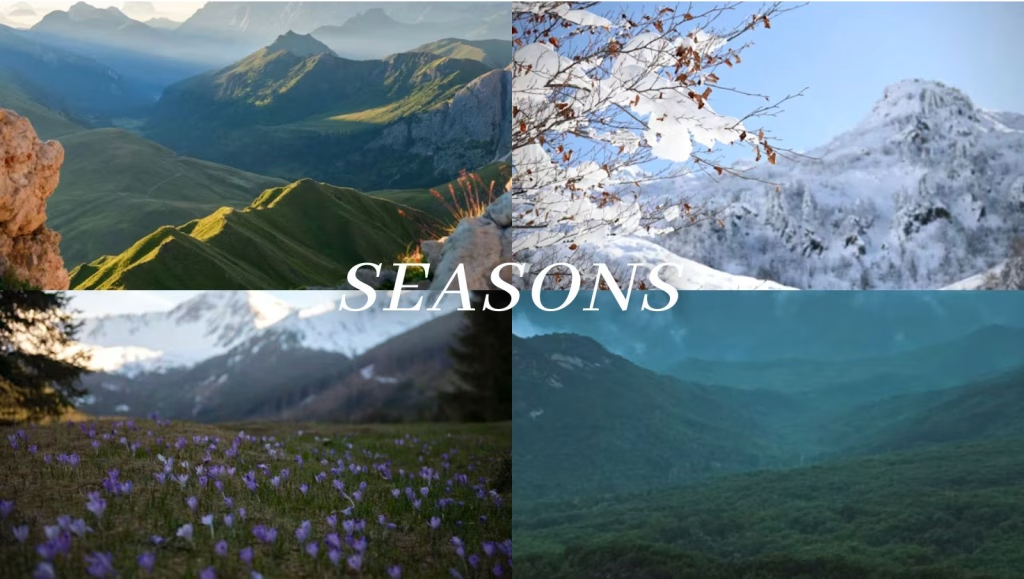
March until May, as well as September to November, represent better trek months in Nepal. It’s quiet, blue sky, clear. The routes are arid. Skip the June, July, and August monsoon months unless you are organizing a trek to an area with very little rain, like Nar Phu Valley or Upper Mustang. The monsoon period features hazardous landslides, muddy trails, and poor visibility. Winter (Dec–Feb) is suitable for trying low-altitude trekking but not high-altitude passes, which are unsafe because they are snowed in and cold.
4. Hire a Licensed Trekking Guide or Porter
Navigating Nepal is not the only reason to hire a local trekking guide. Certified guides receive training in emergency response, safety, and altitude awareness. They also offer helpful language assistance and cultural information.
Why choose a trekking guide?
- assistance during challenging parts
- Assistance with food, lodging, and permits
- Emergency action in the event that you become ill or are hurt
- helps the local economy.
Every trekking guide at Blaze Mountain holds a government license and has expertise on routes such as those in the Annapurna Region, Everest Region, and restricted areas.
5. Know Your Trekking Route and Physical Limits
Nepal has short, simple treks such as the Ghorepani Poon Hill Trek and longer, harder treks such as the Everest High Passes Trek and the Kanchenjunga Trek. Choose a trek that suits your level of trekking ability and fitness at the time. Do not take rest days off or trek above your level.
6. Stay Updated and Stay Connected
Make sure to check CDC Travel Health for updated health advice before trekking in Nepal. Although trekking gets you to remote places, it’s a nice thought to remain updated:
- Monitor weather and trail conditions beforehand.
- Utilize Maps.me or Gaia GPS (download maps offline) apps.
- Purchase a Nepali SIM card for making calls; Ncell and Nepal Telecom have extensive coverage for many popular trails.
- Bring a power bank or solar charger on remote camping treks.
Your guide will always be up to date on trail conditions, lodging availability, and emergency exits if you’re going on a guided trek in Nepal.
7. Respect the Environment and Trekking Culture
Nepal trekking is not solely about the mountains; it’s also about people, culture, and sacred landscapes. Respecting the surrounding communities and environment is part of a successful and safe trek.
Leave No Trace Tips:
- Take out all of the trash.
- Use refill stations instead of plastic water bottles.
- Don’t pick plants or harm wildlife.
- In villages, dress modestly and get permission before snapping pictures.
Final Thoughts: Trekking Safe in Nepal
Wherever you trek. Whether it’s Everest Base Camp, the beautiful Mardi Himal Trek, or a simple trek in the Helambu Region, your first concern must always be safety. Acclimatize; take care of yourself when ascending mountains. Pay attention to your body, and do not hesitate to seek help if necessary.
Safety first on any Blaze Mountain trip. From seasoned guides to scrupulously planned itineraries to checklists to packing to support staff on call 24/7, we’ve got your Himalaya trek or climb in the bag so that not only is it otherworldly spectacular, but safer than a church mouse.